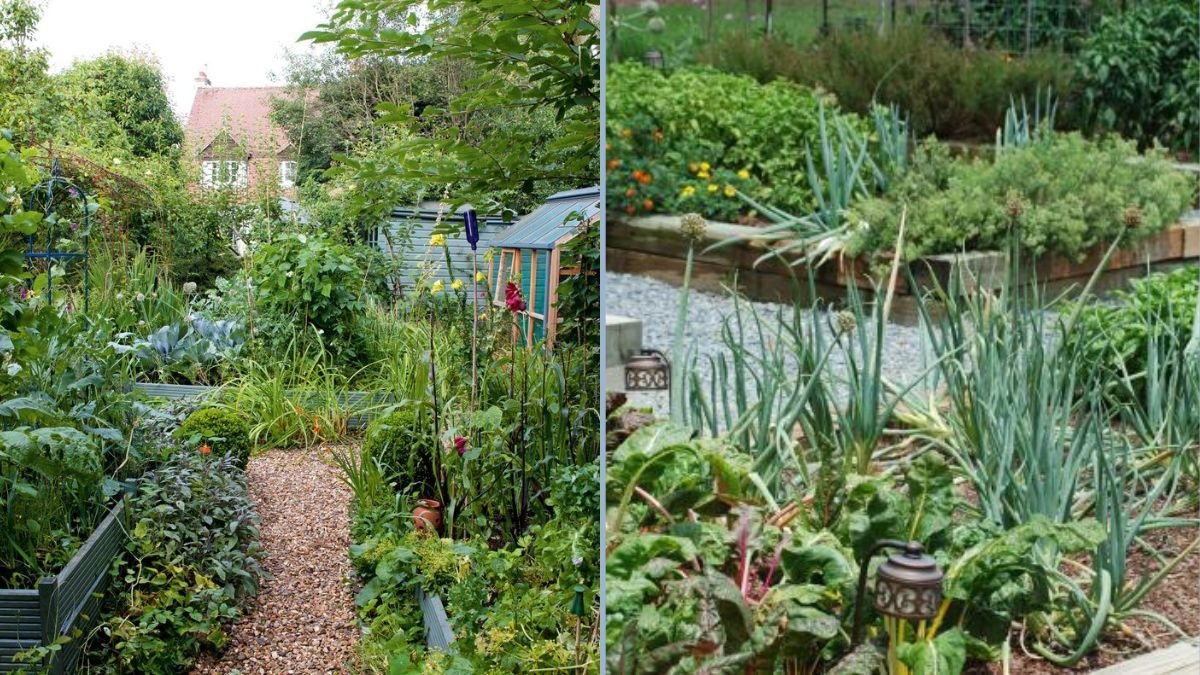
The concept of organic gardening has gained tremendous popularity in recent years as people seek healthier lifestyles, sustainable living, and chemical-free food. Growing an organic garden at home allows you to cultivate fresh vegetables, herbs, and edible flowers without synthetic fertilizers or pesticides. Not only does it provide nutritious ingredients for plant-based meals, but it also promotes environmental sustainability, reduces waste, and offers therapeutic benefits. This article provides a comprehensive guide to starting your first organic garden at home, focusing on plant-based techniques and practical tips.
Why Start an Organic Garden at Home?
Starting an organic garden at home provides multiple benefits:
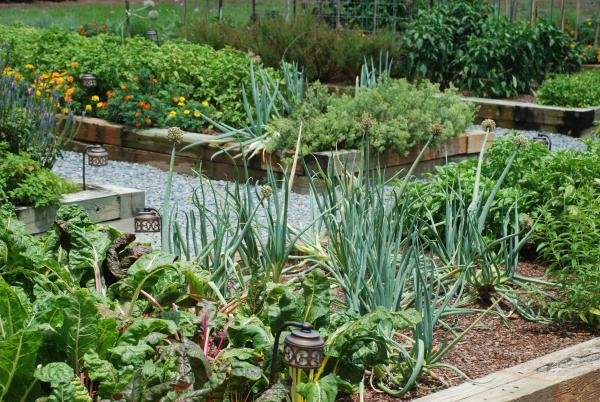
- Chemical-Free Produce: Grow vegetables, herbs, and flowers without synthetic chemicals.
- Nutritional Value: Freshly harvested organic produce retains maximum nutrients, vitamins, and antioxidants.
- Sustainability: Reduces dependence on store-bought vegetables and packaged food, minimizing carbon footprint.
- Cost-Effective: Over time, growing your own vegetables saves money compared to buying organic produce.
- Mental Health Benefits: Gardening reduces stress, improves mood, and fosters mindfulness.
- Aesthetic Appeal: A vibrant garden enhances home interiors and outdoor spaces.
With careful planning and simple techniques, anyone can start a productive and eco-friendly organic garden at home.
Choosing the Right Space for Your Garden
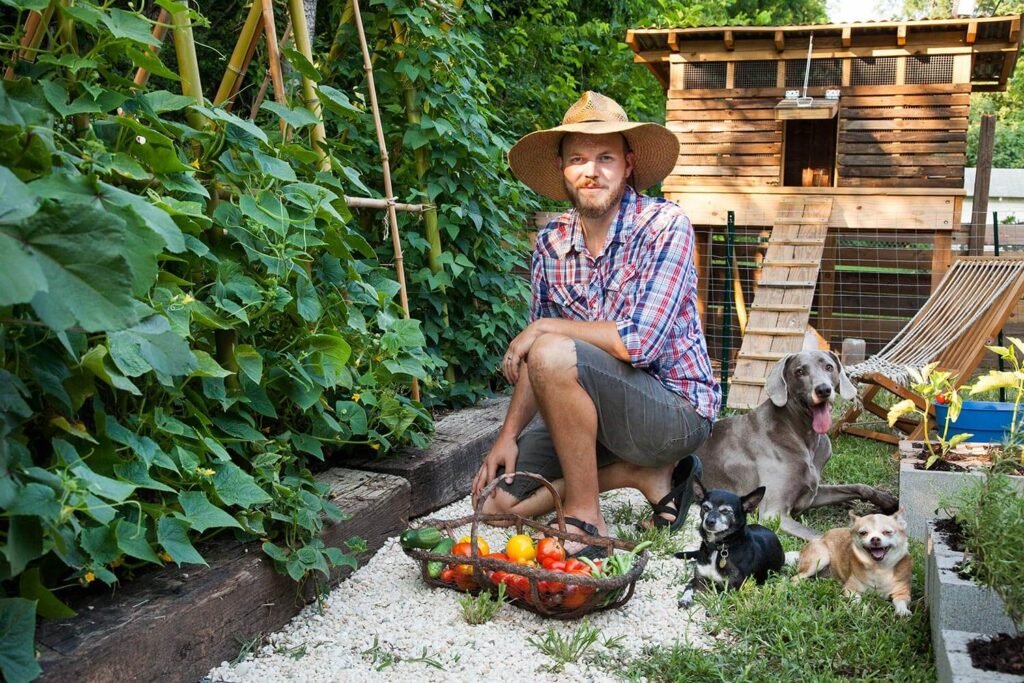
Selecting an appropriate location is crucial for a thriving organic garden:
1. Sunlight
- Most vegetables and herbs require 4–6 hours of direct sunlight daily.
- South-facing windows, balconies, terraces, or small backyards are ideal.
- For areas with limited sunlight, supplement with LED or fluorescent grow lights.
2. Space
- Even small spaces like balconies, terraces, or indoor windowsills can support container gardening.
- Utilize vertical gardening, hanging planters, or tiered shelves to maximize space.
3. Accessibility
- Choose a location that allows easy access for watering, pruning, and harvesting.
- Ensure there is good airflow to reduce the risk of mold and pests.
Essential Components of an Organic Garden
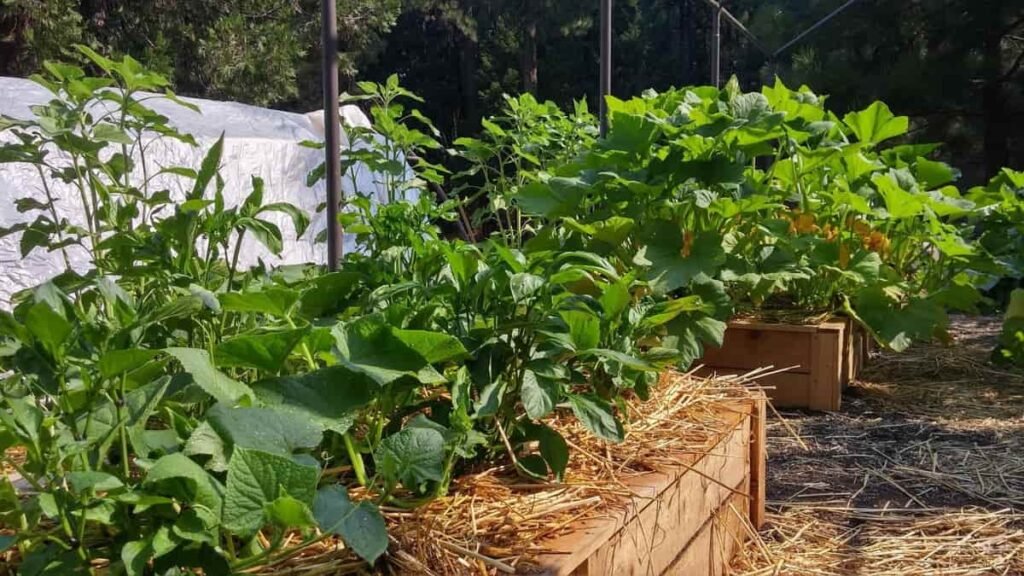
To start an organic garden, you need the right containers, soil, seeds, water, and nutrient sources.
1. Containers
- Choose pots or planters with drainage holes to prevent waterlogging.
- Materials like terracotta, plastic, or ceramic are suitable.
- Recycled containers, crates, or jars can be creatively repurposed.
2. Soil
- Use a nutrient-rich, well-draining potting mix.
- Incorporate organic compost, coconut coir, or vermicompost for fertility.
- Avoid chemically treated garden soil, which may contain pesticides.
3. Seeds or Seedlings
- Choose certified organic seeds for vegetables, herbs, and edible flowers.
- Alternatively, use seedlings from trusted organic sources.
- Select fast-growing varieties suitable for container or small-space gardening.
4. Watering
- Keep the soil consistently moist but not waterlogged.
- Use drip irrigation, watering cans, or self-watering containers.
- Mist plants occasionally to maintain humidity in indoor spaces.
5. Fertilizers and Nutrients
- Apply plant-based, organic fertilizers such as compost tea, liquid seaweed extract, or organic manure.
- Fertilize every 2–3 weeks to ensure continuous growth and high yields.
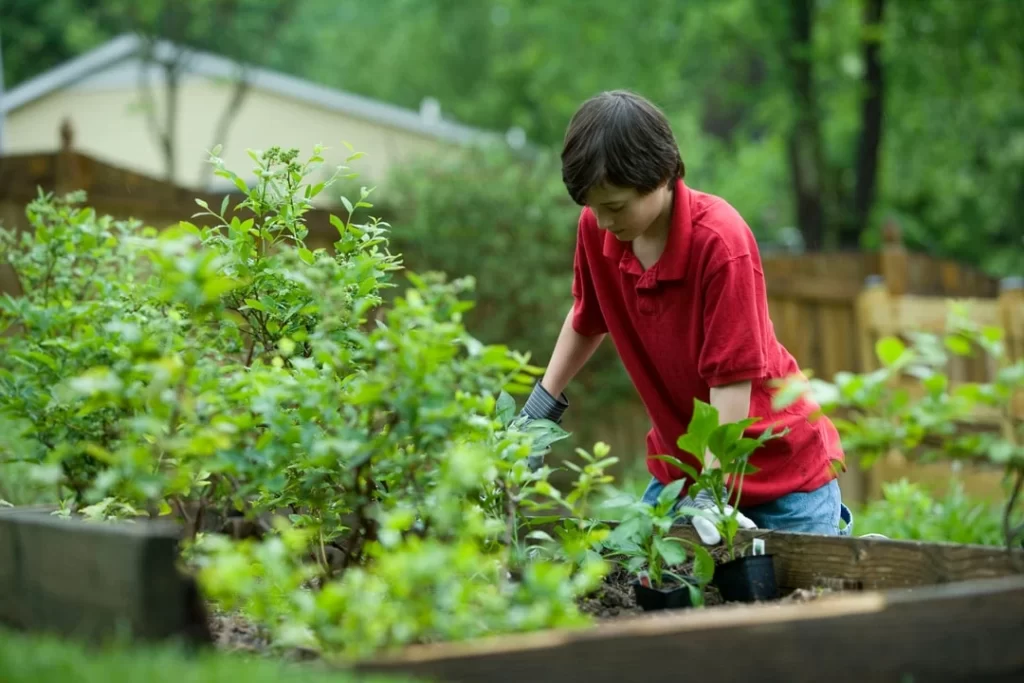
Vegetables and Herbs Suitable for Beginners
Certain vegetables and herbs are particularly suited for first-time organic gardeners because they are easy to grow and require minimal space.
1. Leafy Greens
Examples: Lettuce, spinach, arugula, kale
Growth Time: 25–45 days
Tips:
- Use shallow, wide containers for optimal growth.
- Harvest outer leaves regularly using cut-and-come-again method.
- Ensure adequate sunlight or supplement with grow lights.
2. Root Vegetables
Examples: Radishes, baby carrots, beets
Growth Time: 30–50 days
Tips:
- Use containers at least 8–12 inches deep.
- Thin seedlings to avoid overcrowding.
- Maintain consistent moisture for healthy root development.
3. Herbs
Examples: Basil, cilantro, parsley, mint, dill, chives
Growth Time: 20–40 days
Tips:
- Small pots or vertical pockets work well.
- Trim regularly to encourage bushy growth.
- Perfect for plant-based cooking, garnishes, and salads.
4. Edible Flowers
Examples: Nasturtium, marigold, pansy, calendula
Growth Time: 40–60 days
Tips:
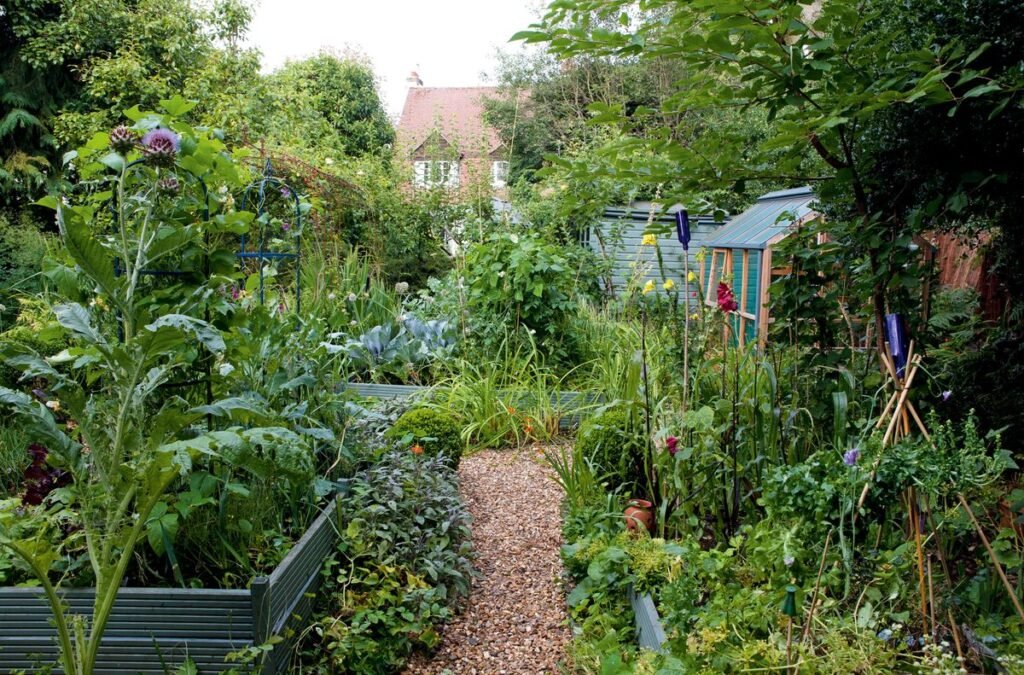
- Ideal for small to medium containers.
- Remove spent flowers to encourage continuous blooming.
- Add color and flavor to salads, teas, and desserts.
Organic Gardening Techniques
1. Companion Planting
- Plant compatible vegetables and herbs together to improve growth and deter pests.
- Example: Basil with tomatoes, or lettuce with radishes.
2. Crop Rotation
- Rotate plants in containers or garden beds to maintain soil fertility and reduce disease risk.
3. Mulching
- Use organic mulch such as straw, leaves, or coconut husk to retain moisture, suppress weeds, and maintain soil temperature.
4. Pest Management
- Use natural pest deterrents like neem oil, garlic spray, or insecticidal soap.
- Encourage beneficial insects such as ladybugs or predatory mites to control pests.
5. Composting
- Create a small compost bin for kitchen scraps to provide nutrient-rich soil for your garden.
- Avoid meat or dairy scraps to maintain a fully plant-based, organic system.
Step-by-Step Guide to Starting Your Organic Garden
- Select Location: Choose a sunny spot with good airflow.
- Choose Containers: Ensure proper drainage and appropriate size for your plants.
- Prepare Soil: Mix organic compost, cocopeat, and potting mix.
- Plant Seeds or Seedlings: Follow spacing and depth guidelines.
- Watering: Maintain consistent soil moisture.
- Fertilize: Apply organic plant-based fertilizers every 2–3 weeks.
- Maintenance: Prune, harvest, and remove diseased leaves regularly.
- Pest Control: Monitor for pests and use organic methods to manage infestations.
Harvesting Tips
- Leafy Greens: Use cut-and-come-again method to prolong yield.
- Root Vegetables: Harvest when roots reach the desired size; leaves can also be consumed.
- Herbs: Snip leaves regularly, avoiding removal of more than one-third of the plant.
- Edible Flowers: Pick blossoms in the morning for maximum freshness and flavor.
Challenges and Solutions
| Challenge | Cause | Solution |
|---|---|---|
| Leggy plants | Insufficient sunlight | Move plants to sunnier location or use grow lights |
| Yellowing leaves | Nutrient deficiency or overwatering | Apply organic fertilizer and adjust watering |
| Slow growth | Overcrowding or poor soil | Thin seedlings and enrich soil with compost |
| Pest infestation | Aphids or mites | Use neem oil, soapy water, or introduce beneficial insects |
| Root rot | Overwatering or poor drainage | Ensure containers have drainage holes and avoid waterlogging |
Sustainability Practices for Organic Home Gardens
- Plant-Based Fertilizers: Avoid chemical fertilizers and use compost, plant teas, or seaweed extracts.
- Water Conservation: Collect rainwater or reuse kitchen water for irrigation.
- Recycling Containers: Upcycle jars, buckets, or crates as plant containers.
- Zero-Waste Gardening: Grow vegetables at home to reduce packaging waste and transportation emissions.
Benefits of Starting an Organic Garden at Home
- Fresh, Nutrient-Rich Produce: Access to healthy, chemical-free vegetables and herbs.
- Eco-Friendly Lifestyle: Reduces reliance on packaged, store-bought produce.
- Therapeutic and Educational: Gardening improves mental health and teaches sustainable practices.
- Culinary Advantages: Provides a continuous supply of ingredients for plant-based cooking.
- Home Aesthetics: Vibrant greenery and colorful plants enhance indoor or balcony spaces.
Conclusion
Starting your first organic garden at home is a practical and rewarding way to embrace sustainable living and enjoy fresh, nutritious vegetables, herbs, and edible flowers. With careful planning, the right containers, organic soil, and plant-based fertilizers, even small spaces can produce abundant yields. Techniques such as companion planting, crop rotation, and mulching enhance growth while maintaining soil health.
An organic home garden not only provides a continuous supply of chemical-free ingredients for plant-based meals but also enriches your living space, improves mental well-being, and fosters eco-friendly habits. By taking small steps and maintaining regular care, anyone can transform their home into a green, thriving oasis of organic produce.