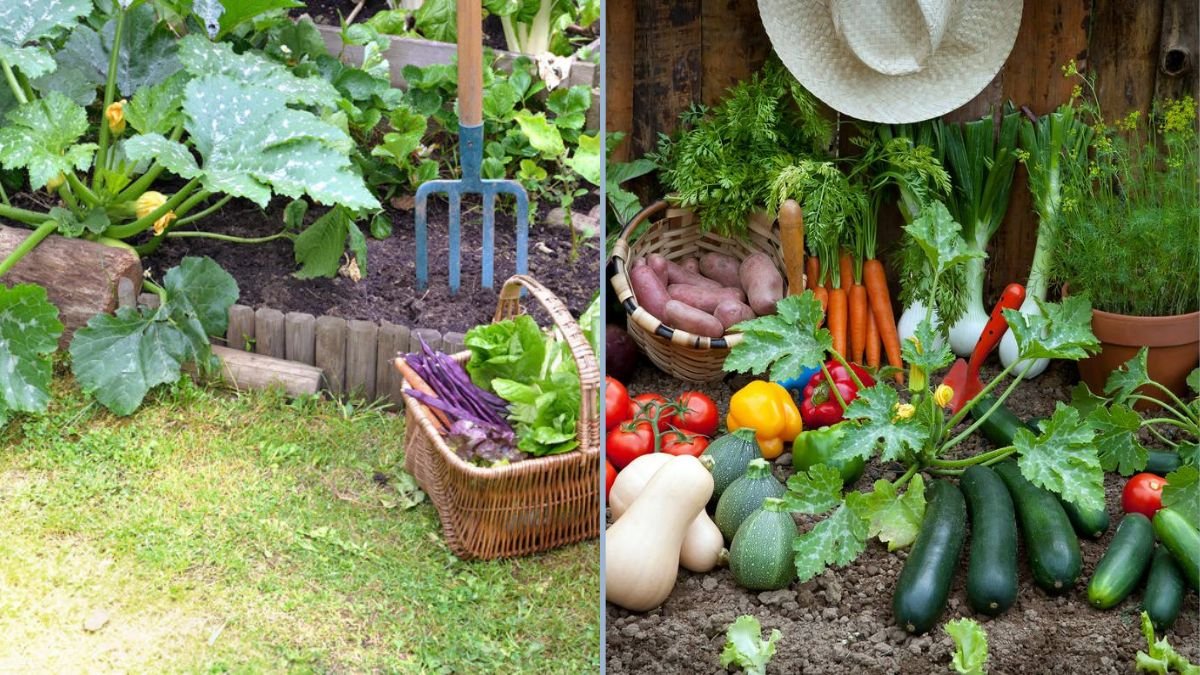
Growing vegetables at home from seed to harvest is a fulfilling and practical way to enjoy fresh, nutritious, and plant-based produce. Urban living, limited outdoor space, and concerns over chemical residues in store-bought vegetables have inspired many to start their own home gardens. With proper planning, care, and the right selection of easy-to-grow vegetables, anyone can enjoy the satisfaction of nurturing plants from seeds to fully grown harvests. This article provides comprehensive guidance for growing easy, low-maintenance vegetables entirely using plant-based methods, suitable for small gardens, balconies, or indoor setups.
Why Grow Vegetables from Seed?
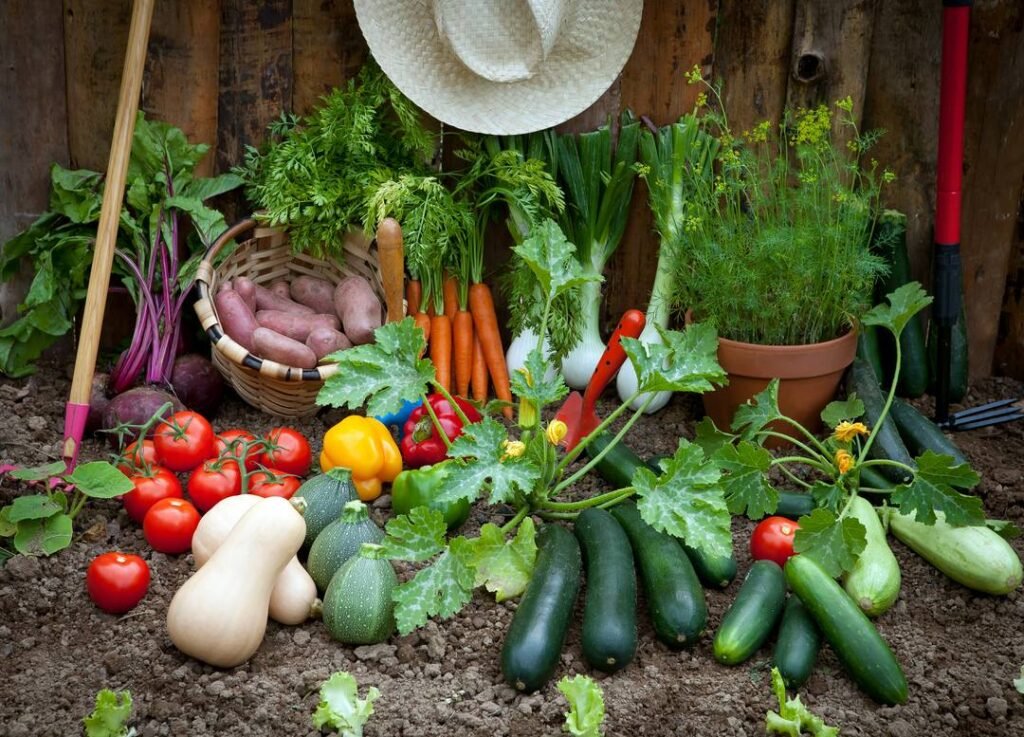
Growing vegetables from seed offers multiple advantages:
- Cost-Effective: Seeds are inexpensive and can produce a high yield over time.
- Control Over Growth Conditions: You can ensure chemical-free, organic practices.
- Variety: Seed selection allows growing heirloom and specialty vegetable varieties.
- Sustainability: Reduces reliance on packaged vegetables and transportation emissions.
- Educational and Therapeutic: Watching plants grow from seeds teaches patience and provides mental relaxation.
Starting from seeds also provides the flexibility to experiment with different vegetables, planting schedules, and container types, making gardening accessible for beginners and urban dwellers alike.
Essential Elements for Seed-to-Harvest Gardening
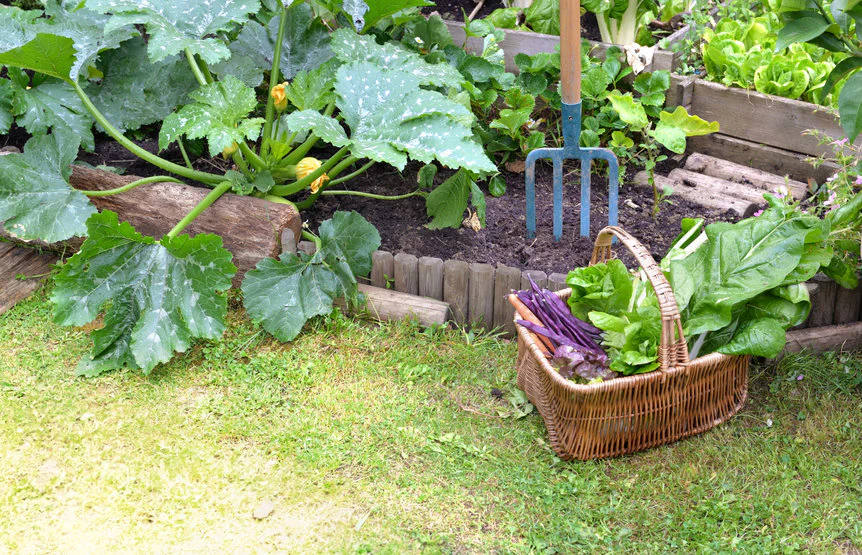
Successful seed-to-harvest vegetable gardening relies on proper containers, soil, light, water, and nutrients.
1. Containers
- Use pots or planters with proper drainage holes to avoid waterlogging.
- Terracotta, plastic, or ceramic containers work well, as do repurposed jars, crates, or trays.
- Select container depth based on the vegetable: shallow containers for leafy greens, deeper ones for root crops.
2. Soil
- A lightweight, well-draining potting mix is ideal.
- Incorporate organic compost, cocopeat, or vermicompost for fertility.
- Avoid garden soil, which may compact and hinder root development.
3. Light
- Most vegetables require 4–6 hours of direct sunlight daily.
- South-facing windows, balconies, or terraces are ideal.
- For limited sunlight areas, supplement with LED or fluorescent grow lights.
4. Watering
- Maintain consistent soil moisture without overwatering.
- Use drip irrigation, watering cans, or self-watering planters for efficiency.
- Indoor air can dry soil quickly, so check moisture levels regularly.
5. Fertilization
- Use organic, plant-based fertilizers every 2–3 weeks.
- Compost tea, liquid seaweed extract, or organic manure can enrich soil naturally.
Easy Vegetables to Grow from Seed
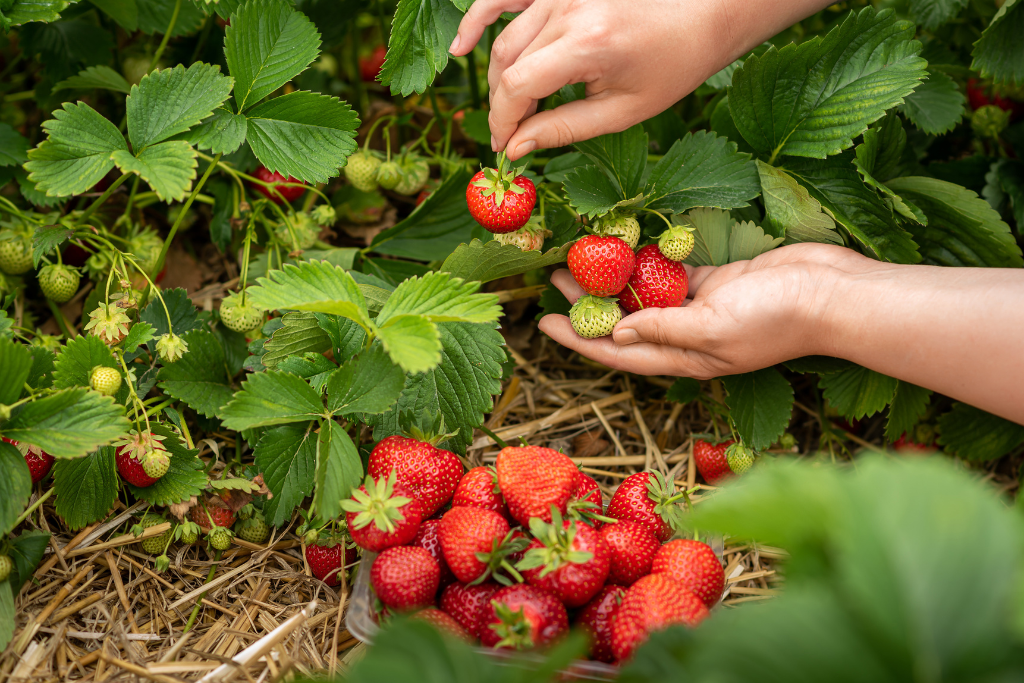
Certain vegetables are particularly well-suited for beginners because they germinate quickly, grow in containers, and are forgiving of minor mistakes.
1. Leafy Greens
Examples: Lettuce, spinach, arugula, kale
Growth Time: 25–45 days
Tips:
- Shallow, wide containers provide ample space for leaves.
- Use the cut-and-come-again method to harvest outer leaves continuously.
- Ensure adequate sunlight or supplement with grow lights for consistent growth.
2. Root Vegetables
Examples: Radishes, baby carrots, beets
Growth Time: 30–50 days
Tips:
- Use containers at least 8–12 inches deep for proper root development.
- Thin seedlings to prevent overcrowding.
- Maintain consistent moisture to ensure smooth and healthy roots.
3. Fast-Growing Herbs
Examples: Basil, cilantro, parsley, mint, dill, chives
Growth Time: 20–40 days
Tips:
- Ideal for small pots, window boxes, or vertical planters.
- Regular trimming encourages bushy growth.
- Perfect for salads, sauces, and garnishes in plant-based cooking.
4. Compact Fruiting Vegetables
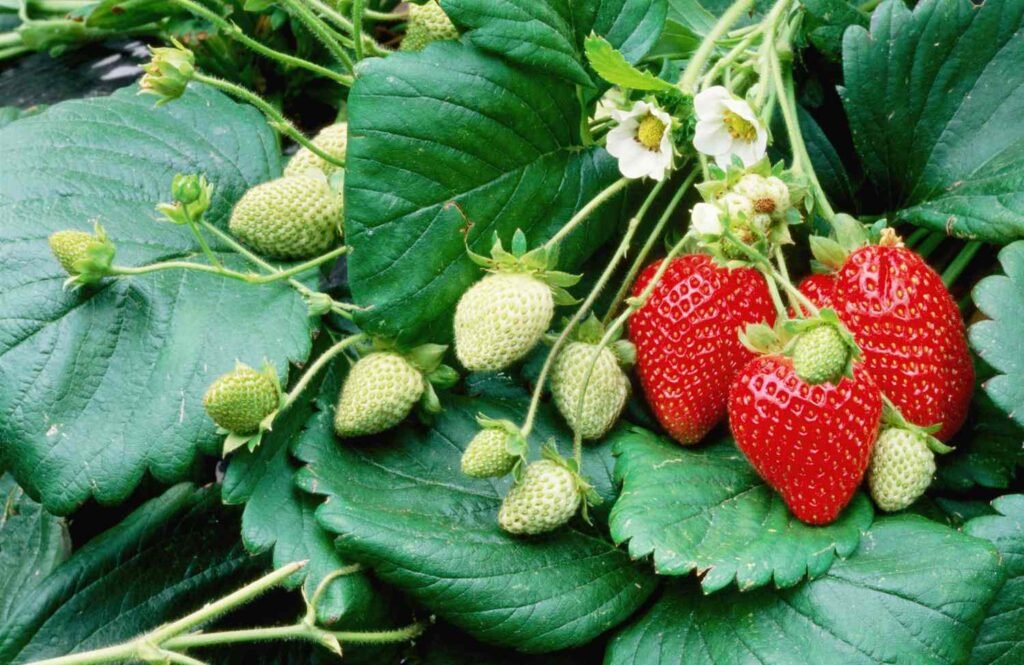
Examples: Cherry tomatoes, dwarf peppers, baby zucchini
Growth Time: 35–60 days
Tips:
- Use medium-sized containers or vertical supports.
- Provide 6–8 hours of sunlight daily for optimal fruit production.
- Fertilize regularly with plant-based nutrients to encourage fruiting.
Step-by-Step Seed-to-Harvest Process
Step 1: Seed Selection
- Choose certified organic or non-GMO seeds.
- Consider vegetables suited for your climate and available space.
Step 2: Seed Sowing
- Sow seeds at the depth recommended on the packet.
- Use lightweight soil to allow roots to penetrate easily.
- Label containers to avoid confusion between vegetables.
Step 3: Germination
- Maintain warmth, moisture, and indirect sunlight for seedlings.
- Cover seeds with a light layer of soil or damp paper if required.
- Mist lightly to keep soil moist but not soggy.
Step 4: Transplanting Seedlings
- Once seedlings develop 2–3 true leaves, transplant them into larger containers or the final growing space.
- Handle seedlings carefully to avoid root damage.
- Ensure proper spacing to avoid overcrowding.
Step 5: Growth and Maintenance
- Water consistently and monitor for moisture levels.
- Fertilize with plant-based organic solutions biweekly.
- Prune and trim as necessary to encourage healthy growth.
- Remove yellow or damaged leaves promptly.
Step 6: Pest Management
- Use organic methods like neem oil, soapy water, or beneficial insects.
- Encourage natural predators such as ladybugs for aphid control.
- Regularly inspect plants for early signs of pests or disease.
Harvesting Tips
- Leafy Greens: Harvest outer leaves continuously; inner leaves keep growing.
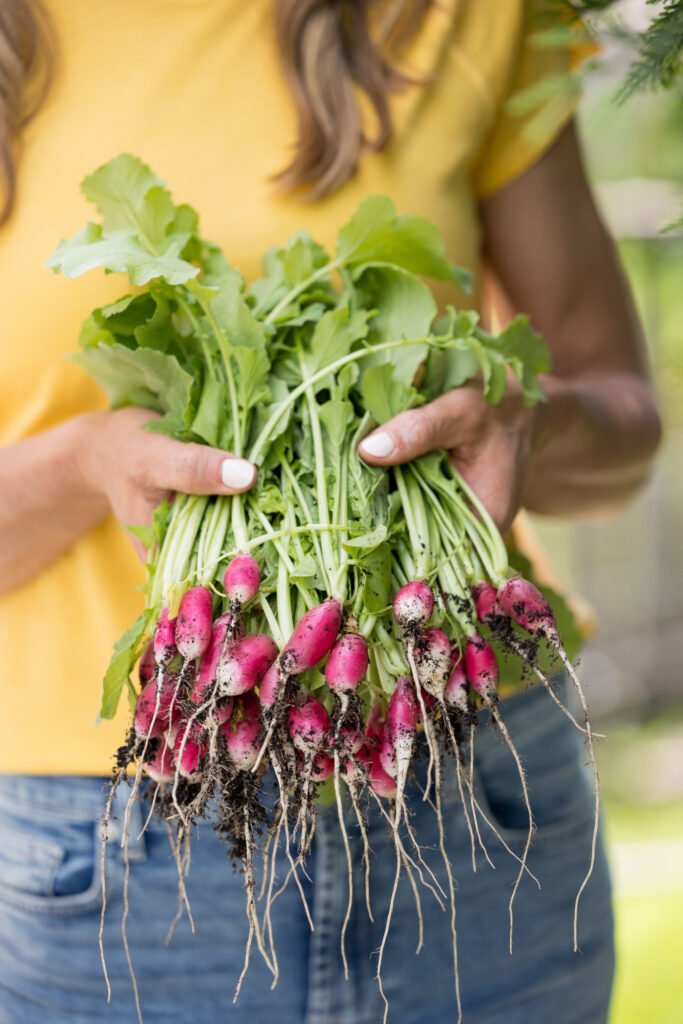
- Root Vegetables: Harvest when roots reach desired size; leaves can also be consumed.
- Herbs: Snip leaves regularly but avoid removing more than one-third of the plant.
- Fruiting Vegetables: Pick fruits promptly to encourage continuous flowering and fruiting.
Regular harvesting improves plant productivity and ensures a steady supply of fresh vegetables.
Common Challenges and Solutions
| Challenge | Cause | Solution |
|---|---|---|
| Slow germination | Cold temperatures or poor seed quality | Maintain warmth and use fresh, certified seeds |
| Leggy seedlings | Insufficient light | Move seedlings to brighter location or use grow lights |
| Mold on soil | Overwatering | Improve airflow and reduce watering frequency |
| Pest infestation | Aphids or mites | Use neem oil, soapy water, or manual removal |
| Overcrowding | Planting too densely | Thin seedlings for proper growth |
Sustainability Practices for Seed-to-Harvest Gardening
- Plant-Based Fertilizers: Compost, liquid plant extracts, or seaweed extracts maintain healthy soil.
- Water Conservation: Collect rainwater or reuse kitchen water for irrigation.
- Upcycling: Use jars, crates, and trays as containers.
- Reduce Packaging Waste: Growing vegetables at home reduces reliance on store-bought, packaged produce.
Benefits of Growing Vegetables from Seed to Harvest
- Fresh, Nutritious Produce: Continuous supply of chemical-free vegetables and herbs.
- Eco-Friendly: Reduces packaging, transportation, and carbon footprint.
- Educational and Therapeutic: Teaches sustainable practices and reduces stress.
- Cost Savings: Seeds are inexpensive compared to buying fresh vegetables regularly.
- Culinary Variety: Experiment with different vegetable varieties to enhance plant-based meals.
Conclusion
Growing easy seed-to-harvest vegetables at home is a rewarding and practical way to enjoy fresh, nutritious, and plant-based produce year-round. By choosing beginner-friendly vegetables, providing proper containers, sunlight, soil, and plant-based fertilizers, even small spaces can yield abundant crops. Techniques such as trimming, pest management, and consistent watering ensure healthy growth and maximum productivity.
Starting a seed-to-harvest vegetable garden not only supplies daily ingredients for plant-based cooking but also encourages sustainable living, reduces stress, and fosters a strong connection with nature. With careful planning, patience, and regular care, anyone can transform their home into a thriving, productive garden full of fresh, vibrant vegetables.