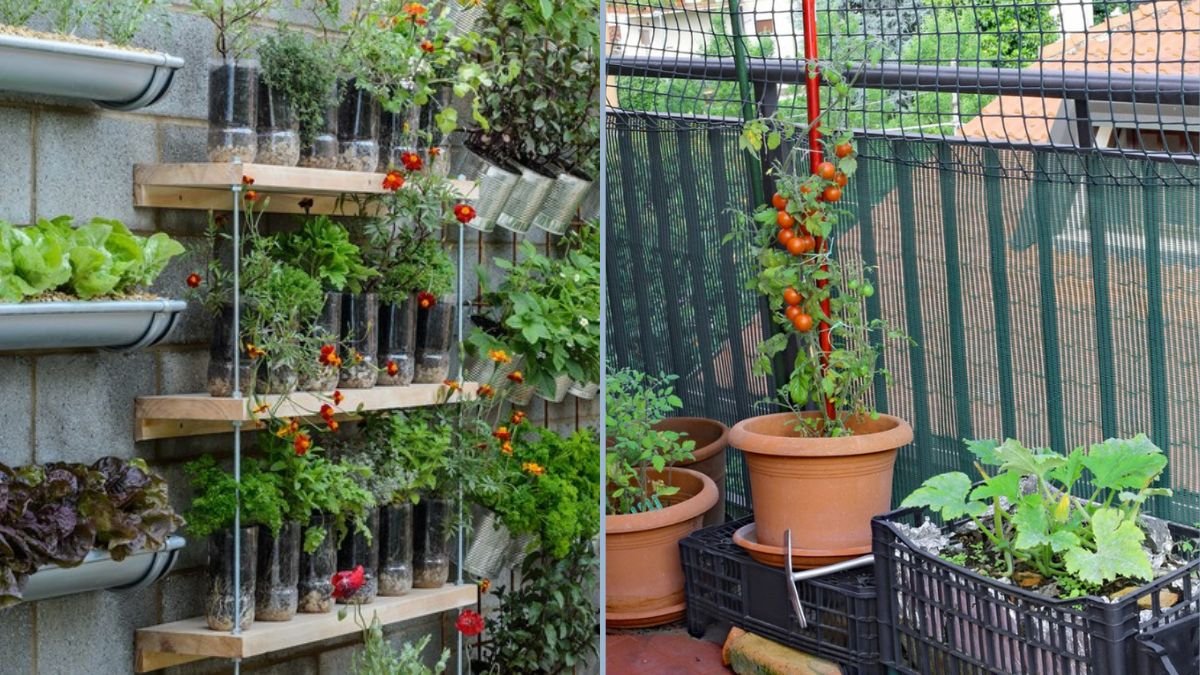
Urban living often limits outdoor space, making traditional gardening a challenge. However, balcony planters offer a practical solution for growing fresh vegetables in small spaces. Balcony gardening allows city dwellers to cultivate their own plant-based produce while optimizing space, enhancing aesthetics, and promoting sustainability. This article explores the principles, benefits, and detailed techniques for creating thriving vegetable planters on balconies, focusing entirely on plant-based methods.
Why Balcony Gardening is Ideal for Vegetables
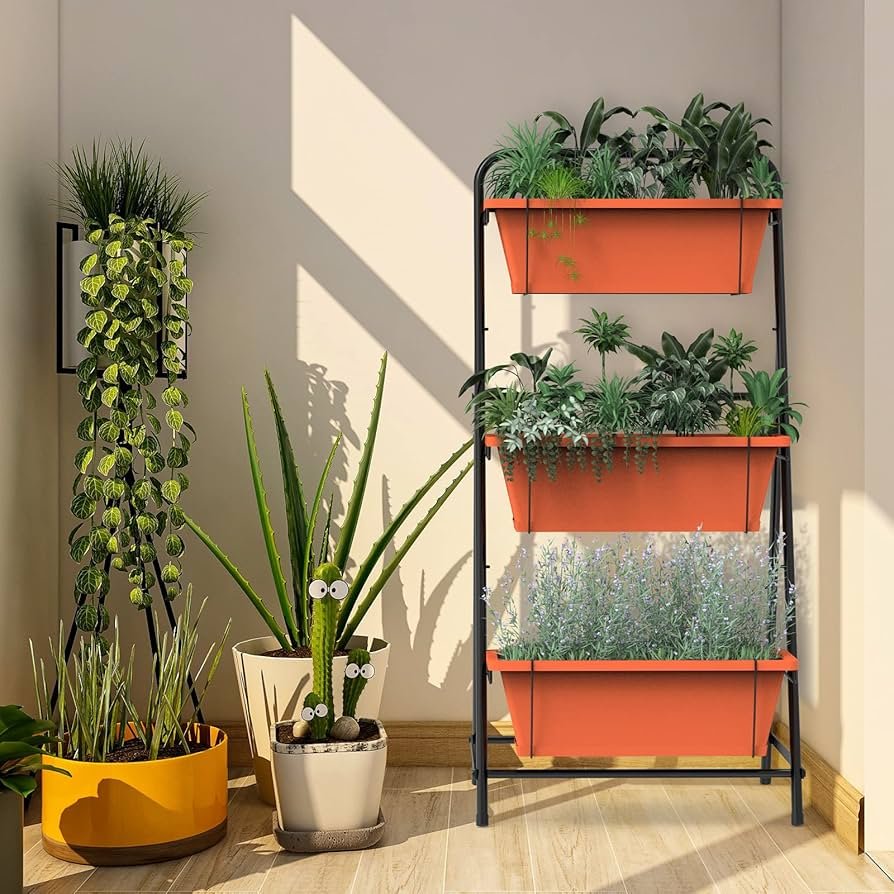
Balcony gardening has become increasingly popular due to its multiple advantages:
- Space Optimization: Makes use of underutilized balcony areas for productive gardening.
- Fresh, Chemical-Free Produce: Ensures access to pesticide-free vegetables for daily meals.
- Convenience: Easy access for watering, harvesting, and maintenance.
- Aesthetic Appeal: Greenery and colorful vegetables improve the visual appeal of small spaces.
- Sustainability: Reduces dependence on store-bought vegetables, lowering packaging and transportation impacts.
- Mental Well-Being: Gardening fosters mindfulness, reduces stress, and promotes a connection with nature.
Balcony gardening is versatile, allowing cultivation of leafy greens, root vegetables, climbing plants, and herbs, depending on the planter type and balcony conditions.
Essential Elements for Balcony Vegetable Planters
Successful vegetable cultivation on balconies depends on proper planning, including light, soil, containers, water, and nutrition.
1. Light Requirements
- Most vegetables require 4–6 hours of direct sunlight daily.
- South or west-facing balconies are ideal, but supplemental LED grow lights can help in low-light conditions.
- Ensure plants receive adequate light to avoid leggy growth and reduced yield.
2. Container Selection
- Choose containers with proper drainage holes to prevent waterlogging.
- Materials include plastic, terracotta, ceramic, or upcycled containers.
- Container size depends on the vegetable:
- Leafy greens: 6–8 inch deep pots
- Root vegetables: 8–12 inch deep containers
- Climbing plants: 12–18 inch deep containers with trellis support
3. Soil and Substrate
- Use a well-draining potting mix enriched with organic compost or plant-based fertilizers.
- Avoid garden soil as it may compact and hinder root growth.
- Layer the bottom of deep planters with small stones or sand for drainage.
4. Watering
- Keep the soil consistently moist but not waterlogged.
- Use drip irrigation, watering cans, or self-watering planters for efficiency.
- Indoor balcony air can dry out soil faster; monitor moisture frequently.
5. Fertilization
- Apply organic, plant-based fertilizers every 2–3 weeks.
- Options include compost tea, seaweed extract, or liquid plant fertilizers.
- Fertilization promotes faster growth and healthier vegetable yields.
Vegetables Suitable for Balcony Planters
1. Leafy Greens
Examples: Lettuce, spinach, kale, arugula
Growth Time: 25–45 days
Tips:
- Shallow, wide containers are ideal.
- Harvest outer leaves using cut-and-come-again method for continuous yield.
- Provide adequate light for vibrant, tender leaves.
2. Root Vegetables
Examples: Radishes, baby carrots, beets
Growth Time: 30–50 days
Tips:
- Use containers at least 8–12 inches deep.
- Thin seedlings to prevent overcrowding.
- Maintain consistent moisture for smooth root development.
3. Climbing Vegetables
Examples: Cherry tomatoes, beans, peas, cucumbers
Growth Time: 40–70 days depending on species
Tips:
- Provide trellis, stakes, or netting for support.
- Ensure adequate sunlight (6–8 hours daily).
- Prune regularly to encourage airflow and prevent disease.
4. Herbs for Culinary Use
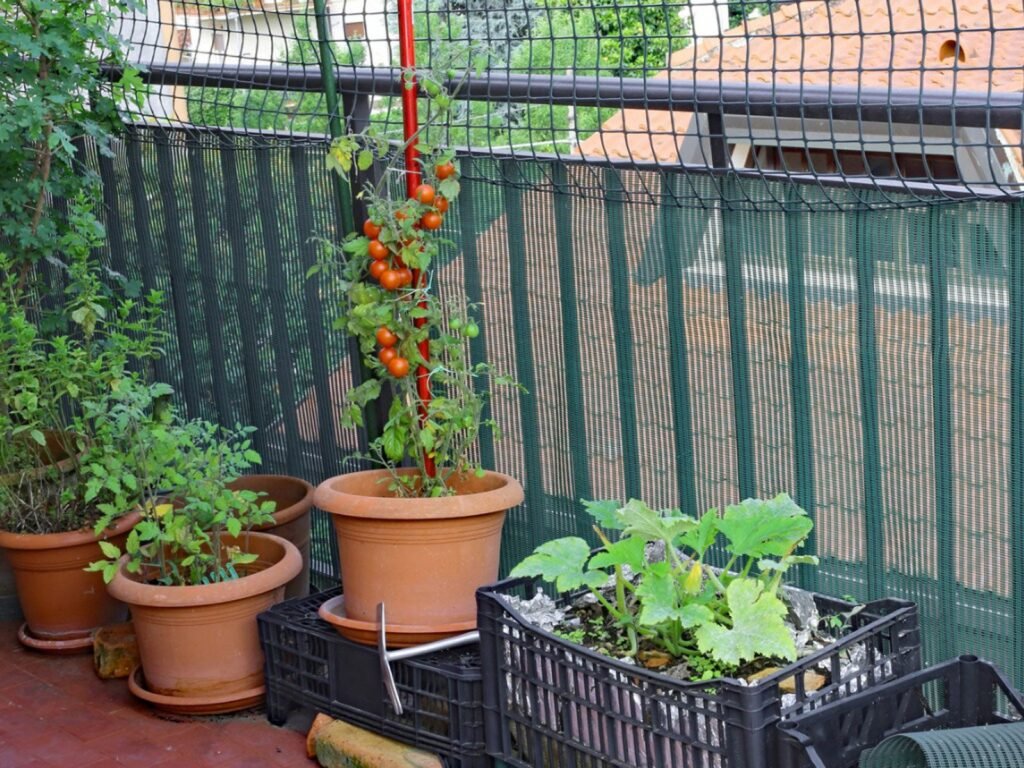
Examples: Basil, cilantro, parsley, mint, dill
Growth Time: 20–40 days
Tips:
- Small pots or container sections work well for herbs.
- Trim regularly to promote bushy growth.
- Perfect for salads, sauces, and plant-based cooking.
5. Compact or Dwarf Vegetables
Examples: Dwarf peppers, cherry tomatoes, baby zucchini
Growth Time: 35–60 days
Tips:
- Ideal for small balcony containers.
- Support plants with small stakes or cages.
- Fertilize regularly to encourage fruiting.
Creative Balcony Planter Hacks
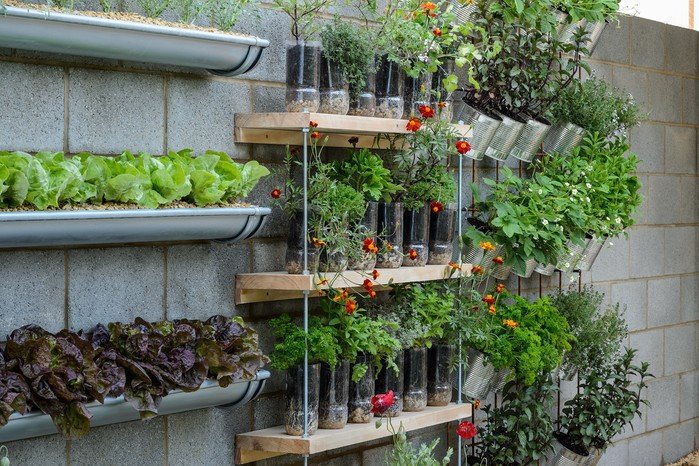
- Vertical Gardening
- Use wall-mounted pockets, hanging baskets, or stacked pots.
- Ideal for herbs, microgreens, or small leafy vegetables.
- Rail Planters
- Attach planter boxes to balcony rails for maximum sunlight exposure.
- Perfect for herbs, cherry tomatoes, and small greens.
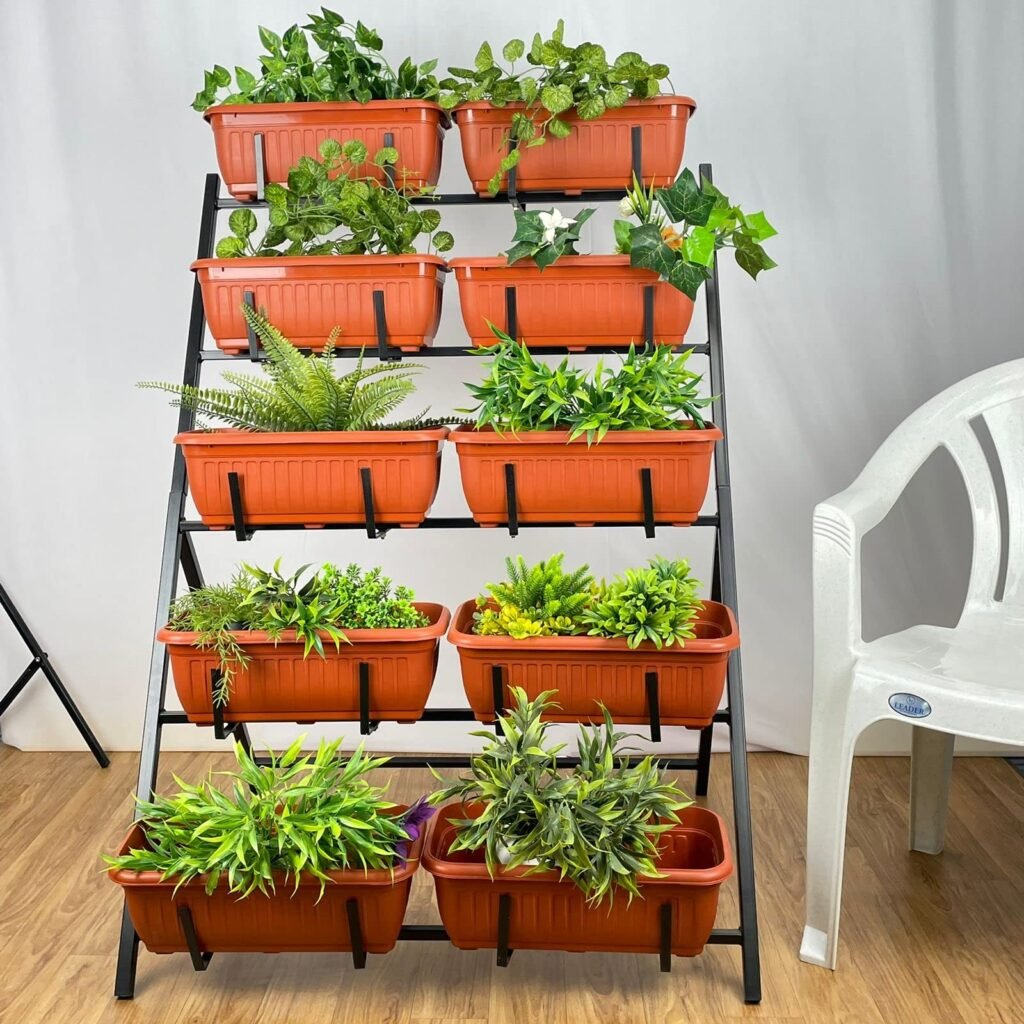
- Tiered Shelves
- Use multi-level shelves to grow multiple plants in compact spaces.
- Place leafy greens at the top and root vegetables at the bottom for accessibility.
- Hanging Containers
- Suspend pots from hooks or ceilings for trailing vegetables and herbs.
- Saves floor space while enhancing visual appeal.
- Window Boxes
- Fit narrow planters along balcony edges for compact vegetables and herbs.
- Ideal for leafy greens and dwarf vegetables.
- Upcycled Containers
- Repurpose jars, bottles, buckets, and crates for vegetables.
- Layer stones and soil for drainage and nutrient-rich growth.
Planting and Maintenance Tips
Planting
- Sow seeds or transplant seedlings according to depth and spacing requirements.
- Use lightweight potting mix to avoid heavy loads on balcony structures.
- Label containers to keep track of species.
Maintenance
- Rotate containers to ensure even sunlight exposure.
- Prune plants regularly to promote growth and airflow.
- Remove yellow leaves or diseased parts immediately.
- Fertilize biweekly with plant-based organic fertilizers.
Watering Techniques
- Water gently to avoid displacing soil.
- Use drip trays or saucers under containers to prevent water spills.
- Monitor soil moisture daily during hot weather for optimal plant health.
Harvesting Tips
- Leafy Greens: Cut outer leaves first; inner leaves continue growing.
- Root Vegetables: Harvest when roots reach desired size. Leaves can also be consumed.
- Climbing Vegetables: Pick fruits regularly to encourage more flowering and fruiting.
- Herbs: Snip leaves as needed; avoid removing more than one-third of the plant at a time.
Frequent harvesting ensures continuous production and maintains plant health.
Common Challenges and Solutions
| Challenge | Cause | Solution |
|---|---|---|
| Leggy growth | Insufficient sunlight | Move containers to sunnier spot or use grow lights |
| Mold or fungal growth | Overwatering or poor airflow | Reduce watering and improve ventilation |
| Slow growth | Nutrient deficiency | Apply plant-based organic fertilizers |
| Pest infestation | Aphids, mites | Use neem oil, soapy water, or manual removal |
| Overcrowding | Planting too many seedlings per container | Thin plants or transplant to larger containers |
Sustainability Practices for Balcony Gardens
- Plant-Based Fertilizers: Use compost, liquid plant extracts, or seaweed-based fertilizers.
- Water Recycling: Collect rainwater or reuse kitchen water for irrigation.
- Upcycling Containers: Repurpose old jars, crates, and bottles to reduce waste.
- Reduce Packaging Waste: Grow vegetables at home to avoid store-bought plastic packaging.
Benefits of Balcony Vegetable Gardens
- Fresh, Nutritious Produce: Daily access to leafy greens, herbs, and vegetables.
- Aesthetic Appeal: Greenery enhances balcony and home interiors.
- Eco-Friendly Living: Reduces transportation, packaging, and chemical use.
- Stress Reduction: Gardening promotes mindfulness and relaxation.
- Educational Value: Teaches plant growth cycles, sustainability, and nutrition.
Conclusion
Balcony planters are an efficient, sustainable, and aesthetically pleasing solution for growing fresh vegetables in small urban spaces. By selecting suitable containers, high-yield vegetables, herbs, and dwarf plants, city dwellers can enjoy year-round, pesticide-free produce. Proper attention to light, soil, watering, and plant-based fertilization ensures healthy growth and continuous harvest.
Creative vertical, rail, tiered, and hanging planter setups maximize space while enhancing the balcony’s visual appeal. Balcony vegetable gardening not only provides fresh, nutritious ingredients for plant-based meals but also fosters eco-friendly living, reduces stress, and turns small outdoor spaces into productive green havens.