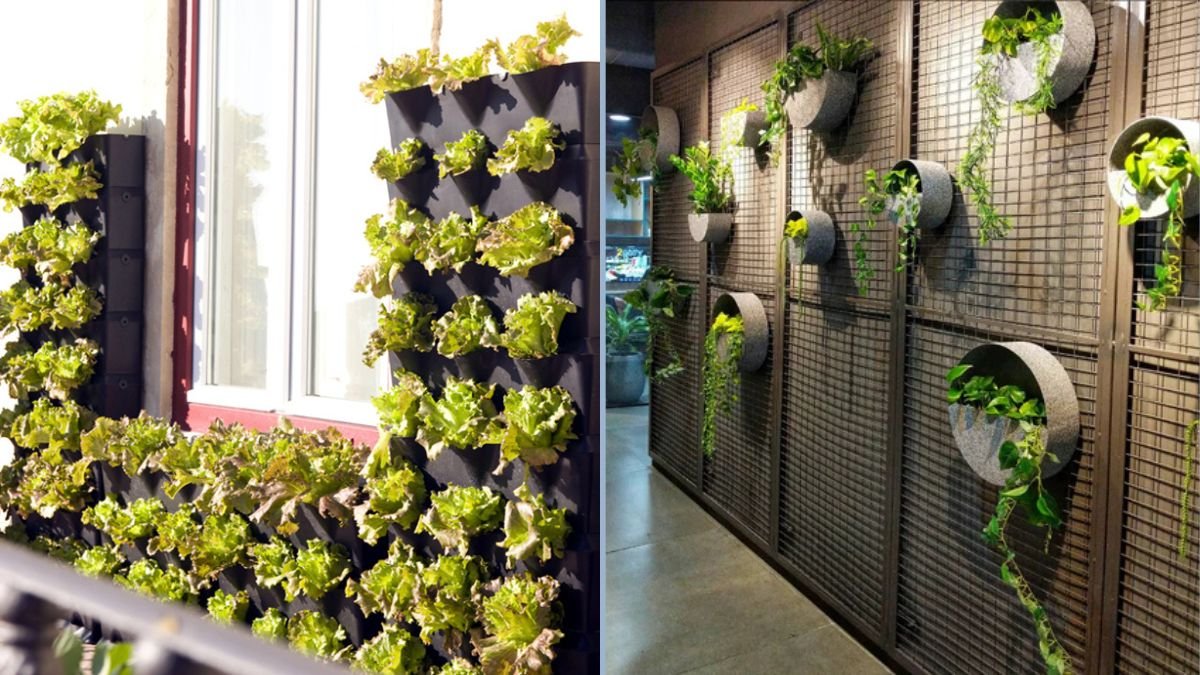
Urban apartments and small homes often face one common problem: lack of space. For culinary enthusiasts and plant lovers, this can be a major barrier to growing fresh ingredients at home. Vertical gardening offers a brilliant solution, especially for small kitchens. By utilizing vertical space, you can cultivate herbs, microgreens, leafy vegetables, and even edible flowers without compromising countertop or floor space. This article provides detailed tips, strategies, and hacks for creating efficient and productive vertical gardens tailored to small kitchens, focusing entirely on plant-based methods.
Why Vertical Gardens Are Perfect for Small Kitchens
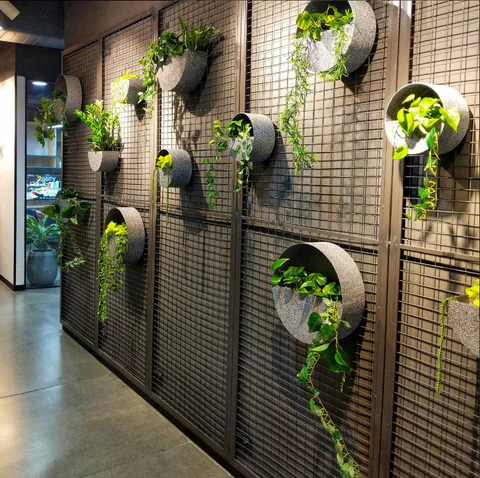
Vertical gardens are particularly suited to compact living spaces because they:
- Maximize Limited Space: Utilize walls, shelves, and hanging structures, leaving countertops free.
- Provide Fresh Ingredients: Grow herbs and leafy greens for daily cooking.
- Enhance Aesthetics: Green walls and hanging plants add color, texture, and life to kitchen interiors.
- Promote Sustainability: Reduce dependence on store-bought herbs and vegetables, minimizing packaging and transport emissions.
- Encourage Wellness: Gardening indoors improves air quality, reduces stress, and enhances mental well-being.
With minimal investment and creativity, even the smallest kitchen can host a thriving vertical garden.
Essential Elements for a Kitchen Vertical Garden
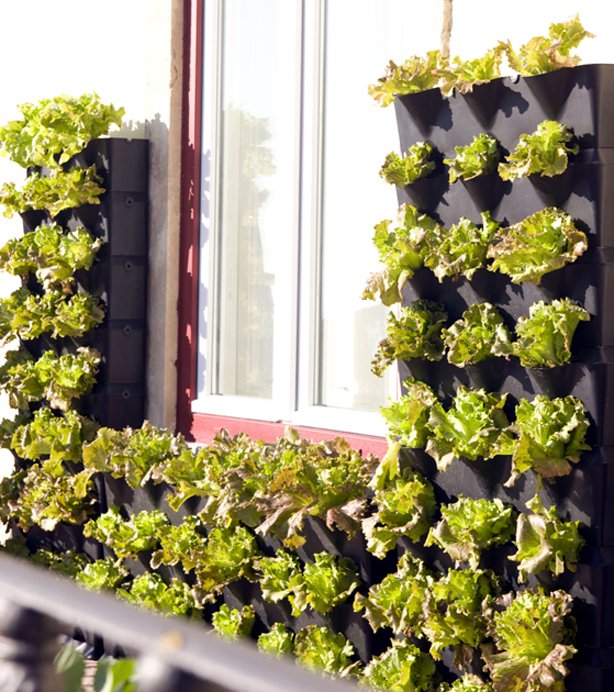
Before setting up a vertical garden, understanding the basic requirements is crucial:
1. Light
- Most edible plants require 4–6 hours of bright, indirect sunlight.
- A south-facing window is ideal; for kitchens without adequate sunlight, LED or fluorescent grow lights are highly effective.
- Consider adjustable grow lights that can cover multiple shelves.
2. Containers
- Use lightweight, shallow containers or pots with drainage holes.
- Hanging planters, wall-mounted pockets, and stacked trays are ideal for vertical setups.
- Mason jars, recycled bottles, or small buckets can be repurposed creatively.
3. Soil
- Choose a light, well-draining potting mix enriched with organic compost.
- Avoid outdoor garden soil; it is often too dense for indoor containers.
- For hydroponic setups, use cocopeat, vermiculite, or other soil-less substrates.
4. Watering
- Maintain consistent soil moisture without overwatering.
- Use drip irrigation, self-watering containers, or trays to catch excess water in tight kitchen spaces.
- Mist plants occasionally to increase humidity if indoor air is dry.
5. Fertilization
- Apply plant-based, organic fertilizers such as compost tea, seaweed extract, or liquid plant fertilizers every 2–3 weeks.
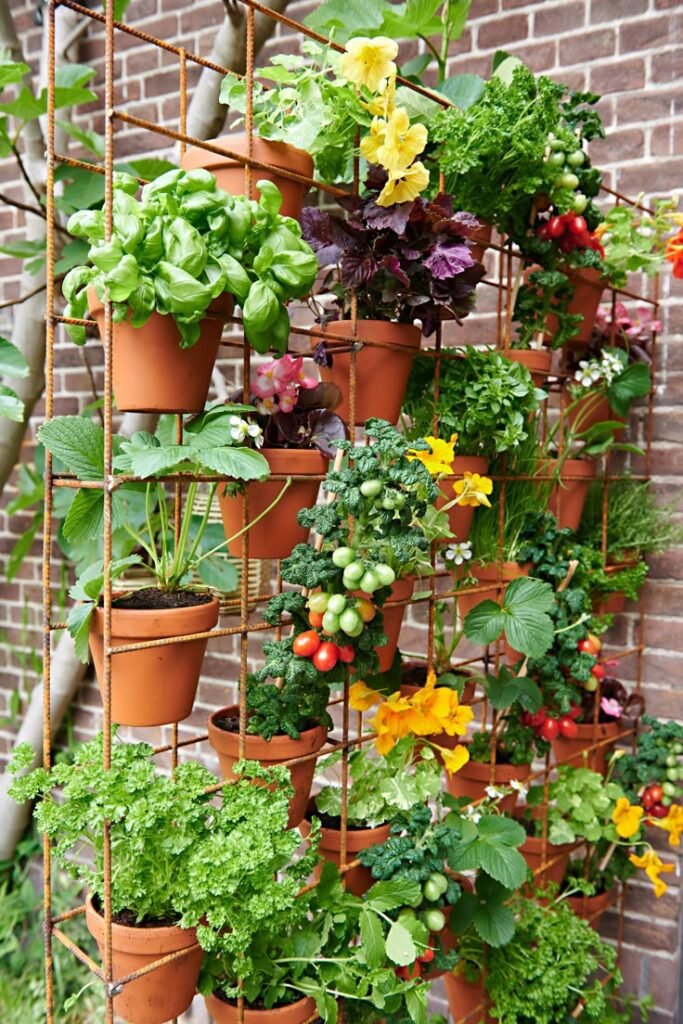
Top Plants for Vertical Kitchen Gardens
Vertical kitchen gardens thrive on compact, fast-growing plants that adapt well to container life.
1. Culinary Herbs
Examples: Basil, cilantro, parsley, mint, dill, chives
Growth Time: 20–40 days for first harvest
Tips:
- Use small pots or vertical pocket planters.
- Harvest leaves regularly to encourage bushy growth.
- Ideal for sauces, salads, garnishes, and plant-based cooking.
2. Leafy Greens
Examples: Lettuce, spinach, arugula, baby kale
Growth Time: 25–40 days
Tips:
- Wide, shallow containers work best.
- Cut-and-come-again harvesting allows continuous supply.
- Position at the brightest part of the vertical structure for even growth.
3. Microgreens
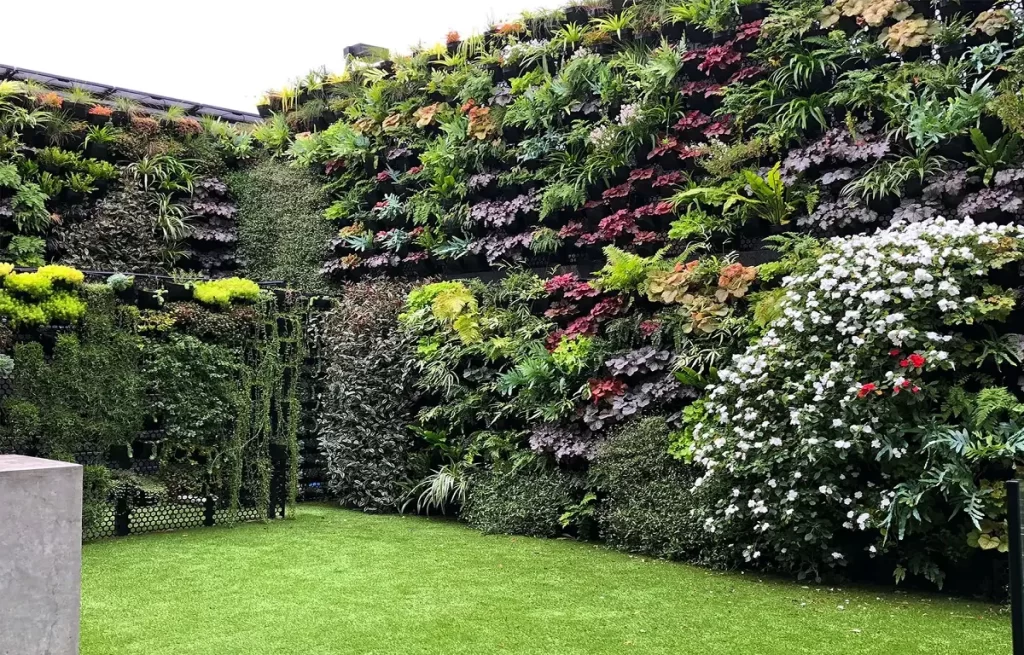
Examples: Radish, beet, mustard, broccoli sprouts
Growth Time: 7–14 days
Tips:
- Ideal for shallow trays and stacked shelves.
- Provide consistent moisture and indirect light.
- Harvest just above the soil once first true leaves appear.
4. Edible Flowers
Examples: Nasturtium, marigold, pansy, calendula
Growth Time: 40–60 days
Tips:
- Use taller vertical pockets or hanging planters.
- Remove spent flowers to encourage continuous blooming.
- Enhance salads and plant-based dishes with color and flavor.
Creative Vertical Garden Hacks for Small Kitchens
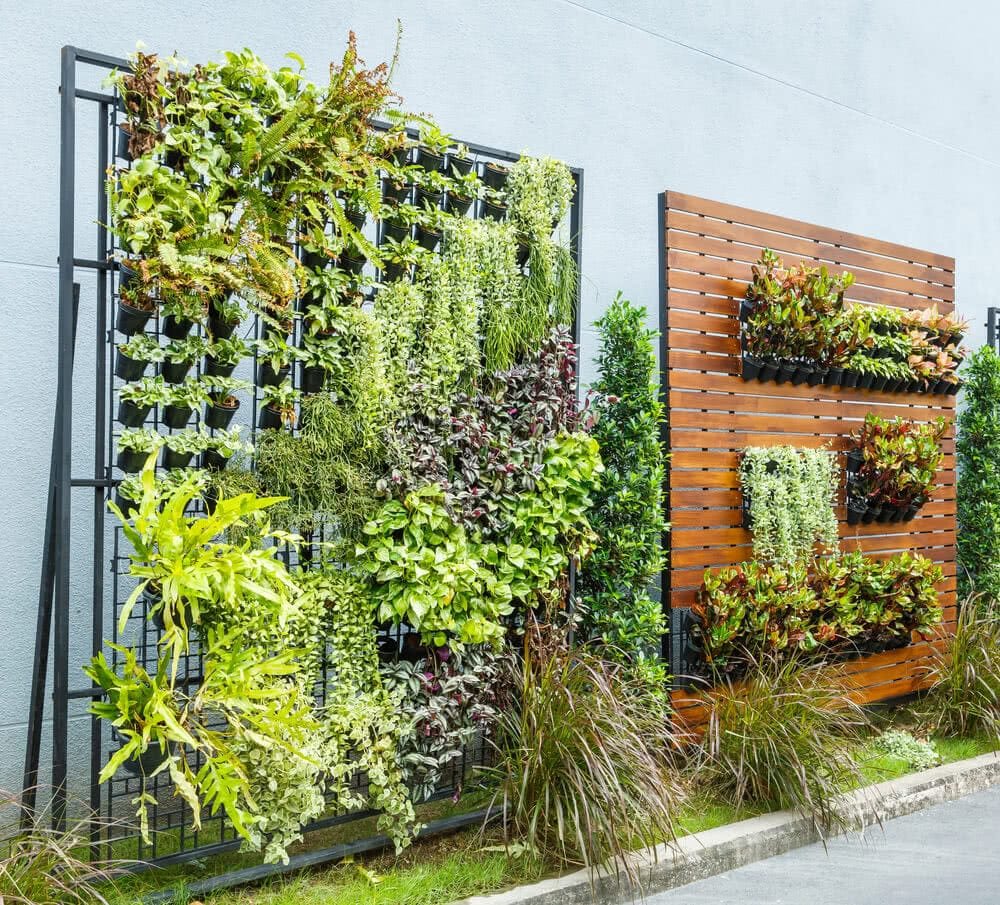
- Wall-Mounted Pocket Planters
- Fabric or felt pockets attached to kitchen walls can hold multiple herbs and small greens.
- Ensure pockets are lined or have trays to catch excess water.
- Tiered Shelf Systems
- Multi-level shelves near windows maximize vertical space.
- Use small pots or trays on each tier for microgreens, herbs, and leafy greens.
- Hanging Jars or Bottles
- Repurpose glass jars, bottles, or tin cans as hanging planters.
- Attach to walls with hooks, ropes, or magnetic holders.
- Magnetic Strip Gardening
- Attach small metal pots to magnetic strips for herbs and microgreens.
- Great for kitchens with metal backsplashes or refrigerator sides.
- Overhead Hanging Planters
- Use ceiling hooks to suspend pots above kitchen counters.
- Ideal for trailing herbs such as mint or creeping thyme.
- Hydroponic Vertical Towers
- Soil-less vertical towers can grow multiple herbs and greens efficiently.
- Requires less floor space and allows year-round growth.
Planting and Maintenance Tips
Planting
- Sow seeds or seedlings according to container depth and plant requirements.
- Space plants adequately to allow airflow and root development.
- Lightly firm soil around seeds and water gently.
Maintenance
- Rotate containers periodically for uniform light exposure.
- Trim herbs and leafy greens regularly to encourage new growth.
- Remove yellowing leaves or flowers to maintain plant health.
- Fertilize with organic, plant-based nutrients biweekly.
Watering Techniques
- Use drip irrigation or small watering cans to prevent spills.
- Check soil moisture before watering to avoid overwatering.
- Closed or semi-closed vertical pockets retain humidity, reducing watering frequency.
Harvesting Tips
- Herbs: Harvest outer leaves regularly; avoid removing more than one-third at a time.
- Leafy Greens: Use cut-and-come-again method for continuous yield.
- Microgreens: Harvest when 2–3 inches tall.
- Edible Flowers: Pick blossoms early in the day when fully open for maximum flavor and freshness.
Common Challenges and Solutions
| Challenge | Cause | Solution |
|---|---|---|
| Leggy plants | Insufficient light | Increase sunlight or use grow lights |
| Mold or fungal growth | Poor airflow and excess moisture | Improve ventilation and adjust watering |
| Slow growth | Nutrient deficiency | Apply organic, plant-based fertilizers |
| Overcrowding | Too many plants per container | Thin plants or transplant to larger containers |
| Pest infestation | Aphids or mites | Use neem oil or soapy water spray |
Sustainability Tips for Vertical Kitchen Gardens
- Plant-Based Fertilizers: Compost, seaweed extract, or organic liquid feeds maintain healthy plants.
- Water Conservation: Reuse kitchen water for irrigation where possible.
- Upcycling: Repurpose jars, bottles, and containers as planters.
- Zero Waste Cooking: Grow your own ingredients to reduce dependence on packaged herbs and greens.
Benefits of a Vertical Kitchen Garden
- Fresh Ingredients Daily: Quick access to herbs, leafy greens, and microgreens.
- Enhanced Interior Aesthetics: Green walls and hanging plants brighten kitchen spaces.
- Stress Reduction: Indoor gardening has proven mental health benefits.
- Sustainable Lifestyle: Reduces packaging waste, transportation emissions, and promotes a plant-based diet.
- Educational Value: Teaches plant growth cycles, nutrition, and creative gardening techniques.
Conclusion
Vertical gardens provide a practical, aesthetic, and sustainable solution for growing fresh ingredients in small kitchens. By utilizing walls, shelves, and hanging structures, even compact spaces can yield herbs, leafy greens, microgreens, and edible flowers for daily cooking. Success relies on proper light, suitable containers, well-draining soil, consistent watering, and plant-based fertilization.
With creativity, regular care, and strategic planning, vertical kitchen gardens not only supply fresh, nutritious ingredients but also transform interiors into green, inviting spaces. They encourage eco-friendly living, improve mental well-being, and allow urban dwellers to enjoy the pleasures of gardening without requiring large outdoor areas.