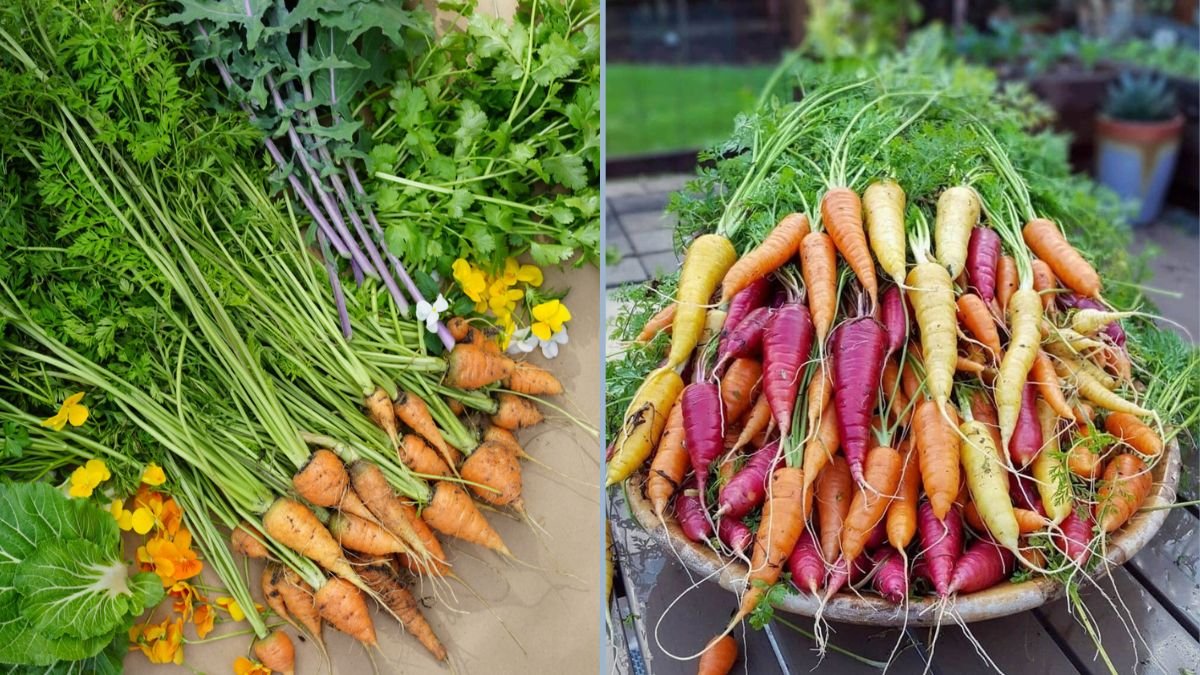
Carrots are a nutritious, versatile, and visually appealing root vegetable that can be successfully grown even in limited spaces. Urban dwellers, apartment gardeners, and those with small balconies or patios can enjoy homegrown carrots using containers, vertical gardens, or raised beds. Growing carrots at home ensures fresh, chemical-free produce while offering a rewarding gardening experience. This article provides a comprehensive guide for cultivating carrots in small spaces using sustainable, plant-based methods, from seed selection to harvest.
Why Grow Carrots in Small Spaces?
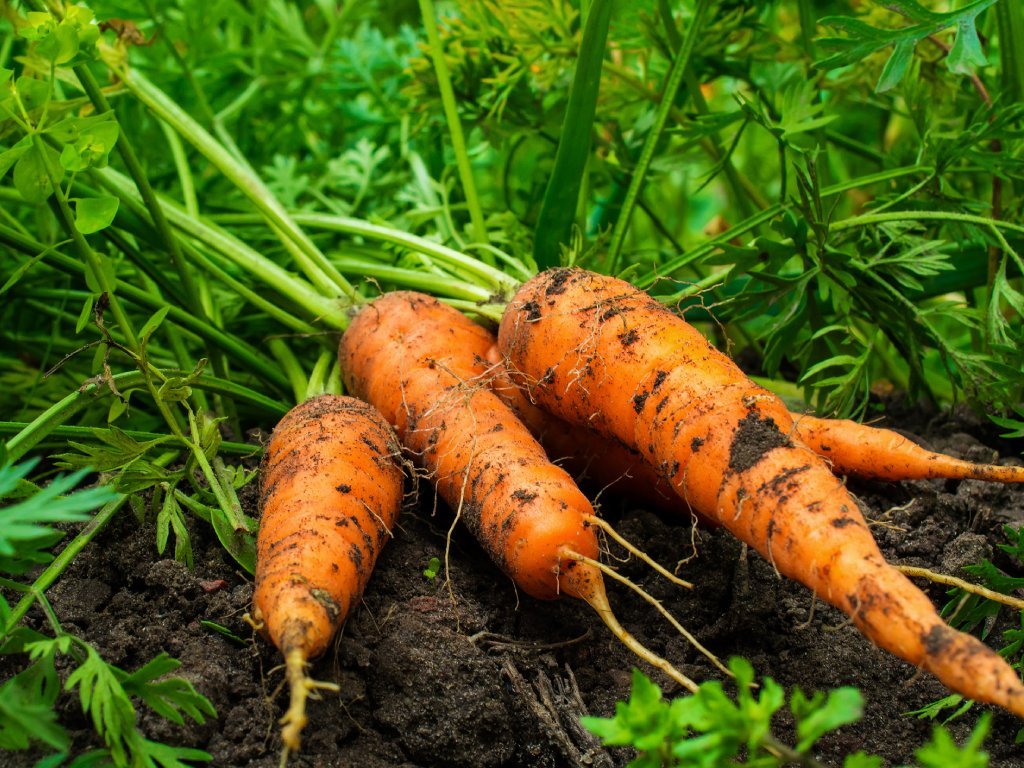
Carrots are an ideal crop for small-space gardening because they:
- Require Minimal Space: Thrive in containers, raised beds, and vertical setups.
- Offer Nutritional Value: Rich in beta-carotene, fiber, vitamins, and antioxidants.
- Are Low Maintenance: Easy to grow with simple care requirements.
- Promote Sustainability: Reduces dependence on store-bought, packaged vegetables.
- Enhance Culinary Options: Fresh carrots add flavor, color, and texture to plant-based dishes.
By growing carrots at home, gardeners gain control over quality, avoid chemical residues, and enjoy continuous harvesting throughout the season.
Choosing the Right Variety
Selecting the right carrot variety is crucial for small-space gardening:
- Short or Round Varieties: Ideal for containers and shallow soil. Examples: ‘Paris Market’, ‘Thumbelina’, ‘Little Finger’.
- Miniature Varieties: Suitable for vertical gardens and window boxes. Examples: ‘Mini Nantes’, ‘Baby Carrot’.
- Traditional Long Varieties: Can be grown in deep containers or raised beds if space allows. Examples: ‘Danvers’, ‘Imperator’.
Short, stubby varieties are preferred for beginners or gardeners with limited depth in pots or balcony planters.
Essential Requirements for Carrot Cultivation
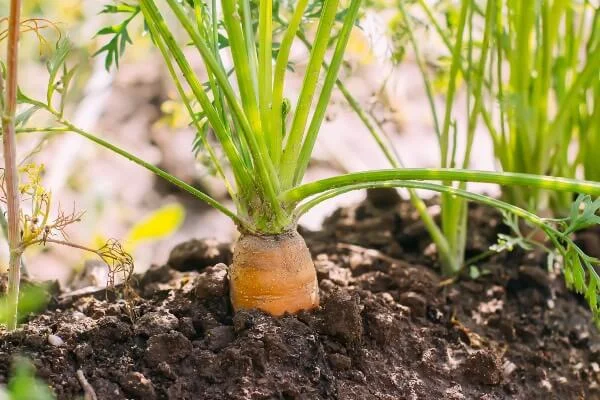
1. Light
- Carrots require at least 6 hours of direct sunlight per day.
- South-facing windows, balconies, or terraces are ideal.
- In low-light conditions, supplement with LED or fluorescent grow lights.
2. Containers
- Use deep containers, ideally 8–12 inches for short varieties and 12–18 inches for long varieties.
- Ensure containers have drainage holes to prevent waterlogging.
- Lightweight plastic, ceramic, or terracotta pots work well, as do repurposed boxes or crates.
3. Soil
- Carrots prefer loose, sandy, well-draining soil.
- Incorporate organic compost or vermicompost to enrich soil fertility.
- Avoid heavy clay soils or soil with stones, which may deform roots.
4. Watering
- Maintain consistent soil moisture for even root development.
- Avoid overwatering, which can cause root rot, and under-watering, which leads to tough, woody carrots.
- Water gently to prevent soil compaction.
5. Fertilization
- Use organic, plant-based fertilizers every 2–3 weeks.
- Compost tea or liquid seaweed extract encourages root development and healthy foliage.
- Avoid high-nitrogen fertilizers, which promote excessive leaf growth at the expense of roots.
Step-by-Step Guide to Growing Carrots in Small Spaces
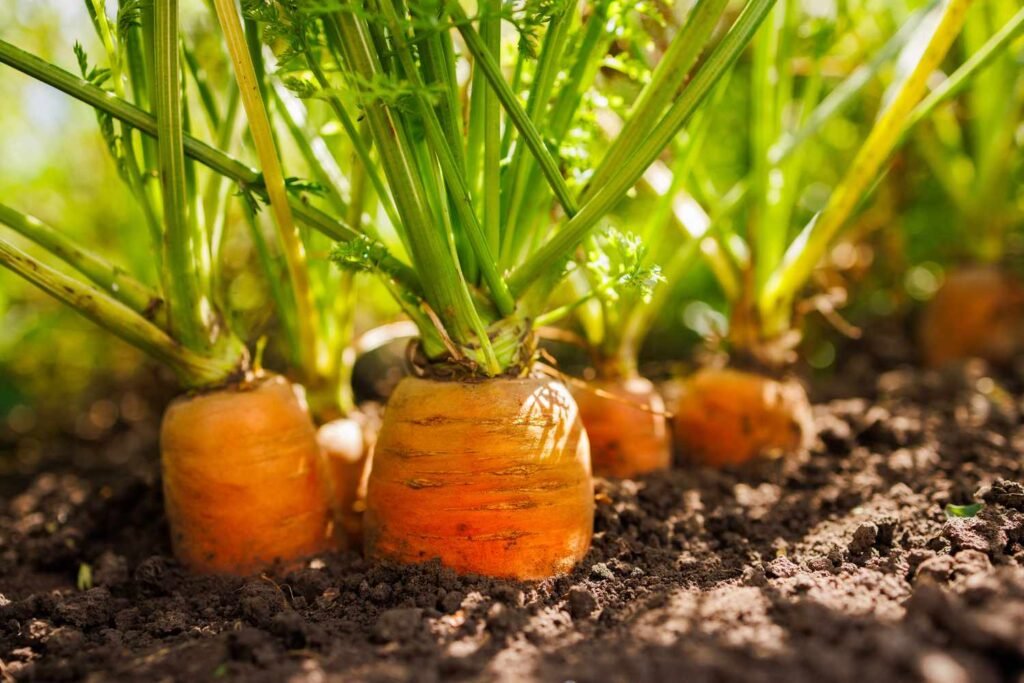
Step 1: Seed Sowing
- Sow seeds directly into containers filled with loose, well-draining soil.
- Sow seeds 1/4 to 1/2 inch deep and 1–2 inches apart.
- Thin seedlings after germination to avoid overcrowding.
Step 2: Germination
- Carrot seeds take 10–20 days to germinate.
- Keep the soil consistently moist but not waterlogged.
- Provide indirect light initially; gradually expose seedlings to full sunlight.
Step 3: Thinning
- Thin seedlings to 2–3 inches apart once they are 2–3 inches tall.
- Proper spacing allows roots to develop fully without deformities.
Step 4: Maintenance
- Watering: Keep soil evenly moist, especially during dry periods.
- Fertilization: Apply plant-based liquid fertilizers biweekly.
- Weeding: Remove competing plants or weeds to prevent nutrient competition.
- Pest Monitoring: Check for aphids, carrot flies, or other pests and use organic control methods.
Companion Planting for Small-Space Carrots
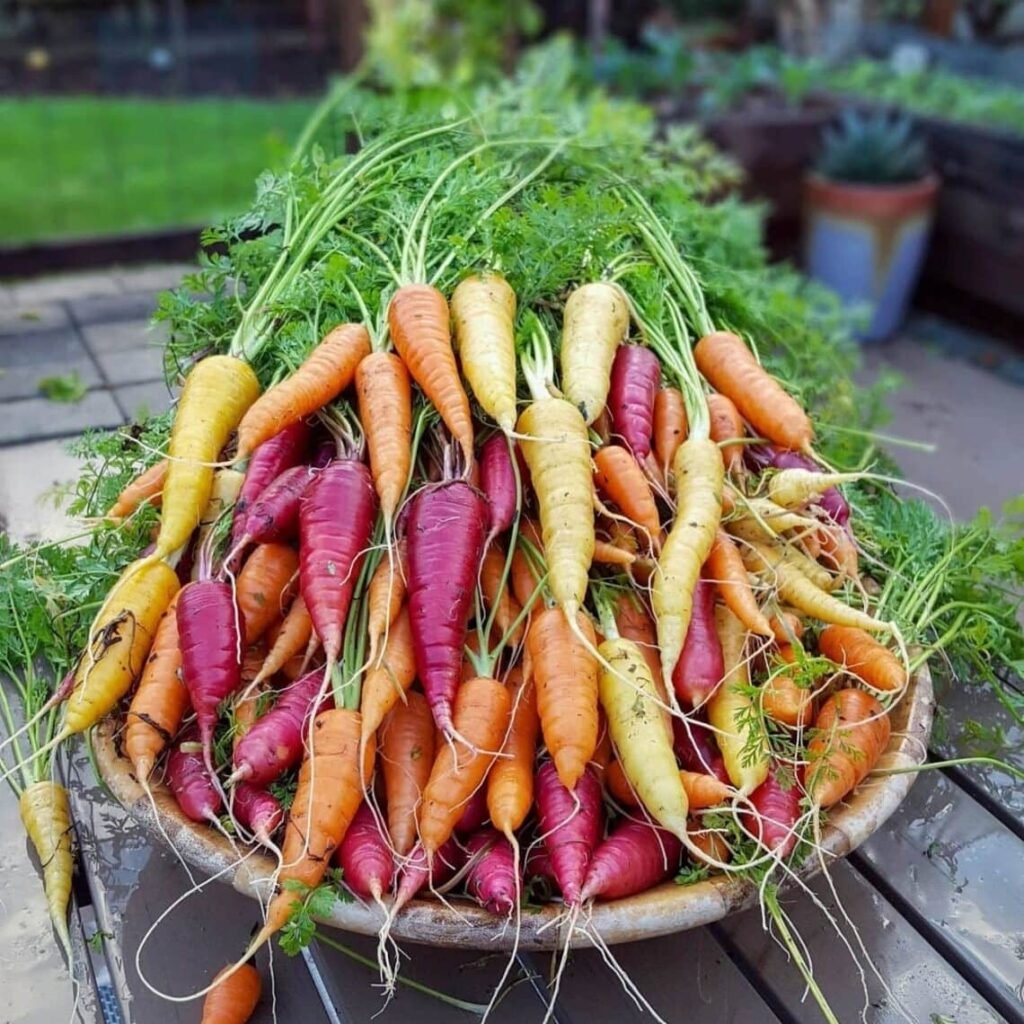
Companion planting improves growth, enhances flavor, and reduces pests:
- Onions and Garlic: Deter carrot flies.
- Lettuce and Spinach: Provide ground cover and maintain soil moisture.
- Tomatoes and Peppers: Grow nearby for mutual growth benefits.
- Avoid Planting Near Dill or Parsley: Can attract pests that harm carrots.
Harvesting Carrots
- Harvest carrots when they reach desired size, typically 60–80 days for most varieties.
- Use a small hand trowel to gently loosen soil before pulling carrots to avoid breakage.
- Baby carrots can be harvested earlier for tender, sweet roots.
- Regular harvesting encourages continuous growth in successive plantings.
Challenges and Solutions
| Challenge | Cause | Solution |
|---|---|---|
| Misshapen roots | Compact or rocky soil | Use deep, loose, well-draining soil |
| Slow germination | Cold soil or old seeds | Maintain soil warmth and use fresh seeds |
| Pests (aphids, carrot flies) | Poor companion planting or overcrowding | Use companion plants, neem oil, or row covers |
| Root splitting | Uneven watering | Keep soil consistently moist |
| Crowding | Over-sowing | Thin seedlings to recommended spacing |
Creative Small-Space Carrot Gardening Hacks
- Vertical Planters
- Use deep vertical boxes or stacked pots for growing multiple crops including carrots.
- Allows maximization of balcony or terrace space.
- Window Boxes
- Shallow window boxes can accommodate short carrot varieties.
- Ideal for urban apartments with limited outdoor space.
- Recycled Containers
- Repurpose crates, buckets, or large jars as planters.
- Ensure proper drainage and fill with loose, enriched soil.
- Succession Planting
- Sow carrot seeds every 2–3 weeks to ensure continuous harvest.
- Keeps the small-space garden productive year-round.
- Companion Planting
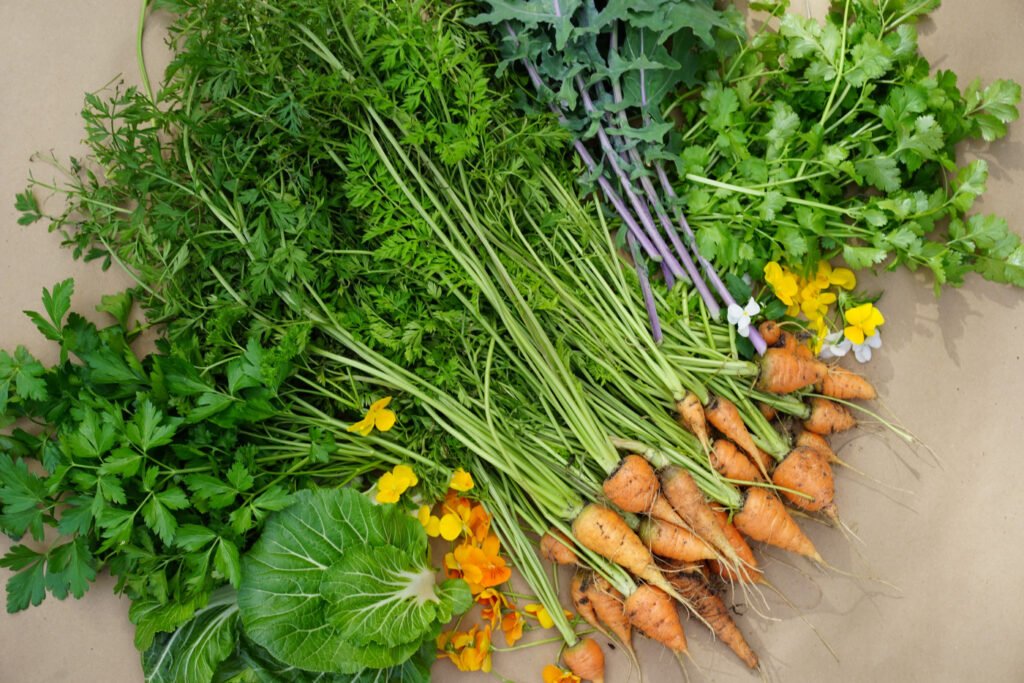
- Combine carrots with herbs like basil, cilantro, or mint in small containers to save space and deter pests.
Sustainability Practices
- Organic Fertilizers: Use compost, vermicompost, or liquid plant fertilizers.
- Water Conservation: Collect rainwater or reuse kitchen water for irrigation.
- Recycling: Repurpose containers and trays to reduce waste.
- Chemical-Free Gardening: Avoid synthetic pesticides and fertilizers entirely.
Benefits of Growing Carrots in Small Spaces
- Fresh, Nutritious Produce: Access to pesticide-free carrots anytime.
- Space Efficiency: Maximizes yield even in balconies, patios, or small terraces.
- Educational Value: Teaches plant growth cycles, care, and sustainable gardening.
- Culinary Advantage: Homegrown carrots are perfect for salads, soups, snacks, and plant-based dishes.
- Mental Well-Being: Gardening reduces stress, encourages mindfulness, and connects urban dwellers to nature.
Conclusion
Growing carrots in small spaces is both practical and rewarding, providing fresh, nutritious, and chemical-free produce for daily consumption. By selecting suitable carrot varieties, using deep, well-draining containers, maintaining consistent watering and organic fertilization, even urban gardeners can enjoy a bountiful harvest. Companion planting, succession planting, and creative container use maximize productivity in limited spaces.
A small-space carrot garden not only supports sustainable, plant-based living but also enhances the aesthetics of balconies, terraces, and windowsills. With regular care and attention, anyone can transform a small corner of their home into a productive, healthy, and vibrant carrot garden that delivers both visual appeal and culinary satisfaction.