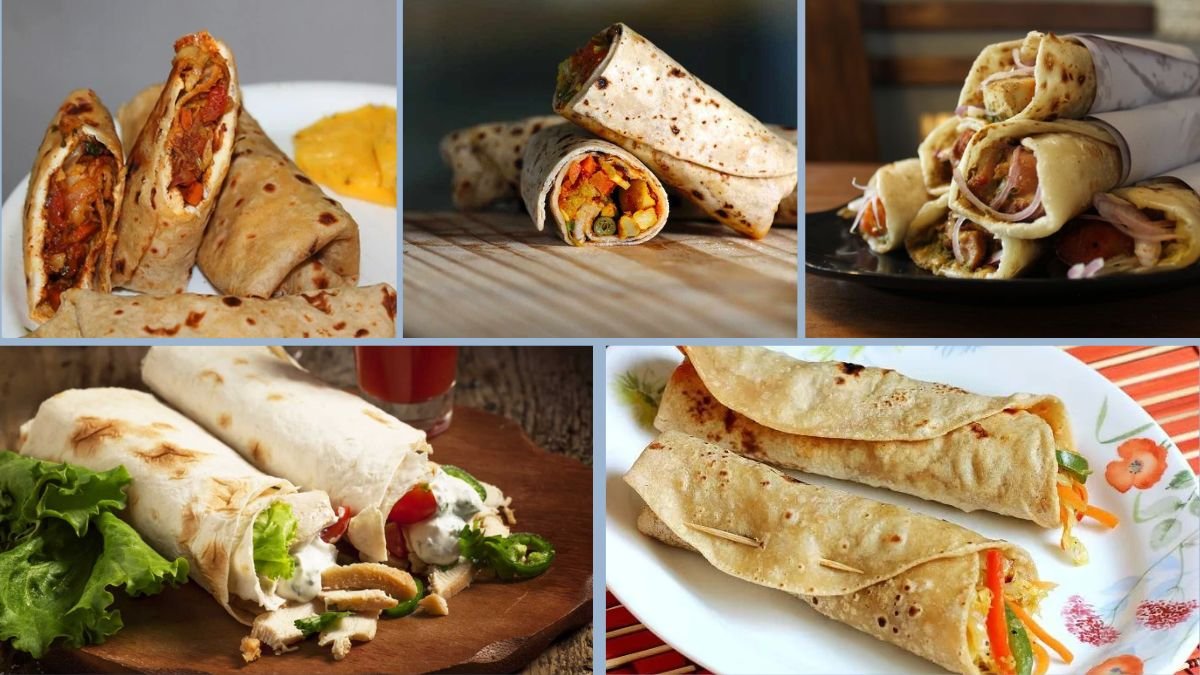
Street food has always been an integral part of India’s culinary heritage. Among the many popular choices, the kathi roll enjoys a special place. Originally from Kolkata, this dish was traditionally made with skewered kebabs rolled in parathas. Over the years, however, it has evolved into a versatile wrap filled with an assortment of vegetarian and non-vegetarian options.
This article focuses on a purely vegetarian version of the kathi roll. By eliminating meat, the dish becomes healthier, eco-friendly, and suitable for all dietary preferences. Our goal is to present a 7-step recipe for a wholesome vegetable kathi roll that is not only filling but also nutritionally balanced.
Why Choose Vegetable Kathi Roll?

Before diving into the recipe, it is important to understand why the vegetable kathi roll is an ideal choice for a healthy, filling meal.
- Balanced nutrition: It combines carbohydrates (paratha/roti), proteins (paneer, chickpeas, or lentils), fiber (vegetables), and healthy fats (minimal oil or ghee, if used sparingly).
- Portable and versatile: Perfect as a packed lunch, evening snack, or quick dinner.
- Customizable: Can be adapted with seasonal vegetables, different spice blends, or even whole wheat wraps instead of refined flour.
- Sustainable eating: Plant-based fillings reduce environmental impact and encourage mindful food consumption.
Step-by-Step Guide to a Filling Vegetable Kathi Roll

This vegetarian recipe is structured into seven clear steps, ensuring ease of preparation while maintaining authenticity and nutrition.
Step 1: Gather the Ingredients
A successful kathi roll begins with careful selection of fresh and wholesome ingredients.
- For the paratha/wrap
- 2 cups whole wheat flour
- 1 tablespoon semolina (optional, for crispiness)
- Salt, to taste
- Water, as needed for kneading
- For the filling
- 1 cup paneer cubes or boiled chickpeas (protein source)
- 1 cup mixed vegetables (carrot, capsicum, beans, peas, and cabbage), finely chopped
- 1 medium onion, thinly sliced
- 1 medium tomato, chopped
- 2 green chilies, chopped (optional)
- ½ teaspoon ginger-garlic paste
- Spices
- ½ teaspoon cumin seeds
- ¼ teaspoon turmeric powder
- 1 teaspoon coriander powder
- ½ teaspoon garam masala
- ½ teaspoon chili powder
- Salt, to taste
- For garnish and assembly
- Fresh coriander leaves, chopped
- Lemon juice, to taste
- Green chutney or yogurt dip
- Pickled onions (optional, for tanginess)
Step 2: Prepare the Dough

- Combine whole wheat flour, semolina, and salt in a mixing bowl.
- Gradually add water and knead into a soft, pliable dough.
- Cover the dough with a damp cloth and let it rest for 15–20 minutes.
Tip: Resting the dough helps in gluten development, making the paratha soft yet sturdy enough to hold the filling.
Step 3: Cook the Filling
- Heat a non-stick pan. Add cumin seeds and let them splutter.
- Add onions and sauté with a splash of water until translucent.
- Mix in ginger-garlic paste and stir briefly.
- Add chopped tomato, chilies, and spices. Cook until tomatoes soften into a masala base.
- Add the mixed vegetables and paneer/chickpeas. Stir well, sprinkle little water, and cover for 5–7 minutes until vegetables are tender but not mushy.
- Garnish with coriander leaves and a squeeze of lemon juice.
Note: Avoid overcooking; retaining some crunch in the vegetables ensures better texture and higher nutritional value.
Step 4: Roll Out the Parathas
- Divide the dough into equal portions and roll each into a ball.
- Using a rolling pin, flatten into thin, round discs.
- Cook each paratha on a hot skillet or tawa until golden brown spots appear. For a healthier version, cook without oil or use minimal oil only if required.
Step 5: Prepare Accompaniments

A great kathi roll is incomplete without flavorful sides.
- Green chutney: Blend coriander, mint, green chilies, lemon juice, and salt into a smooth paste.
- Yogurt dip: Whisk fresh yogurt with a pinch of roasted cumin powder and salt.
- Pickled onions: Soak thinly sliced onions in lemon juice and a pinch of salt for 10 minutes.
These accompaniments add tanginess, freshness, and creaminess to the roll.
Step 6: Assemble the Kathi Roll
- Place one paratha on a clean plate.
- Spread a thin layer of green chutney or yogurt dip.
- Add 3–4 spoonfuls of the vegetable-paneer filling in the center.
- Garnish with pickled onions and extra coriander leaves.
- Roll the paratha tightly around the filling and wrap one end in parchment paper or foil for easy handling.
Step 7: Serve and Enjoy
Serve the vegetable kathi rolls warm with additional chutney or yogurt dip on the side. They can also be packed for tiffins or picnics, making them a versatile and satisfying choice.
Nutritional Benefits of Vegetable Kathi Roll

- High Fiber: Vegetables and whole wheat paratha promote digestion and satiety.
- Protein-Rich: Paneer or chickpeas provide essential amino acids.
- Low in Saturated Fat: By using minimal or no oil, the roll becomes heart-friendly.
- Micronutrient Boost: Vitamins A, C, and K from vegetables support immunity and bone health.
- Balanced Meal: Provides energy, improves fullness, and prevents unhealthy snacking.
Variations for Added Creativity
- Vegan Kathi Roll: Replace paneer with tofu or sautéed mushrooms.
- High-Protein Roll: Add boiled kidney beans or sprouts for extra protein.
- Low-Carb Version: Use multigrain wraps or lettuce leaves instead of parathas.
- Spicy Street-Style: Add chaat masala, extra chilies, and tangy sauces for a street-food vibe.
Tips for Perfect Kathi Rolls
- Always use fresh vegetables for maximum flavor and nutrients.
- Do not overload the roll; balance filling and wrap for easy handling.
- Adjust spice levels depending on the audience (mild for children, spicier for adults).
- Prepare chutneys in advance for convenience.
- For extra crispiness, lightly toast the filled roll on the skillet before serving.
Conclusion
The vegetable kathi roll is more than just street food; it is a complete, balanced meal that reflects India’s culinary creativity. By following this 7-step guide, one can prepare a roll that is wholesome, flavorful, and adaptable to diverse preferences.
Incorporating such plant-based dishes into daily life contributes to better health, sustainable food practices, and mindful eating. Whether served at home, carried in a lunchbox, or enjoyed as a snack, this vegetarian kathi roll proves that healthy food can be equally satisfying and indulgent.
This recipe not only celebrates tradition but also aligns with modern dietary trends, making it a valuable addition to both casual cooking and academic exploration of healthy cuisines.