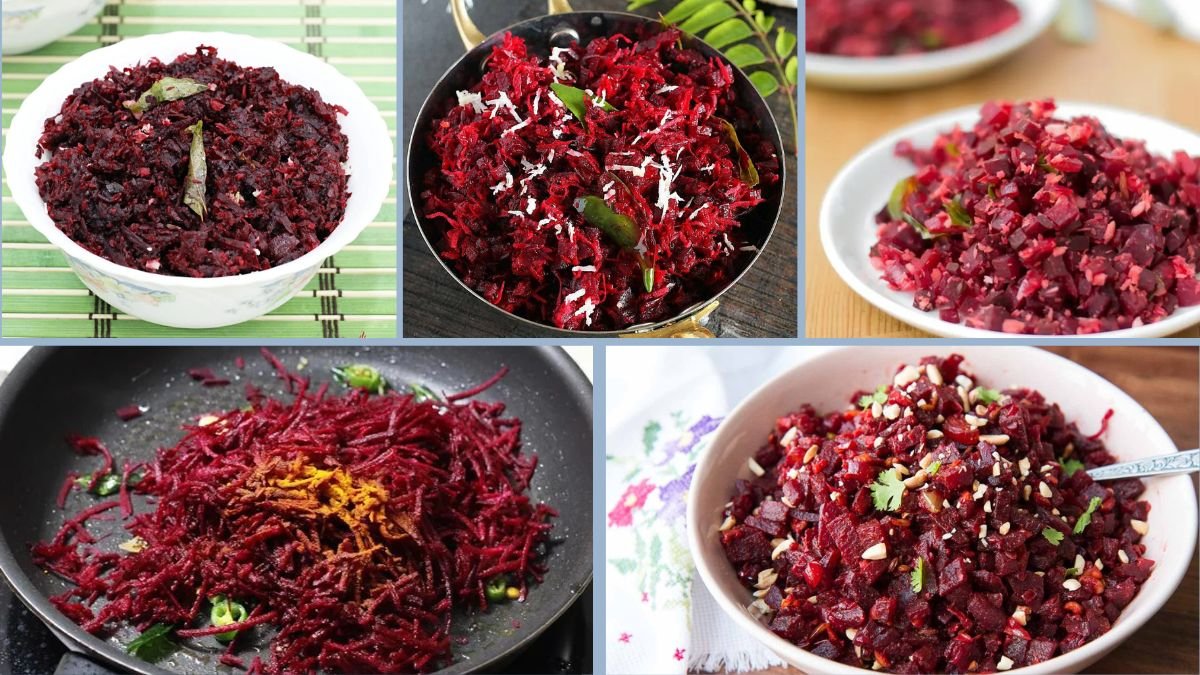
Vegetables have always been central to Indian cuisine, not only for their flavors but also for the vibrancy they bring to a meal. Among them, beetroot holds a special place. With its naturally deep crimson color, earthy taste, and impressive nutritional profile, beetroot can transform an ordinary dish into a striking centerpiece.
One of the most loved ways to enjoy this root vegetable is by preparing beetroot sabzi. This simple, oil-free, vegetarian dish is both nutritious and visually appealing, making it perfect for everyday meals as well as festive plates. In this article, we’ll explore a 5-step guide to preparing beetroot sabzi—a recipe that’s healthy, colorful, and entirely plant-based.
Why Choose Beetroot Sabzi?

Before diving into the recipe, let’s understand why beetroot sabzi deserves a spot on your plate.
- Rich in nutrients: Beetroot is high in fiber, folate, manganese, potassium, and antioxidants.
- Low in calories: Ideal for weight management and light eating.
- Boosts heart health: Nitrates in beetroot help regulate blood pressure.
- Supports digestion: High fiber aids bowel movement and gut health.
- Visually appealing: Adds a burst of natural color to otherwise plain meals.
Beetroot sabzi isn’t just food—it’s nourishment for the body and delight for the eyes.
Step-by-Step Recipe for Beetroot Sabzi

This recipe follows five easy steps, ensuring that the beetroot’s nutrients and colors remain intact while delivering maximum flavor.
Step 1: Gather the Ingredients
Fresh ingredients are the key to a flavorful sabzi. Here’s what you’ll need:
- Main ingredient
- 3 medium-sized beetroots, peeled and finely chopped or grated
- For tempering
- 1 teaspoon mustard seeds
- 1–2 dried red chilies
- 1 sprig curry leaves
- 1–2 green chilies, slit
- Flavoring
- ½ teaspoon turmeric powder
- Salt to taste
- 2 tablespoons grated coconut (optional, for South Indian style)
- A few coriander leaves, chopped, for garnish
Tip: Grating the beetroot gives a softer texture, while chopping provides a chunkier, bite-worthy sabzi. Choose based on preference.

Step 2: Prepare the Beetroot
- Wash and peel the beetroots.
- Finely chop or grate them, depending on your desired texture.
- Keep aside in a bowl.
Note: Uniform chopping ensures even cooking and better presentation.
Step 3: Make the Tempering
- Heat a non-stick pan. For an oil-free version, dry roast the mustard seeds until they pop.
- Add curry leaves, dried red chilies, and green chilies. Toss them briefly until aromatic.
- If you want a traditional South Indian touch, sprinkle a teaspoon of water while roasting to prevent burning.
This tempering is the flavor base that balances beetroot’s natural sweetness.
Step 4: Cook the Beetroot

- Add the chopped or grated beetroot into the pan with tempering.
- Sprinkle turmeric powder and salt. Mix well.
- Add 2–3 tablespoons of water to help steam the beetroot. Cover and cook for 8–10 minutes on low flame.
- Stir occasionally to ensure it doesn’t stick to the pan.
The beetroot should turn tender yet retain a slight bite for texture.
Step 5: Finish and Serve
- Once cooked, add grated coconut (if using) and mix gently.
- Garnish with fresh coriander leaves.
- Serve hot with chapati, paratha, rice, or even as a side with dal.
The result is a vibrant, earthy, and slightly sweet sabzi that brightens any meal.
Nutritional Benefits of Beetroot Sabzi

- High in Fiber: Promotes digestion and keeps you full for longer.
- Iron-Rich: Supports blood health and prevents anemia.
- Antioxidant Boost: Betalains in beetroot fight inflammation and oxidative stress.
- Heart-Friendly: Helps reduce blood pressure naturally.
- Weight-Friendly: Low calorie, nutrient-dense, and ideal for light dinners.
Variations of Beetroot Sabzi
- South Indian Style: Add coconut and curry leaves for a classic touch.
- North Indian Style: Use cumin seeds, coriander powder, and a pinch of garam masala for a spiced version.
- Beetroot with Moong Dal: Add cooked yellow moong dal for extra protein.
- Beetroot & Carrot Mix: Combine with carrots for a sweeter, more colorful sabzi.
These variations make beetroot sabzi versatile for any regional taste preference.
Tips for the Perfect Beetroot Sabzi
- Always use fresh, firm beetroots for the best flavor and color.
- Don’t overcook; beetroot loses color and nutrients if cooked too long.
- Keep it simple—beetroot’s natural taste shines without heavy spices.
- Pair it with curd rice, chapati, or lemon rice for a wholesome meal.
Conclusion
Beetroot sabzi is more than a side dish—it’s a celebration of color, taste, and health on your plate. With just five simple steps, you can create a dish that not only nourishes but also adds visual appeal to your meals.
Whether paired with Indian breads, rice, or even eaten as a light standalone dish, beetroot sabzi proves that healthy eating doesn’t need to be boring. It’s quick, wholesome, and versatile, making it perfect for everyday cooking as well as special occasions.
By including such simple, plant-based recipes in your diet, you’re embracing mindful eating that supports both health and sustainability. So next time you want to brighten your plate, remember—beetroot sabzi in five steps is all you need!