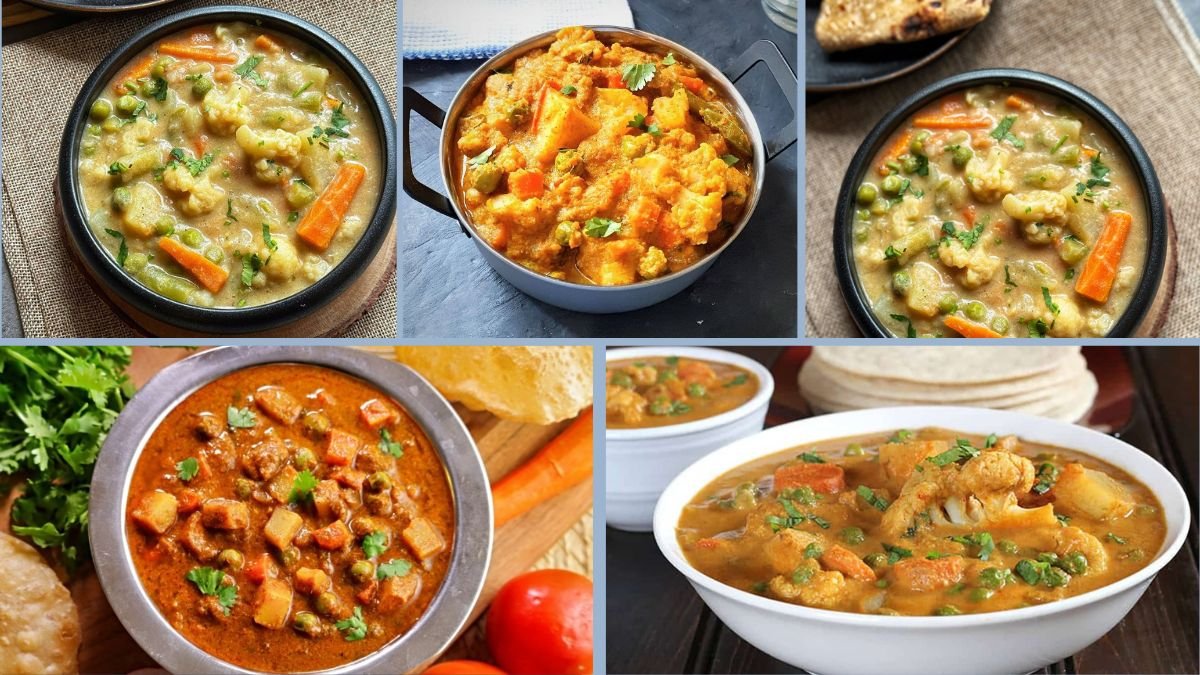
Indian cuisine is celebrated worldwide for its rich diversity of flavors, spices, and regional specialties. Among the countless dishes, South Indian Veg Kurma stands out as a comforting, wholesome, and aromatic curry that is both satisfying and versatile. Traditionally served with idli, dosa, parotta, or chapati, this dish is made with a variety of vegetables simmered in a luscious coconut-based gravy, spiced to perfection with classic South Indian seasonings.
What makes veg kurma unique is its ability to combine multiple textures and flavors in one dish—sweetness from carrots, earthiness from beans, freshness from peas, and creaminess from coconut. Importantly, this recipe is 100% vegetarian and does not include any non-vegetarian ingredients, making it suitable for all dietary preferences.
In this article, we’ll explore a step-by-step guide with six easy stages to prepare authentic South Indian Veg Kurma at home. Not only will you learn the recipe, but also the nutritional benefits, variations, and expert tips to master this traditional dish.
Why Veg Kurma?
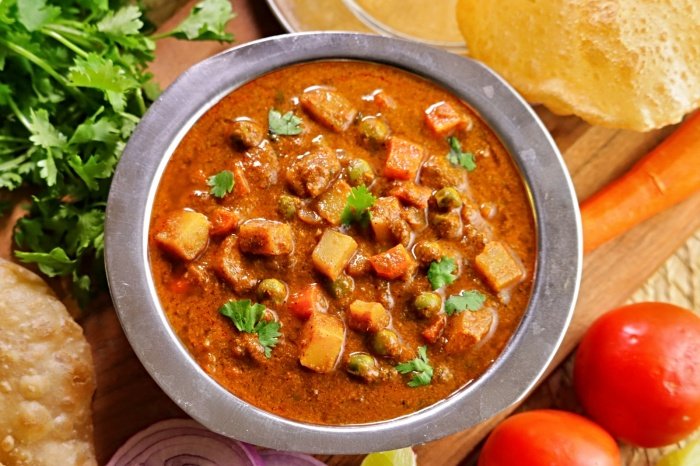
Before diving into the recipe, let’s understand why veg kurma is cherished across South India and beyond:
- Nutritious and wholesome: Loaded with a variety of vegetables, providing fiber, vitamins, and minerals.
- Balanced flavors: A perfect balance of mild sweetness, subtle tanginess, and gentle heat from spices.
- Versatile: Pairs beautifully with Indian breads, rice dishes, or even modern sides like quinoa.
- Customizable: Seasonal vegetables can be swapped in, making it adaptable year-round.
- Comfort food with tradition: A dish that embodies home-cooked warmth, while still suitable for festive occasions.
Ingredients for South Indian Veg Kurma
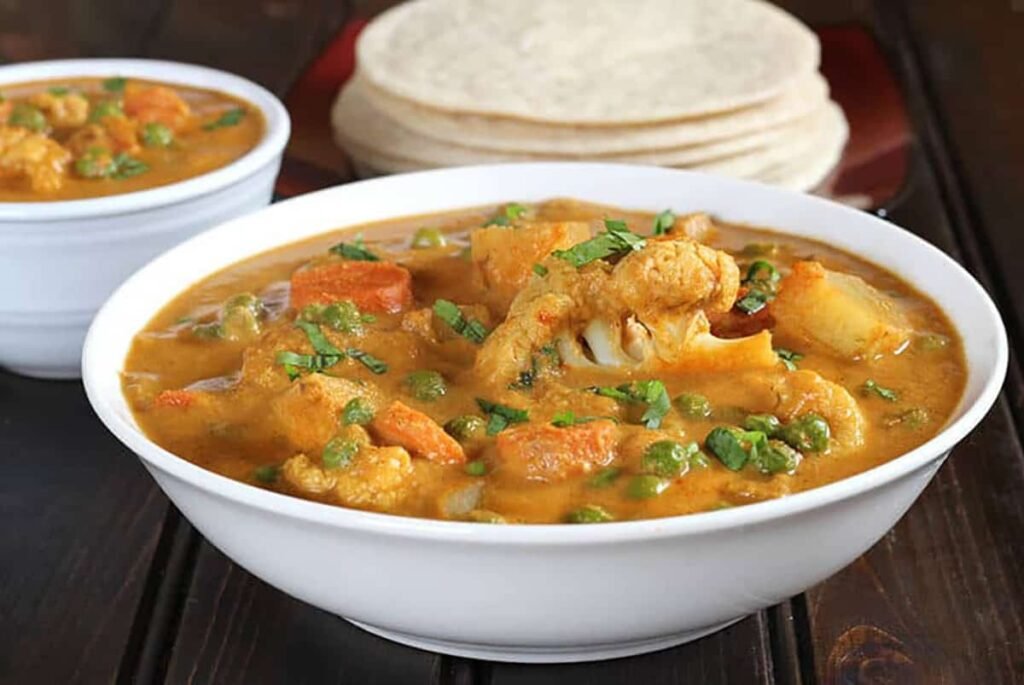
Vegetables
- ½ cup carrots, chopped
- ½ cup beans, chopped
- ½ cup green peas (fresh or frozen)
- 1 medium potato, diced
- ½ cup cauliflower florets
- 1 capsicum, diced
(You can adjust the vegetable combination depending on availability and preference.)
For the Kurma Masala Paste
- ½ cup fresh grated coconut
- 2 tablespoons roasted gram dal (pottukadalai)
- 2 green chilies (adjust spice level)
- 1 teaspoon fennel seeds
- 1-inch piece ginger
- 3–4 garlic cloves
- 2–3 cashews (optional, for creaminess)
For Tempering & Gravy
- 2 tablespoons coconut oil (or sunflower oil)
- 1 medium onion, finely chopped
- 1 medium tomato, chopped
- 1 sprig curry leaves
- 1 bay leaf
- 1-inch cinnamon stick
- 2 cardamoms
- 2 cloves
- ½ teaspoon turmeric powder
- 1 teaspoon coriander powder
- 1 teaspoon garam masala
- Salt, to taste
- Fresh coriander leaves, chopped (for garnish)
Step-by-Step Recipe
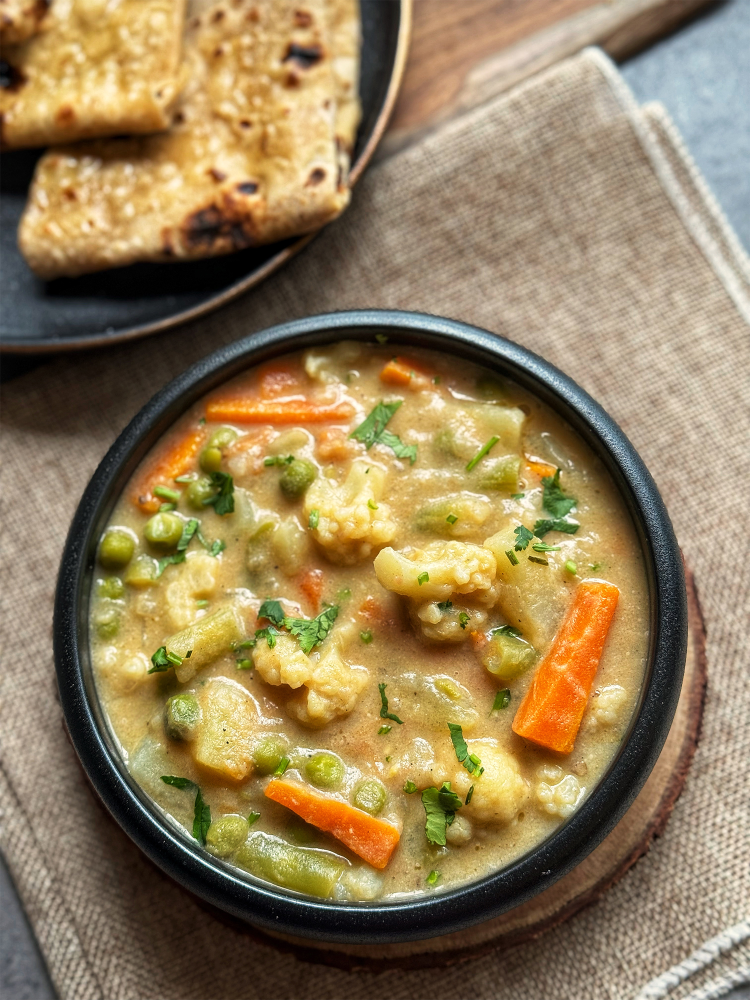
Step 1: Prepare the Vegetables
- Wash, peel, and chop all vegetables into small, uniform cubes.
- Boil or steam them until just tender (not mushy). This step ensures the vegetables remain firm and retain their individual flavors when added to the kurma.
- Keep aside for later use.
Tip: Steaming preserves more nutrients than boiling, making the dish healthier.
Step 2: Make the Masala Paste
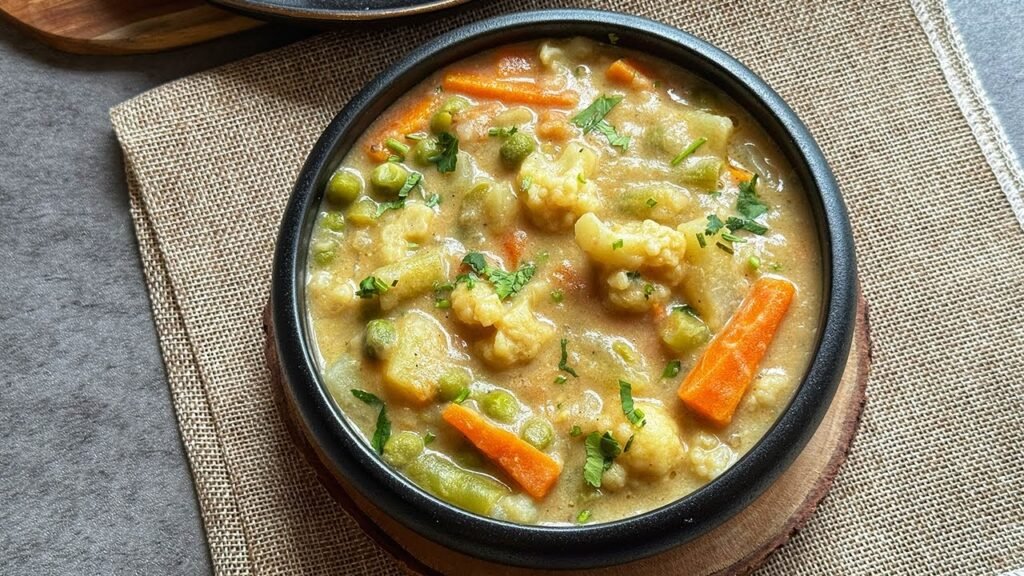
- In a blender, add grated coconut, roasted gram dal, fennel seeds, green chilies, ginger, garlic, and cashews.
- Add a little water and grind into a smooth, thick paste.
- This coconut masala forms the creamy base of the kurma and is the heart of its authentic South Indian flavor.
Step 3: Prepare the Tempering
- Heat coconut oil in a heavy-bottomed pan.
- Add whole spices: bay leaf, cinnamon, cardamoms, and cloves. Sauté until aromatic.
- Add curry leaves for that signature South Indian aroma.
- Toss in the onions and sauté until they turn golden brown.
- Add chopped tomato and cook until it becomes soft and pulpy.
This tempering step creates the foundation of the kurma’s flavor.
Step 4: Add Spice Powders & Masala Paste
- Mix in turmeric powder, coriander powder, and garam masala. Stir well.
- Add the freshly ground coconut masala paste and sauté for a few minutes.
- Add about 1 to 1½ cups of water to adjust consistency, making sure it is neither too thick nor too watery.
The gravy should be creamy, rich, and aromatic at this stage.
Step 5: Add Vegetables & Simmer
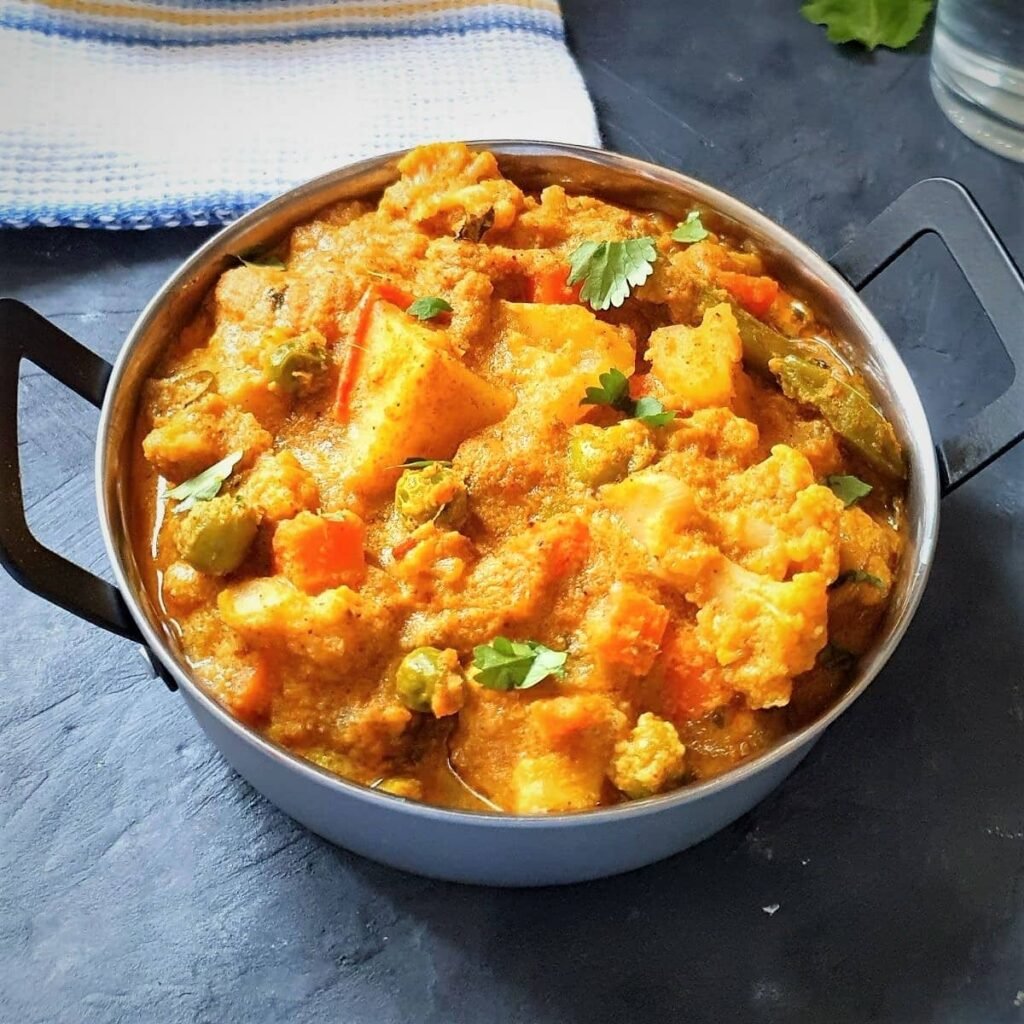
- Add the steamed vegetables into the prepared gravy.
- Mix well, ensuring all vegetables are coated with the masala.
- Cover and simmer on low flame for 8–10 minutes, allowing flavors to meld beautifully.
Note: Do not overcook at this stage, or the vegetables will lose their texture.
Step 6: Garnish and Serve
- Once the kurma reaches the desired consistency, turn off the heat.
- Garnish with freshly chopped coriander leaves.
- Serve hot with chapati, parotta, dosa, idli, appam, or plain steamed rice.
Nutritional Benefits of Veg Kurma
- Fiber-Rich: Vegetables like beans, carrots, and peas aid digestion and keep you full.
- Plant-Based Protein: Cashews, gram dal, and peas contribute a moderate protein boost.
- Healthy Fats: Coconut provides medium-chain triglycerides (MCTs), good for energy.
- Vitamins & Minerals: A powerhouse of vitamin A, vitamin C, potassium, and folate.
- Balanced Calories: When cooked with minimal oil, veg kurma remains light yet filling.
Variations of Veg Kurma
- Chettinad Style: Add dry red chilies, peppercorns, and roasted spices for a fiery flavor.
- Hotel Style Kurma: Increase cashews and coconut for a creamier, restaurant-style dish.
- Vegan Option: Already vegan by nature—just ensure no dairy is used for accompaniments.
- Instant Pot/Pressure Cooker Version: Cook vegetables and masala together for a quicker method.
Tips for Perfect South Indian Veg Kurma
- Always use fresh coconut for the best flavor. Frozen can be used but may alter texture slightly.
- Don’t skip fennel seeds—they add the signature aroma to kurma.
- Maintain medium spice; kurma is traditionally mild compared to other curries.
- Adjust gravy thickness based on pairing—slightly thick for chapati, thinner for dosa or idli.
- For festive occasions, add paneer cubes for extra richness (still vegetarian).
Conclusion
South Indian Veg Kurma is more than just a curry—it is a celebration of vegetables, spices, and tradition. With its rich coconut base and medley of flavors, this dish showcases the essence of South Indian cuisine.
By following these 6 easy steps, you can recreate a restaurant-style yet homely veg kurma in your kitchen, making every meal vibrant and wholesome. Whether paired with parotta for Sunday brunch or idli for breakfast, this versatile dish fits seamlessly into any menu.
Veg Kurma is proof that vegetarian food is neither bland nor boring—it’s flavorful, colorful, and deeply satisfying. By adding it to your cooking repertoire, you embrace the best of plant-based eating, while indulging in the warmth of South Indian tradition.