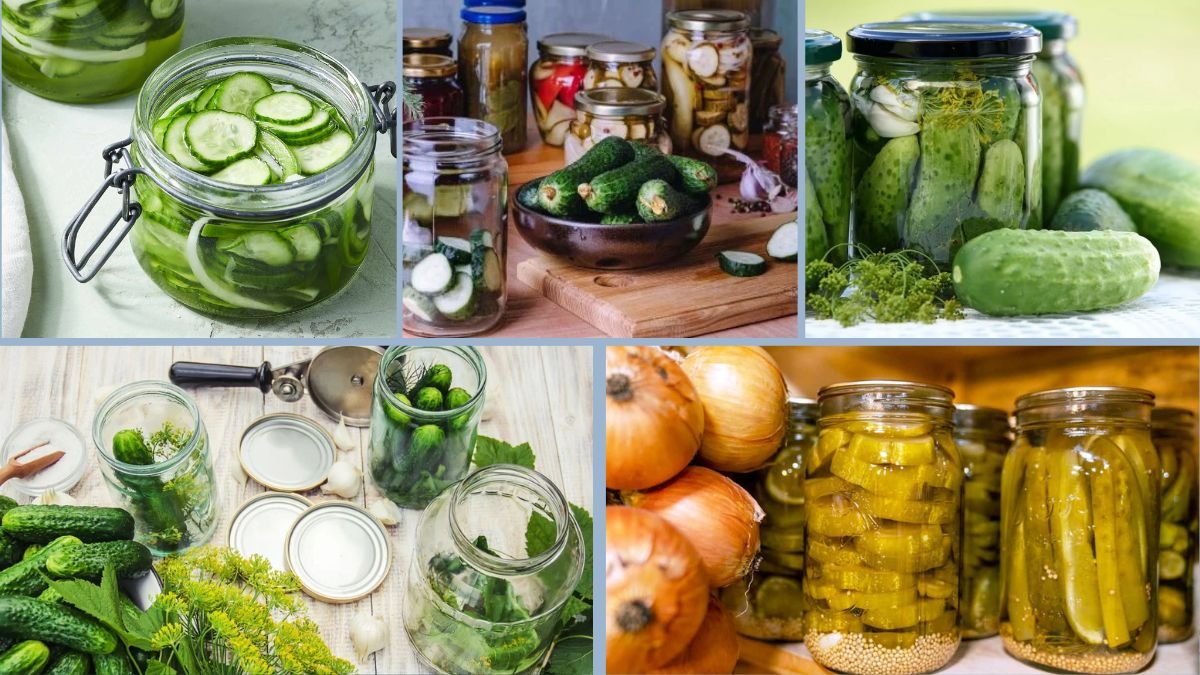
Pickles have long been celebrated for their tangy flavor, crunchy texture, and ability to complement a wide range of dishes. While store-bought pickles are convenient, they often contain excessive salt, preservatives, and artificial flavors. Making pickles at home not only allows for control over ingredients and taste but also ensures freshness and nutritional benefits.
Homemade pickles are versatile, affordable, and easy to prepare. They can preserve seasonal vegetables, reduce food waste, and serve as functional condiments rich in probiotics when fermented. This article explores the art and science of making flavorful homemade pickles, detailing ingredients, methods, variations, and nutritional benefits, providing a comprehensive guide for both beginners and seasoned cooks.
Nutritional Benefits of Pickles
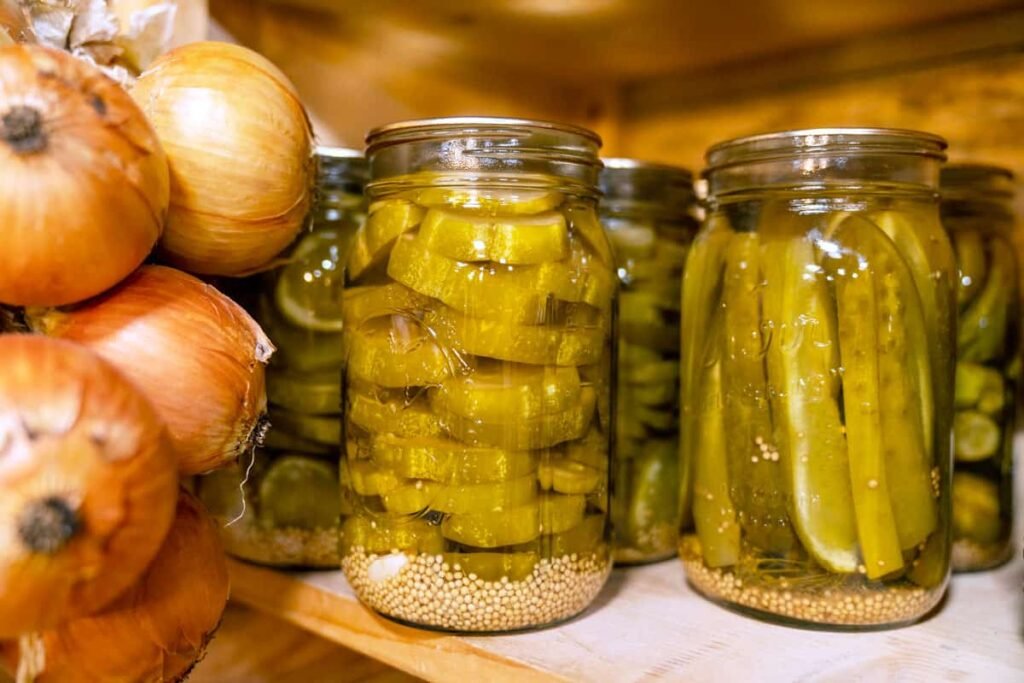
Pickles, particularly those made through fermentation, offer several health advantages:
- Probiotics: Naturally fermented pickles contain beneficial bacteria that support gut health and digestion.
- Vitamins and Minerals: Vegetables retain vitamins like vitamin K, C, and A, as well as minerals such as potassium and magnesium.
- Low-Calorie Snack: Pickles are low in calories but high in flavor, making them a satisfying, healthy snack option.
- Antioxidants: Ingredients such as garlic, dill, and spices add antioxidants, supporting overall wellness.
Unlike commercially processed pickles, homemade versions allow customization of salt, sugar, and flavorings, enhancing both taste and nutritional value.
Key Ingredients and Their Roles
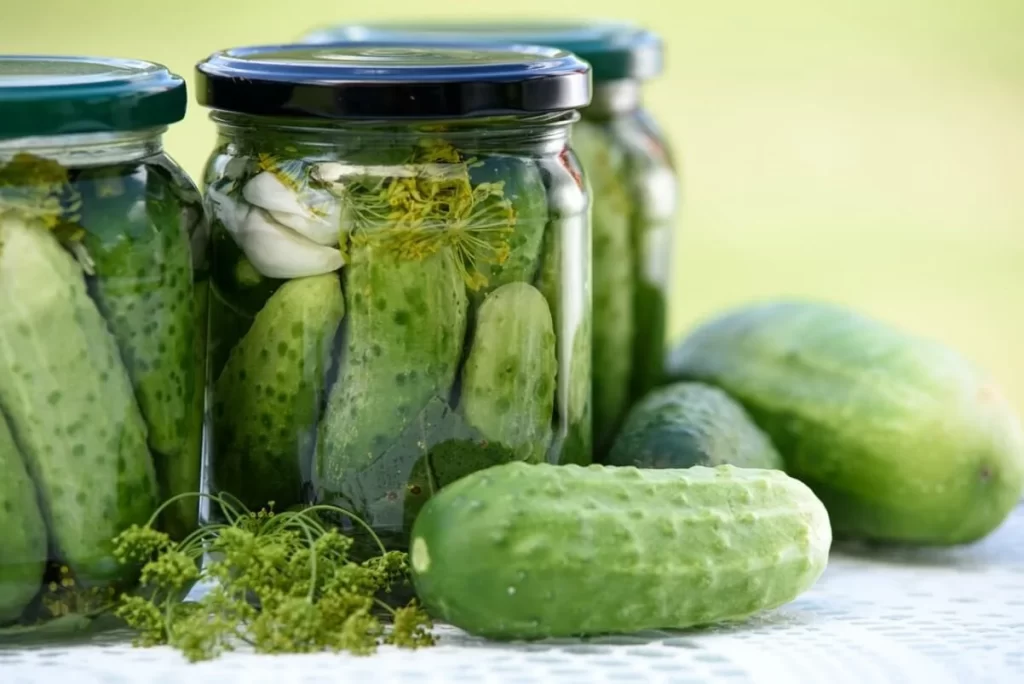
- Vegetables
Common vegetables for pickling include cucumbers, carrots, bell peppers, green beans, and cauliflower. Fresh, firm vegetables yield the best texture and flavor. - Vinegar
Vinegar is a primary preservative in quick pickles, providing acidity that prevents spoilage. Apple cider vinegar, white vinegar, and rice vinegar each impart unique flavors. - Salt
Pickling or kosher salt is preferred for its purity and ability to preserve vegetables without introducing additives. - Sweeteners (Optional)
Sugar, honey, or maple syrup can balance acidity in pickles, especially in sweet-sour varieties. - Spices and Herbs
Dill, mustard seeds, garlic, peppercorns, bay leaves, and chili flakes enhance flavor and aroma. Fresh herbs contribute antioxidants, while spices add depth to the brine. - Water
Filtered water ensures no off-flavors and helps maintain consistency in the brine.
Step-by-Step Guide to Making Homemade Pickles
Ingredients (Basic Quick Pickles)
- 4 cups sliced cucumbers
- 1 cup vinegar (apple cider or white)
- 1 cup filtered water
- 2 tablespoons pickling salt
- 2 tablespoons sugar (optional)
- 2 cloves garlic, smashed
- 1 teaspoon mustard seeds
- 1 teaspoon peppercorns
- 4 sprigs fresh dill
Method
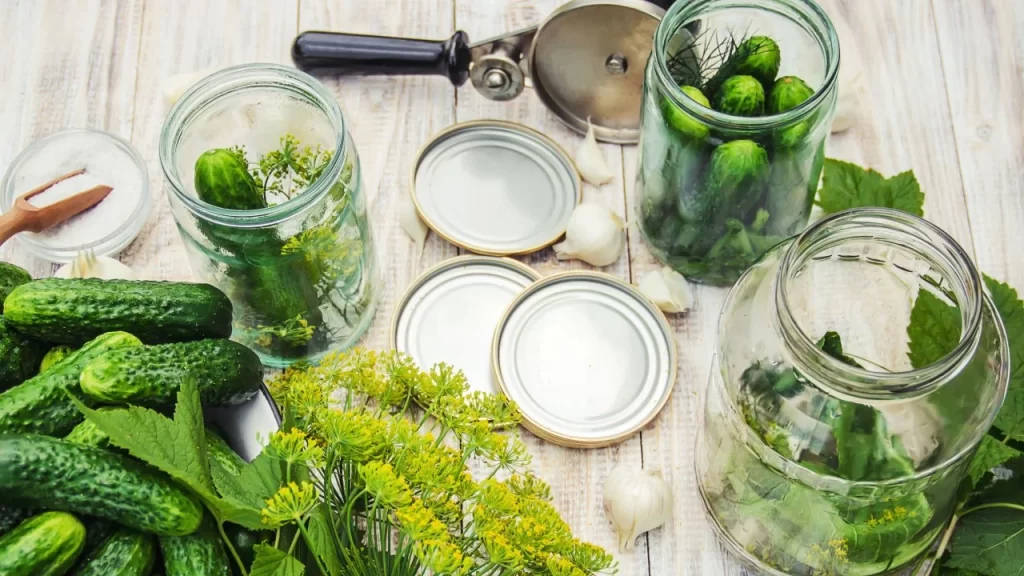
- Prepare Vegetables: Wash and slice vegetables evenly. For cucumbers, slice into spears or rounds.
- Make Brine: In a saucepan, combine vinegar, water, salt, and sugar. Heat until dissolved, then cool slightly.
- Pack Jars: Place garlic, mustard seeds, peppercorns, and dill at the bottom of sterilized jars. Pack vegetables tightly without crushing.
- Add Brine: Pour brine over vegetables, ensuring they are fully submerged. Leave ½-inch headspace at the top.
- Seal and Store: Close jars with airtight lids. Refrigerate for 24–48 hours before consuming for quick pickles. For longer preservation, follow proper canning procedures.
- Taste and Adjust: Add more sugar, vinegar, or spices if desired to balance flavor.
Fermented Pickles: A Probiotic Approach
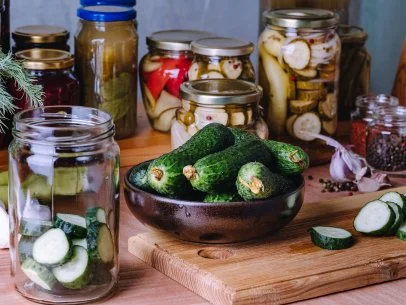
Fermented pickles differ from vinegar-based quick pickles as they rely on natural lactic acid bacteria. This method enhances gut-friendly probiotics:
Ingredients
- 4 cups cucumbers
- 3 tablespoons pickling salt
- 2 cups filtered water
- 2 cloves garlic
- 1 teaspoon mustard seeds
- Fresh dill and bay leaves
Method
- Dissolve salt in water to create a brine.
- Pack cucumbers, garlic, mustard seeds, and dill in a sterilized jar.
- Pour brine over vegetables, ensuring full submersion.
- Cover loosely to allow gases to escape.
- Store at room temperature for 5–7 days, checking daily. Submerge vegetables if they rise above the brine.
- Refrigerate after desired fermentation to slow bacterial growth.
Benefits
Fermented pickles enhance digestion, support immunity, and improve nutrient absorption. They provide complex flavors that deepen over time, making them a culinary and functional delight.
Variations to Elevate Homemade Pickles
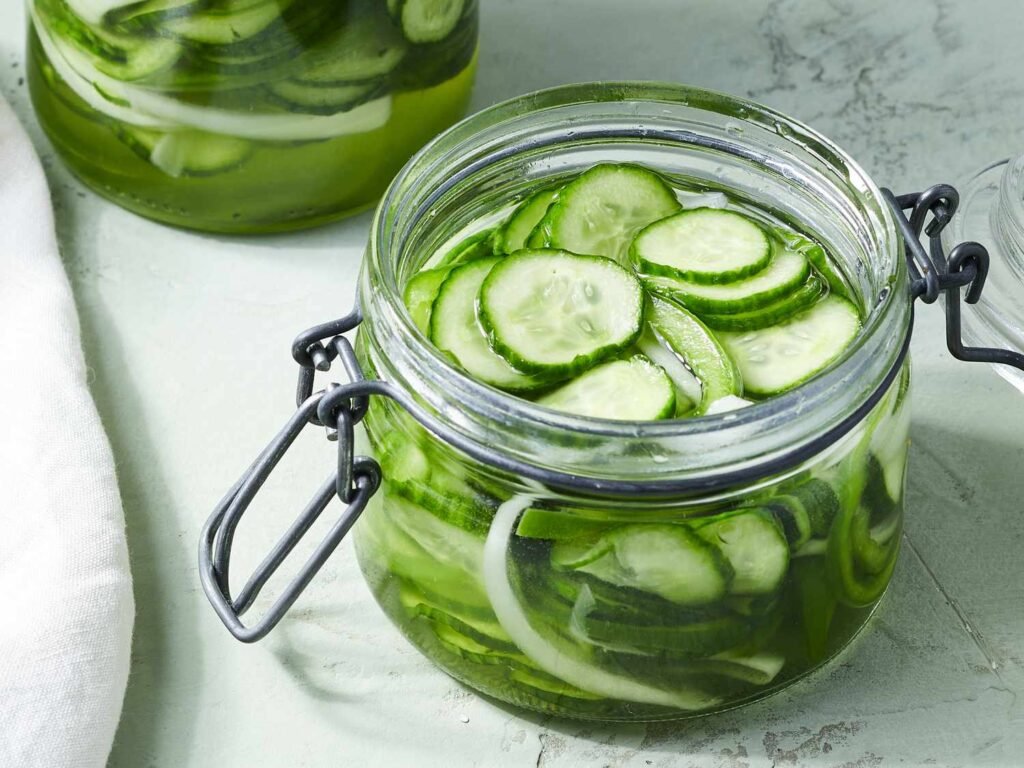
- Spicy Pickles
Add sliced jalapeños, red chili flakes, or cayenne pepper for heat. - Sweet and Tangy Pickles
Incorporate a tablespoon of honey or maple syrup for balance. - Herb-Infused Pickles
Experiment with basil, rosemary, or thyme for aromatic variations. - Mixed Vegetable Pickles
Combine cucumbers, carrots, cauliflower, and bell peppers for colorful, nutrient-rich pickles. - Garlic Lovers’ Pickles
Increase garlic cloves for bold, pungent flavor, enhancing antioxidant content.
Practical Tips for Successful Pickling
- Use Fresh Produce: Firm, unblemished vegetables ensure crisp, crunchy pickles.
- Sterilize Jars: Reduces risk of spoilage and extends shelf life.
- Monitor Brine Levels: Vegetables should always be submerged to prevent mold.
- Adjust Flavors: Taste brine and fillings; adjust salt, vinegar, or sugar to preference.
- Patience for Fermentation: Flavors develop over several days; avoid rushing the process.
- Store Properly: Refrigerate quick pickles and observe fermentation pickles to maintain safety and flavor.
Culinary Applications
- Side Dish or Snack
Pickles complement sandwiches, burgers, tacos, or cheese boards. - Salads and Grain Bowls
Chopped pickles add tang and crunch to salads, quinoa bowls, or grain-based meals. - Garnish or Condiment
Use as a topping for roasted vegetables, hummus, or avocado toast. - Gift or Preservation
Beautifully jarred pickles make thoughtful gifts and allow preservation of seasonal produce.
Environmental and Health Considerations
- Reducing Food Waste: Pickling preserves surplus vegetables that might otherwise spoil.
- Plant-Based Diet: Fully vegetarian, plant-based pickles support sustainable eating.
- Control Over Ingredients: Homemade pickles avoid artificial preservatives, excessive sodium, or refined sugars.
- Seasonal Eating: Utilizing seasonal vegetables enhances flavor, nutrition, and environmental sustainability.
Conclusion
Homemade pickles combine culinary creativity, nutrition, and practical preservation techniques. Whether made quickly with vinegar or naturally fermented for probiotics, pickles are versatile, flavorful, and health-supporting. By using fresh vegetables, carefully selected spices, and controlled amounts of salt and sweeteners, anyone can craft pickles that rival or surpass store-bought options.
Sweet, tangy, spicy, or herbaceous, pickles enhance meals, support digestive health, and provide a satisfying, low-calorie snack. Furthermore, pickling encourages seasonal eating, reduces food waste, and aligns with sustainable, plant-based practices.
Ultimately, making pickles at home empowers individuals to enjoy fully customized flavors while reaping the nutritional and functional benefits of this age-old preservation technique. By mastering the principles outlined in this article, anyone can create homemade pickles that actually taste great—crisp, flavorful, and perfectly suited to any culinary occasion.