
Almond butter has gained immense popularity in recent years as a nutritious, versatile alternative to traditional spreads. Derived from roasted or raw almonds, this creamy or crunchy spread is a powerhouse of vitamins, minerals, healthy fats, and protein, making it a staple in vegetarian and plant-based diets. Unlike peanut butter, almond butter offers a slightly milder, richer flavor with a range of health benefits, from supporting heart health to promoting sustained energy. This article explores the nutritional advantages of almond butter, its positive effects on well-being, and practical ways to incorporate it into daily meals.
Nutritional Profile of Almond Butter
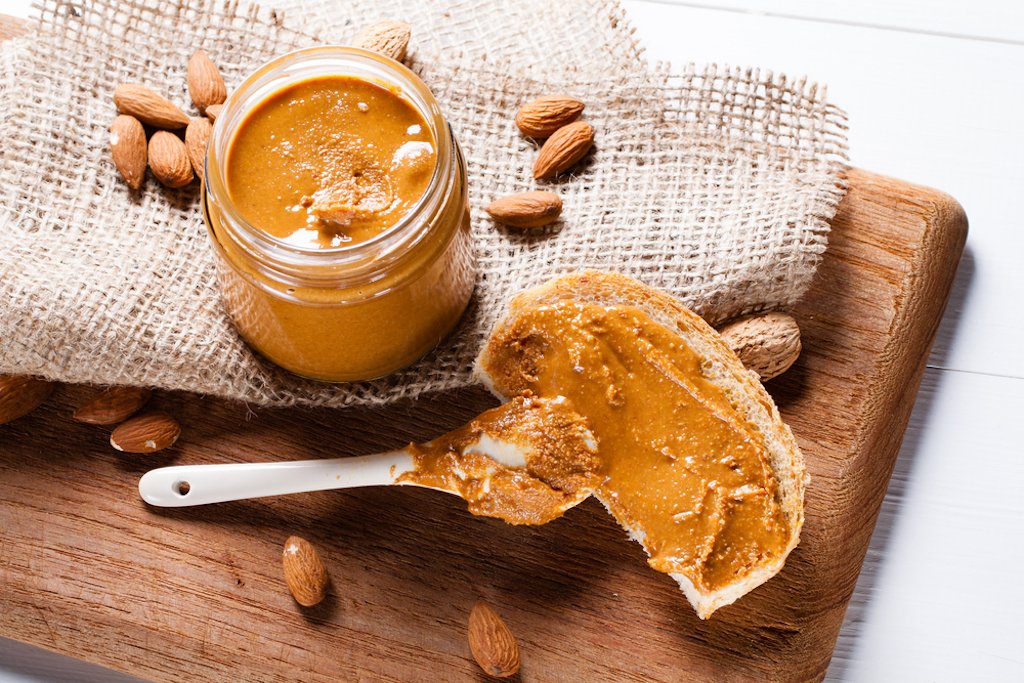
Almond butter is packed with essential nutrients that contribute to overall health:
- Healthy fats: Primarily monounsaturated fats, which support heart health.
- Protein: Provides approximately 6–7 grams per 2-tablespoon serving, helping with muscle repair and satiety.
- Fiber: Supports digestion and stabilizes blood sugar levels.
- Vitamins: High in vitamin E, an antioxidant that protects cells from oxidative stress.
- Minerals: Rich in magnesium, calcium, and potassium, which are essential for bone health, muscle function, and overall metabolic processes.
- Phytonutrients: Contains flavonoids and polyphenols, which offer additional antioxidant and anti-inflammatory properties.
Compared to other nut butters, almond butter tends to be slightly lower in saturated fat and higher in calcium and vitamin E, making it an excellent choice for those seeking nutrient-dense, plant-based options.
Health Benefits of Almond Butter
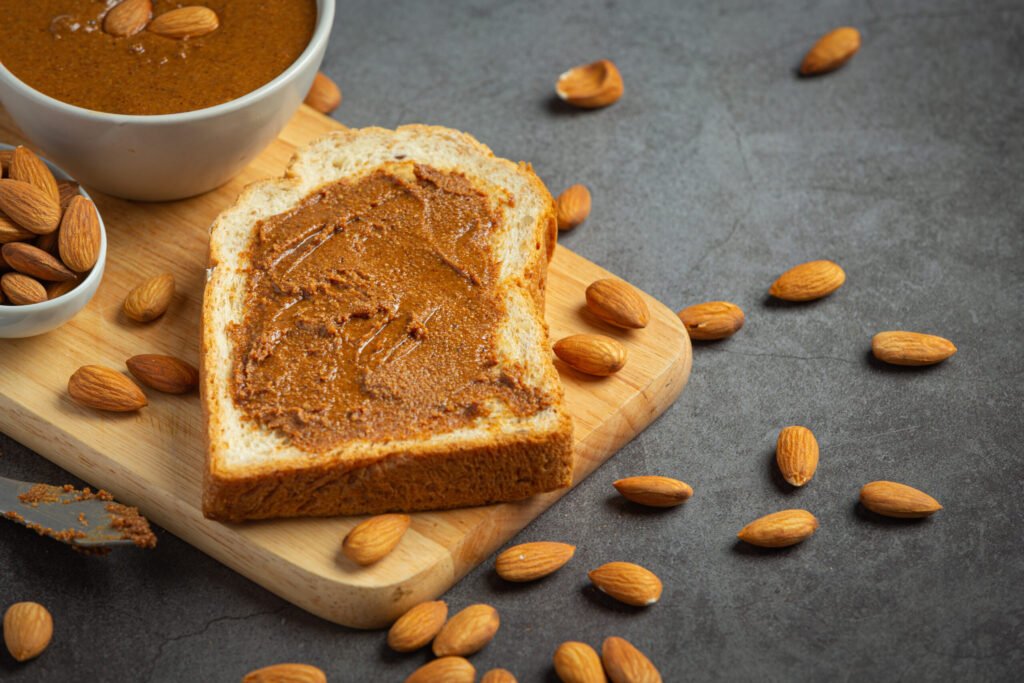
1. Promotes Heart Health
Almond butter is high in monounsaturated fats, which are known to reduce LDL (bad) cholesterol while maintaining or increasing HDL (good) cholesterol. The combination of heart-healthy fats, magnesium, and antioxidants contributes to cardiovascular well-being. Regular almond butter consumption has been linked to reduced risk factors for heart disease, including improved blood lipid profiles.
2. Supports Weight Management
While almonds are calorie-dense, studies suggest that almond butter can aid in weight management. The combination of protein, fiber, and healthy fats promotes feelings of fullness, reducing overall calorie intake throughout the day. Including almond butter as part of a balanced diet may help curb unnecessary snacking and stabilize energy levels.
3. Boosts Brain Function
Almonds are rich in vitamin E, riboflavin, and L-carnitine, nutrients that support cognitive function. Consuming almond butter regularly may help improve memory, attention, and overall brain health. Vitamin E, in particular, is associated with reduced oxidative stress in the brain, potentially lowering the risk of neurodegenerative conditions over time.
4. Supports Bone Health

Almond butter is a natural source of calcium, magnesium, and phosphorus, essential minerals for strong bones and teeth. Regular consumption can complement a diet focused on bone health, especially in vegetarian diets where dairy or fortified alternatives may be primary calcium sources.
5. Stabilizes Blood Sugar Levels
The healthy fats, fiber, and protein in almond butter slow the absorption of sugar into the bloodstream. This makes it a suitable option for those looking to maintain stable energy levels or manage blood sugar, especially when consumed as part of a balanced breakfast or snack.
6. Enhances Skin and Hair Health
The high vitamin E content in almond butter provides antioxidant protection for skin cells, supporting hydration, elasticity, and a healthy complexion. Magnesium and other minerals also promote hair strength and shine, making almond butter a natural ally in beauty-focused diets.
Choosing the Right Almond Butter
When selecting almond butter, quality and processing play a significant role in its nutritional value:
- Natural almond butter: Made from almonds alone, sometimes with a pinch of salt. It contains no added sugars or hydrogenated oils.
- Organic almond butter: Free from pesticides and additives; ideal for those seeking clean, sustainable sources.
- Creamy vs. crunchy: Creamy is easier to spread, while crunchy provides extra texture and chewing satisfaction.
- Avoid added sugar and palm oil: Many commercial brands include sweeteners and unhealthy oils, which can diminish the health benefits.
Storing almond butter in a cool, dark place or in the refrigerator preserves its freshness and prevents oils from separating.
How to Use Almond Butter Every Day
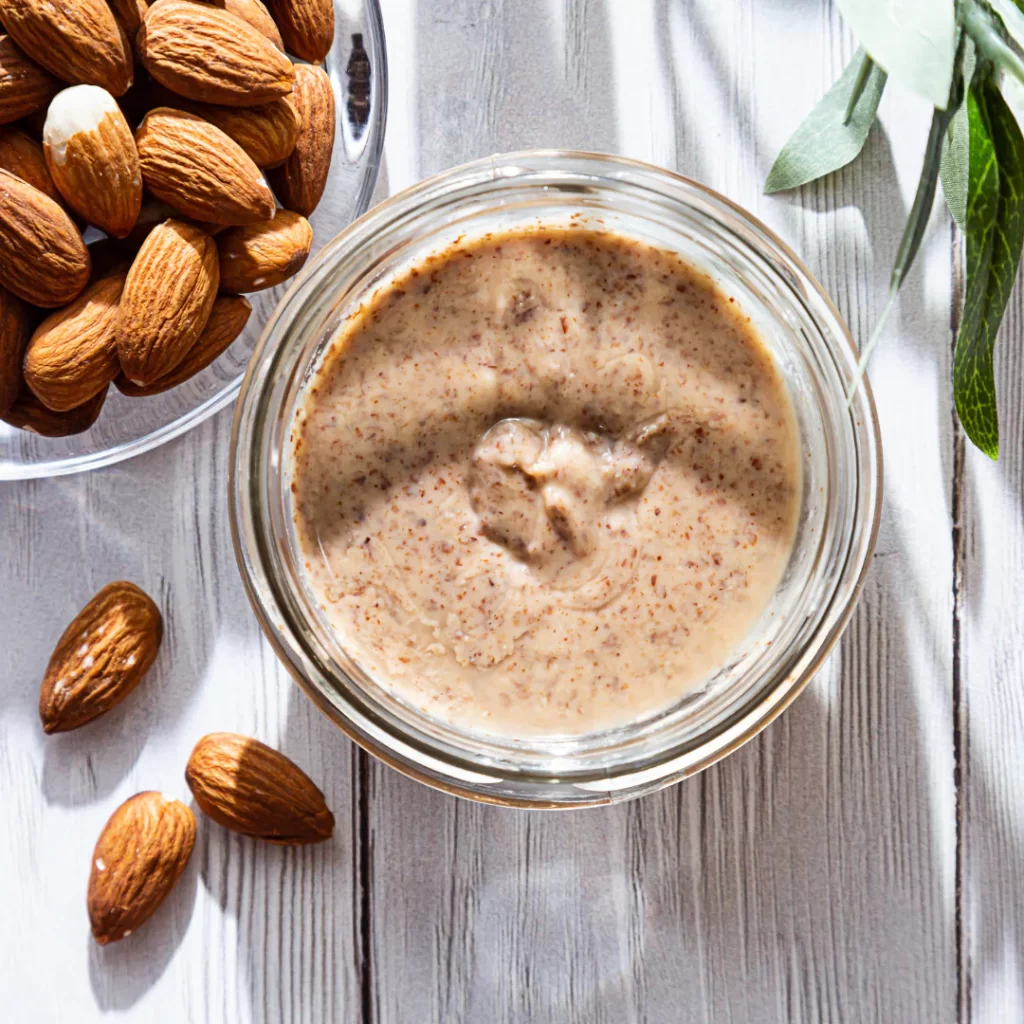
Almond butter is highly versatile and can be incorporated into meals and snacks in numerous ways. Here are practical, vegetarian-friendly ideas:
1. Breakfast Boost
- Spread on toast: Top whole-grain bread with almond butter and banana slices for a fiber-rich breakfast.
- Smoothies: Blend almond butter with plant-based milk, spinach, and berries for a creamy, protein-packed drink.
- Oatmeal topping: Stir a spoonful into morning oats with cinnamon and chopped nuts.
2. Healthy Snacks
- Fruit dip: Use almond butter as a dip for apples, pears, or celery sticks.
- Energy balls: Combine almond butter with oats, honey or maple syrup, and seeds for a quick, portable snack.
- Nut butter bars: Mix almond butter with puffed grains and dried fruits, press into bars, and refrigerate.
3. Cooking and Baking
- Sauces and dressings: Almond butter can be used to create creamy, plant-based sauces for vegetables, noodles, or grain bowls.
- Baked goods: Incorporate almond butter into muffins, cookies, and bread for moisture, flavor, and protein.
- Savory dishes: Add almond butter to curries or stir-fries for a subtle nutty flavor.
4. Dessert and Treats
- Almond butter frosting: Blend with powdered sugar or maple syrup for a vegan frosting option.
- Chocolate-almond spread: Mix with cocoa powder and a touch of sweetener for a rich dessert topping.
- Parfait layers: Combine almond butter with yogurt and granola in layered desserts.
Tips for Maximizing Benefits
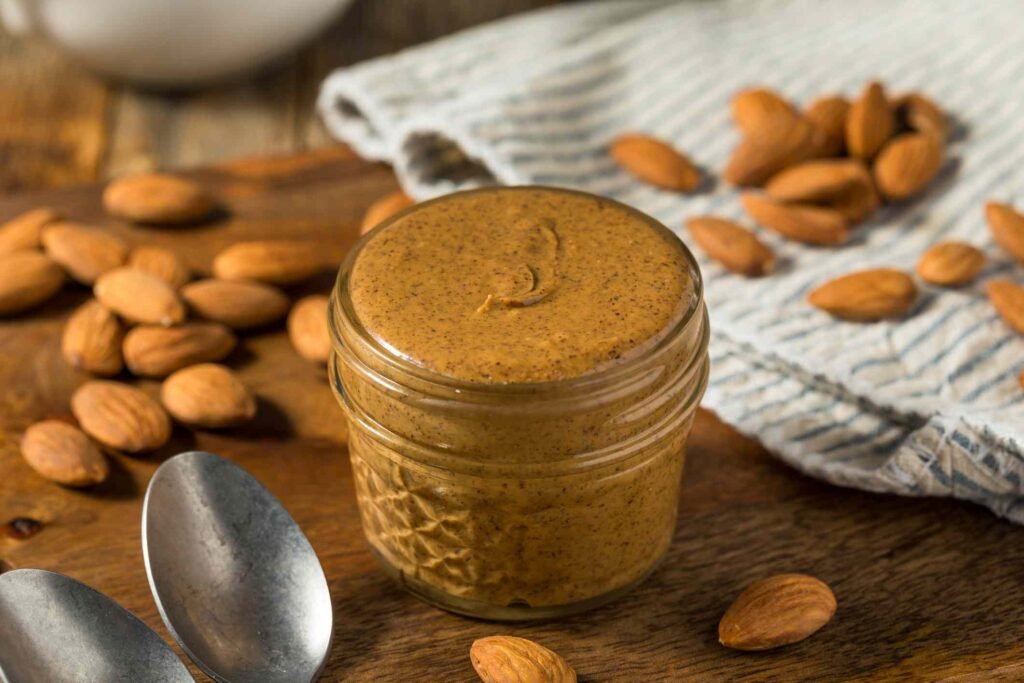
To get the most out of almond butter:
- Portion control: A standard serving is 2 tablespoons, providing nutrients without excessive calories.
- Pair with fiber: Pairing almond butter with fruits, vegetables, or whole grains helps improve satiety and digestion.
- Rotate with other nut butters: Cashew, peanut, or sunflower seed butter can complement your diet and provide diverse nutrients.
- Choose minimally processed options: Avoid heavily sweetened or hydrogenated almond butter to maintain its natural benefits.
- Mind storage: Store in an airtight container to prevent oxidation and maintain flavor.
Nutritional Considerations
Almond butter is calorie-dense, so portion awareness is important. A 2-tablespoon serving contains approximately 190–200 calories, 7 grams of protein, 16 grams of fat (mostly unsaturated), 3 grams of fiber, and essential vitamins and minerals. When incorporated into a balanced vegetarian diet, it provides sustained energy and supports overall health without adding unnecessary processed sugars or unhealthy fats.
Environmental and Ethical Aspects
Almond production is plant-based, making almond butter a sustainable protein source compared to animal-based spreads. Choosing organic or locally sourced almonds further supports environmentally responsible farming practices. While water usage in almond cultivation is a concern, mindful sourcing and moderate consumption can reduce environmental impact while still benefiting from almond butter’s nutritional advantages.
Conclusion
Almond butter is a nutritional powerhouse, offering heart-healthy fats, plant-based protein, fiber, and essential vitamins and minerals. Its versatility makes it an easy addition to daily meals, whether for breakfast, snacks, cooking, or desserts. Regular consumption of almond butter can support cardiovascular health, promote satiety, stabilize blood sugar, enhance brain function, and improve skin and hair health.
By choosing high-quality, minimally processed almond butter and incorporating it thoughtfully into your daily routine, you can enjoy its health benefits, flavor, and convenience without compromising on nutrition. Whether spread on toast, blended into smoothies, or used in cooking and baking, almond butter proves to be an indispensable ingredient for anyone seeking a wholesome, plant-based, and delicious addition to their diet.