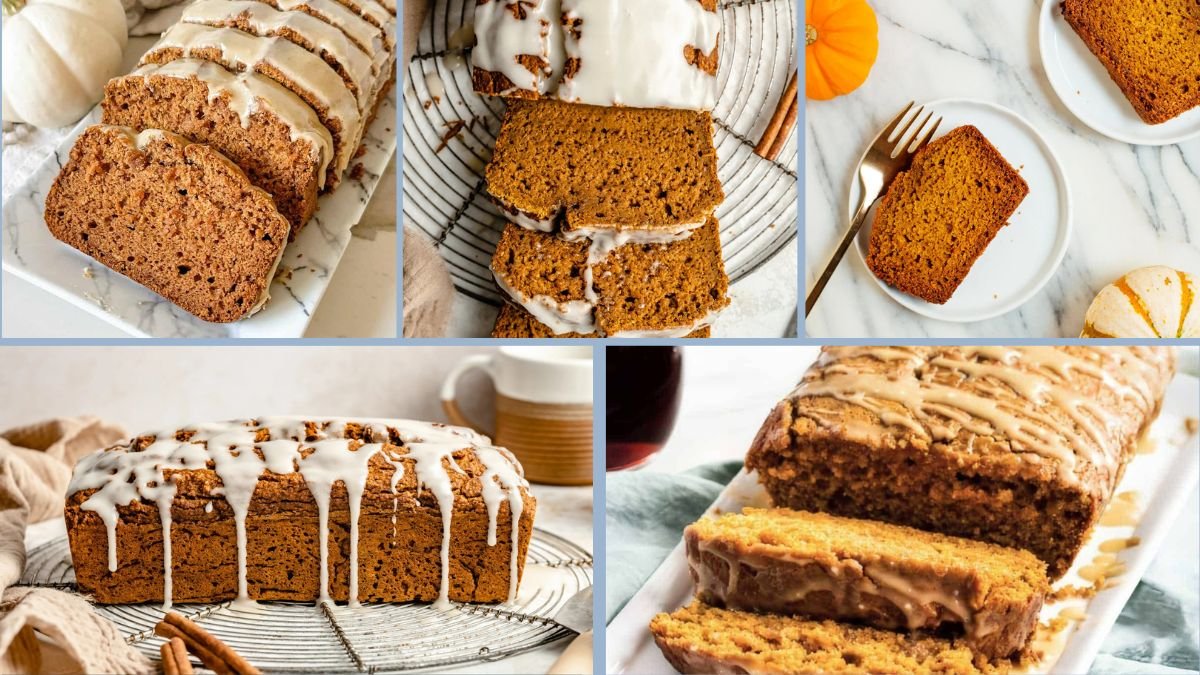
Autumn is a season of warmth, comfort, and flavors that evoke nostalgia. Among the many seasonal treats, pumpkin bread stands out as a delightful and aromatic option that brings the essence of fall into the home. When paired with a sweet maple glaze, this loaf becomes an irresistible centerpiece for breakfast, brunch, or afternoon tea. This article explores the preparation, ingredients, variations, and cultural significance of homemade pumpkin bread with maple glaze, providing detailed guidance for both beginners and seasoned bakers.
The Charm of Pumpkin Bread
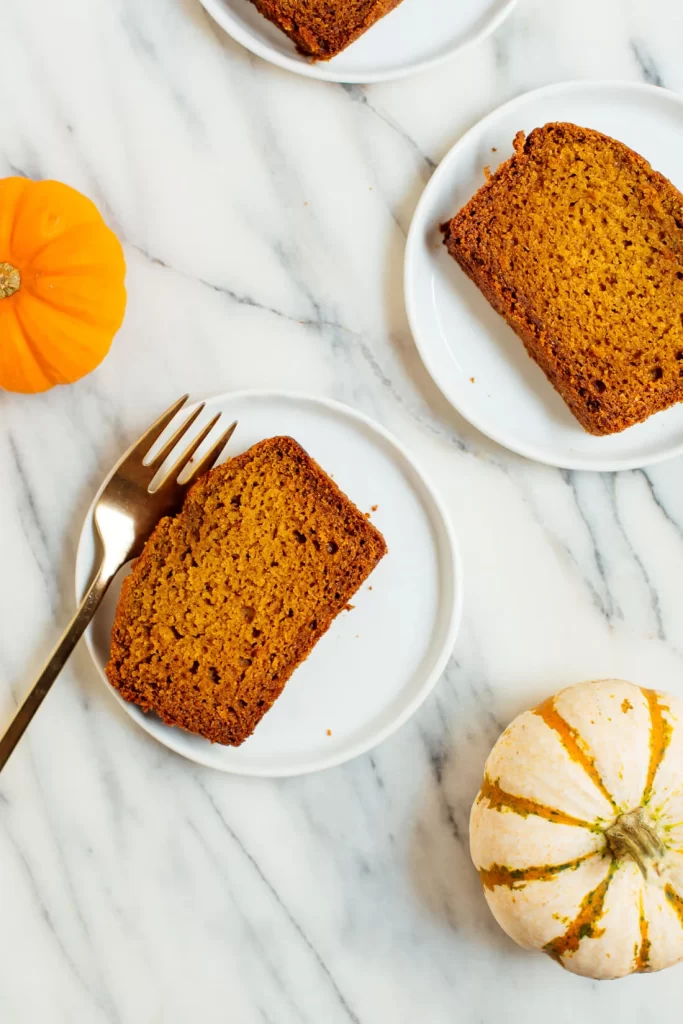
Pumpkin bread is more than just a dessert; it’s a versatile baked good that offers moist texture, subtle sweetness, and rich flavor. Unlike heavy cakes, pumpkin bread has a tender crumb and can be served in slices for breakfast, snack, or even dessert. Pumpkin, the main ingredient, is not only flavorful but also nutrient-rich, containing fiber, vitamins A and C, and antioxidants. Incorporating spices such as cinnamon, nutmeg, and ginger enhances the sensory experience, creating a loaf that is both comforting and aromatic.
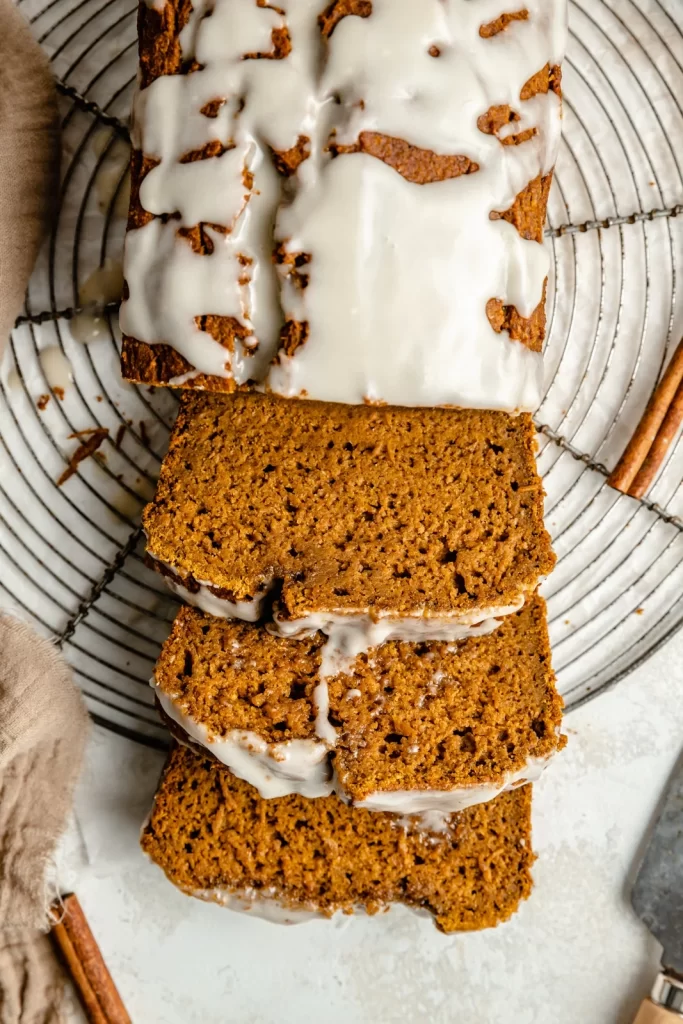
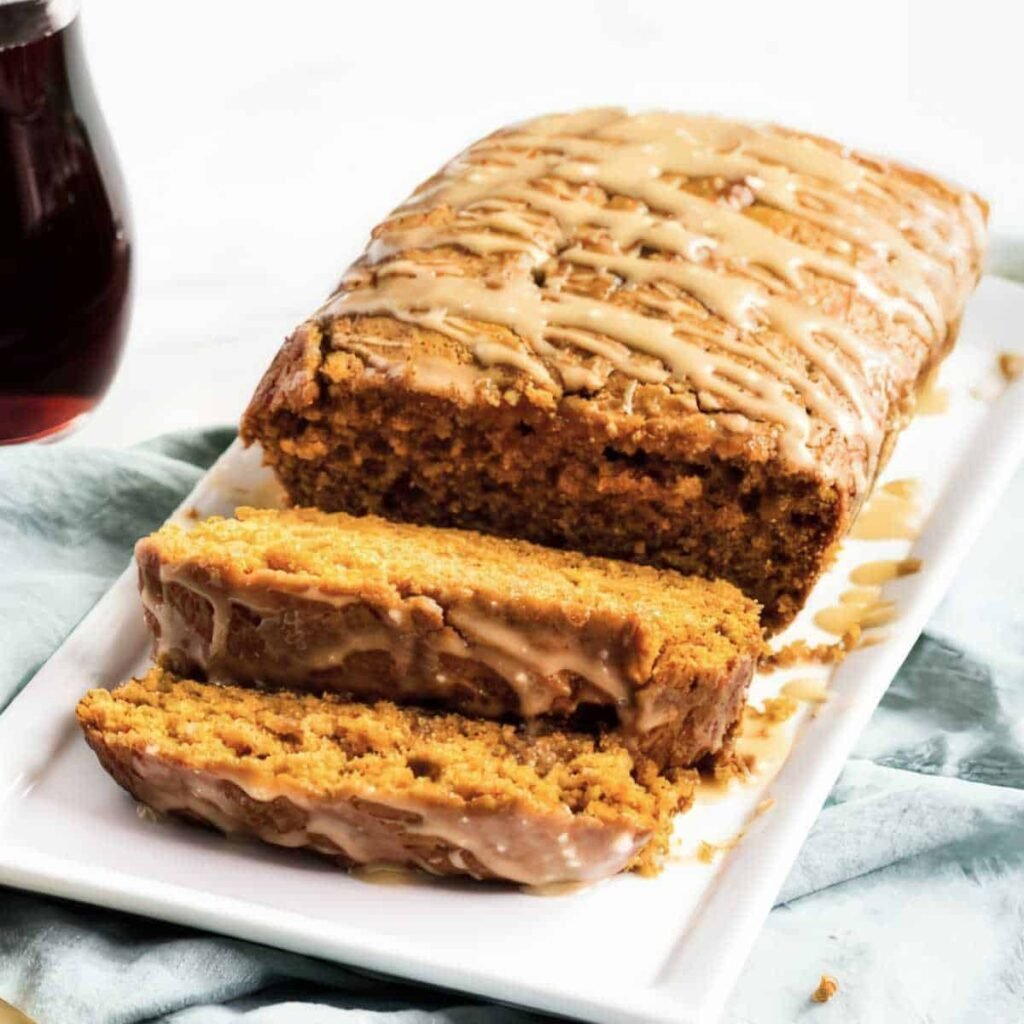
The maple glaze adds an extra layer of sweetness and visual appeal, transforming a simple loaf into a festive treat suitable for family gatherings, holidays, or gifting.
Ingredients for Pumpkin Bread
A successful pumpkin bread starts with high-quality, fresh ingredients. Here is a breakdown of the key components:
Wet Ingredients:
- Pumpkin puree: 1 cup (freshly roasted or canned)
- Vegetable oil: 1/2 cup (can substitute with melted coconut oil)
- Maple syrup: 1/4 cup for sweetness (optional additional for glaze)
- Vanilla extract: 1 teaspoon
Dry Ingredients:
- All-purpose flour: 1 3/4 cups
- Baking soda: 1 teaspoon
- Baking powder: 1 teaspoon
- Salt: 1/2 teaspoon
- Ground cinnamon: 1 teaspoon
- Ground nutmeg: 1/2 teaspoon
- Ground ginger: 1/4 teaspoon
- Brown sugar: 3/4 cup (adds moisture and depth of flavor)
Optional Add-ins:
- Chopped nuts such as walnuts or pecans
- Chocolate chips
- Dried fruits such as raisins or cranberries
The combination of these ingredients ensures a perfectly moist, tender loaf with a rich, warming aroma.
Preparation Steps
1. Preparing the Pan
Begin by preheating your oven to 350°F (175°C). Grease a 9×5-inch loaf pan with vegetable oil or line it with parchment paper to prevent sticking. Proper preparation ensures easy removal and an evenly baked loaf.
2. Mixing the Wet Ingredients
In a large mixing bowl, combine pumpkin puree, vegetable oil, maple syrup, and vanilla extract. Whisk until smooth and fully incorporated. This step ensures even distribution of moisture throughout the batter.
3. Combining the Dry Ingredients
In a separate bowl, sift together the flour, baking soda, baking powder, salt, cinnamon, nutmeg, and ginger. Sifting helps avoid lumps and ensures an even rise. Gradually add the brown sugar and mix well.
4. Creating the Batter
Slowly fold the dry ingredients into the wet mixture using a spatula or wooden spoon. Mix gently until just combined; overmixing can lead to a dense, tough loaf. At this stage, fold in optional add-ins like nuts or chocolate chips if desired.
5. Baking
Pour the batter into the prepared loaf pan, spreading it evenly. Bake for 50–60 minutes, or until a toothpick inserted into the center comes out clean. Avoid opening the oven door frequently to maintain consistent baking temperatures.
6. Cooling
Allow the bread to cool in the pan for 10–15 minutes before transferring it to a wire rack. Cooling prevents the loaf from breaking and maintains its moist texture.
Preparing the Maple Glaze
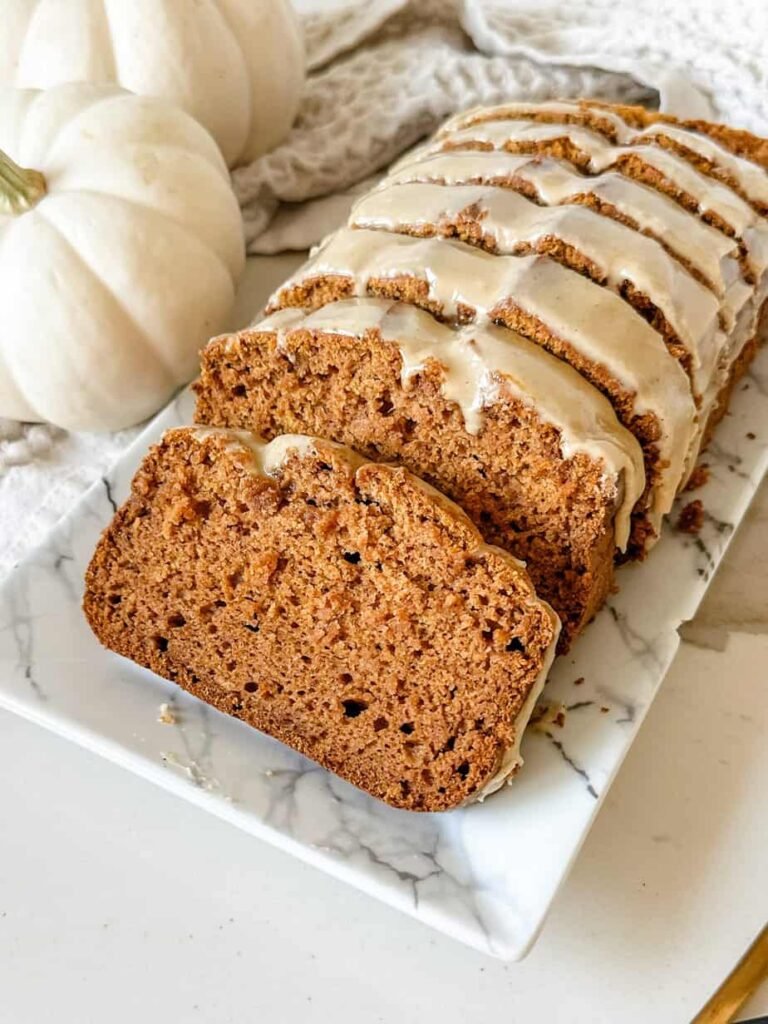
The maple glaze adds a sweet, glossy finish to the loaf, enhancing both flavor and presentation.
Ingredients:
- 1 cup powdered sugar
- 2–3 tablespoons pure maple syrup
- 1–2 teaspoons milk (or plant-based milk for vegan options)
- 1/2 teaspoon vanilla extract (optional)
Steps:
- In a small bowl, whisk together powdered sugar, maple syrup, and milk until smooth.
- Adjust consistency by adding more powdered sugar (for thicker glaze) or more maple syrup/milk (for a thinner glaze).
- Drizzle the glaze over the cooled pumpkin bread using a spoon or piping bag.
- Allow the glaze to set for 10–15 minutes before slicing and serving.
Tip: For an added touch, sprinkle chopped nuts or a dash of cinnamon over the glaze before it sets.
Variations and Enhancements
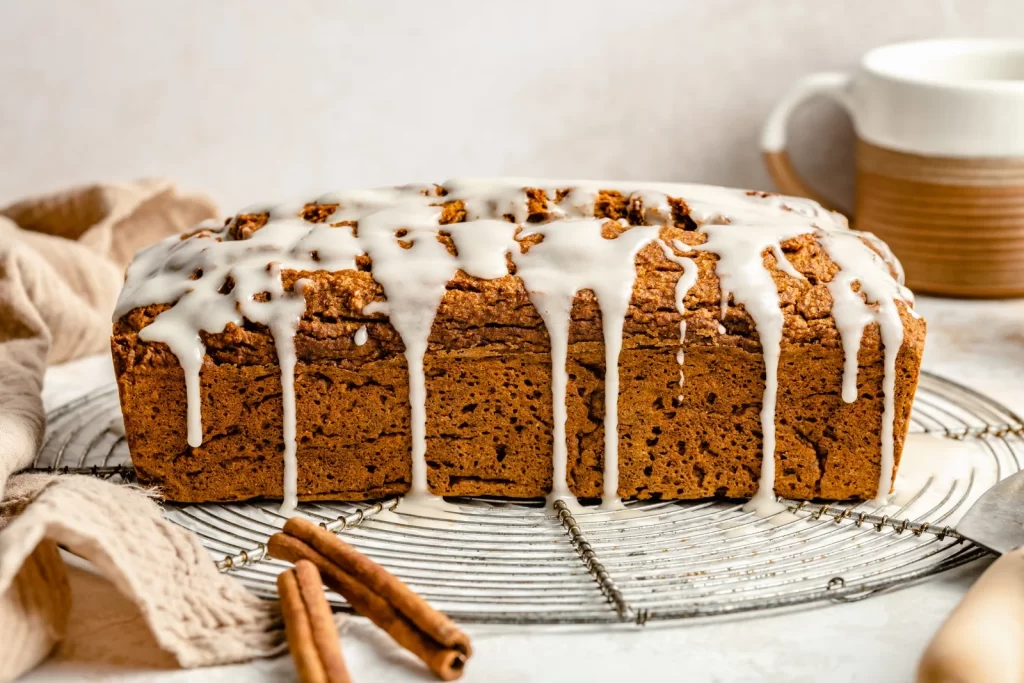
Homemade pumpkin bread is highly versatile and can be customized according to taste preferences. Some popular variations include:
1. Spiced Pumpkin Bread
Increase the spices (cinnamon, nutmeg, ginger, or cloves) for a more aromatic and festive loaf.
2. Chocolate Swirl Pumpkin Bread
Add a chocolate batter swirl to the pumpkin mixture for a visually appealing and decadent option.
3. Nutty Pumpkin Bread
Fold in toasted walnuts, pecans, or almonds for added crunch and flavor.
4. Vegan Adaptation
Replace eggs with flaxseed meal or chia seeds mixed with water, and use plant-based milk in the glaze for a fully vegan loaf.
These variations allow the baker to experiment with flavors and textures, creating a loaf that can suit any occasion.
Nutritional Benefits
Pumpkin bread is not only flavorful but also nutritionally beneficial. Pumpkin is rich in beta-carotene, which supports eye health and immunity. The loaf also provides dietary fiber, which aids digestion, and the use of whole ingredients like brown sugar and nuts contributes healthy fats and sustained energy. By using maple syrup instead of refined sugar, the bread gains additional antioxidants and minerals, making it a wholesome treat without excessive sweetness.
Serving Suggestions
Pumpkin bread with maple glaze can be enjoyed in numerous ways:
- Breakfast: Serve warm with a cup of tea or coffee for a cozy morning.
- Snack: Slice and enjoy as an afternoon snack with fruit or yogurt.
- Dessert: Pair with vanilla ice cream or a dollop of whipped cream for a decadent treat.
- Gift: Wrap a loaf in parchment paper with a ribbon for a thoughtful homemade gift.
The bread’s moist texture and sweet glaze make it versatile for many settings, from casual family meals to festive celebrations.
Cultural and Seasonal Significance
Pumpkin bread is closely associated with autumn and harvest traditions, particularly in North America. It embodies the warmth and comfort of seasonal cooking, making it a staple during Halloween, Thanksgiving, and other fall festivities. Maple syrup, often harvested in early spring, complements the autumn flavors and adds a touch of regional tradition. By baking pumpkin bread at home, individuals can connect with culinary heritage while enjoying the process of preparing and sharing food.
Conclusion
Homemade pumpkin bread with maple glaze is a timeless, versatile, and comforting treat that captures the essence of fall. With its tender crumb, aromatic spices, and sweet glaze, it offers both sensory pleasure and nutritional value. By following the detailed preparation steps, incorporating optional variations, and embracing seasonal ingredients, bakers can create a loaf that is not only delicious but also visually appealing and wholesome.
Whether served for breakfast, as a snack, or as a dessert centerpiece, pumpkin bread with maple glaze brings warmth, joy, and the comforting flavors of home to every occasion. Its simplicity, combined with the richness of natural ingredients, makes it an ideal project for culinary enthusiasts, seasonal bakers, and anyone looking to celebrate the charm of homemade food.