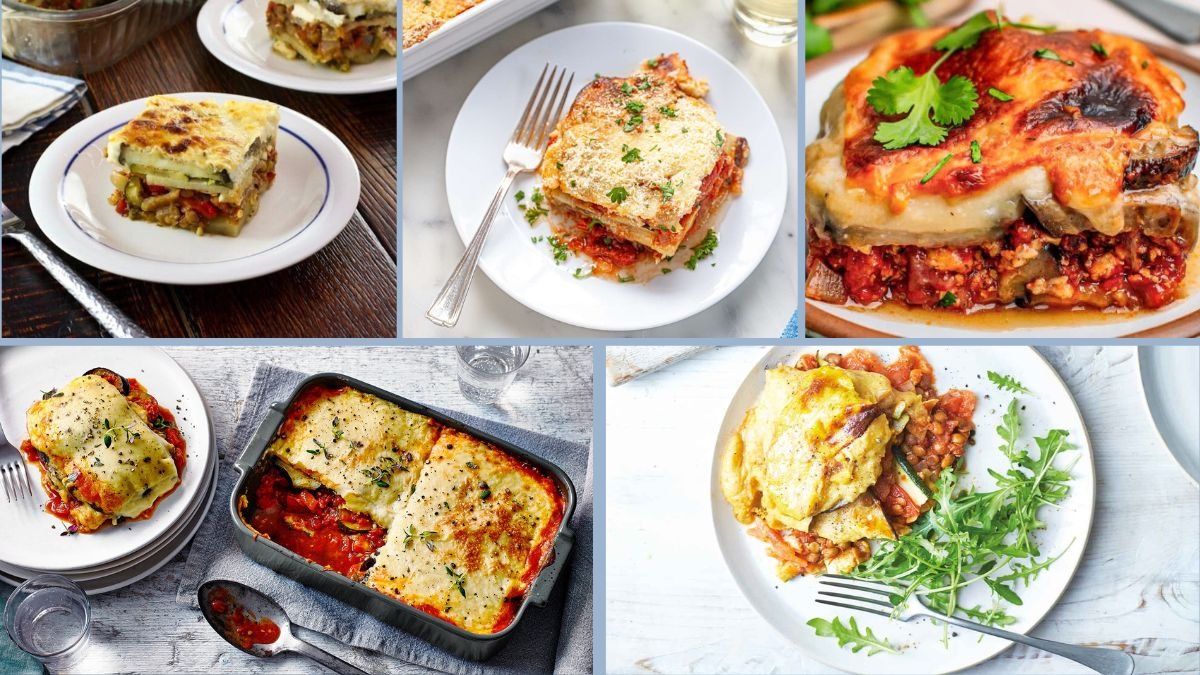
Moussaka is a classic Mediterranean dish that embodies the rich flavors and textures of Greek cuisine. Traditionally, moussaka features layers of eggplant, potatoes, a savory tomato-based filling, and a creamy béchamel sauce. While many versions include meat, an authentic vegetarian moussaka celebrates the natural richness of vegetables, legumes, and aromatic spices without sacrificing flavor.
Creating a perfect vegetarian moussaka requires careful attention to ingredient selection, preparation, and cooking technique. Here are nine essential steps to ensure your moussaka turns out flavorful, layered, and satisfying every time.
Step 1: Select Fresh and Firm Vegetables
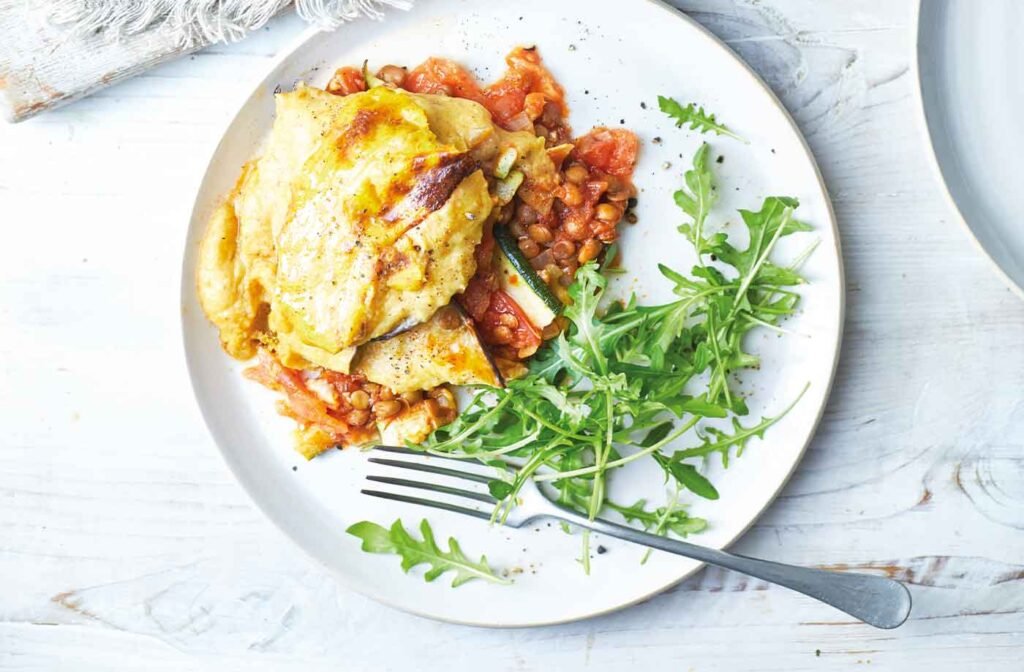
The foundation of moussaka is its vegetables, especially eggplant and potatoes.
- Eggplants: Choose medium-sized, firm eggplants with smooth, shiny skin. Avoid overly large or spongy ones, as they may be bitter or watery.
- Potatoes: Use starchy varieties like Yukon Gold or Russet for a tender yet firm base layer.
- Optional Additions: Zucchini or bell peppers can be included for extra flavor and nutrition.
Pro Tip: Slice vegetables evenly to ensure uniform cooking. Salt eggplant slices and let them sit for 30 minutes to remove excess moisture and bitterness. Pat dry before cooking.
Science Insight: Salting eggplant draws out water and reduces bitterness, preventing a soggy final dish. Uniform slicing ensures even cooking and a balanced texture.
Step 2: Prepare the Potato Layer
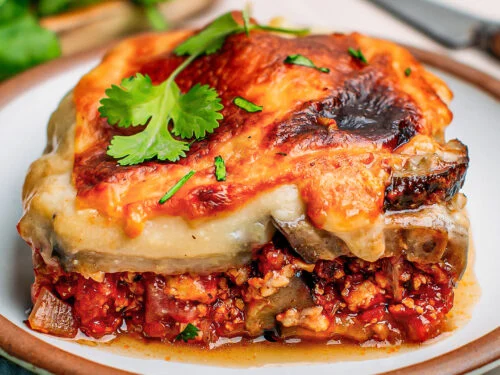
Potatoes form the sturdy base of the moussaka.
- Cooking Method: Boil, steam, or roast potatoes until just tender. Avoid overcooking, as they will continue cooking in the oven.
- Seasoning: Lightly season with salt, pepper, and olive oil to enhance natural flavors.
Pro Tip: Slightly pre-cooked potatoes help prevent the bottom layer from becoming mushy while baking.
Culinary Insight: Partially cooked potatoes retain their shape and absorb flavors from the tomato and béchamel layers during baking.
Step 3: Cook the Eggplant
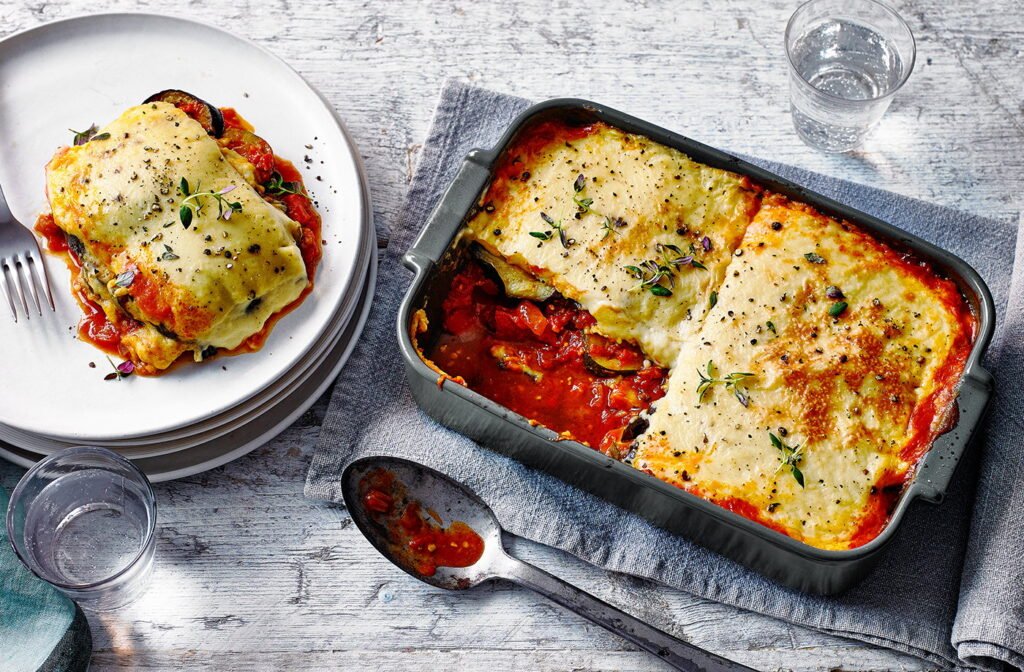
Eggplant adds depth and a silky texture to the dish.
- Roasting: Brush slices with olive oil and roast until tender and slightly golden.
- Pan-Searing: Alternatively, pan-sear slices to develop a richer, caramelized flavor.
- Avoid Excess Oil: Eggplant absorbs oil quickly, so monitor carefully to prevent greasiness.
Pro Tip: Layer roasted eggplant on paper towels to remove excess oil before assembly.
Science Insight: Roasting or searing enhances the Maillard reaction, creating a deeper, more complex flavor profile.
Step 4: Make the Savory Filling
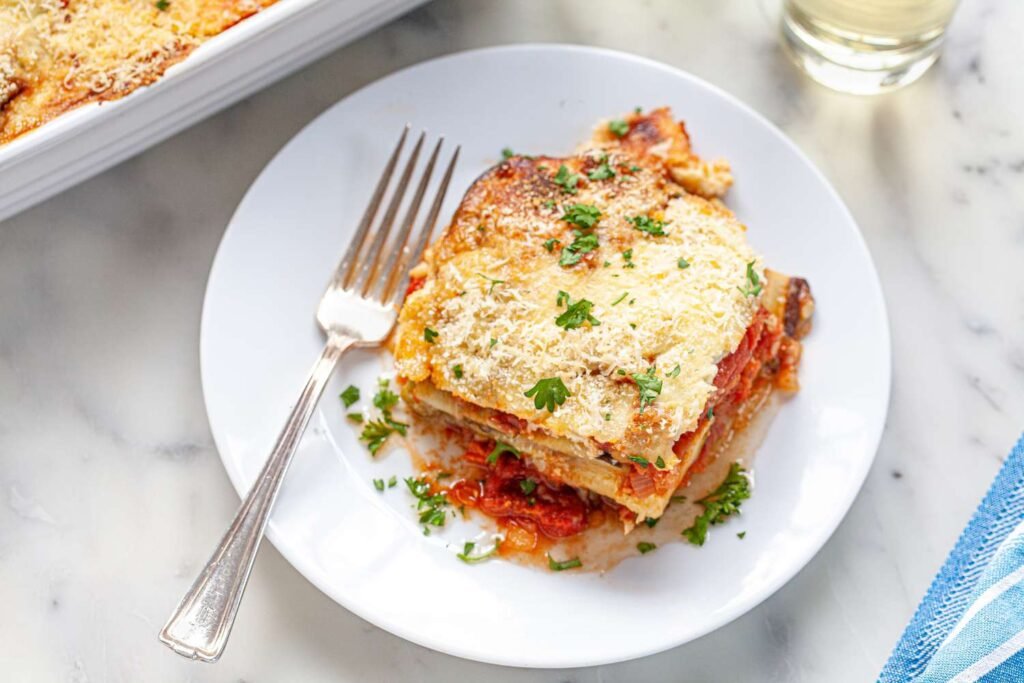
The filling is the heart of vegetarian moussaka.
- Ingredients: Sauté onions, garlic, and carrots until soft. Add diced tomatoes, tomato paste, cooked lentils, or chickpeas for protein.
- Herbs and Spices: Oregano, cinnamon, nutmeg, and black pepper create the signature Mediterranean flavor.
- Simmering: Allow the mixture to simmer until thickened and well-blended.
Pro Tip: Use crushed or diced tomatoes for a slightly chunky texture. Simmering concentrates flavors and reduces excess liquid.
Culinary Insight: Spices like cinnamon add warmth and subtle complexity, complementing the earthy eggplant and creamy béchamel.
Step 5: Prepare the Béchamel Sauce
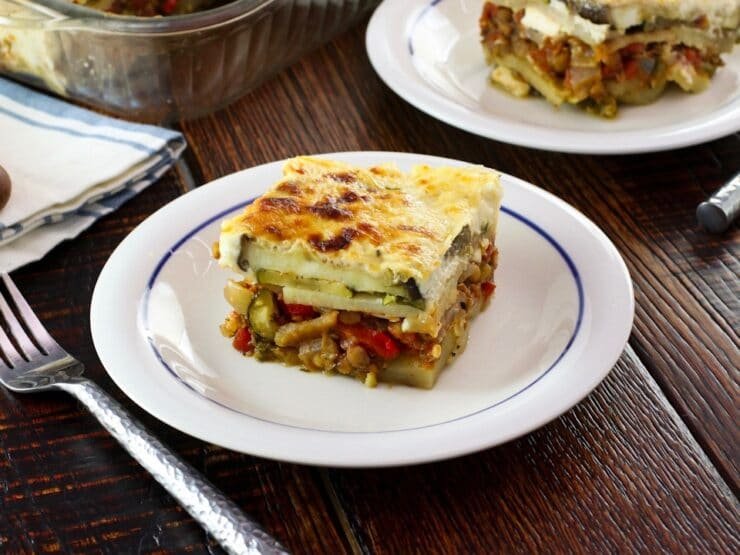
Béchamel is the creamy topping that makes moussaka indulgent.
- Ingredients: Butter (or vegan alternative), flour, milk (dairy or plant-based), and seasonings.
- Technique: Make a roux by melting butter and whisking in flour. Gradually add warm milk while stirring to prevent lumps. Season with nutmeg, salt, and pepper.
- Consistency: Sauce should be smooth, thick, but pourable, capable of coating the spoon.
Pro Tip: Use a hand whisk and add milk gradually for a silky sauce.
Science Insight: The starch in the flour thickens the liquid, while continuous whisking prevents clumping, producing a smooth, creamy sauce.
Step 6: Assemble the Layers
Proper layering ensures balanced flavors and even cooking.
- Potato Layer: Spread evenly at the bottom of a greased baking dish.
- Eggplant Layer: Arrange roasted slices over potatoes.
- Vegetable Filling: Spread the tomato-legume mixture evenly.
- Béchamel Topping: Pour béchamel sauce over the top and smooth with a spatula.
Pro Tip: Avoid overpacking layers. Maintain distinct layers for aesthetic appeal and even cooking.
Presentation Insight: Clear, defined layers make the dish visually appealing and enhance the eating experience.
Step 7: Bake to Golden Perfection
Baking melds flavors and sets the structure.
- Temperature: Bake at 350°F (175°C) for 45–60 minutes.
- Goal: Béchamel should form a lightly golden crust, and the layers should be cooked through.
- Check: Insert a knife into the center to ensure vegetables are tender.
Pro Tip: Cover the dish with foil for the first 30 minutes to retain moisture, then uncover to brown the top.
Science Insight: Heat coagulates proteins in the sauce and melts starches in vegetables, binding layers together. Browning on top creates flavor through the Maillard reaction.
Step 8: Rest Before Serving
Resting allows the moussaka to set, making it easier to cut and serve.
- Timing: Let it cool for 10–15 minutes before slicing.
- Benefit: Layers firm up, and flavors meld, improving overall taste and texture.
Pro Tip: Serve slightly warm rather than piping hot to maintain shape.
Culinary Insight: Resting balances internal moisture and prevents the dish from collapsing when sliced.
Step 9: Garnish and Serve
Final touches elevate presentation and flavor.
- Herbs: Fresh parsley or oregano adds color and freshness.
- Optional Toppings: Sprinkle vegan Parmesan for extra richness.
- Serving Suggestions: Serve with a side salad, crusty bread, or roasted vegetables.
Pro Tip: Slice carefully with a sharp knife to preserve neat layers for presentation.
Bonus Tips for Authentic Vegetarian Moussaka
- Make Ahead: Moussaka can be prepared in advance and baked before serving; flavors improve overnight.
- Layer Variations: Add zucchini, mushrooms, or bell peppers for extra depth.
- Vegan Option: Use plant-based butter and milk for béchamel.
- Flavor Enhancers: A splash of red wine in the tomato filling adds acidity and richness.
- Texture Variation: Include a mix of finely chopped and chunky vegetables to add interest.
Conclusion
Perfect vegetarian moussaka is a balance of textures, flavors, and technique. By following these nine steps—selecting fresh vegetables, preparing potatoes and eggplant, making a savory filling, creating creamy béchamel, layering carefully, baking properly, resting, and garnishing—you can create a dish that is both comforting and elegant.
This classic Mediterranean dish proves that vegetarian cuisine can be rich, hearty, and satisfying. With creamy béchamel, tender vegetables, and aromatic herbs, vegetarian moussaka delivers a culinary experience that rivals traditional versions. Whether for weeknight dinners, festive occasions, or meal prep, mastering vegetarian moussaka is a rewarding addition to any kitchen.