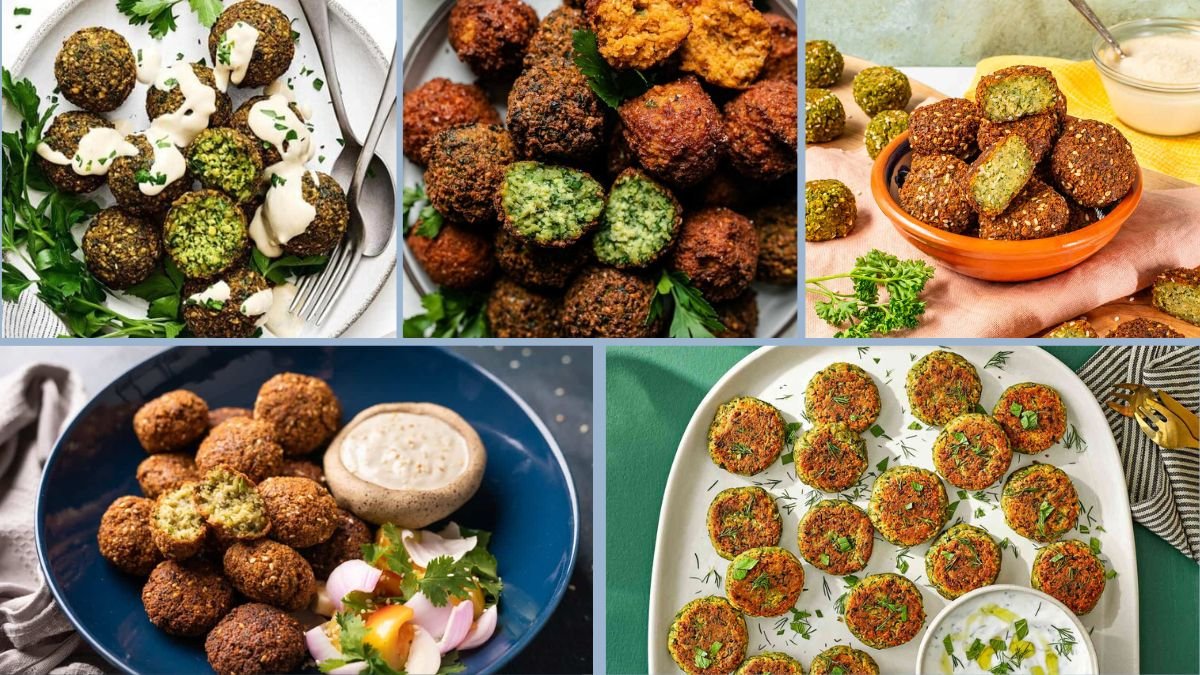
Falafel is a classic Middle Eastern dish loved worldwide for its crispy exterior, soft interior, and bold, herbaceous flavor. Traditionally made from chickpeas, herbs, and spices, falafel can be enjoyed as a snack, appetizer, or main dish, often served with pita, salads, or tahini sauce. While simple in concept, achieving perfectly crispy falafel can be surprisingly tricky, as it requires balancing moisture, binding, seasoning, and cooking technique.
The goal is to create falafel that is crispy on the outside, tender on the inside, and bursting with flavor without using any animal products. Here are five secrets that ensure falafel turns out perfect every time.
Secret 1: Use the Right Base Ingredient
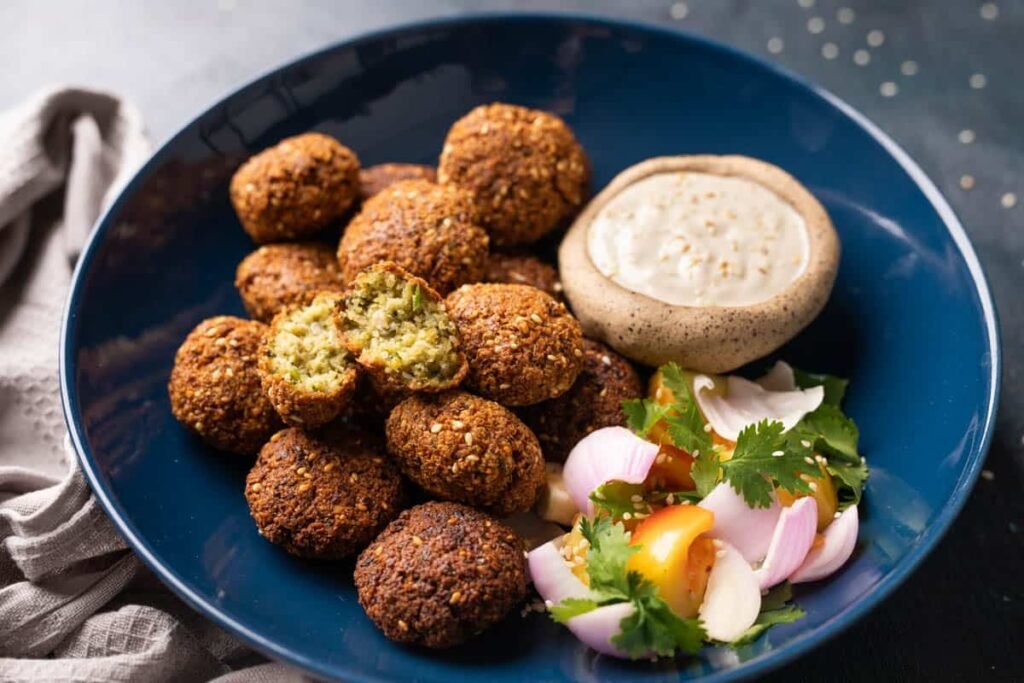
The foundation of falafel is chickpeas. The way they are prepared directly impacts texture and flavor.
- Soaked, Not Cooked: Use dried chickpeas soaked overnight rather than canned chickpeas. Canned chickpeas contain excess moisture, which can make the falafel dense or mushy.
- Even Hydration: Soak chickpeas for 12–24 hours to ensure they are plump and soft enough to blend smoothly but not soggy.
- Optional Additions: A small portion of fava beans can be mixed in for extra creaminess and authenticity.
Pro Tip: Drain and dry chickpeas thoroughly before blending to avoid excess moisture, which prevents the falafel from crisping properly.
Science Insight: Soaking rehydrates chickpeas, making them soft enough to mash while maintaining structural integrity. Overcooked or canned chickpeas release too much starch, reducing crispiness.
Secret 2: Master the Spice and Herb Blend
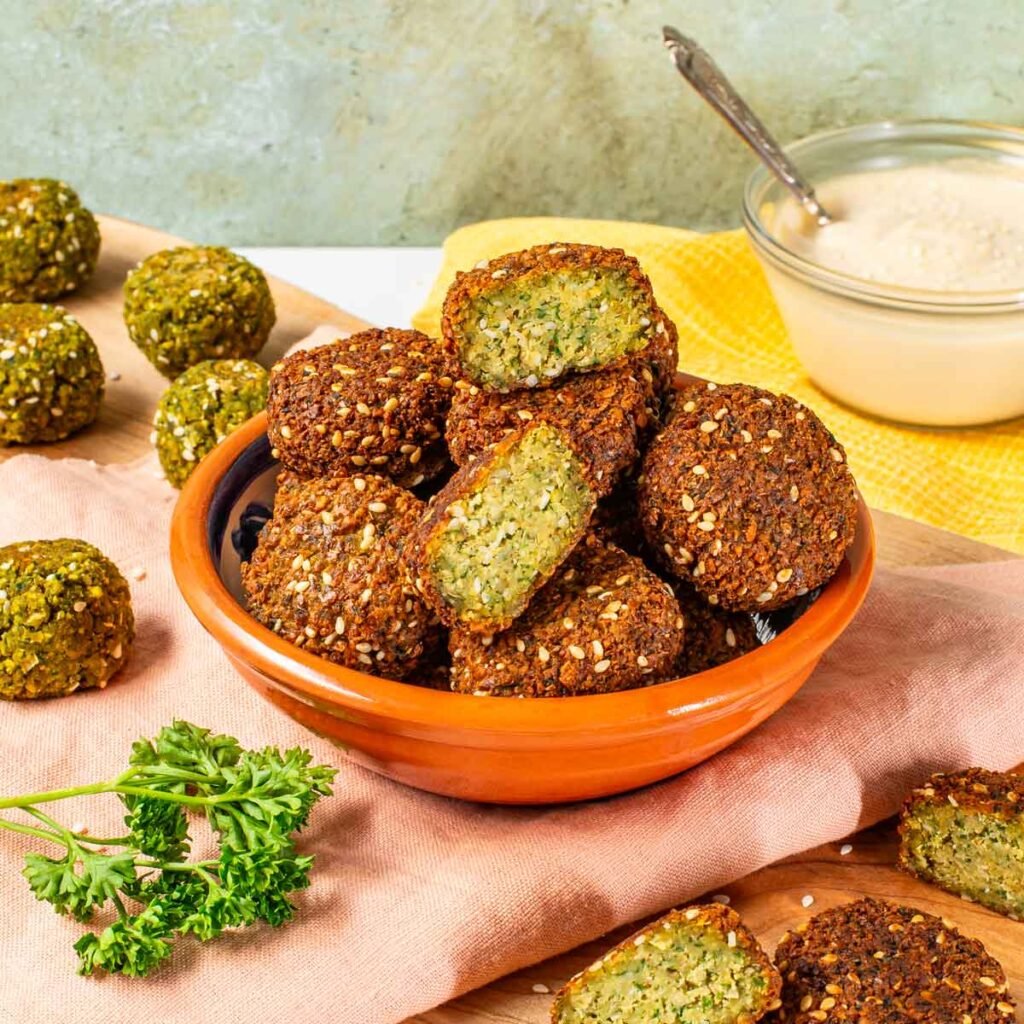
Flavor is what sets falafel apart from ordinary fried patties. Fresh herbs and aromatic spices make the dish vibrant and savory.
- Herbs: Parsley, cilantro, and sometimes mint contribute freshness and color.
- Spices: Ground cumin, coriander, garlic, onion, and paprika create warmth and depth.
- Binding Spices: Adding a pinch of baking powder enhances lightness and helps crispiness.
Pro Tip: Pulse herbs and chickpeas together just enough to combine. Over-blending can turn the mixture into a paste, resulting in dense falafel.
Culinary Insight: Fresh herbs release essential oils when blended, giving the falafel a vibrant aroma. Spices and aromatics distribute evenly, ensuring that every bite is flavorful.
Secret 3: Get the Texture Right
Texture is critical for achieving that signature crisp exterior and tender interior.
- Coarse, Not Smooth: The mixture should be coarse enough to hold some bite but fine enough to form cohesive balls or patties.
- Add Absorbents: Chickpea flour, all-purpose flour, or breadcrumbs help absorb excess moisture and provide structure.
- Chilling the Mixture: Refrigerate the mixture for 30–60 minutes before shaping. Cold falafel holds together better during frying.
Pro Tip: Avoid adding water to the mixture. Natural moisture from soaked chickpeas and vegetables is sufficient.
Science Insight: Proper texture and chilling allow proteins and starches to firm up, creating falafel that holds its shape and crisps evenly.
Secret 4: Frying for Optimal Crispiness
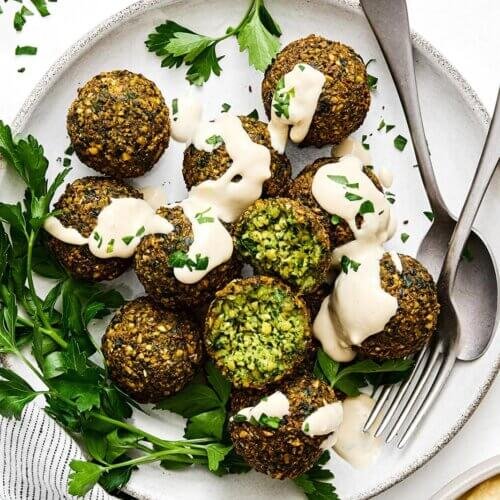
Frying technique is crucial for falafel’s iconic crunch.
- Oil Temperature: Heat oil to 350–375°F (175–190°C). Too low, and falafel absorbs oil; too high, and it burns before cooking through.
- Shallow vs. Deep Frying: Both methods work, but deep frying ensures even cooking and uniform browning. Shallow frying requires careful turning.
- Avoid Crowding: Fry a few falafel at a time to maintain oil temperature and avoid steaming.
Pro Tip: Test one falafel first. Adjust oil temperature and cooking time as needed before frying the full batch.
Science Insight: Frying at the correct temperature allows the surface water to evaporate quickly, forming a Maillard-browned crust while the interior cooks gently.
Secret 5: Serve Fresh and Add Finishing Touches
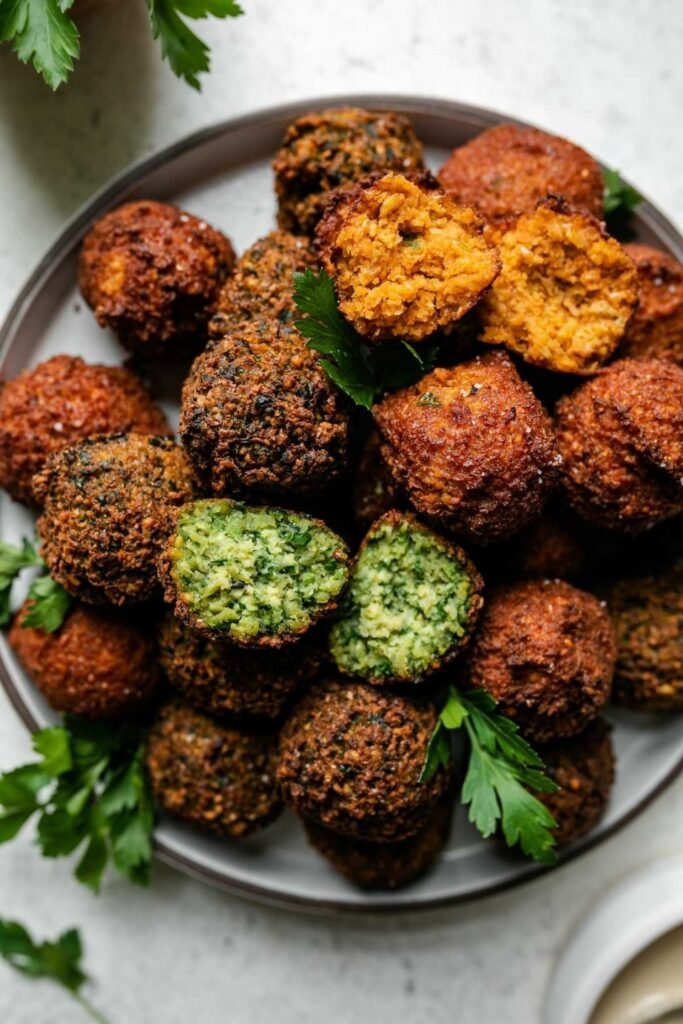
Falafel is best enjoyed immediately, while still warm and crisp.
- Drain Excess Oil: Place fried falafel on a wire rack or paper towel to remove extra oil.
- Accompaniments: Serve with pita, fresh vegetables, pickles, or sauces like tahini or yogurt-based dressings.
- Garnishes: Sprinkle with fresh herbs, sesame seeds, or a drizzle of lemon juice for added flavor.
Pro Tip: If making in advance, reheat falafel in a hot oven for 5–10 minutes to restore crispiness rather than microwaving, which makes them soft.
Serving Insight: Freshly fried falafel retains its contrast of textures—the crunch of the exterior and the tender, flavorful interior—which is the hallmark of high-quality falafel.
Bonus Tips for Perfect Falafel
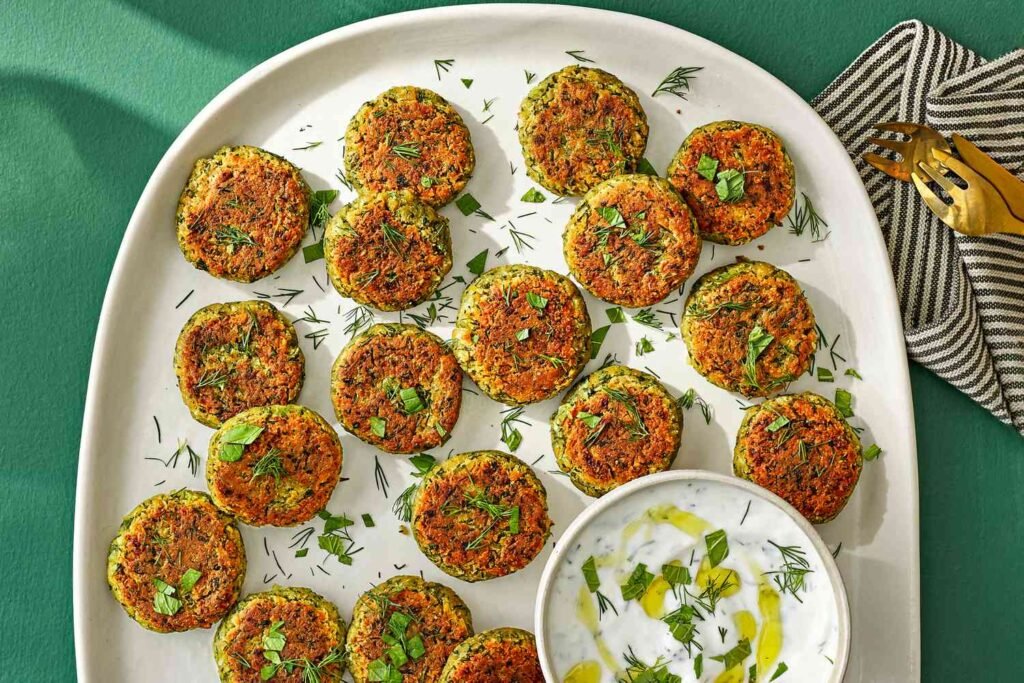
- Batch Preparation: Soak chickpeas overnight and prepare the mixture in advance for convenient cooking.
- Experiment with Herbs: Mint, dill, or chives add unique flavor twists.
- Add Vegetables Sparingly: Grated carrots, zucchini, or onions can add moisture and nutrition but should not overwhelm the chickpeas.
- Oven-Baked Option: For a lighter version, bake falafel at 400°F (200°C) for 20–25 minutes, brushing lightly with oil for crispness.
- Creative Serving Ideas: Turn falafel into bowls with grains, greens, roasted vegetables, and sauces for a modern, wholesome meal.
Conclusion
Perfecting falafel requires attention to ingredient quality, texture, seasoning, cooking technique, and presentation. By following these five secrets—using the right base, mastering the herb and spice blend, achieving optimal texture, frying properly, and serving fresh—you can create falafel that is crispy, flavorful, and completely plant-based.
Falafel exemplifies the beauty of vegetarian cooking: simple, wholesome ingredients transformed through technique and flavor layering into a dish that satisfies even meat-eaters. Crisp on the outside, tender on the inside, and bursting with aroma, falafel is a versatile dish that can be served in pita sandwiches, grain bowls, salads, or as a snack.
With these tips, falafel becomes not just a casual street food favorite but a refined, professional-quality dish that can shine at any meal or occasion. Mastering the art of crispy falafel will elevate your plant-based cooking repertoire and demonstrate how attention to detail can transform humble ingredients into a culinary delight.