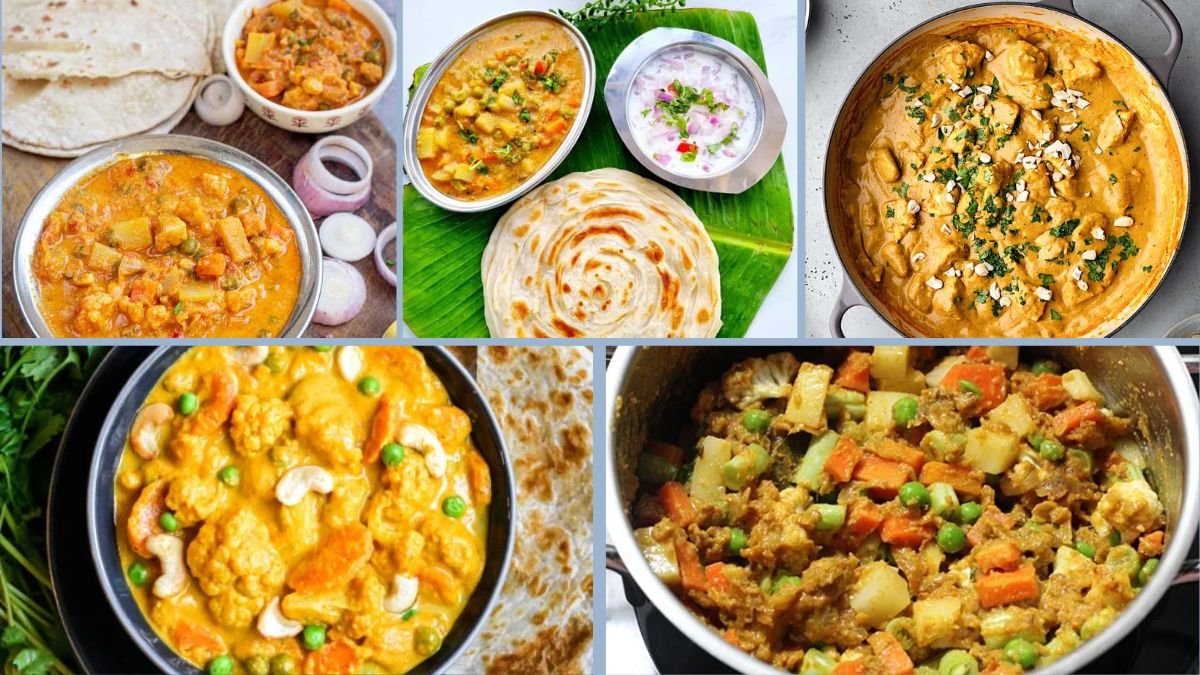
Vegetable Kurma (or Korma) is a creamy, mildly spiced South Indian curry made with mixed vegetables, aromatic spices, and rich ingredients like coconut or nuts. Unlike North Indian gravies that often rely on butter or cream, South Indian kurma uses cashew paste, coconut, or yogurt to create a creamy, satisfying curry — all while staying vegetarian and balanced.
This article explains a refined and health-conscious version of Vegetable Kurma using cashew paste — a dairy-free, protein-rich, and wholesome thickening agent. Presented in six structured steps, the recipe integrates flavor development, nutrition, and technique in a manner suitable for academic culinary studies, dietary planning, or practical implementation in health-focused menus.
The following recipe is 100% vegetarian, excludes all meat or non-veg ingredients, and focuses on healthy cooking practices and balanced seasoning.
Why Cashew Paste in Kurma?
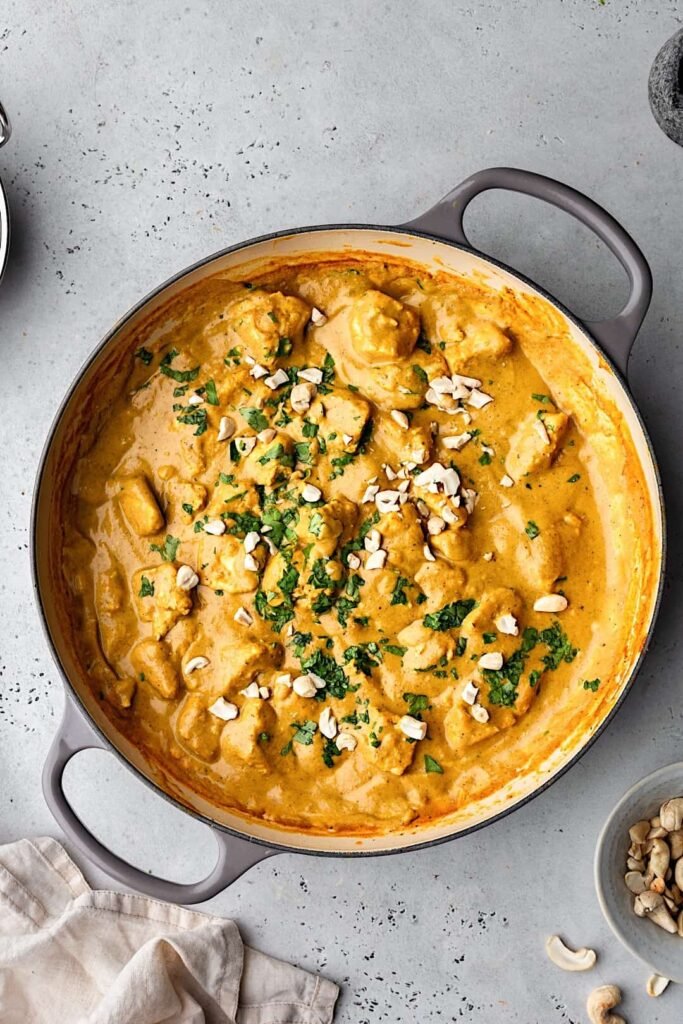
Before diving into the steps, it’s important to understand the role of cashew paste in this dish:
- Creaminess without cream: Cashew paste provides a naturally rich texture without the need for heavy dairy.
- Plant-based protein: Cashews are high in healthy fats, protein, and essential minerals (magnesium, zinc, iron).
- Flavor carrier: The mild sweetness and richness of cashew allow spices to shine without overpowering the vegetables.
- Thickening agent: Cashew paste, when cooked properly, binds the curry base and prevents watery texture.
Step 1: Gather & Prepare the Ingredients
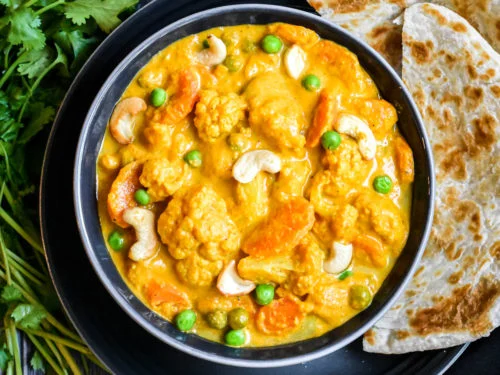
This recipe serves 4–5 people and requires easily available pantry items and vegetables.
Main Ingredients:
| Category | Ingredient | Quantity |
|---|---|---|
| Vegetables | Carrot, beans, potatoes, peas | 2 cups (chopped) |
| Cauliflower (optional) | ½ cup | |
| Green peas (fresh or frozen) | ½ cup | |
| Cashew paste | Raw cashews | 12–15 pieces |
| Warm water (to soak) | ¼ cup | |
| Whole spices | Cinnamon, clove, cardamom | 1 each |
| Bay leaf | 1 small | |
| Aromatics | Onion (finely chopped) | 1 large |
| Tomato (chopped or pureed) | 1 medium | |
| Ginger-garlic paste | 1 tsp | |
| Dry spices | Turmeric powder | ¼ tsp |
| Coriander powder | 1 tsp | |
| Red chili powder | ½ tsp (adjustable) | |
| Garam masala | ½ tsp | |
| Others | Salt | To taste |
| Oil or ghee (for cooking) | 2 tbsp | |
| Garnish | Fresh coriander | 2 tbsp (chopped) |
Optional: 2 tablespoons of thick coconut milk for extra richness (especially for Tamil Nadu or Kerala-style kurma).
Cashew Paste Preparation:
- Soak cashews in warm water for 15–20 minutes.
- Grind to a smooth paste with minimal water — the smoother the better.
Vegetable Preparation:
- Wash, peel, and dice vegetables uniformly (½-inch cubes recommended).
- Parboil or steam the vegetables until just tender but not mushy. Keep aside.
Step 2: Prepare the Base Masala
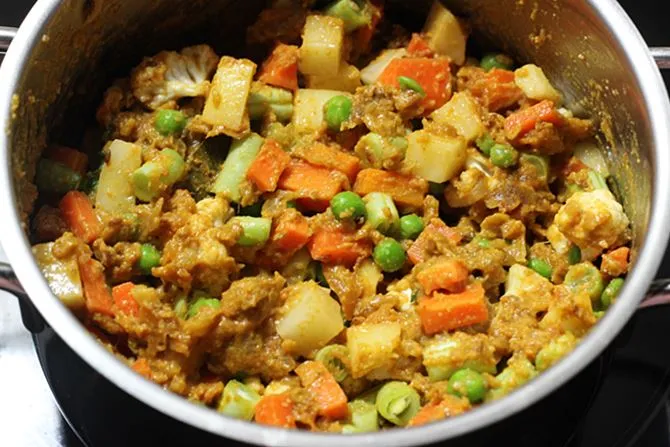
This step forms the aromatic foundation of your kurma.
- Heat oil or ghee in a deep pan or kadai.
- Add whole spices (cinnamon, clove, cardamom, bay leaf) and let them sizzle for a few seconds.
- Add finely chopped onions. Sauté until translucent to golden.
- Add ginger-garlic paste and sauté until raw smell disappears.
- Add chopped or pureed tomatoes. Cook until oil begins to separate — a key sign of proper base cooking.
- Add dry spices: turmeric, red chili, coriander powder. Mix well and sauté for 1–2 minutes on low heat to avoid burning.
This forms the spicy and flavorful masala that complements the subtle cashew and vegetables.
Step 3: Add Cashew Paste & Cook Gently
The cashew paste is added after the spices have roasted.
- Lower the heat and stir in the prepared cashew paste.
- Mix continuously for 2–3 minutes to avoid lumps or sticking.
- Cook until oil starts separating slightly — this ensures that the raw flavor of cashew disappears and the paste binds with the masala.
Cashew paste tends to stick to the pan. Use a non-stick surface or stir continuously with a spatula.
If the mixture becomes too thick, add a few tablespoons of water or vegetable broth to loosen it.
Step 4: Combine Vegetables & Simmer
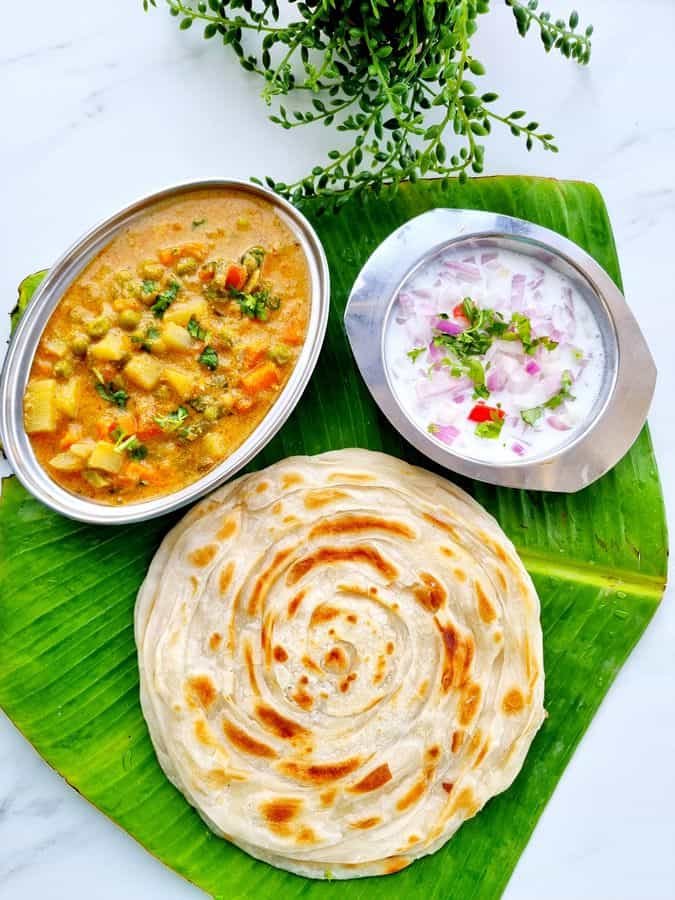
- Add the steamed/parboiled vegetables into the cashew-masala base.
- Mix gently so the vegetables are coated with the masala.
- Add 1 cup of water (or more for thinner consistency).
- Simmer the curry on low-medium heat for 7–10 minutes, stirring occasionally.
- Add salt and garam masala toward the end of cooking.
You can also add 2 tablespoons of coconut milk at this stage if you prefer a richer, South Indian-style kurma. This is optional but traditional in certain regional versions (e.g., Tamil Nadu’s “sodhi” or Kerala’s “vegetable stew”).
Step 5: Garnishing & Resting
Once the kurma reaches your desired consistency and flavor, switch off the heat.
- Let the kurma rest covered for 5 minutes — flavors will settle and deepen.
- Garnish with chopped coriander leaves.
- Optional: Add a squeeze of lemon juice for brightness (especially if the tomatoes are not tangy enough).
Step 6: Serving Suggestions & Storage
Serving Options:
Vegetable kurma is a versatile dish that pairs well with:
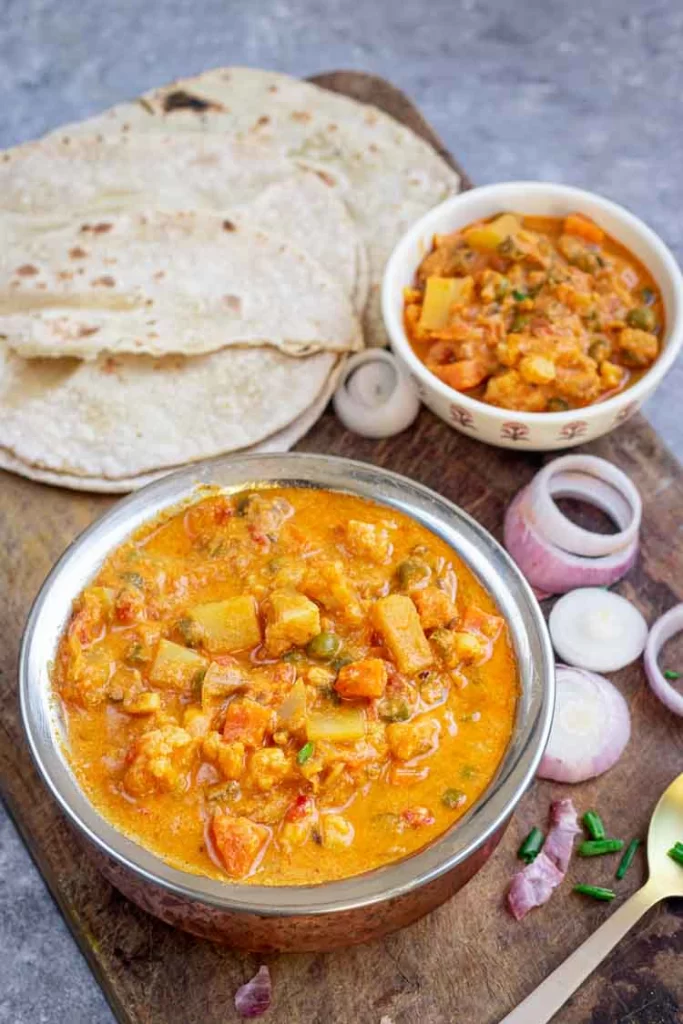
- Chapati or paratha – traditional whole wheat flatbreads
- Pulao or ghee rice – aromatic rice complements creamy curry
- Appam, idiyappam, or dosa – common in South Indian homes
- Poori – festive pairing (especially in Tamil and Telugu cuisine)
For a complete meal, serve kurma with rice, salad, and curd.
Storage Instructions:
- Refrigeration: Store in airtight containers for up to 2 days.
- Reheat: Gently heat on stovetop; add a splash of water if thickened.
- Freezing: Not recommended as cashew-based curries may split after thawing.
Nutritional Analysis (Approximate per serving)
| Nutrient | Estimate (per serving) |
|---|---|
| Calories | 220–250 kcal |
| Protein | 5–6g |
| Carbohydrates | 18–20g |
| Fat | 14–16g |
| Fiber | 3–4g |
Nutritional Highlights:
- Healthy fats from cashews
- No added cream or butter
- Rich in vitamins A, C, potassium, and dietary fiber
- Low GI when served with whole grains
Common Issues & Troubleshooting
| Problem | Likely Cause | Solution |
|---|---|---|
| Kurma is too thick | Not enough water or overcooked | Add warm water to adjust |
| Cashew paste sticks or burns | High heat or insufficient stirring | Cook on low and stir continuously |
| Tastes bland | Under-seasoned or undercooked masala | Sauté spices longer, check salt |
| Too sweet | Too much cashew / coconut | Add more chili or lemon juice |
Flavor Variations & Enhancements
- Add mint leaves: Blend with coriander for an herby twist
- Use yogurt instead of tomato: For a North Indian-style “navratan korma” version
- Coconut-cashew blend: Replace some cashew paste with thick coconut paste
- Add paneer or tofu: For a protein boost while staying vegetarian
- Spice it up: Use fennel seeds or star anise for a more aromatic touch