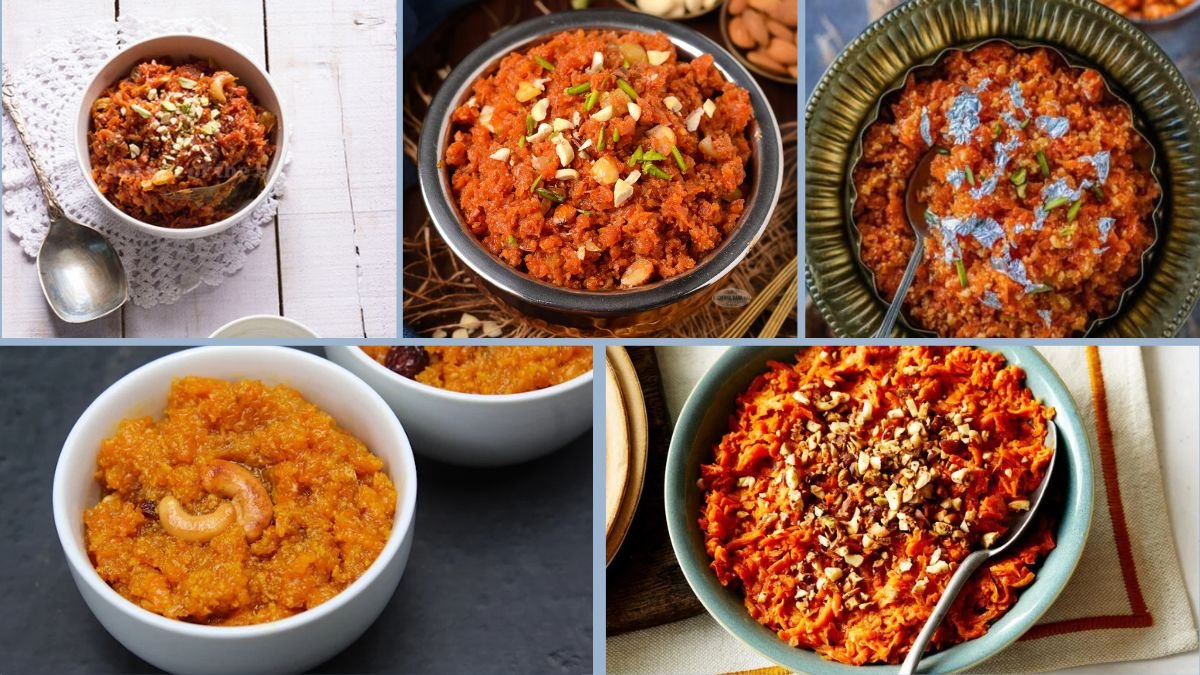
Indian desserts are a celebration of flavors, textures, and traditions. Among them, Carrot Halwa (Gajar ka Halwa) holds a timeless place. Rich, fragrant, and indulgent, it is a dessert enjoyed across generations during festivals, family gatherings, and even as a comfort food on chilly winter evenings. Traditionally, carrot halwa is made using carrots, ghee, milk, sugar, and sometimes condensed milk to achieve richness and creaminess. However, this version often leans on heavy fats and refined ingredients, which may not align with modern health-conscious choices.
This article presents a 5-step recipe for carrot halwa without condensed milk, making it lighter, healthier, and equally delicious. By using fresh milk and natural flavor enhancers, this halwa retains its authenticity while avoiding unnecessary calories. Along with the recipe, we’ll explore its nutritional benefits, cultural significance, and expert tips for making the perfect bowl of carrot halwa.
Why Skip Condensed Milk?
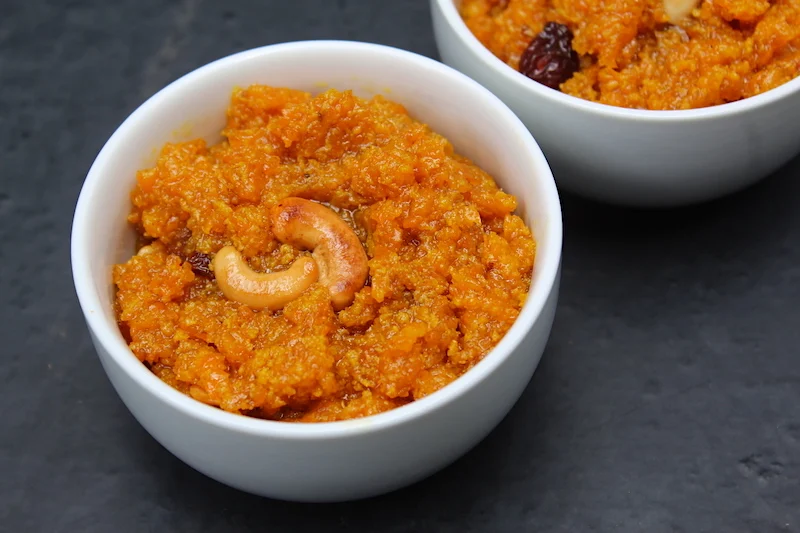
Condensed milk is popular in Indian sweets because it reduces cooking time and adds instant creaminess. But avoiding it offers several benefits:
- Lower Sugar Content – Condensed milk is packed with refined sugar. Using regular milk allows better control of sweetness.
- Fewer Preservatives – Homemade halwa without condensed milk avoids additives and artificial flavoring.
- Balanced Flavor – Carrots, milk, and cardamom stand out naturally without being overshadowed.
- Health-Friendly – Suitable for those who prefer fresh, wholesome ingredients over processed ones.
Key Ingredients

To prepare carrot halwa without condensed milk, gather these simple, vegetarian-friendly ingredients:
- Carrots – 1 kg (red winter carrots preferred, grated)
- Full cream milk – 1 liter
- Sugar – ¾ to 1 cup (adjust as per sweetness preference)
- Ghee (clarified butter) – 3–4 tbsp
- Cardamom powder – ½ tsp
- Cashews, almonds, pistachios – 2–3 tbsp, chopped
- Raisins – 1 tbsp
Optional variations:
- Jaggery instead of sugar for a rustic flavor.
- Khoya (mawa) for added richness, if desired.
The 5-Step Recipe
Step 1: Prepare the Carrots
- Wash and peel the carrots.
- Grate them using a hand grater or food processor. Red, juicy carrots are ideal as they provide natural sweetness and vibrant color.
This step is crucial because the texture of the halwa depends on finely grated carrots that cook evenly in milk.
Step 2: Cook the Carrots in Milk
- In a heavy-bottomed kadhai or pan, add the grated carrots and pour in the milk.
- Bring to a boil, then simmer on low-medium flame.
- Stir occasionally to prevent sticking, and allow the carrots to absorb the milk as it reduces.
This slow-cooking process is what gives traditional carrot halwa its authentic taste and creamy texture without condensed milk.
Step 3: Add Sugar and Flavoring
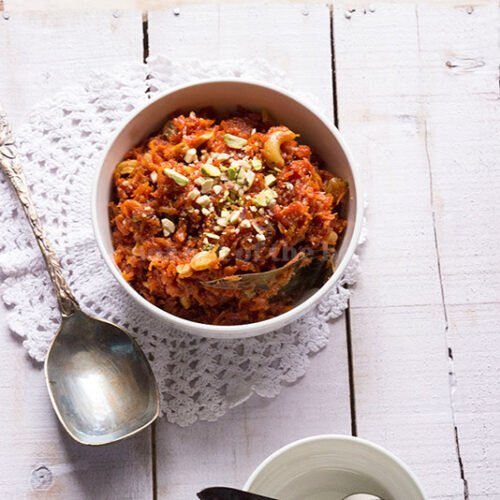
- Once the milk has reduced to less than half, add sugar and mix well.
- The sugar will release some water; continue stirring until the mixture thickens again.
- Add cardamom powder for fragrance.
This step ensures the halwa develops sweetness naturally, without the heaviness of condensed milk.
Step 4: Enrich with Ghee and Dry Fruits
- Heat 2–3 tbsp ghee in a small pan. Lightly fry cashews, almonds, and raisins until golden.
- Add them to the carrot-milk mixture.
- Stir in the remaining ghee for a glossy texture and rich flavor.
This step balances indulgence with nutrition, as nuts add healthy fats and crunch.
Step 5: Simmer and Serve
- Continue cooking on low flame until the halwa reaches the desired consistency—moist but not watery.
- Garnish with slivered pistachios or saffron strands if available.
- Serve hot in winters or chilled in summers.
Serving Suggestions
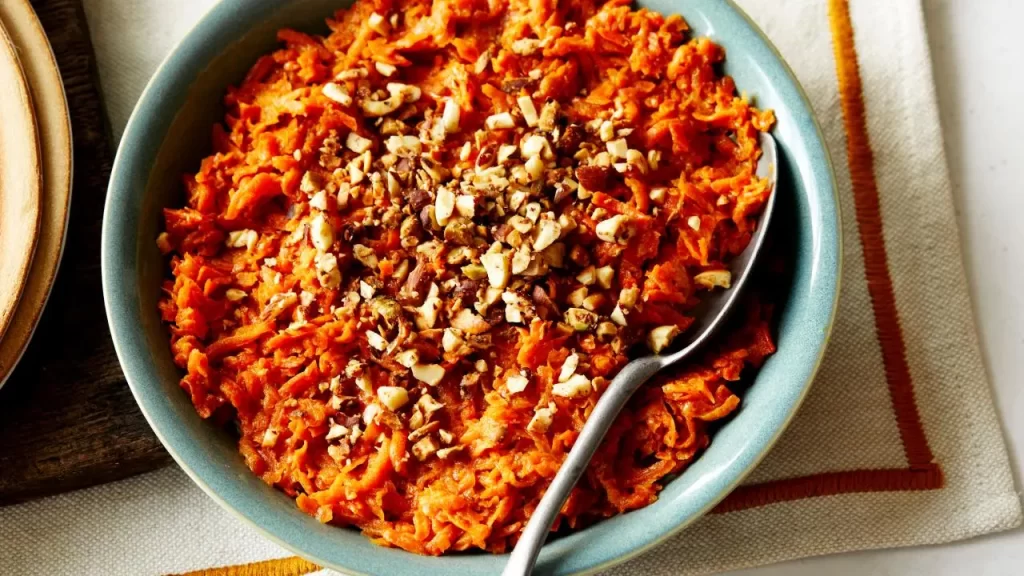
Carrot halwa is versatile and can be served in many ways:
- As a Dessert – Classic, garnished with nuts.
- With Ice Cream – Warm halwa paired with vanilla ice cream creates a fusion treat.
- Festival Offering – A traditional addition to Diwali, Holi, or Eid celebrations.
- Mini Portions – Served in cups or shot glasses for modern party platters.
Nutritional Benefits
Carrot halwa, when prepared without condensed milk, balances indulgence with nutrition:
- Carrots – Rich in Vitamin A (beta carotene), fiber, and antioxidants. They improve vision and boost immunity.
- Milk – Provides protein, calcium, and Vitamin D for strong bones.
- Ghee – Though rich in fat, in moderation it aids digestion and enhances absorption of fat-soluble vitamins.
- Nuts and Raisins – Add plant-based protein, healthy fats, and minerals.
A 100 g serving of carrot halwa without condensed milk contains approximately 180–220 calories, depending on sugar and ghee quantity—lighter than versions made with condensed milk.
Cultural Significance
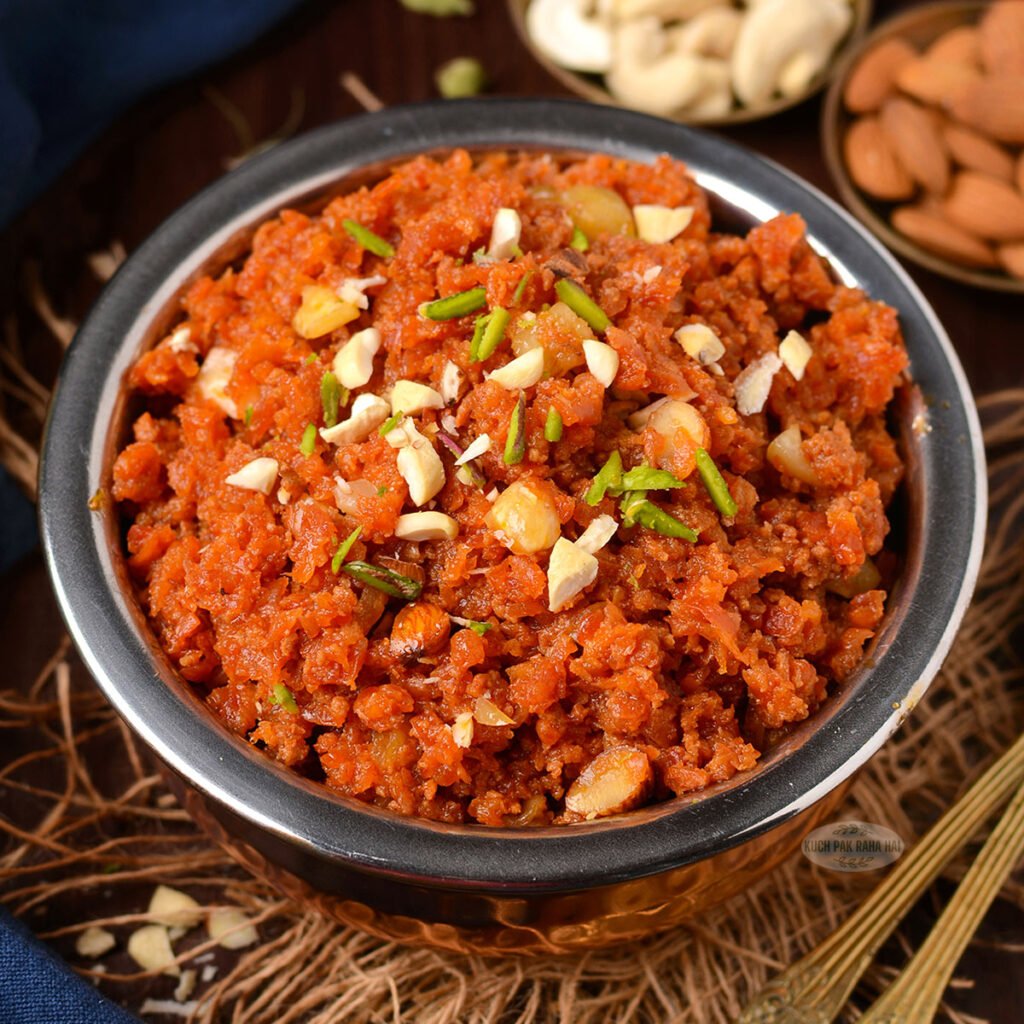
Carrot halwa is more than just a dessert—it’s a cultural icon in Indian households:
- Winter Tradition – Made with red Delhi carrots during winter, it signifies warmth and comfort.
- Festivals and Weddings – An essential part of celebratory menus, symbolizing prosperity and joy.
- Regional Variations – In North India, it is milk-based, while in some South Indian versions, jaggery and coconut are added.
- Global Recognition – Carrot halwa has become a staple in Indian restaurants abroad, introducing international audiences to its richness.
Expert Tips for Perfect Carrot Halwa
- Use Red Carrots – They provide natural sweetness and vibrant color compared to orange carrots.
- Heavy-Bottom Pan – Prevents burning during long cooking times.
- Stir Frequently – Essential for even cooking and avoiding sticking.
- Balance Sugar – Add sugar gradually; too much can make the halwa watery.
- Storage – Stays fresh for 4–5 days when refrigerated. Warm slightly before serving.
- Low Flame Cooking – Enhances flavor as the milk and carrots caramelize slowly.
Comparison: With vs. Without Condensed Milk
| Feature | With Condensed Milk | Without Condensed Milk (This Recipe) |
|---|---|---|
| Sweetness | Very sweet, less adjustable | Natural, can control sugar level |
| Texture | Creamy but heavy | Creamy yet light |
| Cooking Time | Faster | Longer, but more authentic |
| Health Factor | High sugar, processed | Lower sugar, fresh ingredients |
| Flavor Balance | Milk dominates | Carrots shine through |
This comparison highlights why the oil-free and condensed milk-free method is gaining popularity among health-conscious cooks.
Conclusion
Carrot Halwa is a dessert that bridges tradition and modernity. By eliminating condensed milk, this recipe preserves the authentic taste while making it healthier and lighter. The five simple steps—preparing carrots, cooking in milk, adding sugar and flavoring, enriching with ghee and dry fruits, and simmering—create a halwa that is wholesome, aromatic, and indulgent.
It is proof that Indian sweets don’t need shortcuts or heavy processed ingredients to taste divine. This oil-free, condensed milk-free version allows the natural sweetness of carrots and richness of milk to shine, while offering health benefits along with cultural nostalgia.
So, the next time you crave a dessert, skip the store-bought sweets and try this traditional 5-step carrot halwa recipe. It is a perfect balance of health, heritage, and happiness—served in every spoonful.