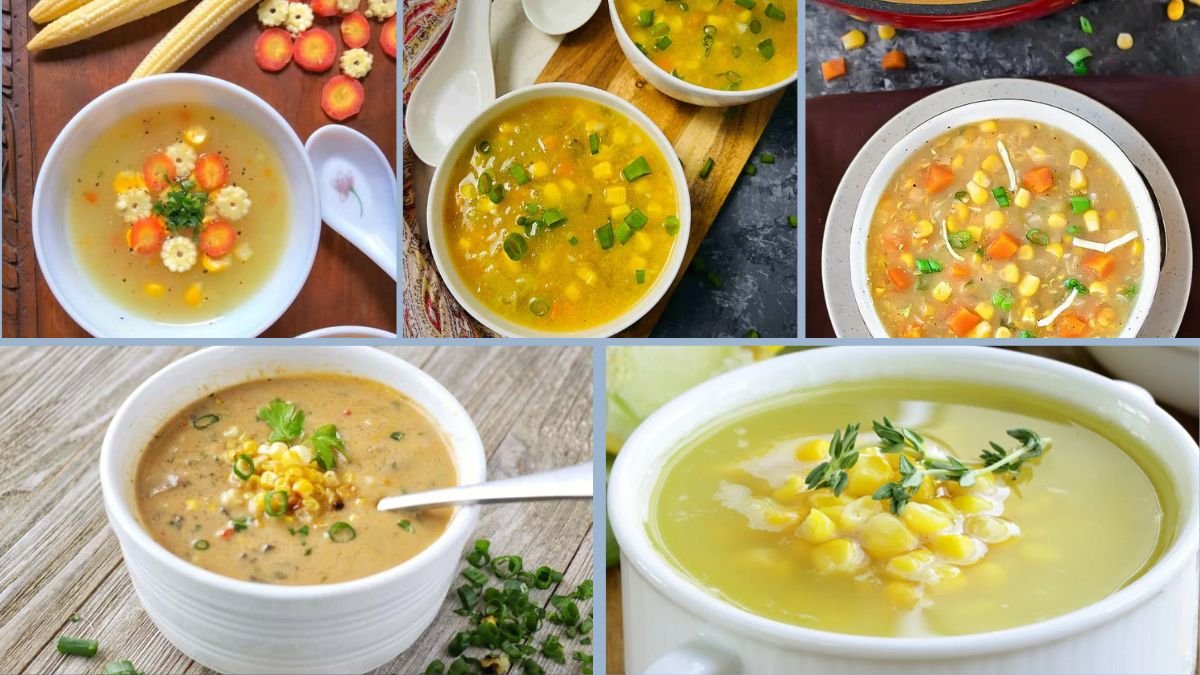
Sweet corn soup is one of the most comforting, nutritious, and versatile dishes loved across the world. With its creamy texture, mild sweetness, and warming aroma, it’s a staple in many restaurants and households alike. In India, it is often served as a popular starter at parties, weddings, and even as a light meal during colder months.
Traditionally, many recipes rely on cornflour (cornstarch) to thicken the soup. While effective, cornflour adds little nutritional value and may sometimes mask the natural sweetness and body of corn. Fortunately, with the right techniques and ingredients, you can make sweet corn soup without cornflour—still thick, velvety, and satisfying.
This guide outlines five simple steps to prepare wholesome sweet corn soup that is healthy, flavorful, and completely vegetarian.
Step 1: Selecting Fresh Ingredients
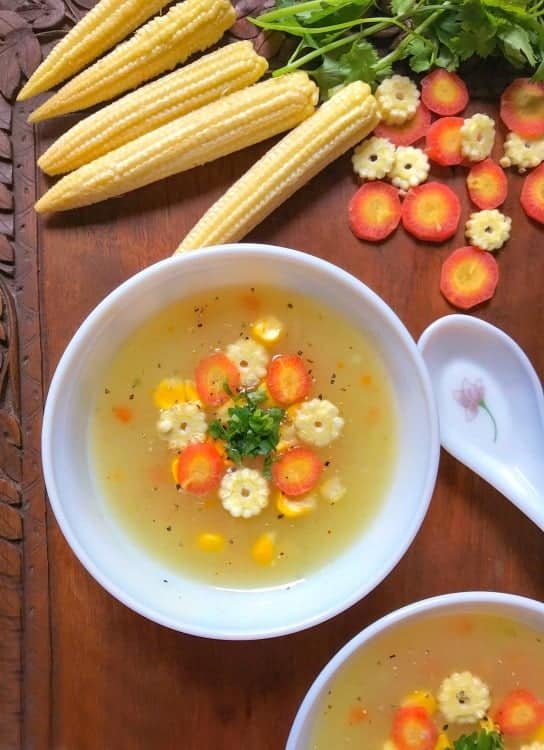
The key to making delicious soup lies in the freshness and quality of ingredients. Since we are not using cornflour, we will rely on natural thickening agents and cooking techniques.
Core Ingredients:
- Sweet corn kernels – fresh corn is ideal, but frozen works well. Choose plump, golden-yellow kernels.
- Vegetables – carrots, beans, cabbage, and spring onions are commonly used in Indo-Chinese style sweet corn soup.
- Aromatics – ginger, garlic, and green chilies (optional) for warmth.
- Seasoning – salt, black pepper, white pepper, and soy sauce for flavor balance.
Natural Thickeners (Cornflour Alternatives):
- Blended corn puree: Take a portion of boiled corn, blend it, and use as a natural thickener.
- Potatoes: A small boiled potato blended with corn adds smoothness.
- Oats: Rolled oats, when cooked and blended, give body without altering taste.
- Rice water or cooked rice paste: Traditional Asian kitchens often use rice to thicken soups naturally.
Pro Tip: Choose one thickening method (pureed corn alone works best for authenticity).
Step 2: Prepping the Corn and Vegetables

Preparation makes cooking faster and ensures balanced texture.
- Boiling Corn:
- Boil or pressure cook sweet corn kernels until tender (5–10 minutes).
- Reserve half for blending and half for adding whole to the soup.
- Blending for Thickness:
- Take half of the boiled corn and blend into a smooth puree using a blender.
- This puree will naturally thicken the soup, making cornflour unnecessary.
- Chopping Vegetables:
- Finely chop carrots, beans, and cabbage into uniform small pieces.
- Keep spring onion greens separate for garnishing.
Pro Tip: Uniform chopping ensures vegetables cook evenly and give a restaurant-like presentation.
Step 3: Building the Flavor Base
A flavorful base sets the tone of the soup.
- Heat 1 tablespoon of oil or butter in a heavy-bottomed pan.
- Add finely chopped ginger and garlic; sauté until fragrant (do not brown).
- Add chopped vegetables and stir-fry on medium-high heat for 2–3 minutes. The vegetables should retain slight crunch for texture.
- Add the blended corn puree and stir to coat the vegetables.
This forms the heart of the soup: a naturally thick, slightly sweet, and aromatic mixture.
Step 4: Simmering and Seasoning

Now it’s time to transform the base into a comforting soup.
- Add water or vegetable stock (about 3–4 cups). Stock enhances flavor, but plain water works if seasoned well.
- Stir in the remaining boiled corn kernels.
- Bring to a boil, then simmer for 8–10 minutes. This allows flavors to meld and natural starches from corn to thicken the soup.
- Season with salt, freshly ground black pepper, and optional white pepper for subtle heat.
- Add a dash of soy sauce for depth (optional, for Indo-Chinese style).
Pro Tip: For a creamier finish, add a tablespoon of milk or cream at the end—but this is optional if you prefer a lighter soup.
Step 5: Finishing Touches and Serving

The final step is all about elevating the presentation and ensuring balance.
Garnishing:
- Sprinkle finely chopped spring onion greens or fresh coriander.
- Add a drizzle of sesame oil or ghee for aroma.
- For a festive touch, top with crispy fried noodles (Indo-Chinese style).
Serving Ideas:
- Serve hot in deep soup bowls with a spoon of extra boiled corn kernels on top.
- Pair with garlic bread, toasted croutons, or simple roti for a light meal.
- Offer small bowls as appetizers before a bigger Indian or fusion meal.
Storage Tips:
- Refrigerate leftover soup in an airtight container for up to 2 days.
- Reheat gently; if it thickens, add a little water or stock.
- Avoid freezing, as texture may become grainy.
Nutritional Benefits of Corn-Based Thickening
By skipping cornflour and using natural alternatives, the soup not only tastes better but is healthier:
- Corn puree: High in fiber, vitamins B & C, and antioxidants.
- Potatoes: Add potassium and dietary fiber.
- Oats: Rich in beta-glucan, which helps control cholesterol.
- Rice water: Easily digestible, adds energy without heaviness.
This makes the soup suitable for children, elders, and health-conscious individuals alike.
Common Mistakes to Avoid

- Overcooking vegetables – leads to mushiness and loss of color.
- Using only whole corn – without puree, soup remains thin and watery.
- Excess seasoning – let the natural sweetness of corn shine; avoid too much soy sauce or chili.
- Skipping simmering – flavors need time to develop; don’t rush the process.
- Adding thickener too late – blend and add thickener early so it integrates smoothly.
Conclusion
Sweet corn soup without cornflour proves that comfort food can be both simple and wholesome. By relying on corn puree and natural thickeners, you retain authenticity while enhancing nutrition.
Following these **five steps—selecting fresh ingredients, prepping, building a base, simmering, and finishing with garnishing—**ensures a bowl of soup that is creamy, flavorful, and completely vegetarian.
It’s not just a recipe but also a philosophy of mindful cooking: using natural ingredients, avoiding unnecessary additives, and letting the star ingredient—sweet corn—shine in all its glory.
Whether you’re serving it as a light dinner, a starter at a gathering, or a nourishing bowl on a rainy evening, this cornflour-free version will win hearts. Each spoonful is a reminder that simplicity, when done right, is both delicious and healthy.