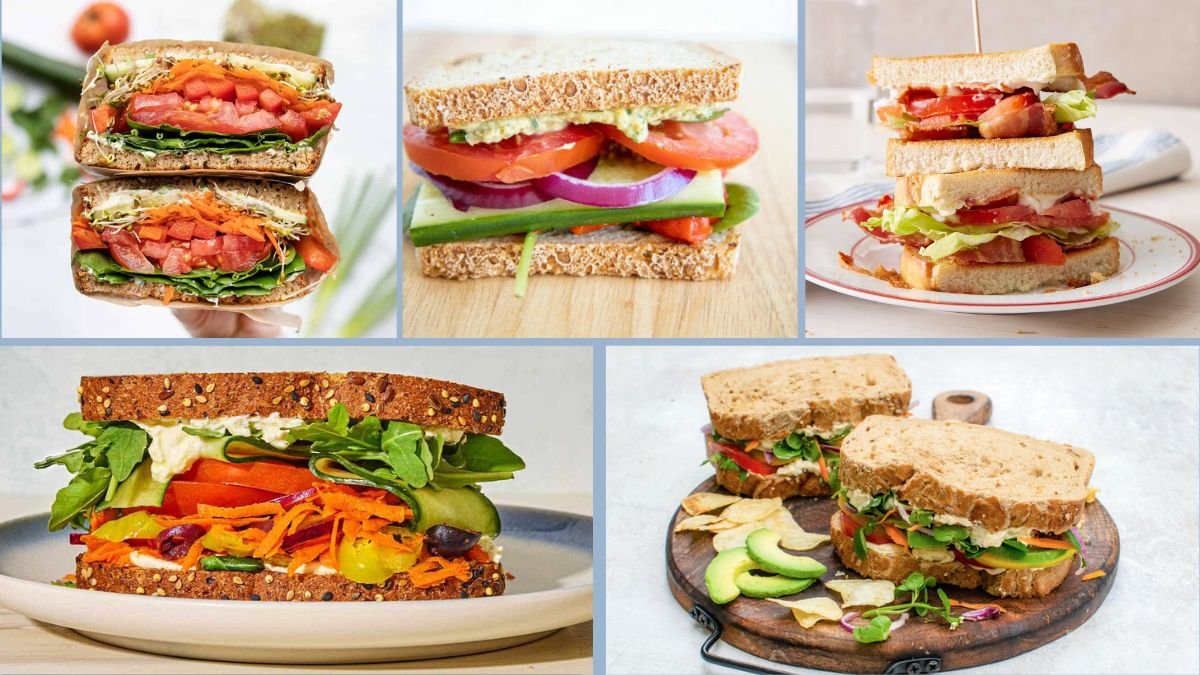
Introduction: Why Vegetable Sandwiches?
Sandwiches are one of the most versatile and universally loved meals. Quick to prepare, portable, and customizable, they can serve as breakfast, lunch, or even a light dinner. While many store-bought sandwiches are overloaded with high-fat spreads, processed fillings, or refined bread, homemade vegetable sandwiches offer a far healthier and more nutritious alternative.
Vegetable sandwiches not only provide complex carbohydrates and fiber but also pack in essential vitamins, minerals, and antioxidants from fresh produce. When thoughtfully prepared, they can deliver the balance of taste, satiety, and nourishment that many busy lifestyles demand.
In this article, we will break down the process into five clear steps that help you create healthy, tasty, and restaurant-worthy vegetable sandwiches right at home.
Step 1: Choosing the Right Bread Base

The bread you select forms the foundation of your sandwich. Opting for nutrient-rich varieties ensures better digestion, slower energy release, and enhanced flavor.
Healthy Bread Choices:
- Whole wheat bread: Contains fiber, iron, and B vitamins. It has a nutty flavor and keeps you fuller longer.
- Multigrain bread: Offers multiple grains like oats, barley, millet, or quinoa. It boosts satiety and provides diverse micronutrients.
- Rye bread: Dark, slightly sour in taste, and low on the glycemic index. Excellent for blood sugar control.
- Gluten-free bread: Ideal for individuals with gluten intolerance or celiac sensitivity, usually made from rice, corn, or millet flours.
What to Avoid:
- Refined white bread, which lacks fiber and micronutrients.
- Breads with added sugar, preservatives, or excessive sodium.
Pro tip: Lightly toasting the bread enhances texture and prevents sogginess once vegetables are layered.
Step 2: Preparing Nutritious Spreads and Sauces
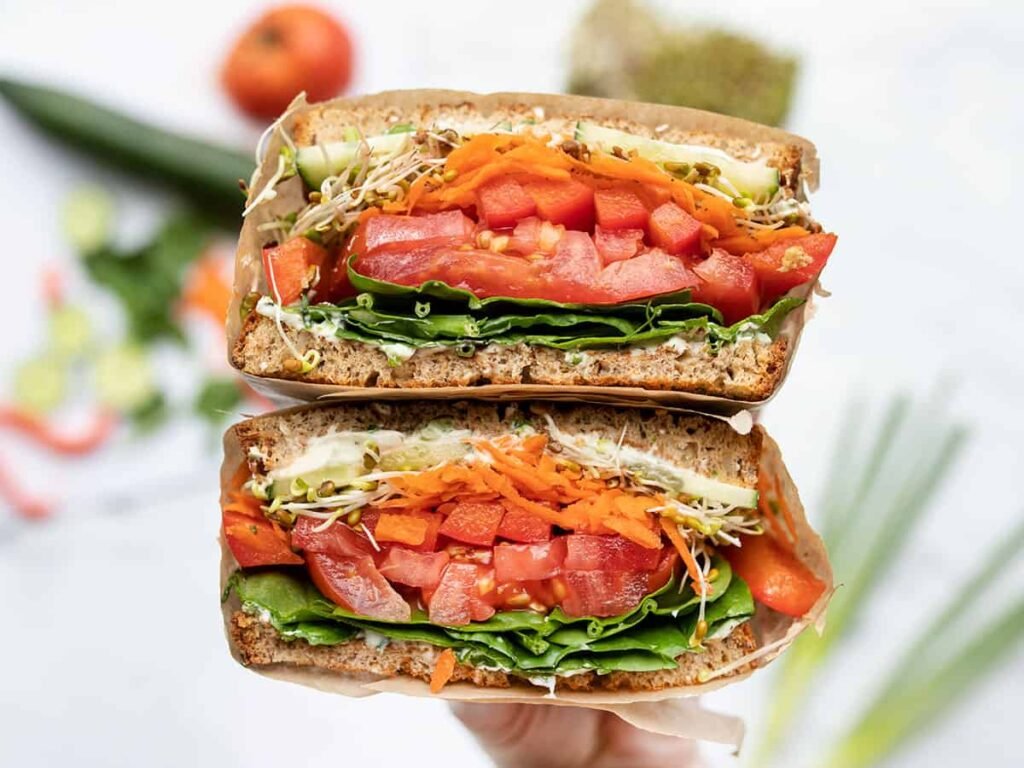
Instead of heavy mayonnaise or butter, you can use healthier spreads that add creaminess and taste without compromising nutrition.
Nutritious Spread Options:
- Hummus (chickpea dip): High in protein, fiber, and iron.
- Avocado mash: Rich in healthy monounsaturated fats and potassium.
- Greek yogurt dip: Creamy, tangy, and lower in fat compared to mayonnaise.
- Nut butter (peanut, almond, cashew): Adds protein, good fats, and a nutty twist.
- Green chutney (coriander + mint + lemon): Fresh, zesty, and antioxidant-rich.
You can also combine two spreads—for example, avocado mash with hummus—for both texture and layered flavors.
Pro tip: Apply a thin layer of spread on both slices of bread to act as a moisture barrier. This keeps the sandwich fresh and prevents vegetables from leaking water into the bread.
Step 3: Selecting and Prepping the Vegetables
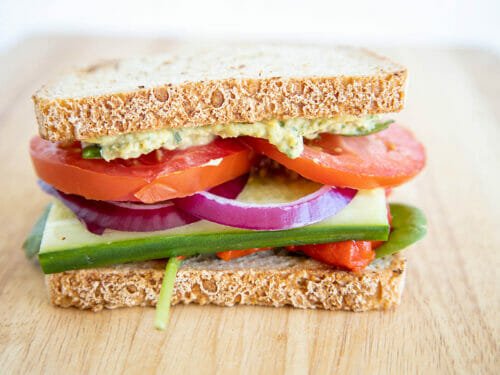
Vegetables are the highlight of a healthy sandwich. Aim for variety in color and texture to maximize both nutritional value and appeal.
Best Vegetable Options:
- Crunchy base vegetables: Cucumbers, carrots (grated or sliced), capsicum (bell peppers), and lettuce.
- Juicy vegetables: Tomatoes, beetroot slices, zucchini.
- Protein-rich additions: Boiled chickpeas, kidney beans, or sprouts.
- Flavor boosters: Onion rings, olives, jalapeños, or pickles.
Prepping Tips:
- Wash vegetables thoroughly to remove dirt and pesticides.
- Slice vegetables thinly and evenly for easier layering and bite consistency.
- Lightly steam or blanch harder vegetables like carrots or beans if needed.
- Use sprouts (like mung beans) for added protein and freshness.
Pro tip: Stick to seasonal vegetables—they are fresher, more affordable, and richer in nutrients.
Step 4: Assembling for Flavor, Texture, and Nutrition
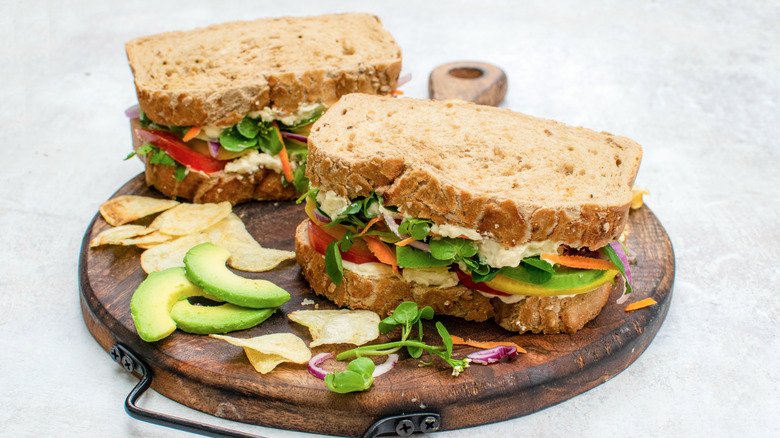
The order in which you layer vegetables makes a difference in the sandwich’s structure and taste.
Assembly Process:
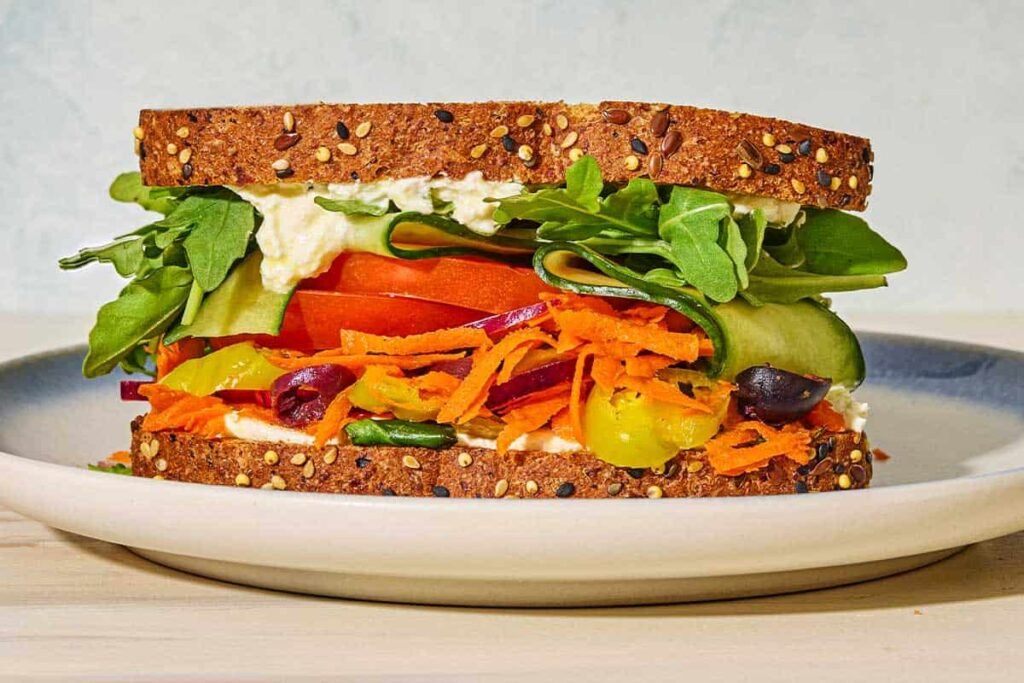
- Start with toasted bread spread with your choice of chutney, hummus, or avocado.
- Add leafy greens (lettuce, spinach, or arugula) as the first layer—they act as a moisture guard.
- Layer cucumbers, carrots, and peppers for crunch.
- Place juicy vegetables like tomatoes and beetroots in the middle to prevent sogginess.
- Add sprouts, beans, or cheese for protein and creaminess.
- Season lightly with salt, pepper, and herbs (oregano, basil, or chili flakes).
- Top with second slice of bread with spread applied.
You may also add a light drizzle of lemon juice or olive oil for brightness. For spicier taste, sprinkle some roasted cumin powder or chat masala.
Pro tip: Press gently before cutting diagonally; this keeps fillings intact and improves presentation.
Step 5: Serving, Storing, and Creative Variations
Serving Tips:
- Serve sandwiches immediately for maximum crunch.
- Pair with a bowl of vegetable soup, a side salad, or roasted nuts for a balanced meal.
- Garnish the serving plate with a few cucumber slices or carrot sticks for visual appeal.
Storage Tips:
- If preparing ahead, keep spreads and sliced vegetables ready but assemble only when serving.
- Wrap sandwiches in parchment paper or foil if packing for lunch.
- Refrigerate for up to 6 hours but avoid overnight storage, as bread may turn soggy.
Creative Variations:
- Grilled Vegetable Sandwich: Use roasted zucchini, eggplant, and mushrooms with olive oil drizzle.
- Open-Faced Sandwich: Use one bread slice topped with hummus and colorful vegetables like a tartine.
- Sprout Sandwich: Mix sprouts with lemon juice, onion, and tomato for a crunchy, protein-packed filling.
- Avocado Delight: Layer mashed avocado with cucumbers, spinach, and roasted bell peppers.
- Paneer Sandwich: Add grilled or lightly sautéed paneer cubes for added protein (keep seasoning light).
Common Mistakes to Avoid
- Overstuffing: Too many fillings make sandwiches messy and hard to eat.
- Skipping spreads: Without a spread layer, sandwiches turn dry and bland.
- Improper slicing: Thick or uneven slices of vegetables ruin texture balance.
- Not toasting bread: This step prevents sogginess and elevates taste.
- Ignoring seasoning: A pinch of salt, pepper, or herbs can drastically improve flavor.
Conclusion
Creating a healthy vegetable sandwich is about balance, freshness, and creativity. With the right bread, nutritious spreads, colorful vegetables, thoughtful assembly, and smart serving, you can transform a simple snack into a wholesome, fulfilling meal.
The five-step guide ensures that each sandwich not only tastes delicious but also contributes to your health. Unlike fast food options, these sandwiches are rich in fiber, vitamins, minerals, and plant-based proteins, making them suitable for children, adults, and seniors alike.
Whether you’re looking for a quick breakfast, a healthy lunchbox idea, or a light dinner option, this guide empowers you to craft sandwiches that are both nourishing and exciting. By experimenting with seasonal produce and creative combinations, you can prepare countless variations without ever relying on non-vegetarian ingredients.
So, the next time hunger strikes, reach for fresh vegetables, wholesome bread, and your favorite spreads—and build yourself a sandwich that’s as healthy as it is delicious.