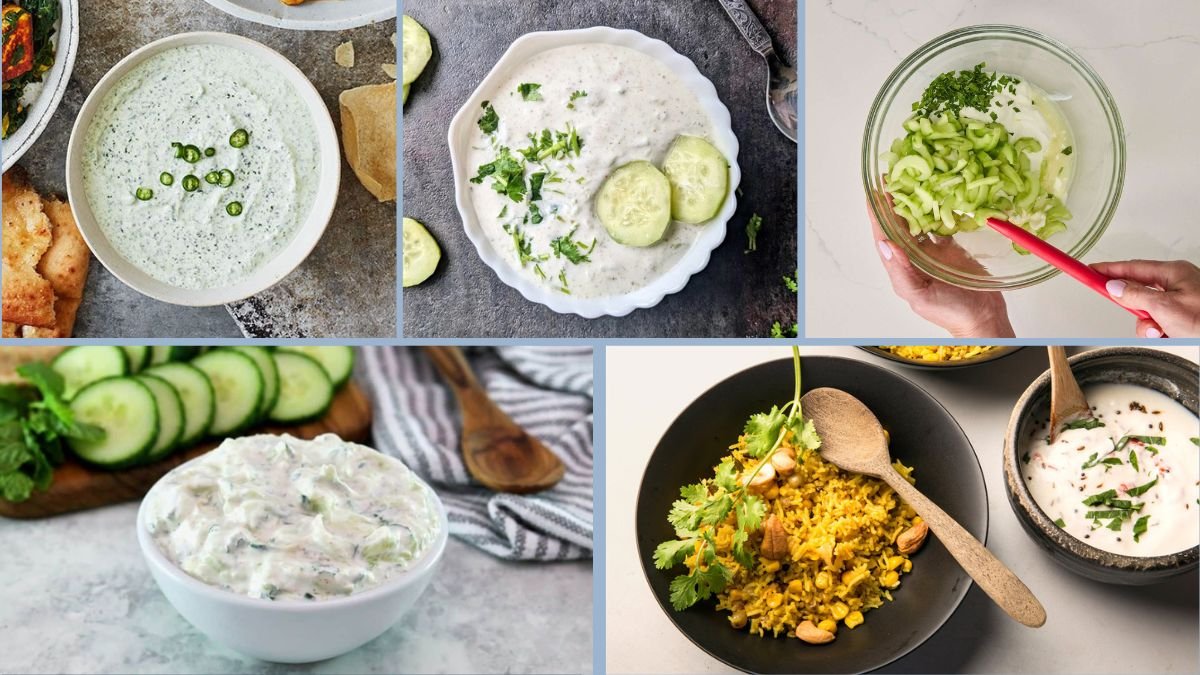
Indian cuisine is a vibrant celebration of flavours, colours, and textures, often built around balance—spicy curries complemented by cooling accompaniments. Among these, raita holds a special place. Made from yogurt and fresh vegetables or herbs, raita is both refreshing and nutritious. It not only soothes the palate from the heat of spices but also enhances the dining experience with its creamy, tangy, and crunchy profile.
One of the simplest and most popular varieties is Vegetable Raita with Mint. Quick to prepare, packed with probiotics, and adaptable to various meals, this raita is the perfect side dish for everyday meals or festive occasions. In this detailed article, we will walk through a 5-step guide to making quick Veg Raita with Mint, while also exploring its health benefits, cultural context, serving ideas, and common mistakes to avoid.
Step 1: Gather and Prepare the Ingredients
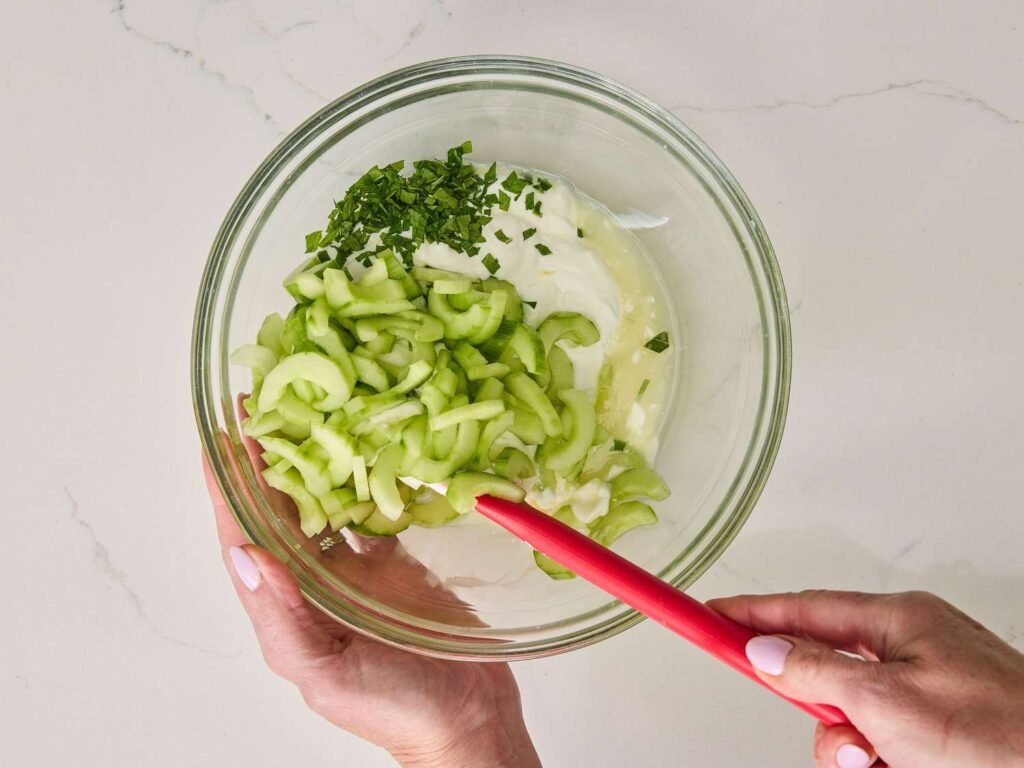
The beauty of raita lies in its simplicity and flexibility. To prepare a refreshing mint vegetable raita, collect the following:
Base Ingredients:
- 2 cups fresh curd/yogurt (preferably homemade or unsweetened store-bought)
- ¼ cup water or milk (to adjust consistency)
- Salt to taste
Vegetables (finely chopped):
- 1 small cucumber
- 1 small carrot
- 1 medium tomato (firm and ripe)
- 1 small onion (optional for those who prefer a crunchier taste)
Mint and Flavorings:
- 2–3 tablespoons fresh mint leaves (finely chopped or ground into paste)
- 1–2 green chilies, deseeded and chopped (optional for a spicy kick)
- ½ teaspoon roasted cumin powder
- ¼ teaspoon black salt (kala namak)
- Fresh coriander leaves (for garnish)
Preparation:
- Wash and peel cucumber and carrot before grating or finely chopping.
- Chop tomatoes, onions, and green chilies into tiny pieces for a smooth bite.
- Rinse mint and coriander leaves thoroughly before chopping.
- Whisk the yogurt until smooth, then add water or milk for desired consistency.
This step ensures that everything is ready to assemble quickly.
Step 2: Whisking the Yogurt Base
The yogurt base defines the texture of the raita. Properly whisked curd ensures a creamy and lump-free result.
- Take the yogurt in a mixing bowl.
- Whisk until smooth using a spoon or hand whisk. The curd should appear glossy and light.
- Add a little water or milk to thin it slightly, but do not make it watery. The ideal consistency is pourable yet thick enough to coat a spoon.
- Add salt and black salt at this stage to enhance flavour.
The tanginess of yogurt forms the foundation, while mint and spices will later add freshness and aroma.
Step 3: Mixing the Vegetables and Mint
Now comes the step that gives raita its vibrancy.
- Add cucumber, carrot, tomato, and onion (if using) into the whisked yogurt.
- Mix gently so that vegetables are evenly distributed.
- Stir in chopped mint leaves or freshly ground mint paste.
- Sprinkle roasted cumin powder for depth of flavour.
Mint pairs beautifully with yogurt, offering a cooling sensation that balances the slight pungency of onion and the sweetness of carrot. The roasted cumin powder brings warmth and a faint smokiness, completing the flavour profile.
Step 4: Adjusting Seasoning and Chill

Raita tastes best when served chilled. To elevate its taste further:
- Taste and adjust seasoning—add extra cumin powder, salt, or chopped chilies if desired.
- Refrigerate the raita for at least 30 minutes before serving. This allows flavours to meld together while also making it refreshing.
- For an extra burst of freshness, garnish with chopped coriander leaves and a few whole mint leaves before serving.
If preparing ahead of time, keep the vegetables and yogurt base separate and mix just before serving to prevent watery consistency.
Step 5: Serve and Pair Creatively

Veg Raita with Mint is versatile and pairs well with countless Indian dishes. Some ideas include:
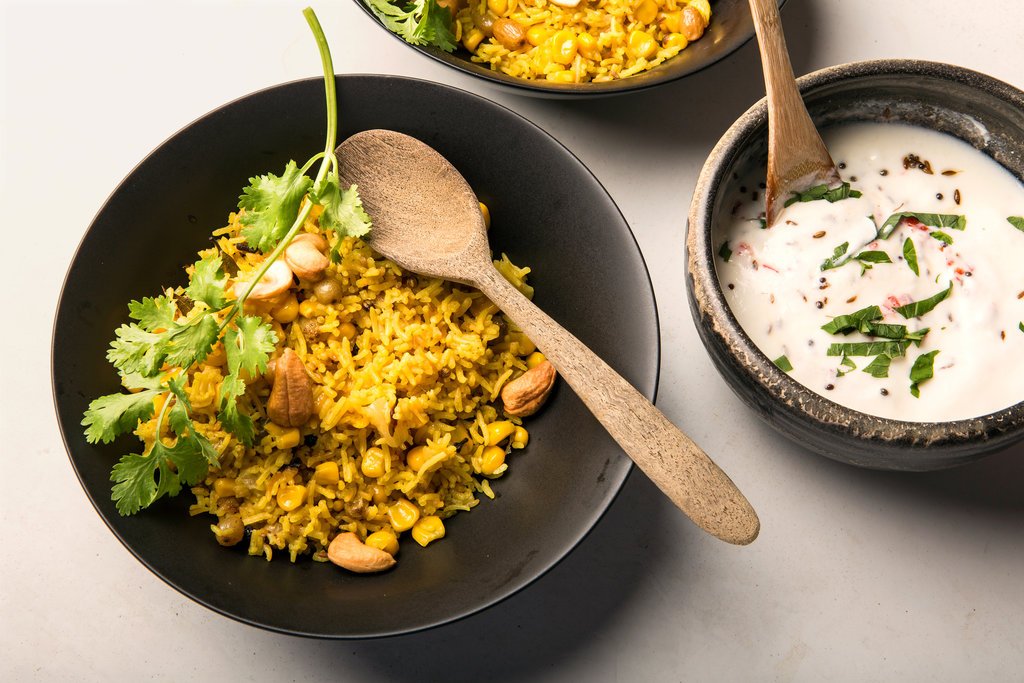
- With Rice: Serve alongside biryani, pulao, or simple steamed rice for balance.
- With Indian Breads: Complements paratha, roti, or puri beautifully.
- With Curries: Balances spicy curries like chole, rajma, or paneer-based gravies.
- As a Snack Dip: Use as a healthy dip for baked papad, khakra, or veggie sticks.
By following these five simple steps, you’ll have a dish that adds freshness and nutrition to any meal.
Nutritional Benefits

Mint Vegetable Raita is more than just a side dish—it’s a powerhouse of health benefits:
- Yogurt: Rich in probiotics, calcium, and protein. Supports digestion, bone strength, and gut health.
- Mint: Known for cooling properties, aids digestion, and adds a refreshing aroma.
- Cucumber: Hydrating and low in calories; provides fibre, vitamin K, and antioxidants.
- Carrot: Source of beta-carotene, fibre, and vitamin A, supporting eye health.
- Tomato: Rich in vitamin C and lycopene, beneficial for immunity and heart health.
- Cumin Powder: Improves digestion and adds warmth to the dish.
A single serving of raita is typically low in calories (about 80–100 per cup), making it a guilt-free addition to any meal.
Cultural Significance
Raita is deeply rooted in Indian culinary traditions. It has been a staple for centuries, particularly in regions with hot climates where cooling dishes are valued. From Mughal feasts to everyday thalis, raita plays a key role in balancing meals both nutritionally and gastronomically.
Mint-based raitas are especially common in North Indian and Mughlai cuisine, often served with spicy rice dishes. However, vegetable variations are popular across India, reflecting local produce and tastes. The adaptability of raita ensures its place in modern kitchens, offering both convenience and tradition.
Common Mistakes and How to Avoid Them
- Watery raita: Avoid adding too much water. If vegetables release water, mix them just before serving.
- Bitter mint flavour: Use fresh young mint leaves; older leaves can be bitter.
- Overpowering onion taste: If onions taste too sharp, soak them in water for 5 minutes before adding.
- Unbalanced seasoning: Always taste and adjust salt and spices—remember the cooling nature of yogurt dulls strong flavours.
- Not chilling properly: Warm raita lacks refreshing quality. Always refrigerate before serving.
Variations to Try
- Beetroot Raita: Add grated beetroot for a pink-hued, nutrient-rich twist.
- Fruit Raita: Add pomegranate seeds or pineapple chunks for sweetness.
- Boondi Raita: Mix in soaked boondi (fried chickpea flour pearls) for crunch.
- Herb Raita: Combine mint with dill or parsley for a unique herbal flavour.
All these variations remain vegetarian and oil-free, fitting seamlessly into health-conscious diets.
Conclusion
This 5-step guide to quick Veg Raita with Mint shows how simplicity can deliver flavour, nutrition, and tradition in one bowl. With minimal ingredients and time, you can prepare a cooling side dish that enhances any meal—whether it’s a family lunch, festive feast, or light evening snack.
By focusing on fresh vegetables, mint, and probiotic-rich yogurt, this raita balances health and taste beautifully. It is proof that sometimes the most comforting foods are also the simplest.
Whether you’re documenting recipes for a thesis, curating healthy vegetarian options, or simply trying to eat mindfully, Mint Vegetable Raita stands out as an accessible yet culturally rich dish. Easy, refreshing, and endlessly versatile, it’s a must-have in every kitchen.