
Few vegetables embody versatility in Indian cooking as well as cauliflower. Known as gobi in Hindi, cauliflower is celebrated for its ability to absorb flavours, its satisfying bite, and its nutritional richness. Among the countless dishes that feature this vegetable, cauliflower curry stands out as a wholesome, comforting, and adaptable option. It is widely prepared in Indian households—sometimes dry, sometimes with a rich gravy—but always with a balance of spices that bring warmth and depth.
This article presents a 7-step recipe for cauliflower curry that is entirely vegetarian and does not rely on non-veg ingredients. Beyond the recipe, you’ll also find insights into its cultural roots, nutritional benefits, variations, and serving ideas. The focus is on creating a dish that is light yet hearty, simple yet flavour-packed—truly comforting for everyday meals.
Step 1: Selecting and Preparing the Cauliflower
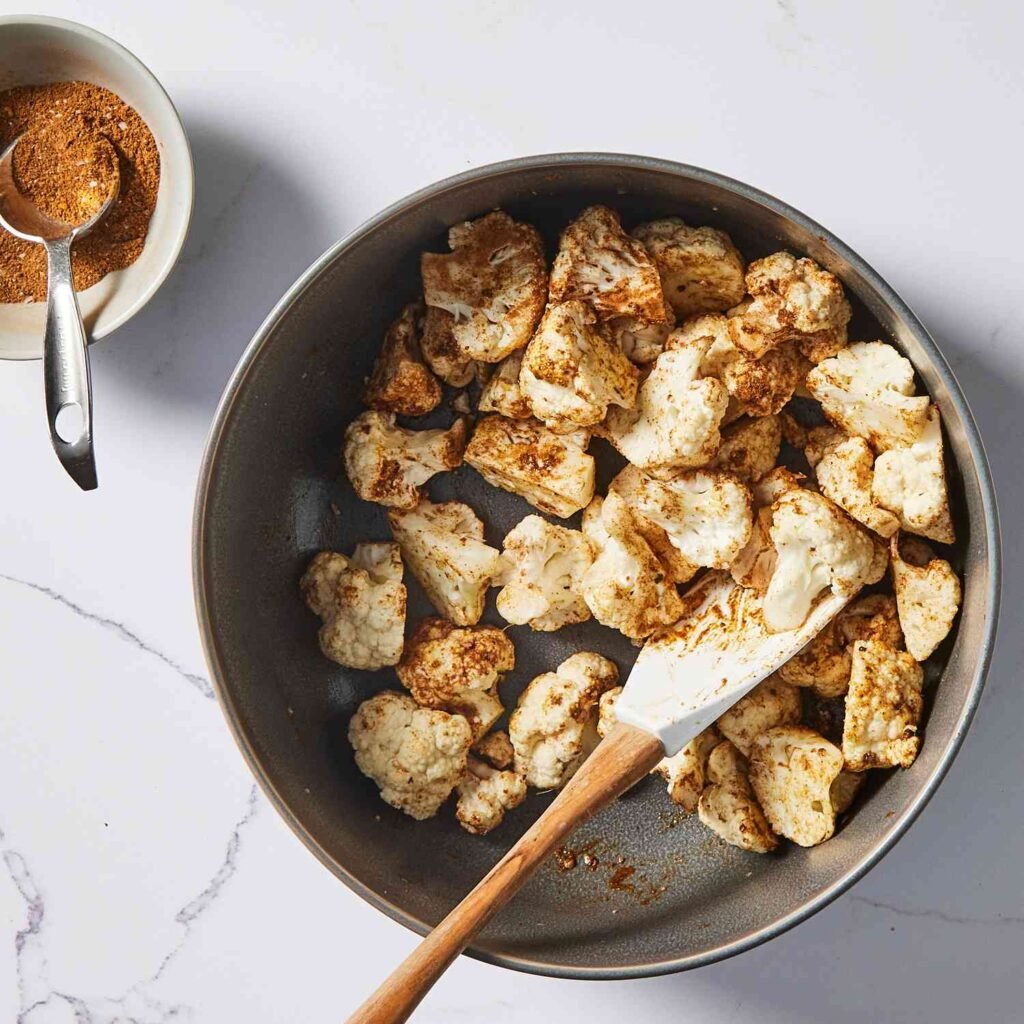
The quality of cauliflower defines the success of the curry.
Choosing cauliflower:
- Select a firm, compact head with creamy white florets.
- Avoid heads with dark patches, loosened florets, or a strong odour.
- Fresh green leaves around the base are a good sign of freshness.
Preparation:
- Separate florets into medium-sized pieces.
- Rinse thoroughly under running water to remove dirt.
- Soak florets in salted warm water for 10 minutes—this not only cleans but also removes any hidden insects.
- Drain and pat dry before cooking.
Step 2: Gathering the Spice and Vegetable Base
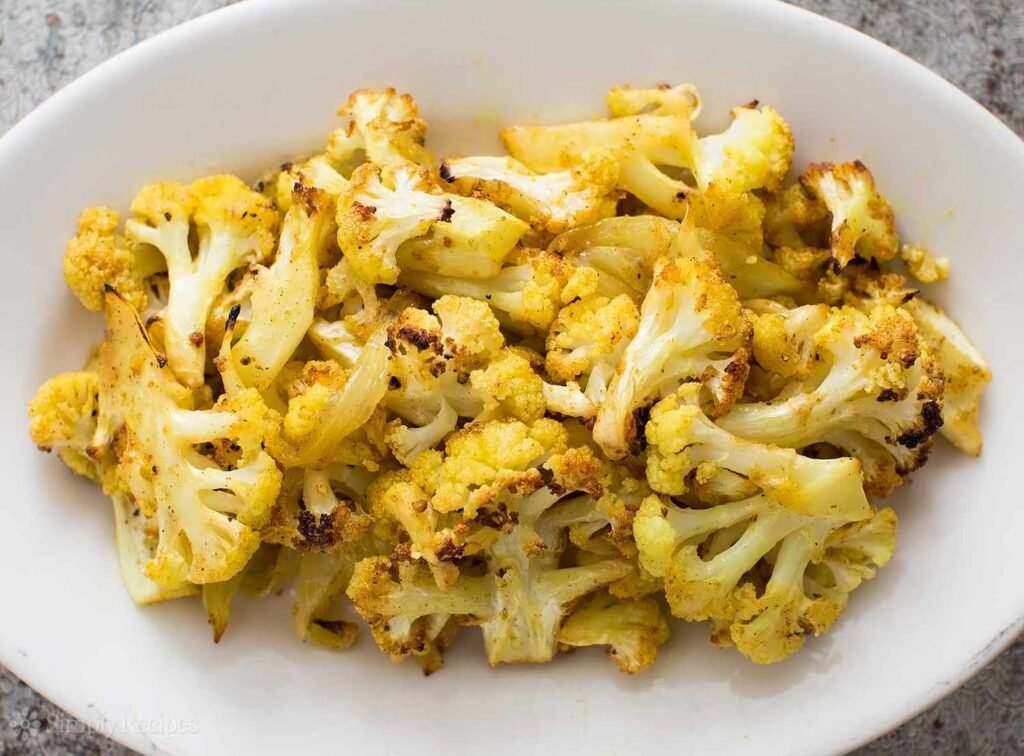
Indian curries thrive on their masala base. For cauliflower curry, the following ingredients are essential:
- 2 medium onions (finely chopped)
- 2 medium tomatoes (pureed or finely chopped)
- 1 teaspoon ginger-garlic paste
- 1–2 green chilies (slit or chopped)
- Dry spices: ½ tsp turmeric, 1 tsp coriander powder, ½ tsp cumin powder, ½ tsp red chili powder, ½ tsp garam masala
- Salt to taste
- Fresh coriander leaves for garnish
Optional additions include peas (for aloo gobi matar variations), potatoes, or carrots.
Step 3: Pre-Cooking the Cauliflower
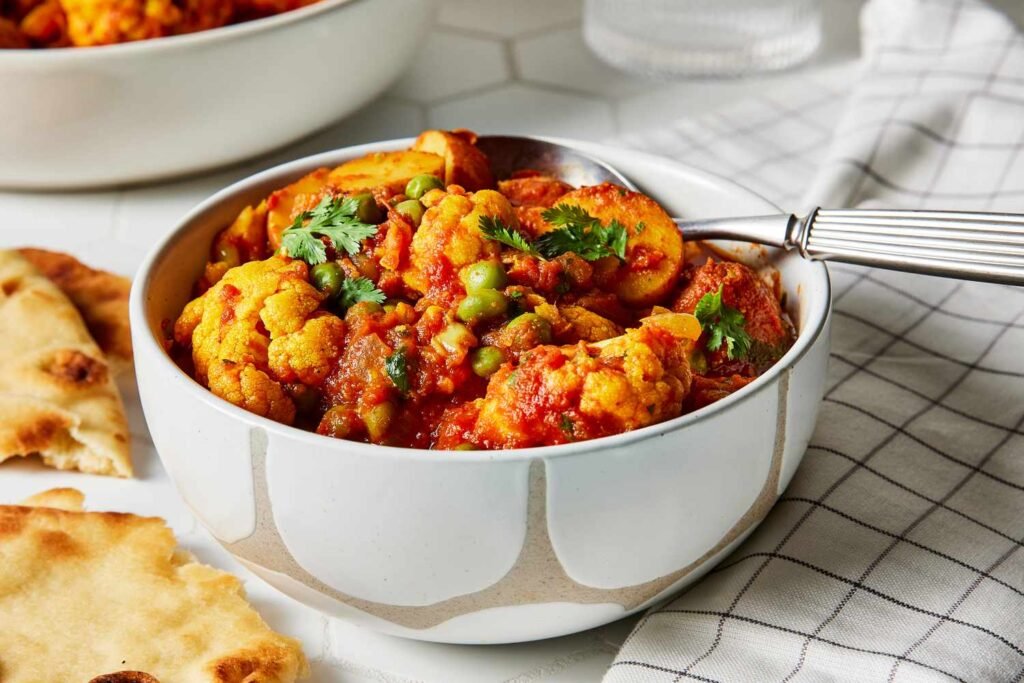
Cauliflower requires careful cooking to ensure it retains bite without turning mushy.
Methods:
- Blanching: Add florets to boiling water for 2–3 minutes, then drain. This softens them slightly and reduces cooking time.
- Steaming: Place florets in a steamer for 5 minutes until just tender.
This step also helps reduce strong raw odours and ensures even cooking later.
Step 4: Creating the Onion-Tomato Masala
This step forms the heart of the curry.
- Heat 2 tablespoons of oil (or less, for a lighter version) in a heavy-bottomed pan.
- Add cumin seeds; let them crackle.
- Add onions and sauté until golden brown.
- Stir in ginger-garlic paste and fry briefly.
- Add tomato puree and cook until the oil separates, indicating the masala is ready.
- Add dry spices—turmeric, coriander, cumin, and red chili powder. Cook on low flame to avoid burning.
The masala should be aromatic, with a balance of tanginess from tomatoes and sweetness from onions.
Step 5: Cooking the Cauliflower in the Masala
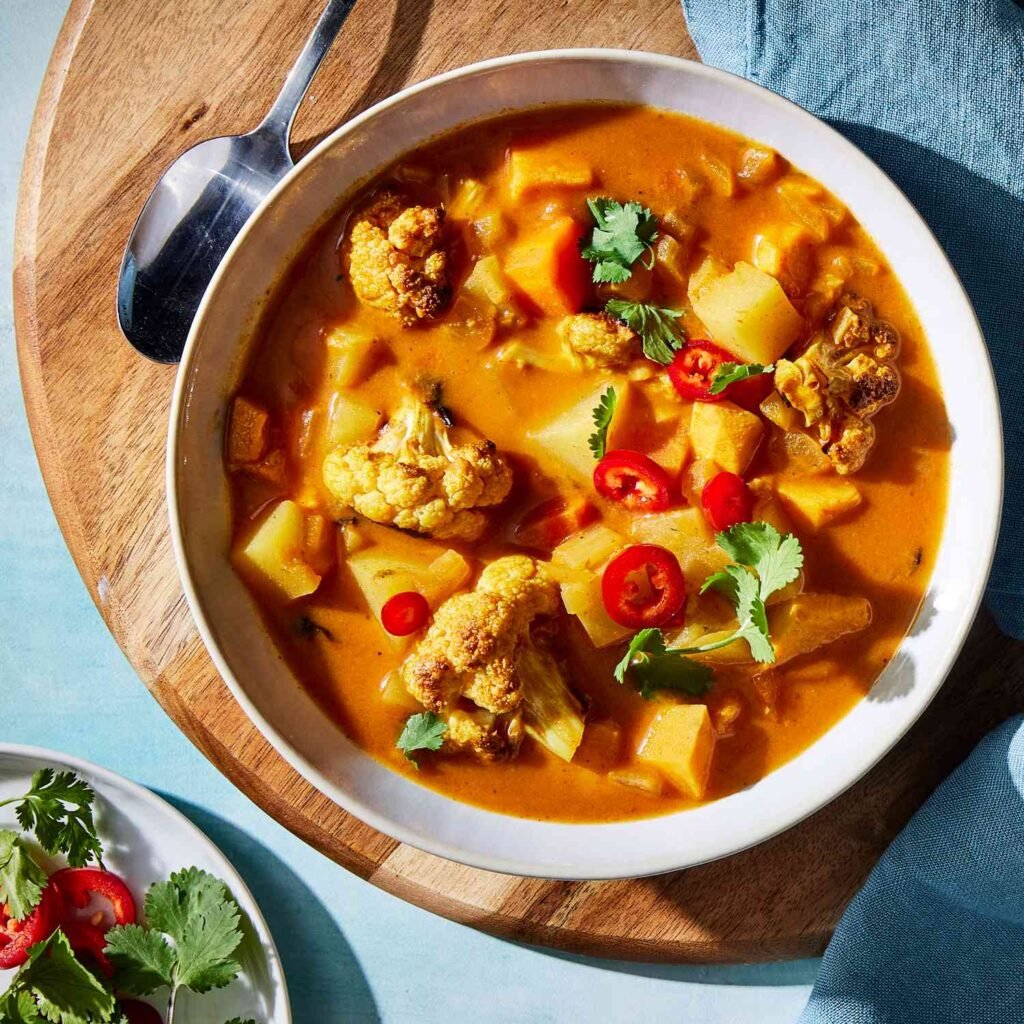
- Add pre-cooked cauliflower florets to the pan and coat them well with the masala.
- Stir gently to avoid breaking florets.
- Sprinkle salt and add ½ cup water (adjust for desired gravy consistency).
- Cover and simmer for 8–10 minutes on low heat, allowing flavours to infuse.
For a dry curry, skip adding water and cook uncovered, stirring often.
Step 6: Layering Flavours and Adjustments
At this stage, refine the dish:
- Sprinkle garam masala for warmth.
- Add green chilies if you prefer extra spice.
- Adjust salt and chili powder to taste.
- If adding peas or carrots, stir them in and cook until tender.
Simmer until the curry reaches the desired texture—neither too watery nor overly dry.
Step 7: Garnishing and Serving
The finishing touches elevate the dish:
- Garnish with freshly chopped coriander leaves.
- A drizzle of lemon juice brightens flavours.
- Serve hot with roti, naan, or steamed rice.
For festive meals, pair with dal, pickles, and salad to complete the plate.
Nutritional Benefits

Cauliflower curry is not just comforting but also nutritious:
- Cauliflower: Low in calories, high in vitamin C, vitamin K, folate, and antioxidants. Supports digestion and immunity.
- Onions and tomatoes: Provide fibre, vitamin C, and plant compounds that fight inflammation.
- Spices: Turmeric offers anti-inflammatory benefits, while cumin aids digestion and coriander supports detoxification.
One serving of cauliflower curry (without excess oil) contains about 120–150 calories, making it suitable for weight-conscious diets.
Cultural Significance
Cauliflower curry has deep roots in Indian cuisine. Known as gobi ki sabzi or gobi curry, it is a staple in vegetarian households across North India, often enjoyed with phulkas or rice. Variations exist across regions:
- Punjabi style: With rich onion-tomato gravy and garam masala.
- South Indian style: Sometimes finished with coconut or curry leaves.
- Dry version: Popular in lunchboxes, easy to pair with rotis.
Its presence in daily meals highlights the Indian emphasis on simple vegetables elevated through spices.
Common Mistakes and How to Avoid Them
- Overcooking cauliflower: Leads to mushy texture. Blanch briefly and cook gently.
- Watery curry: Add water gradually and simmer until absorbed.
- Burnt masala: Cook onions and tomatoes on medium flame, adding splashes of water if needed.
- Under-seasoning: Cauliflower absorbs flavours; ensure spices and salt are well balanced.
Variations
- Aloo Gobi Curry: Add diced potatoes for a heartier dish.
- Gobi Matar: Stir in green peas for colour and protein.
- Coconut-based Curry: Blend coconut milk for a South Indian touch.
- Low-oil Version: Use non-stick pans and steam florets to minimize fat.
Each variation keeps the dish vegetarian while offering new textures and flavours.
Serving Suggestions
- Everyday comfort: Serve with hot phulkas or steamed rice.
- Festive platter: Pair with dal tadka, jeera rice, and raita.
- Health-focused meal: Enjoy with quinoa or millet rotis.
This curry adapts easily to both casual family dinners and elaborate festive meals.
Conclusion
The 7-step cauliflower curry brings together freshness, spices, and tradition in a way that is both comforting and health-conscious. By carefully preparing the cauliflower, crafting a flavourful masala, and finishing with thoughtful garnishes, one can achieve a dish that is nourishing and deeply satisfying.
Culturally rooted, nutritionally rich, and endlessly adaptable, cauliflower curry demonstrates the power of Indian vegetarian cuisine. Whether prepared as a quick weekday dish or a centerpiece in a festive meal, it continues to offer comfort and flavour to generations of families.