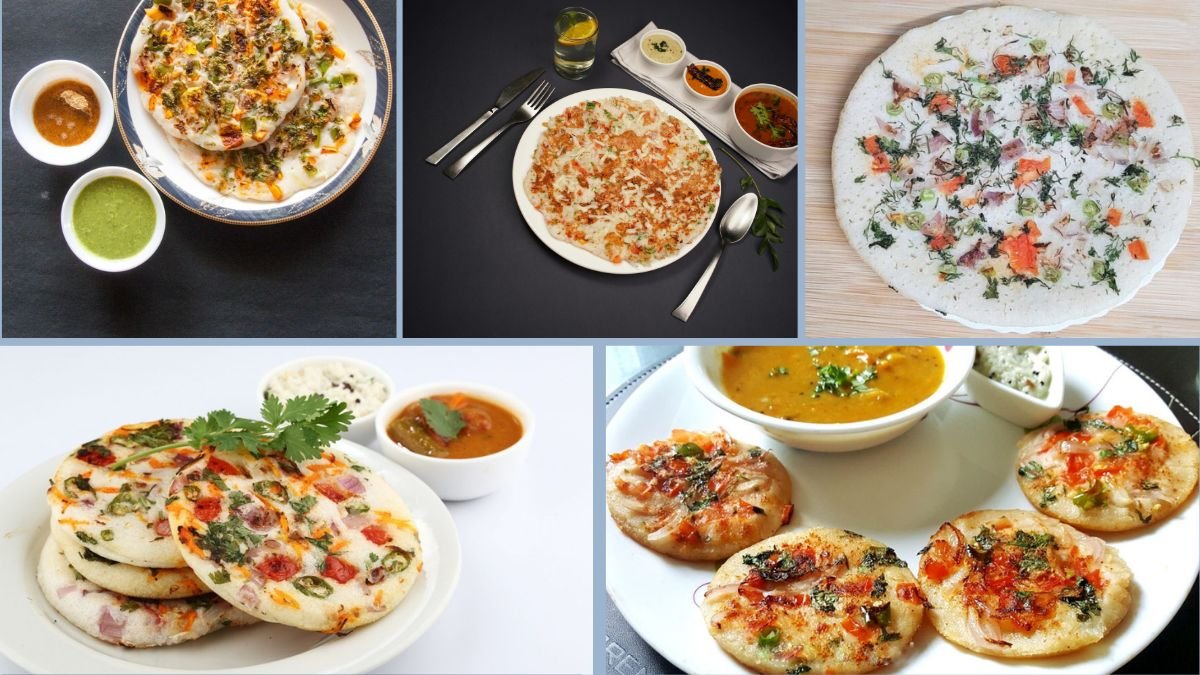
South Indian cuisine is known for its wholesome, delicious, and balanced dishes. One such dish that has won hearts across India and even globally is the uttapam. Often called the “Indian pancake,” uttapam is a thick, soft, and slightly crispy delight, topped generously with colorful vegetables. Unlike dosa, which is thin and crisp, uttapam is fluffy and filling—making it an excellent breakfast, lunch, or dinner option.
Traditionally, uttapam is made using fermented rice and lentil batter, which ensures a soft texture and a mildly tangy taste. When loaded with vegetables, it not only becomes a feast for the eyes but also a nutrient-rich, satisfying meal. Importantly, this version is entirely vegetarian with no non-veg options, making it suitable for all.
In this article, we will guide you through 7 simple steps to prepare vegetable uttapam without hassle, along with insights on its nutritional value, tips for variations, and serving ideas.
Why Choose Vegetable Uttapam?
Before we dive into the recipe, let’s highlight why uttapam is such a cherished dish:
- Wholesome and balanced: Combines carbohydrates (rice), protein (urad dal), fiber, and vitamins (vegetables).
- Versatile: Toppings can be customized with seasonal vegetables.
- Easy to digest: Fermentation makes it gut-friendly and improves nutrient absorption.
- Kid-friendly: Its colorful toppings and soft texture make it appealing to children.
- Perfect for all meals: Can be eaten for breakfast, lunch, or dinner.
Ingredients for Vegetable Uttapam
For Batter (Fermented Base)
- 2 cups raw rice (sona masoori or parboiled rice)
- ½ cup urad dal (black gram split, skin removed)
- 2 tablespoons poha (flattened rice, optional, for softness)
- Salt, to taste
- Water, as needed for soaking and grinding
For Toppings
- 1 medium onion, finely chopped
- 1 small tomato, finely chopped
- 1 small capsicum, finely chopped
- ½ cup grated carrot
- 2–3 green chilies, finely chopped (optional)
- 2 tablespoons fresh coriander leaves, chopped
For Cooking
- 1–2 teaspoons oil or ghee (optional, can also be cooked without oil in a non-stick pan)
Step-by-Step Guide to Making Vegetable Uttapam

Step 1: Prepare the Batter
- Wash and soak the rice, urad dal, and poha separately in water for 4–5 hours.
- Drain and grind them together into a smooth batter using enough water.
- Transfer to a large bowl, add salt, and leave the batter covered in a warm place to ferment for 8–10 hours or overnight.
- The batter should rise and turn slightly frothy, with a mildly tangy aroma.
Tip: If you live in a cooler region, place the batter in an oven with the light on or wrap the container in a warm cloth to aid fermentation.
Step 2: Prepare the Vegetable Toppings
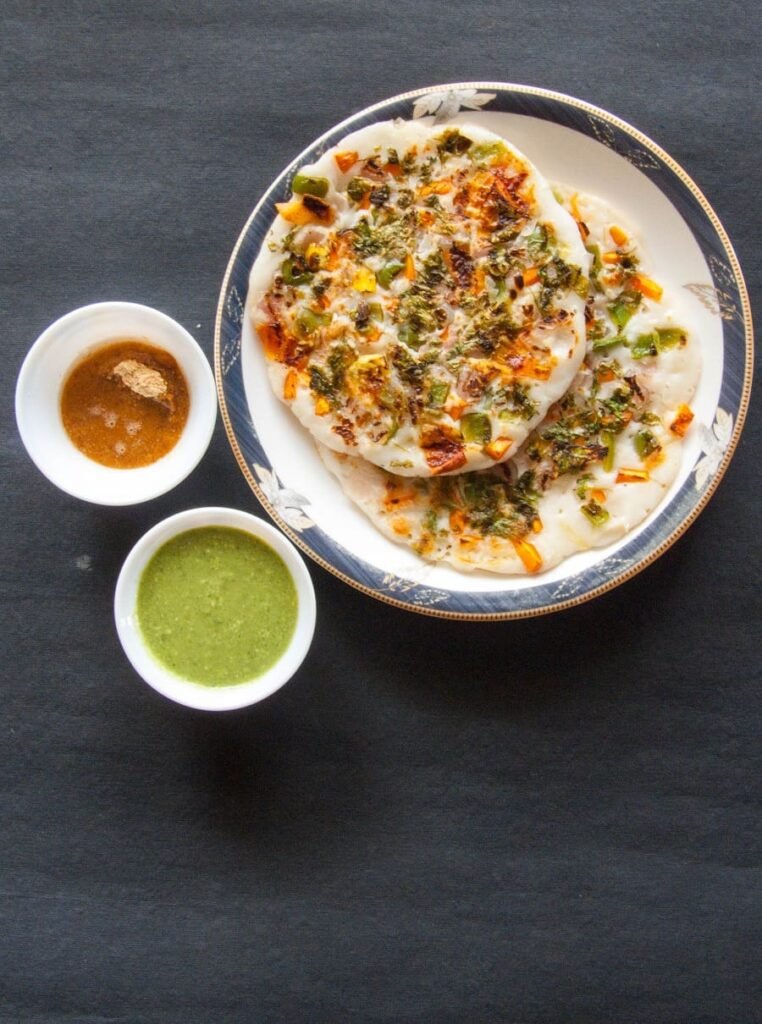
- Finely chop onions, tomatoes, and capsicum.
- Grate the carrot and chop coriander leaves.
- Mix all vegetables in a bowl and keep ready.
- Adjust toppings depending on preference—some people also add beetroot, corn, or spinach for extra flavor and color.
Step 3: Heat the Pan
- Heat a flat, non-stick tawa or cast-iron griddle on medium flame.
- Grease lightly with a few drops of oil or ghee, or wipe with a cloth if you want an oil-free version.
- Ensure the pan is hot but not smoking.
Step 4: Pour and Spread the Batter
- Take a ladleful of batter and pour it onto the hot pan.
- Spread gently in a circular motion to form a thick pancake, about ¼ inch thick.
- Do not spread too thin, as uttapam should be soft and fluffy, unlike dosa.
Step 5: Add the Vegetable Toppings
- Sprinkle the prepared vegetable mixture evenly on top of the batter while it is still wet.
- Press the toppings gently with the back of a spoon so they stick to the batter.
- You can be creative here—make colorful patterns or mix all toppings together.
Step 6: Cook the Uttapam
- Drizzle a few drops of oil or ghee around the edges (optional).
- Cover the uttapam with a lid and cook on medium heat for 2–3 minutes until the base is golden brown.
- Flip carefully and cook the other side for 1–2 minutes to ensure the vegetables are lightly cooked.
- For a crispier version, cook a little longer on both sides.
Step 7: Garnish and Serve
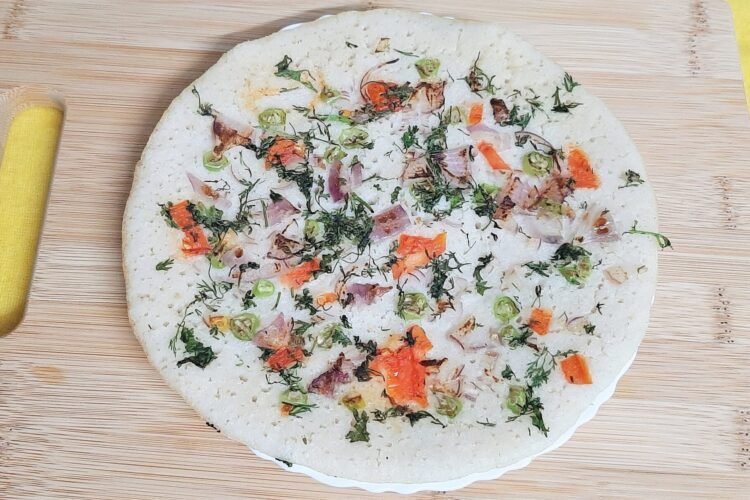
- Once cooked, transfer the uttapam to a plate.
- Garnish with fresh coriander leaves or a light sprinkle of chaat masala for extra zing.
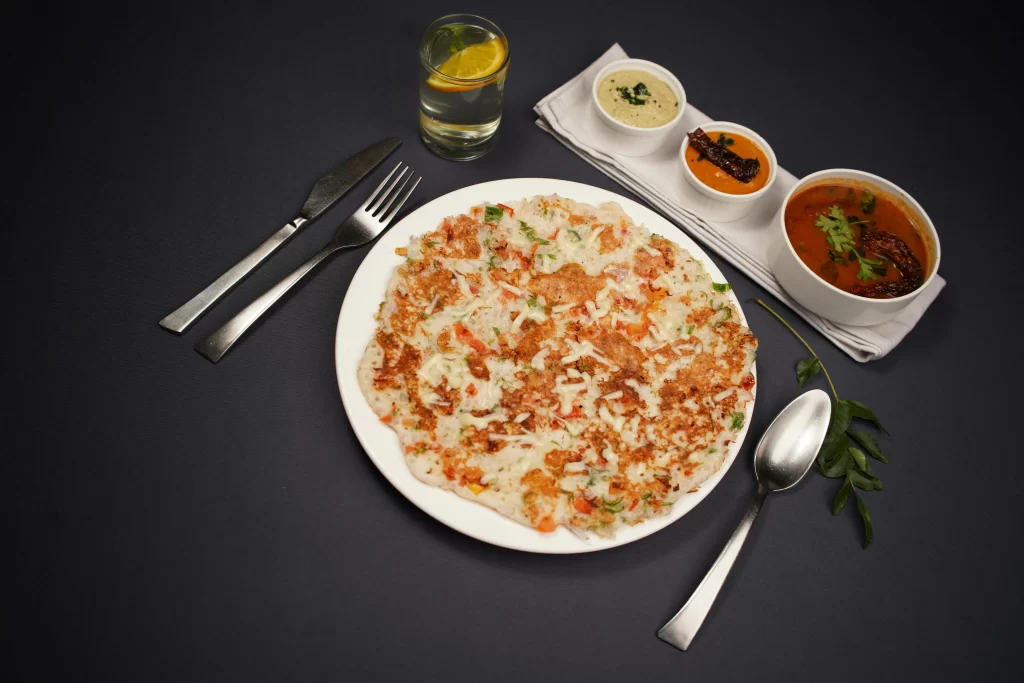
- Serve hot with coconut chutney, tomato chutney, or sambar.
Nutritional Benefits of Vegetable Uttapam
- Rich in Carbohydrates: Provides sustained energy, making it an ideal breakfast option.
- Good Protein Content: Urad dal in the batter contributes plant-based protein.
- Fiber and Vitamins: Vegetables like carrots, tomatoes, and capsicum provide dietary fiber, vitamin A, vitamin C, and antioxidants.
- Fermented Goodness: Aids digestion, enhances bioavailability of nutrients, and promotes gut health.
- Low in Fat: Can be prepared with minimal or no oil, making it heart-friendly.
Variations of Vegetable Uttapam
- Cheese Uttapam: Add grated cheese on top for a kid-friendly version.
- Mixed Grain Uttapam: Use millet or quinoa along with rice for added nutrition.
- Instant Rava Uttapam: Skip fermentation by using semolina (rava) with curd and water to make an instant batter.
- Spicy Uttapam: Add green chilies, ginger, or chili flakes for a punch of heat.
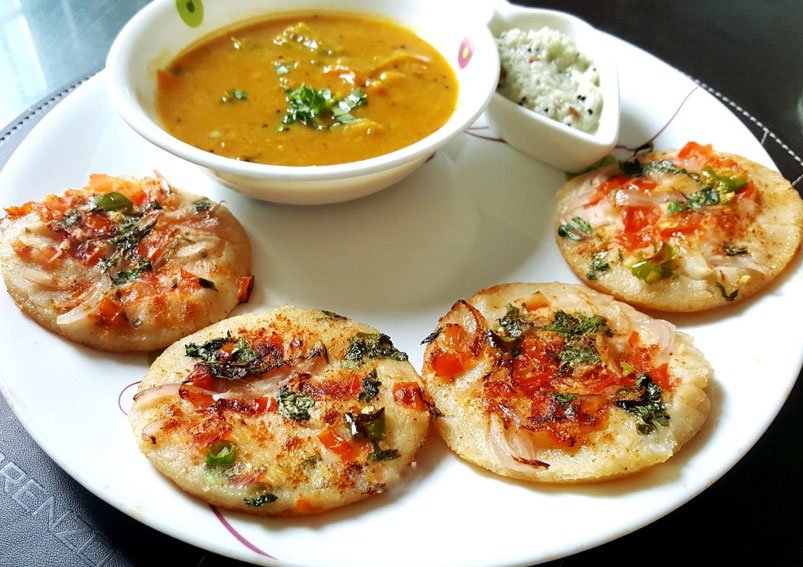
- Mini Uttapams: Make smaller, bite-sized uttapams perfect for snacks or party starters.
Tips for Perfect Uttapam
- Use a well-fermented batter; otherwise, the uttapam may turn flat or hard.
- Keep the uttapam slightly thick for a soft, fluffy texture.
- Don’t overload with too many toppings, as it may prevent even cooking.
- Cook on medium flame to avoid burning the base before the top sets.
- Use fresh vegetables for best taste and nutrition.
Conclusion
Vegetable uttapam is proof that traditional dishes can be both healthy and easy to prepare. With its colorful toppings, soft base, and mild flavors, it appeals to all age groups while delivering a nutrient-packed meal.
By following this 7-step hassle-free guide, you can make perfect uttapams at home, whether for breakfast, lunch, or dinner. Its versatility allows endless variations, while its simplicity ensures it fits seamlessly into busy routines.
Vegetable uttapam is more than just food—it’s a celebration of tradition, taste, and nutrition on a single plate. Adding it to your menu not only enhances mealtimes but also keeps you connected to the wholesome essence of South Indian cuisine.