
The Mediterranean diet is widely recognized as one of the healthiest eating patterns in the world, celebrated for its ability to promote longevity, support heart health, and enhance overall well-being. Rooted in the traditional cuisine of countries bordering the Mediterranean Sea, this diet emphasizes whole, plant-based foods, healthy fats, and moderate consumption of natural foods. It is not just a diet but a lifestyle approach that combines nutrition, mindful eating, and cultural practices to support a sustainable and healthful way of living. This article explores the benefits of a Mediterranean diet, its core principles, and practical strategies for following it effectively, with a focus on vegetarian-friendly options.
Understanding the Mediterranean Diet

The Mediterranean diet is characterized by a high intake of fruits, vegetables, whole grains, legumes, nuts, seeds, and healthy fats, particularly olive oil. Dairy products, mainly yogurt and cheese, are consumed in moderation, while red meat is limited. Plant-based protein sources such as beans, lentils, chickpeas, and tofu play a central role, making it highly compatible with vegetarian diets.
Key features of the Mediterranean diet include:
- Emphasis on plant-based foods: Fresh fruits, vegetables, legumes, whole grains, and nuts are staples.
- Healthy fats: Olive oil is the primary fat, providing monounsaturated fats and antioxidants.
- Moderate dairy: Cheese and yogurt provide calcium and protein.
- Limited red meat: Vegetarian sources of protein are preferred.
- Herbs and spices: Garlic, basil, rosemary, oregano, and thyme enhance flavor without excessive salt.
- Mindful eating: Meals are enjoyed slowly, often in a social setting, promoting better digestion and satisfaction.
Nutritional Benefits of a Mediterranean Diet
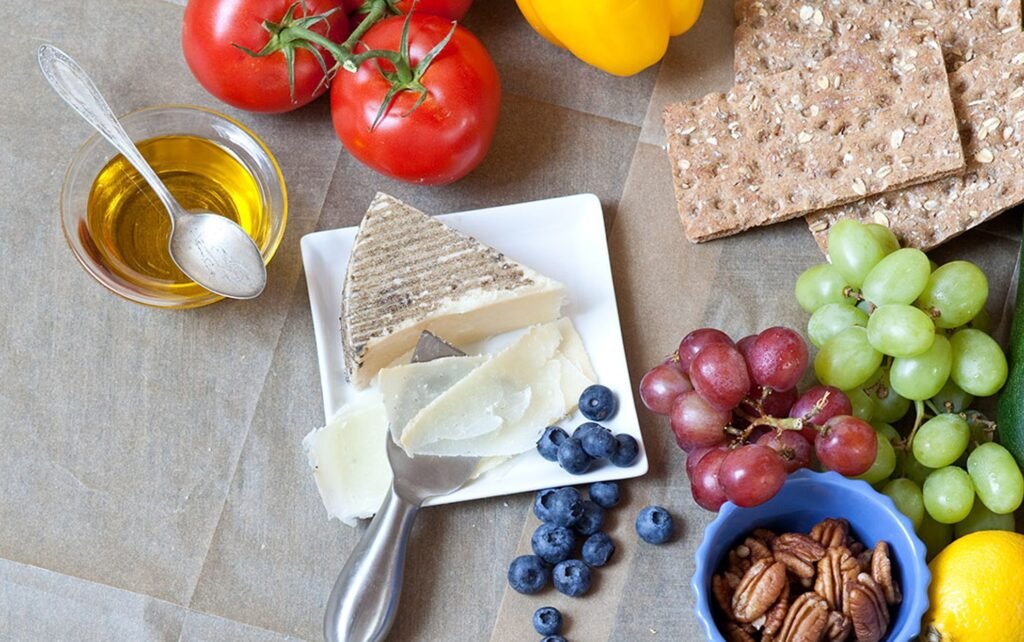
Adopting a Mediterranean diet offers a multitude of health benefits, particularly when focusing on plant-based components.
1. Heart Health
The Mediterranean diet is strongly associated with cardiovascular health. Monounsaturated fats from olive oil, along with omega-3s from nuts and seeds, can reduce LDL cholesterol and inflammation, lower blood pressure, and improve overall heart function. Consuming legumes and whole grains provides soluble fiber, further supporting heart health.
2. Weight Management
Despite its inclusion of healthy fats, the Mediterranean diet has been linked to weight management and reduced obesity risk. High fiber intake from fruits, vegetables, and whole grains promotes satiety, preventing overeating and supporting long-term weight control.
3. Blood Sugar Regulation

The diet’s emphasis on whole grains, legumes, and low-glycemic fruits helps stabilize blood sugar levels. Fiber slows glucose absorption, reducing insulin spikes, and minimizing the risk of type 2 diabetes.
4. Digestive Health
High fiber intake from fruits, vegetables, legumes, nuts, and whole grains supports healthy digestion, reduces constipation, and nourishes beneficial gut bacteria. A balanced gut microbiome enhances nutrient absorption and immune function.
5. Brain Health
Antioxidants, polyphenols, and healthy fats in the Mediterranean diet support cognitive function and may reduce the risk of neurodegenerative diseases. Studies suggest that adherence to this diet is linked to improved memory, attention, and reduced age-related cognitive decline.
6. Anti-Inflammatory Effects
The Mediterranean diet is rich in antioxidants and phytonutrients that combat oxidative stress and inflammation. Ingredients such as olive oil, tomatoes, leafy greens, nuts, and legumes contribute to systemic anti-inflammatory effects, reducing the risk of chronic diseases.
7. Longevity and Overall Wellness
Research indicates that individuals following the Mediterranean diet have longer life expectancy and reduced incidence of chronic diseases such as heart disease, stroke, and certain cancers. Its nutrient-rich, plant-focused approach fosters holistic wellness.
Core Principles for Following a Vegetarian Mediterranean Diet

Adopting a Mediterranean diet does not require strict restrictions. Instead, focus on these guiding principles:
1. Emphasize Plant-Based Foods
Make fruits, vegetables, whole grains, and legumes the foundation of every meal. Include a variety of colors to maximize antioxidants, vitamins, and minerals. Examples include:
- Leafy greens: Spinach, kale, arugula
- Cruciferous vegetables: Broccoli, cauliflower, Brussels sprouts
- Legumes: Chickpeas, lentils, black beans
- Whole grains: Brown rice, farro, quinoa, bulgur
2. Use Healthy Fats Wisely
Replace saturated fats with extra virgin olive oil, a rich source of monounsaturated fats and antioxidants. Incorporate:
- Olive oil for cooking and salad dressings
- Nuts and seeds as snacks or toppings
- Avocados for creaminess and healthy fats
3. Include Dairy in Moderation

Opt for low-fat or moderate portions of cheese and yogurt. Greek yogurt, feta, or ricotta are excellent options that provide protein and calcium without excessive fat.
4. Prioritize Plant-Based Protein
Focus on beans, lentils, tofu, tempeh, nuts, and seeds as primary protein sources. Incorporate them into salads, stews, grain bowls, or spreads for satisfying meals.
5. Flavor with Herbs and Spices
Instead of relying on salt, use fresh or dried herbs, garlic, onions, lemon juice, and spices to enhance flavor naturally. Common Mediterranean herbs include:
- Basil, oregano, thyme, rosemary
- Paprika, cumin, coriander
- Garlic, shallots, onions
6. Limit Processed Foods
Avoid refined sugars, highly processed snacks, and excessive packaged foods. Focus on whole, minimally processed ingredients for maximum nutritional benefit.
7. Practice Mindful Eating
Enjoy meals slowly and in social settings when possible. Mindful eating enhances digestion, improves satisfaction, and fosters a healthier relationship with food.
Meal Ideas for a Vegetarian Mediterranean Diet
Breakfast
- Greek yogurt with fresh berries, a drizzle of honey, and a sprinkle of nuts
- Oatmeal topped with chopped almonds, chia seeds, and figs
- Whole-grain toast with avocado, tomatoes, and a sprinkle of olive oil
Lunch
- Chickpea and vegetable salad with olive oil and lemon dressing
- Lentil soup with herbs, tomatoes, and whole-grain bread
- Quinoa bowl with roasted vegetables, olives, and a tahini drizzle
Dinner
- Grilled vegetable and halloumi skewers with farro or bulgur
- Eggplant and chickpea stew served over brown rice
- Whole-grain pasta tossed with spinach, cherry tomatoes, garlic, and olive oil
Snacks
- Hummus with raw vegetables or whole-grain crackers
- A handful of mixed nuts or seeds
- Fresh fruit with a sprinkle of cinnamon or a few dark chocolate pieces
Practical Tips for Success
- Plan Meals: Prepare weekly menus focusing on plant-based Mediterranean staples.
- Cook at Home: Control ingredients, portion sizes, and quality.
- Stock a Mediterranean Pantry: Keep whole grains, legumes, olive oil, nuts, seeds, and dried herbs available.
- Experiment with Recipes: Adapt traditional Mediterranean dishes using vegetarian-friendly proteins and vegetables.
- Balance Portions: Include vegetables, grains, and plant-based proteins in every meal.
- Stay Hydrated: Water and herbal teas complement the diet and support overall wellness.
Conclusion
The Mediterranean diet is more than a diet—it is a holistic approach to health, emphasizing nutrient-rich, plant-based foods, healthy fats, and mindful eating practices. Adopting a vegetarian Mediterranean diet provides numerous benefits, including improved heart health, weight management, blood sugar regulation, digestive support, cognitive benefits, and overall longevity.
By prioritizing whole grains, legumes, fruits, vegetables, nuts, seeds, and olive oil, and limiting processed foods, refined sugars, and excess salt, anyone can follow a Mediterranean-inspired lifestyle that is both delicious and sustainable. Flavorful herbs, spices, and mindful meal practices further enhance enjoyment, making this diet a practical and appealing option for modern health-conscious living.
Ultimately, embracing the Mediterranean diet allows individuals to nourish their bodies, enjoy a wide variety of delicious foods, and promote long-term health—all while adhering to a vegetarian-friendly, plant-focused lifestyle. With simple adjustments, planning, and creativity, the Mediterranean diet can become a sustainable approach to vibrant health and wellness for life.