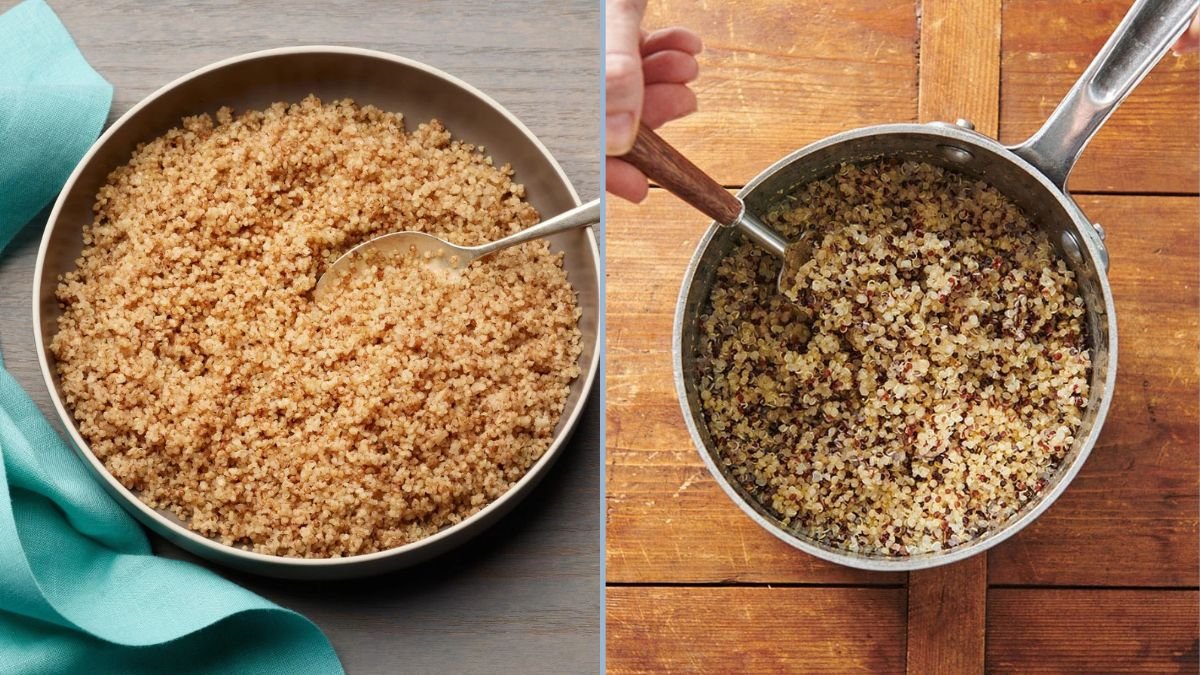
Quinoa has emerged as one of the most celebrated superfoods in modern nutrition. Hailing from the Andean region of South America, quinoa has been cultivated for thousands of years, prized for its exceptional nutritional value and versatility. Often called a “super grain,” quinoa is gluten-free, packed with protein, rich in essential nutrients, and incredibly easy to cook. Whether you’re a busy professional, a fitness enthusiast, or someone simply looking to add more wholesome foods to your diet, quinoa can be a game-changer. In this article, we’ll explore why quinoa is considered a power food, how to cook it perfectly every time, and creative ways to incorporate it into your vegetarian or plant-based meals.
What is Quinoa?
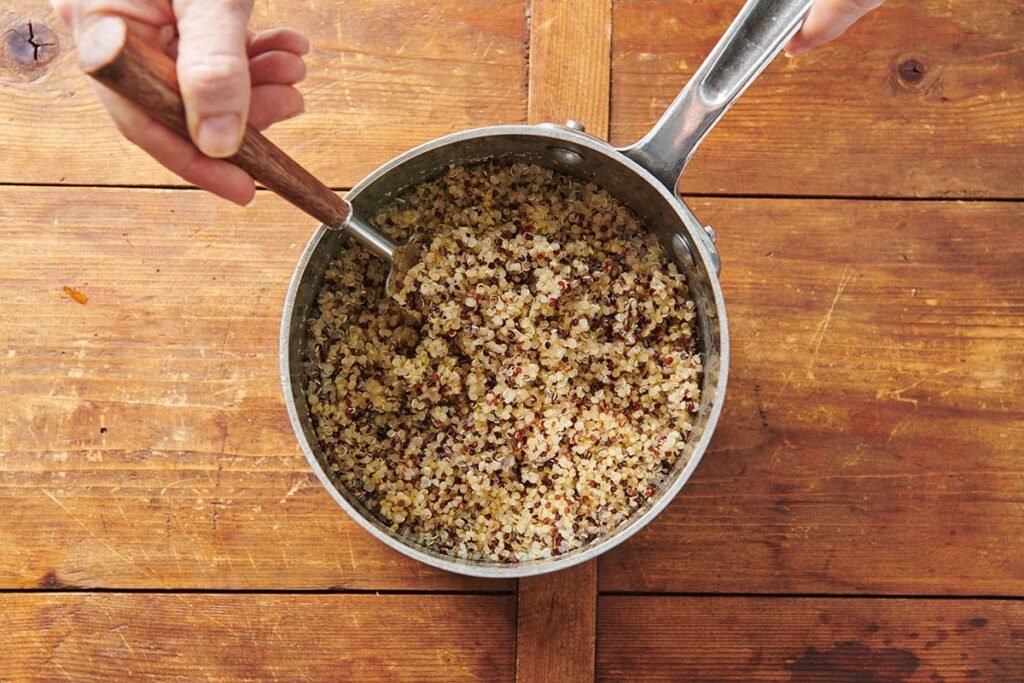
Quinoa is technically a seed, though it’s commonly treated as a grain in culinary applications. Its unique composition makes it stand out among plant-based foods: it contains all nine essential amino acids, making it a complete protein. Additionally, it is high in fiber, magnesium, phosphorus, manganese, folate, and various antioxidants.
There are several types of quinoa available:
- White Quinoa: The most common variety, with a light, fluffy texture when cooked.
- Red Quinoa: Holds its shape better and is slightly nuttier in flavor, making it ideal for salads.
- Black Quinoa: Earthier in taste, often used in grain bowls or mixed with other quinoa varieties.
- Tri-Color Quinoa: A blend of white, red, and black quinoa for both visual appeal and a mix of textures.
Quinoa is naturally gluten-free, easy to digest, and compatible with vegetarian, vegan, and plant-based diets.
Why Quinoa is a Power Food
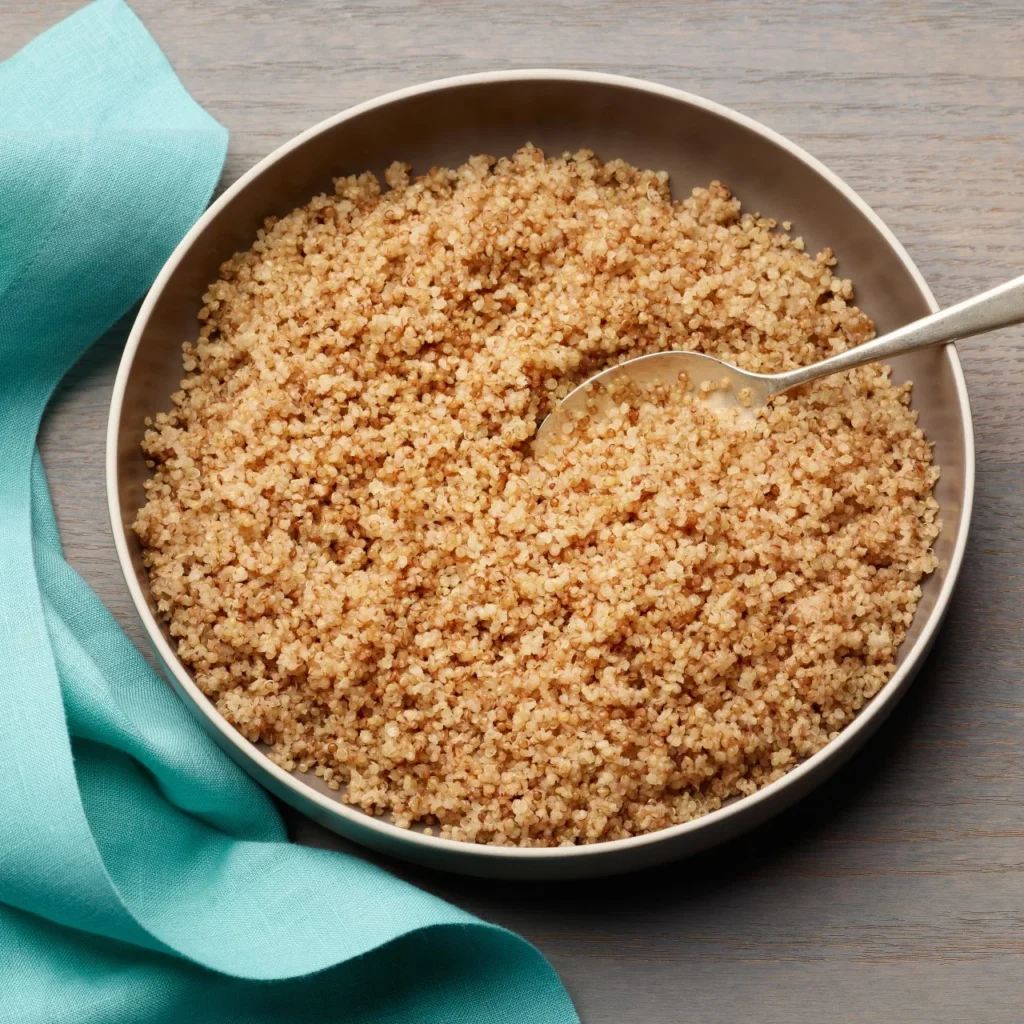
Quinoa is often called a “superfood” because of its dense nutrient profile and numerous health benefits. Here’s why it deserves a place in your diet:
1. Complete Plant-Based Protein
Unlike most plant foods, quinoa contains all nine essential amino acids, making it a complete protein source. This is particularly valuable for vegetarians and vegans seeking plant-based protein alternatives. Just one cup of cooked quinoa provides around 8 grams of protein, making it an excellent addition to meals for energy and muscle maintenance.
2. Rich in Fiber
Quinoa is high in dietary fiber, which supports digestive health, helps regulate blood sugar, and promotes a feeling of fullness. High-fiber foods like quinoa can help manage weight, improve gut health, and reduce the risk of chronic diseases such as heart disease and diabetes.
3. Packed with Vitamins and Minerals
Quinoa is a good source of magnesium, manganese, phosphorus, folate, and iron—all essential for metabolic health, energy production, and bone health. It also contains antioxidants like quercetin and kaempferol, which protect cells from oxidative stress and inflammation.
4. Supports Heart Health
The combination of fiber, antioxidants, and healthy plant-based compounds in quinoa can support cardiovascular health. Fiber helps reduce cholesterol levels, while antioxidants combat inflammation—a key contributor to heart disease.
5. Gluten-Free and Easily Digestible
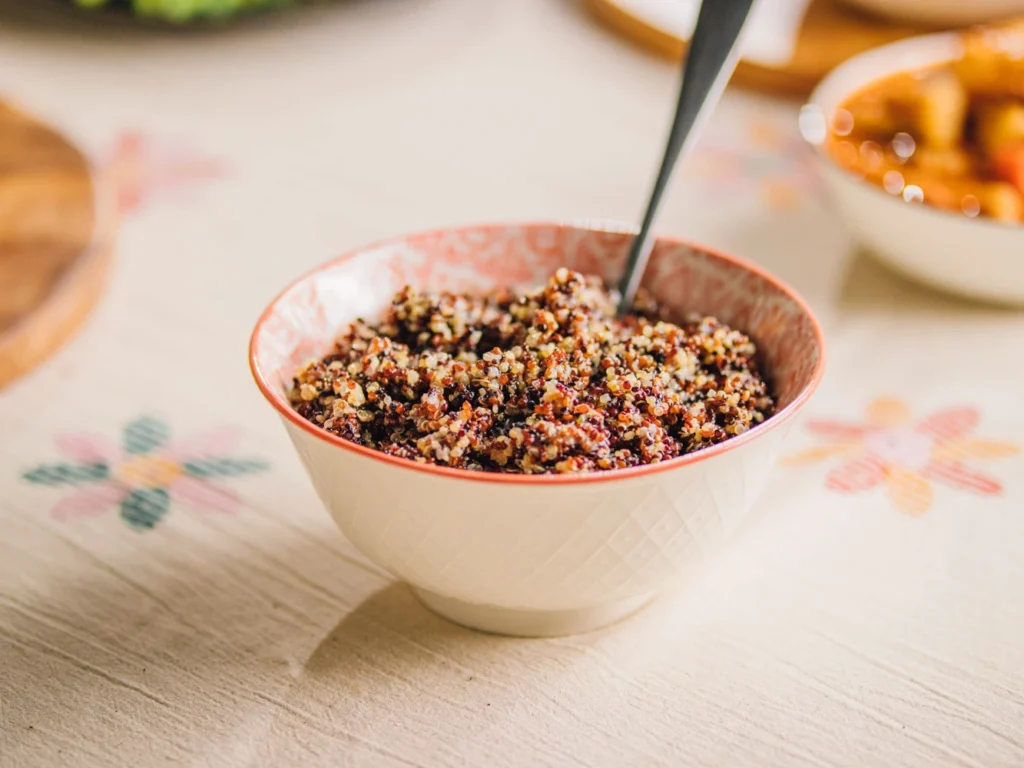
For those with gluten sensitivity or celiac disease, quinoa is an excellent substitute for wheat, barley, or rye. Its light, fluffy texture makes it suitable for a wide range of dishes, from breakfast porridges to hearty grain bowls.
6. Versatility in Cooking
Quinoa’s mild, nutty flavor makes it incredibly versatile. It can be used as a base for salads, in soups, in veggie patties, as a breakfast porridge, or even in baked goods. Its adaptability makes it easy to incorporate into a vegetarian or plant-based diet in countless creative ways.
How to Cook Quinoa Perfectly
Cooking quinoa is simple, but getting it just right requires a few key steps. Here’s a comprehensive guide to ensure perfectly fluffy quinoa every time.
Step 1: Rinse the Quinoa
Quinoa seeds are naturally coated with saponins, a bitter-tasting compound that protects the seed in nature. Rinsing quinoa under cold running water for 1–2 minutes helps remove these saponins and prevents any bitterness. You can use a fine-mesh sieve or a strainer for this step.
Step 2: Measure the Water
The ideal water-to-quinoa ratio is typically 2:1 for stovetop cooking (2 cups of water for every 1 cup of quinoa). This can vary slightly depending on the variety or desired texture, but this ratio produces light, fluffy quinoa.
Step 3: Bring to a Boil
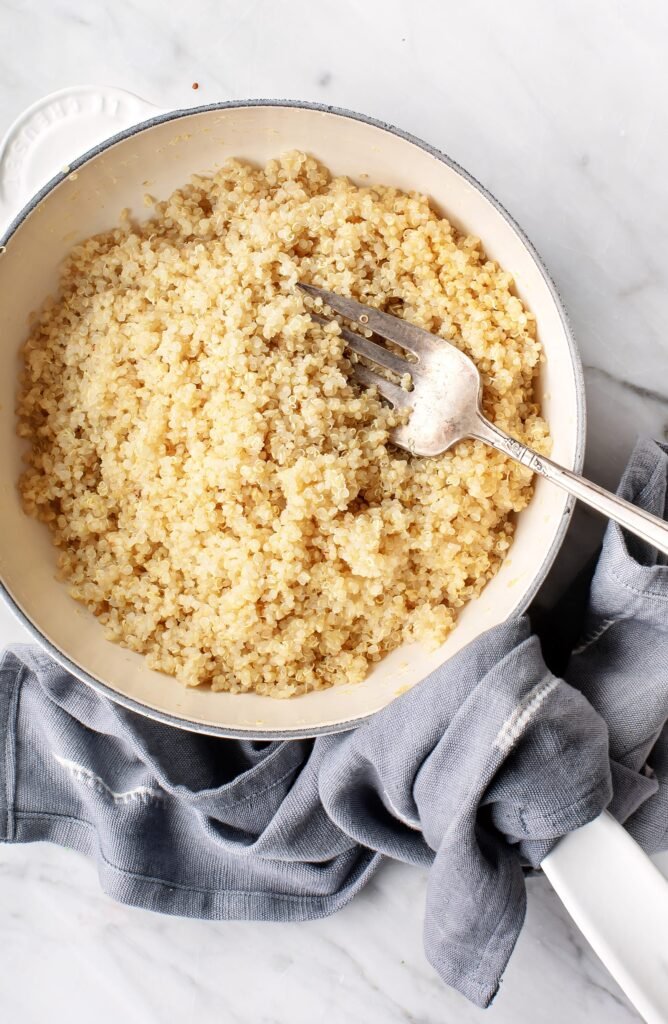
Add the rinsed quinoa and water to a medium saucepan. Optionally, add a pinch of salt or a teaspoon of olive oil for flavor. Bring to a gentle boil over medium-high heat.
Step 4: Simmer
Once it starts boiling, reduce the heat to low, cover the saucepan with a lid, and simmer for about 15–20 minutes. The quinoa is done when it absorbs all the water, the grains become translucent, and you see the little “tail” (the germ) separating from the seed.
Step 5: Let it Rest
After cooking, remove the saucepan from heat and let it sit, covered, for 5–10 minutes. This allows the quinoa to steam and become even fluffier.
Step 6: Fluff with a Fork
Before serving, fluff the quinoa gently with a fork to separate the grains. Avoid stirring too vigorously, as it can make quinoa mushy.
Optional Cooking Methods
- Rice Cooker or Instant Pot: Quinoa can be cooked like rice in a rice cooker or pressure cooker. Follow the manufacturer’s instructions using the 2:1 water-to-quinoa ratio.
- Toasting: For added flavor, toast dry quinoa in a skillet for 2–3 minutes before cooking. This enhances its nutty aroma.
Creative Vegetarian Quinoa Recipes
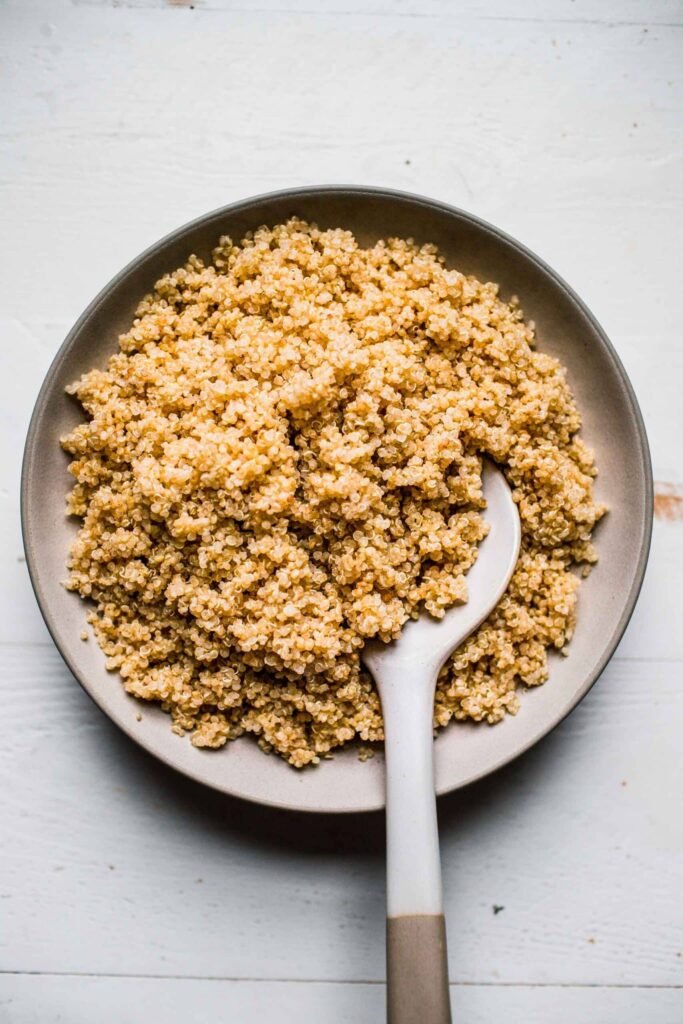
Once you’ve mastered cooking quinoa, you can incorporate it into a variety of delicious, plant-based meals:
1. Quinoa Salad Bowl
Mix cooked quinoa with roasted vegetables, chickpeas, and a lemon-tahini dressing for a nutrient-packed, satisfying meal. Add avocado and seeds for extra protein and healthy fats.
2. Quinoa Breakfast Porridge
Combine quinoa with almond milk, cinnamon, and chopped fruits for a hearty breakfast. Sweeten naturally with maple syrup or mashed bananas.
3. Stuffed Peppers with Quinoa
Use quinoa as a filling for bell peppers, mixing it with black beans, corn, onions, and spices. Bake until the peppers are tender for a colorful and protein-rich dinner.
4. Quinoa Veggie Stir-Fry
Stir-fry quinoa with your favorite vegetables, tofu, and a light soy-ginger sauce. Quick, easy, and perfect for lunch or dinner.
5. Quinoa Patties
Mash cooked quinoa with grated vegetables, herbs, and chickpea flour to form patties. Pan-fry lightly for a protein-rich, vegetarian-friendly snack or main dish.
Tips for Storing and Using Quinoa
- Cooked Quinoa: Store in an airtight container in the fridge for up to 5 days.
- Freezing: Cooked quinoa can be frozen for up to 2 months. Portion into freezer bags for convenience.
- Dry Quinoa: Store in a cool, dark place in an airtight container for up to 12 months.
- Batch Cooking: Cook large quantities and use throughout the week in salads, bowls, or breakfast dishes.
Quinoa as a Lifestyle Food
Quinoa is more than just a trendy superfood—it’s a foundation for a wholesome, plant-based lifestyle. Here’s why incorporating it regularly can transform your diet:
- Supports balanced nutrition: Combines protein, fiber, and micronutrients in one versatile ingredient.
- Boosts energy naturally: Quinoa’s complex carbohydrates release energy slowly, keeping you full and energized.
- Encourages variety: Works well with grains, legumes, vegetables, and herbs for endless combinations.
- Supports wellness goals: Perfect for vegetarians and vegans seeking high-quality protein and nutrients.
Common Mistakes to Avoid
- Skipping the Rinse: Unrinsed quinoa may taste bitter.
- Using Too Much Water: Leads to mushy quinoa; stick to the 2:1 ratio.
- Overcooking: Can make quinoa sticky or gummy; watch for the tail to separate as an indicator.
- Neglecting Flavors: Quinoa is versatile but bland on its own—use herbs, spices, dressings, and mix-ins for taste.
Conclusion
Quinoa is a true power food, offering a rare combination of complete plant-based protein, high fiber, essential minerals, and antioxidants. Its versatility, quick cooking time, and compatibility with vegetarian or vegan diets make it a must-have in every kitchen. Mastering the perfect quinoa is easy with proper rinsing, cooking, and fluffing, and once you do, it opens up endless possibilities for healthy, satisfying meals.
Incorporate quinoa into your daily meals and you’ll enjoy not only the convenience of a quick-cooking grain but also the long-term benefits of balanced nutrition, improved digestion, and sustained energy. From hearty bowls and salads to breakfast porridges and veggie patties, quinoa truly earns its reputation as a superfood for a modern, plant-based lifestyle.
Start cooking quinoa today, and experience the power of this nutrient-packed seed for yourself.