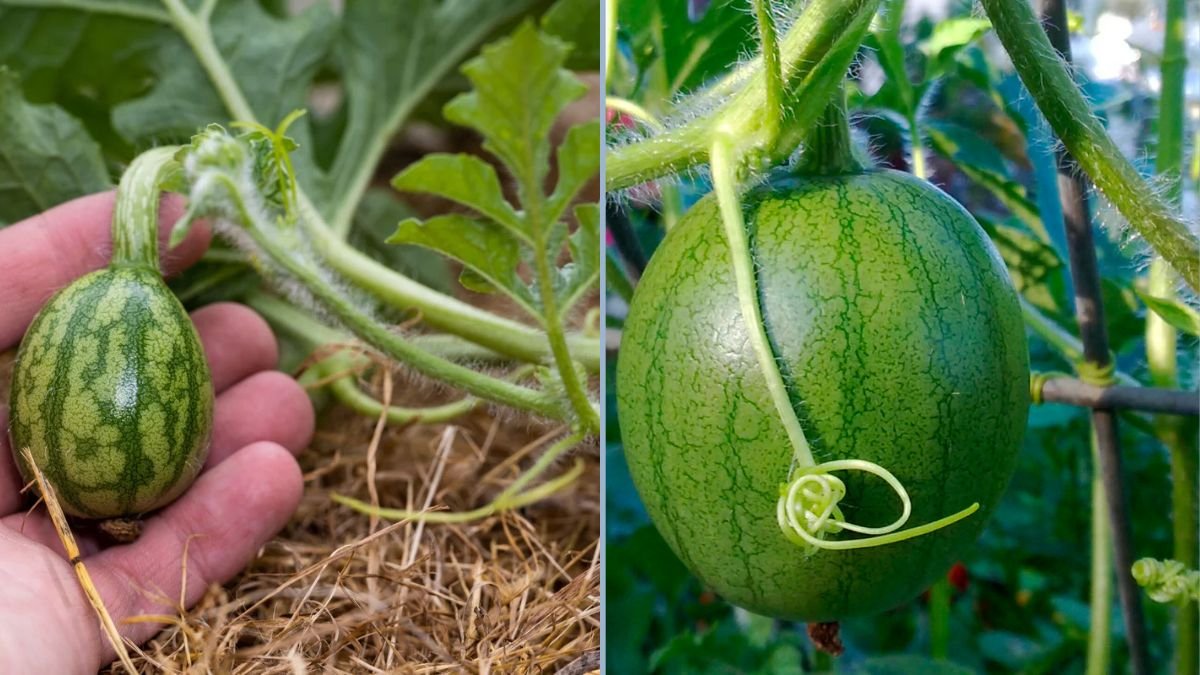
When it comes to summer fruits, watermelons are undeniably a favorite. Their juicy, sweet flesh is perfect for picnics, desserts, and refreshing snacks on hot days. While many gardeners are familiar with the small, “personal-size” or mini watermelons, there’s something extraordinary about growing full-sized, giant watermelons in your backyard. These melons aren’t mini — they’re impressive, heavy, and packed with incredible flavor.
In this post, we’ll explore how to grow giant watermelons, from choosing the right variety and preparing your soil to watering, fertilizing, and harvesting. You’ll also learn tips to ensure your melons reach their full potential, both in size and sweetness.
Why Grow Giant Watermelons?
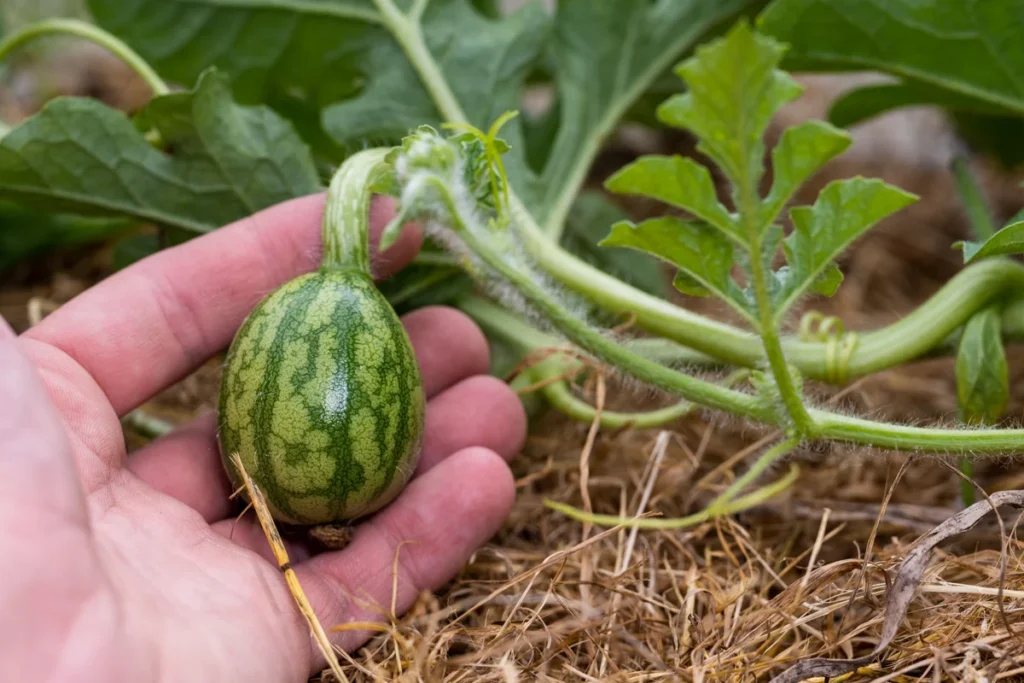
Giant watermelons aren’t just a novelty — they’re a statement for your garden and a treat for your family. Here’s why gardeners love them:
- Impressive Size: Full-sized watermelons can weigh 20–50 pounds or more, providing plenty of fruit for sharing.
- Superior Flavor: Many giant watermelon varieties are extra-sweet and juicy, far beyond what you typically find in stores.
- Visual Appeal: Large, striped watermelons make a striking addition to your garden.
- Fun Gardening Challenge: Growing a giant watermelon requires planning, care, and patience, offering a rewarding horticultural experience.
Unlike mini watermelons, which are bred for convenience and small space gardens, giant watermelons are about maximum fruit, flavor, and garden impact.
Choosing the Right Variety
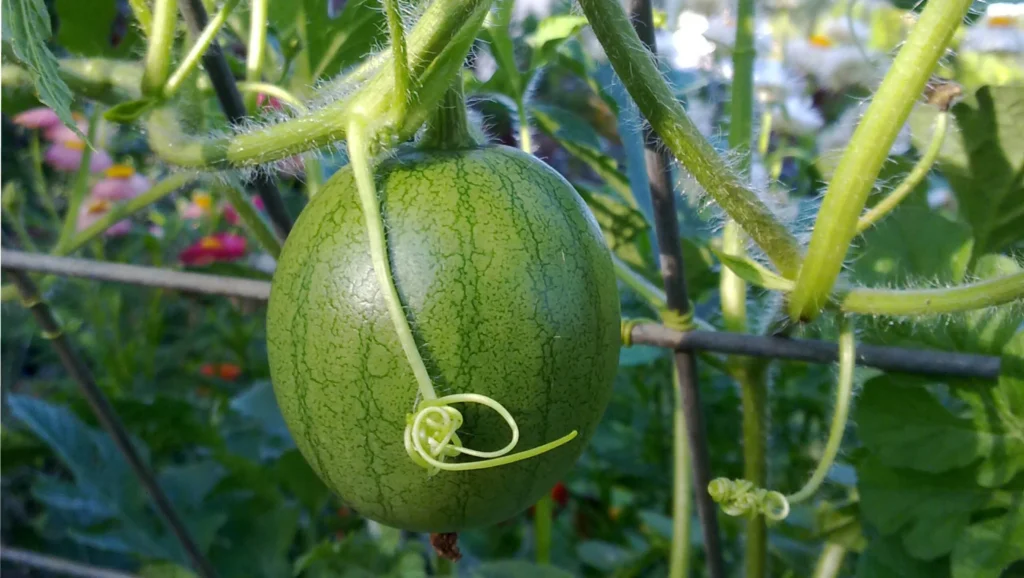
The first step in growing a giant watermelon is selecting the right variety. Some popular full-sized watermelon varieties include:
- Sugar Baby: Smaller than some giants, but very sweet and dense.
- Carolina Cross: Famous for world record weights; can reach over 200 pounds in ideal conditions.
- Crimson Sweet: Bright red flesh with excellent sweetness; a classic backyard variety.
- Jubilee: Large, elongated fruits with striped rinds and firm, sweet flesh.
When choosing a variety, consider your climate, space, and desired harvest size. Some giant varieties require longer growing seasons and plenty of sun, so plan accordingly.
Preparing Your Garden for Giant Watermelons
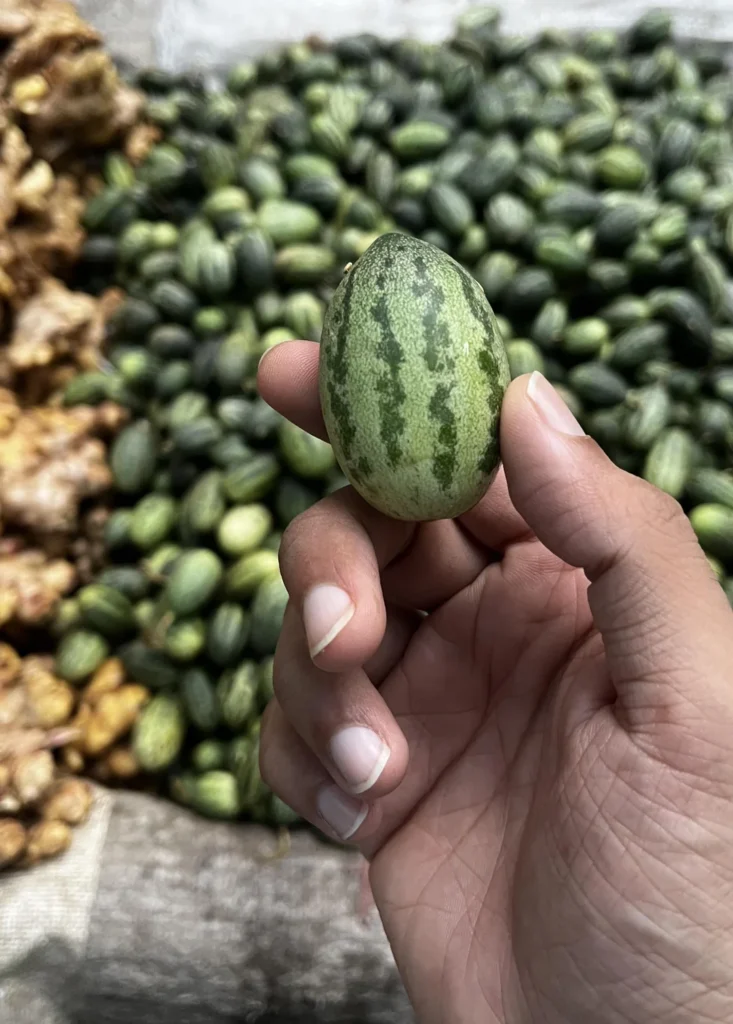
Giant watermelons need ample space and nutrient-rich soil to reach their full potential.
1. Sunlight
Watermelons thrive in full sun, requiring 6–8 hours of direct sunlight per day. Full sun encourages strong vine growth, abundant flowers, and sweet fruit.
2. Soil
- Watermelons prefer loamy, well-draining soil rich in organic matter.
- Aim for a pH between 6.0 and 7.0.
- Before planting, amend soil with compost or well-rotted manure to provide essential nutrients.
3. Space
Giant watermelon vines are vigorous and sprawling. Provide 6–10 feet between plants and 8–12 feet between rows to accommodate sprawling growth.
4. Raised Beds or Hills
Creating raised hills for planting helps with drainage and soil warming. Mound soil into 3–4 foot diameter hills, spacing appropriately, and plant 2–3 seeds per hill.
Planting Giant Watermelons
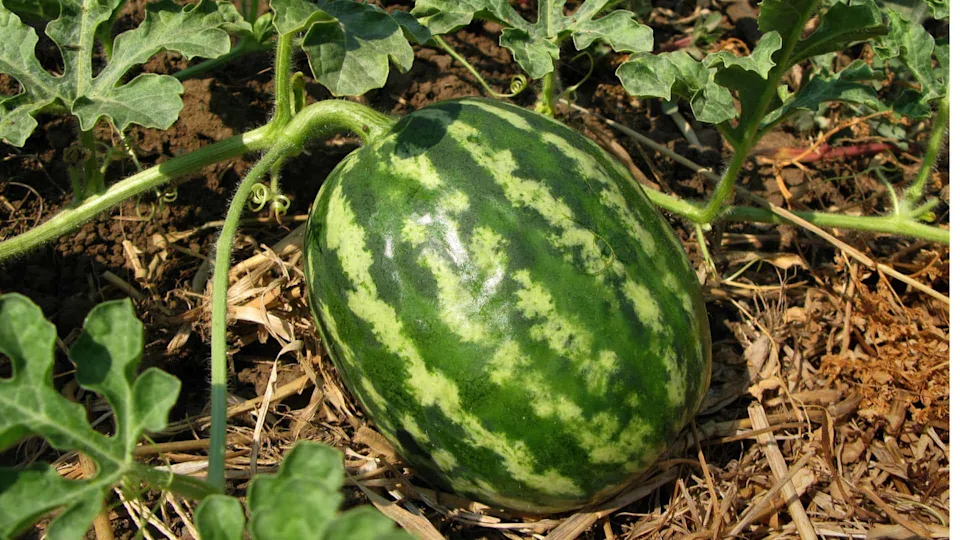
Timing and technique are crucial for maximizing fruit size and flavor.
1. When to Plant
- Watermelons are sensitive to cold. Plant after the last frost date when soil temperatures are 70°F (21°C) or higher.
- In cooler regions, start seeds indoors 3–4 weeks before transplanting.
2. How to Plant
- Sow seeds 1 inch deep in well-prepared hills or raised beds.
- Thin to 1–2 strong seedlings per hill once true leaves appear.
- Water immediately after planting to settle the soil and encourage root growth.
3. Mulching
- Apply straw or black plastic mulch to retain soil moisture, suppress weeds, and warm the soil.
- Mulch also prevents soil-borne diseases from contacting the fruit.
Caring for Your Giant Watermelons
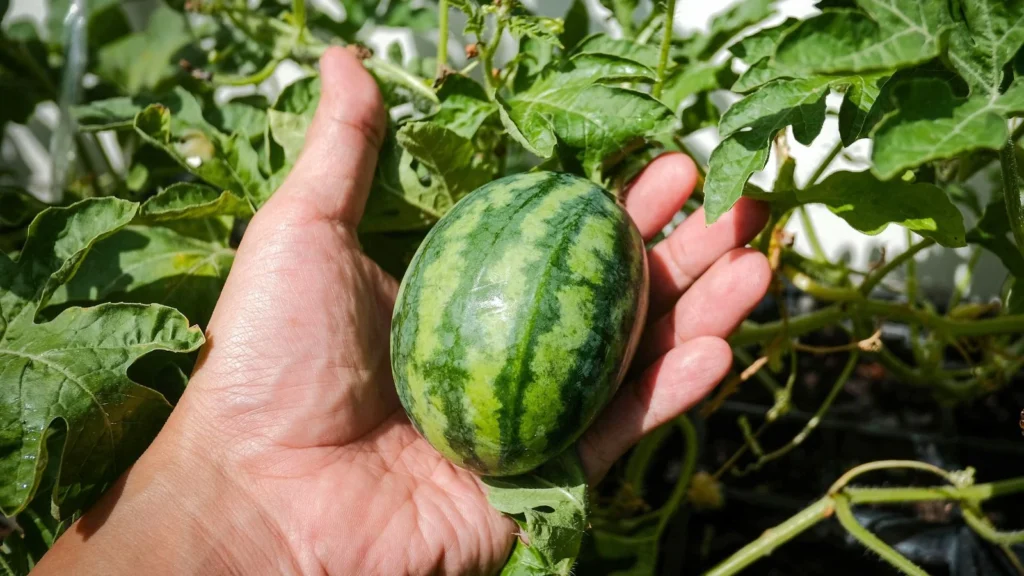
Proper care ensures that your melons reach maximum size and sweetness.
1. Watering
- Watermelons require consistent moisture, especially during flowering and fruit development.
- Deep watering encourages strong root systems.
- Avoid wetting foliage to prevent fungal diseases; drip irrigation is ideal.
2. Fertilization
- Use a balanced fertilizer during early growth.
- Once vines are established, side-dress with high-phosphorus fertilizer to promote flowering and fruit set.
- Reduce nitrogen during fruiting; too much encourages vine growth over fruit size.
3. Pollination
- Watermelons require pollination from bees or other insects to produce fruit.
- Encourage pollinators in your garden by planting flowers nearby and avoiding insecticides during bloom.
4. Pruning and Training
- Watermelon vines can be managed for space and productivity.
- Remove weak or damaged vines to redirect energy toward fruit development.
- Some gardeners train vines along mulch paths to prevent sprawling into other areas.
Protecting Your Giant Watermelons
- Fruit Support: Large melons resting on the ground are vulnerable to rot and pests. Place a board or straw beneath each melon to protect it.
- Pest Control: Watch for aphids, cucumber beetles, and squash bugs. Use organic sprays or hand-picking to manage infestations.
- Disease Prevention: Space plants adequately and prune to improve airflow. Remove leaves affected by powdery mildew or other fungal issues.
Harvesting Giant Watermelons
Timing is everything when it comes to harvesting full-sized watermelons. Signs your melon is ready include:
- Tendril Drying: The curly tendril closest to the fruit dries and turns brown.
- Ground Spot: The area of the melon touching the soil turns creamy yellow.
- Sound Test: Tap the melon — ripe fruit produces a deep, hollow sound.
- Firm Skin: The rind is tough, and the fruit resists pressure slightly.
Giant watermelons do not continue ripening after harvest, so picking at peak maturity is essential. With care, your harvest can yield fruits weighing 20–50 pounds or more, impressive for any backyard gardener.
Enjoying Your Giant Watermelons
- Fresh Eating: Slice and serve chilled for a refreshing summer snack.
- Parties and Gatherings: Large melons are perfect for sharing at barbecues, picnics, or family events.
- Recipes: Use in fruit salads, smoothies, or desserts.
- Preserving Seeds: If your variety has seeds, you can save them for future planting or culinary use.
Tips for Maximum Fruit Size
- Limit Fruit per Vine: For record-breaking size, allow 1–2 melons per vine to grow instead of multiple fruits.
- Consistent Watering: Avoid stress, especially during fruit development.
- Fertilize Strategically: Adjust fertilizer as vines shift from leaf growth to flowering and fruiting.
- Protect from Sunburn: Shade large fruits slightly in extreme heat using cloth or mulch.
Following these tips can dramatically improve the size, sweetness, and quality of your watermelons.
Conclusion
Giant watermelons are not mini fruit; they are a showpiece of the garden and a reward for patient, attentive care. From choosing the right variety to preparing the soil, supporting vines, and harvesting at the perfect time, growing full-sized watermelons is both a challenge and a joy.
These watermelons provide abundant fruit, exceptional sweetness, and a sense of accomplishment that mini varieties can’t match. With careful planning, consistent care, and a little patience, your garden can yield impressive, juicy, sun-ripened melons that become the centerpiece of summer gatherings.
Next time someone sees your watermelon patch, you can proudly say: “These are not mini watermelons!” — and mean it.