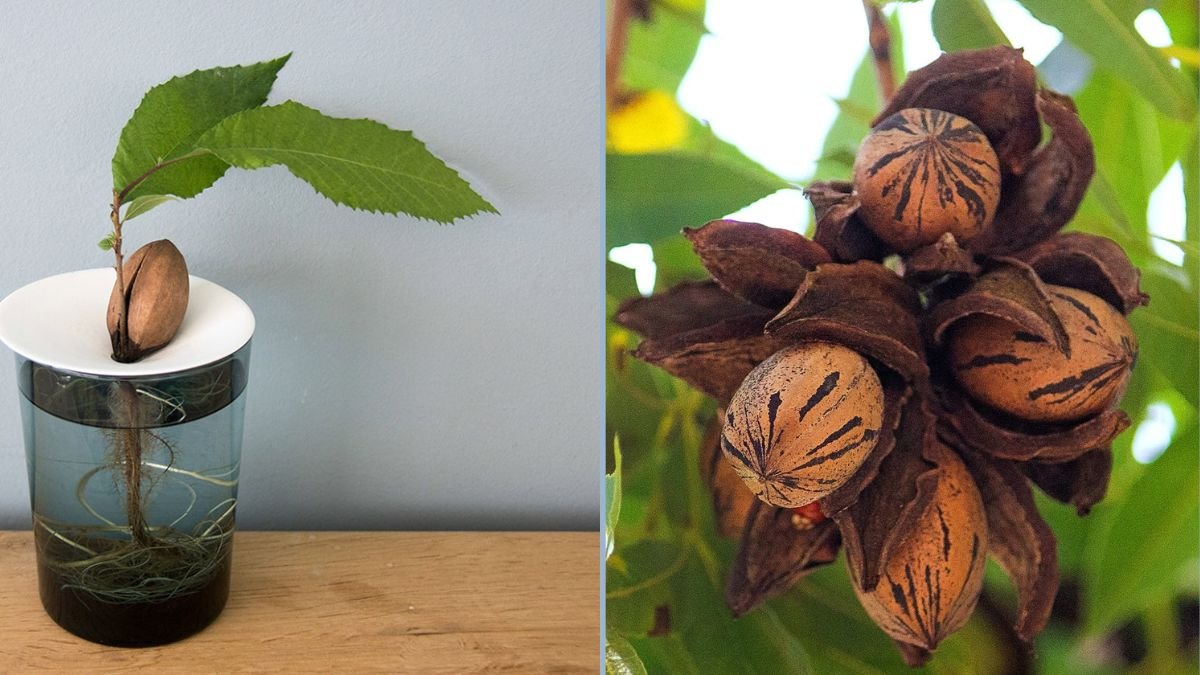
Pecan trees are prized not only for their delicious, nutrient-rich nuts but also for their majestic presence in gardens and orchards. While many gardeners rely on saplings, growing pecans from seeds is an incredibly rewarding experience. It allows you to observe the full lifecycle of the tree and develop a strong, resilient plant tailored to your environment. In this guide, I’ll share my proven pecan germination project and provide step-by-step instructions for growing pecan trees from seeds.
Whether you’re an aspiring orchardist, a home gardener, or simply a pecan enthusiast, this guide will give you everything you need to start your own pecan-growing journey.
Why Grow Pecan Trees from Seeds?
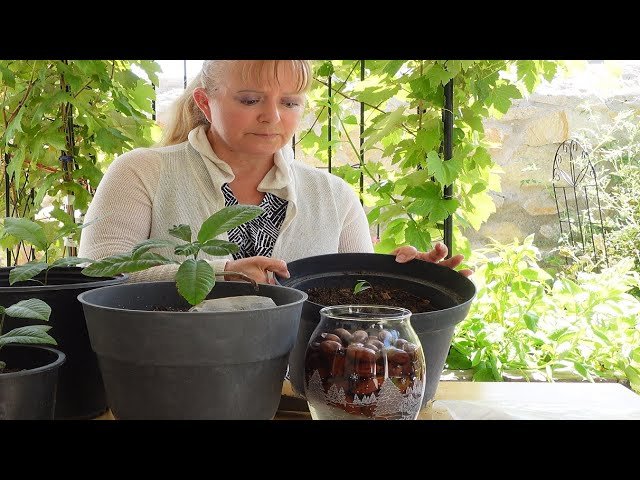
Growing pecan trees from seeds may take more patience than buying saplings, but the benefits are numerous:
- Cost-effective: Seeds are inexpensive compared to nursery-grown trees.
- Genetic diversity: Seed-grown trees can adapt better to local conditions and may develop unique traits.
- Learning experience: Witnessing the germination and growth process is educational and rewarding.
- Sustainable gardening: Propagating from seeds encourages self-reliance and environmental stewardship.
Seed propagation may take 4–10 years to produce nuts, but the satisfaction of growing your own pecan tree is unmatched.
Step 1: Selecting and Collecting Pecan Seeds
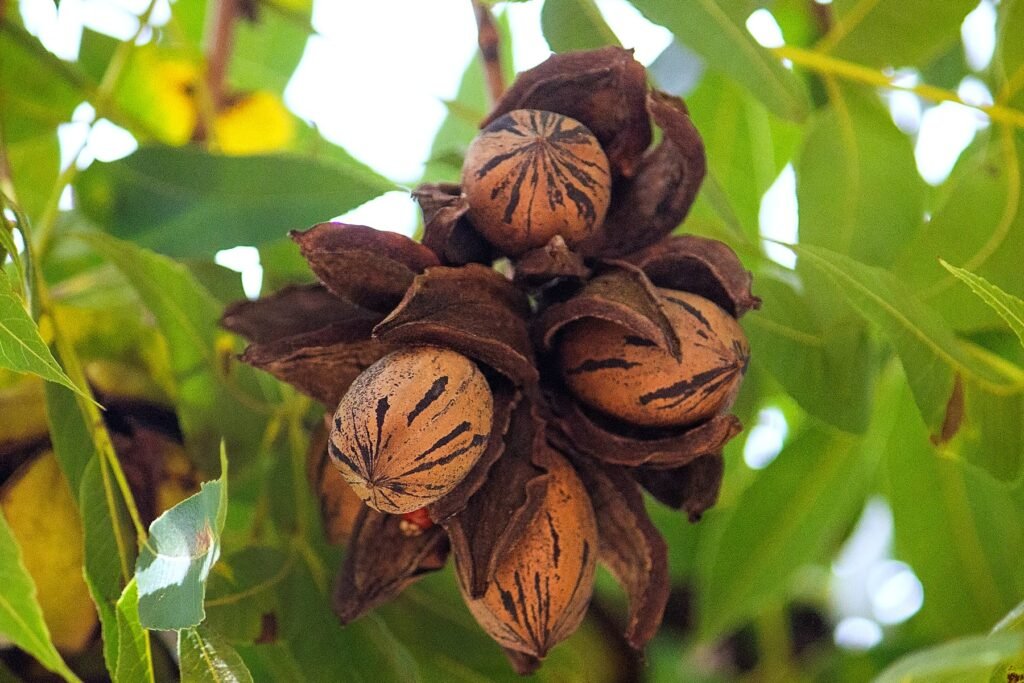
The first step in successful germination is choosing the right seeds:
- Mature pecans: Collect nuts that have naturally fallen from the tree in autumn. Fully mature seeds have higher germination rates.
- Healthy shells: Avoid cracked, moldy, or shriveled nuts. The shell protects the embryo inside and ensures viability.
- Freshness matters: Fresh pecans germinate better than older, stored nuts.
For my project, I collected pecans directly from a local orchard in late October, selecting those with intact shells and no visible signs of damage.
Step 2: Preparing Pecan Seeds for Germination
Pecan seeds have a hard shell and a natural dormancy period. To break dormancy and encourage germination, they require stratification, which simulates winter conditions.
Cold Stratification Process
- Soak the nuts: Place pecans in water for 24–48 hours to soften the shell and encourage moisture absorption.
- Prepare the stratification medium: Mix damp sand and peat moss in a plastic container or bag.
- Layer the seeds: Place soaked pecans in the medium, covering them completely.
- Refrigerate: Store the container in the refrigerator at 2–4°C (36–40°F) for 2–3 months.
- Check moisture: Keep the medium slightly damp, not wet, to prevent mold.
Cold stratification mimics winter and signals the seed that it’s safe to germinate when temperatures rise.
Step 3: Germinating Pecan Seeds
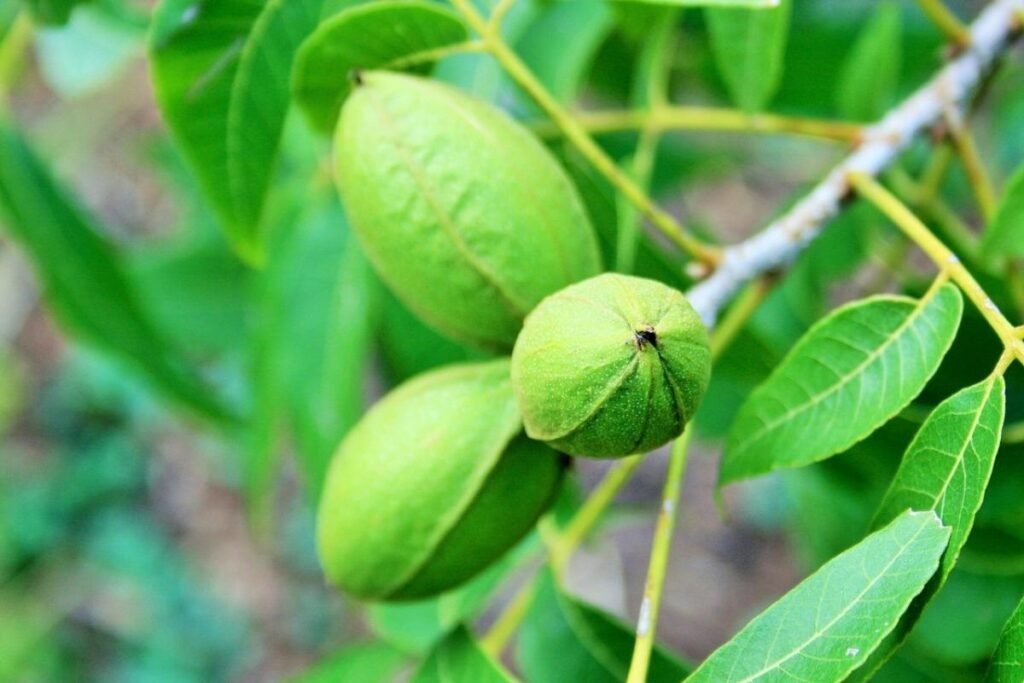
After stratification, it’s time to encourage germination:
Materials Needed
- Seed trays or small pots with drainage holes
- Well-draining potting soil
- Watering can or spray bottle
Germination Steps
- Fill seed trays or pots with a nutrient-rich, well-draining soil mix (garden soil, compost, and sand in equal parts).
- Plant each pecan 1–2 inches deep with the pointed end facing downward.
- Water gently to keep the soil moist but not waterlogged.
- Place trays in a warm, bright area with indirect sunlight.
- Monitor daily: Germination typically occurs in 4–8 weeks depending on seed quality.
Patience is crucial during this phase. Not all seeds germinate at the same time, so it’s normal for some to take longer than others.
Step 4: Caring for Pecan Seedlings
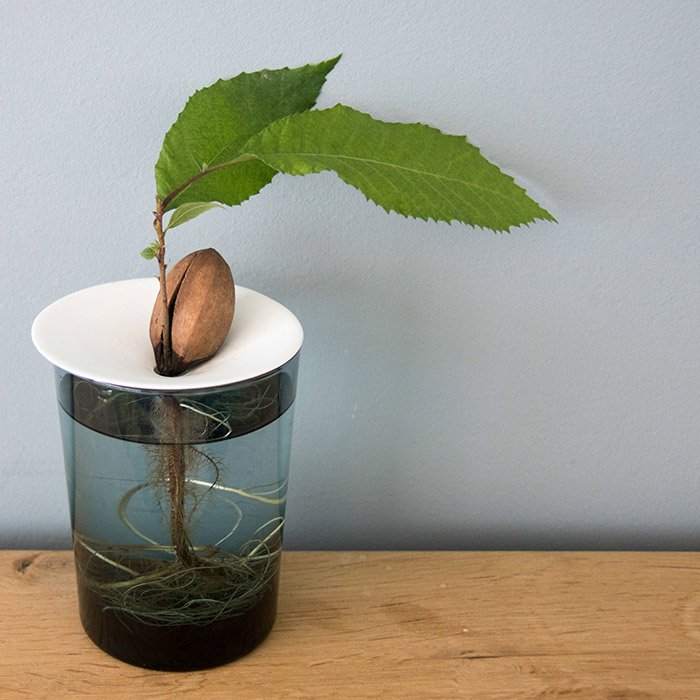
Once seeds sprout, proper care ensures strong, healthy seedlings:
Watering
- Keep the soil consistently moist, especially during the first few weeks.
- Avoid waterlogging, as excess moisture can cause root rot.
Sunlight
- Place seedlings in a location with 6–8 hours of sunlight per day.
- Gradually expose seedlings to direct sunlight to strengthen stems and leaves.
Fertilization
- Apply a balanced, slow-release organic fertilizer once the seedling develops its first true leaves.
- Use compost tea or diluted liquid fertilizer every 2–3 weeks to promote healthy growth.
Pruning
- Remove damaged or weak shoots to encourage strong structure.
- Early pruning ensures a central stem and well-spaced branches for future tree development.
Pest and Disease Management
- Watch for aphids, mites, and fungal infections.
- Use organic treatments such as neem oil or horticultural soap to prevent damage.
- Ensure proper spacing and air circulation to reduce disease risk.
Step 5: Transplanting Seedlings
Once seedlings reach 6–12 inches in height, they can be transplanted into larger containers or directly into the garden:
Transplanting Steps
- Choose location: Full sun and well-draining soil are essential. Pecan trees require at least 6–8 hours of sunlight daily.
- Prepare the planting hole: Dig a hole twice as wide as the root ball and slightly deeper.
- Amend soil: Mix garden soil with compost for nutrients.
- Remove seedling carefully: Gently lift the seedling, keeping soil around roots intact.
- Planting depth: Place seedling at the same depth it was growing in the pot. Backfill soil and water thoroughly.
- Mulch: Apply a 2–3 inch layer of mulch around the base to retain moisture and reduce weeds.
Proper transplantation minimizes shock and helps seedlings establish quickly.
Step 6: Long-Term Care for Pecan Trees
Pecan trees are long-lived and require ongoing care:
- Watering: Deep watering during dry periods encourages strong root systems.
- Fertilization: Apply organic fertilizers or compost annually.
- Pruning: Remove dead or crossing branches to maintain structure and airflow.
- Protection: Young trees may need protection from frost, animals, or strong winds.
By providing consistent care, you ensure your pecan trees grow healthy and strong for years to come.
Step 7: Flowering and Pollination
Pecan trees are monoecious, meaning they produce both male (catkins) and female flowers:
- Male flowers: Appear as catkins and release pollen in late spring.
- Female flowers: Appear on new growth at branch tips and require pollination.
- Pollination: Wind typically carries pollen, but having multiple trees nearby increases nut set.
Successful pollination is crucial for nut production in seed-grown trees.
Step 8: Harvesting Pecans
Pecan trees grown from seeds may take 4–10 years to produce nuts:
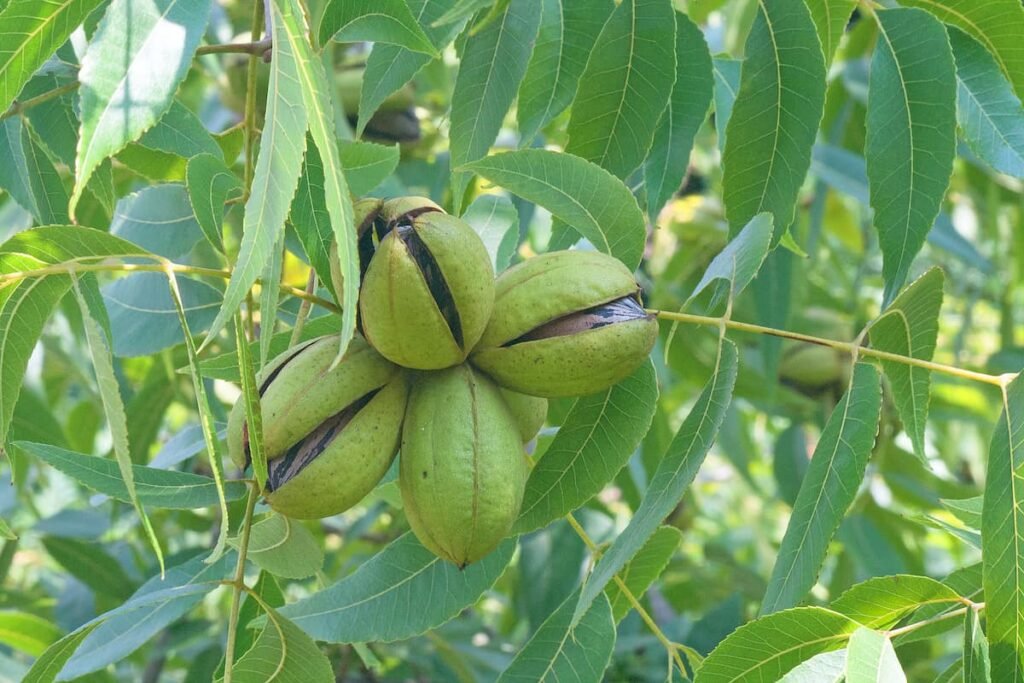
- Signs of maturity: Nuts drop naturally when ripe or when the outer husk begins splitting.
- Collection: Pick fallen nuts promptly to avoid pests and spoilage.
- Husk removal: Remove the outer husk to reveal the hard shell.
- Drying: Dry nuts in a ventilated area for 2–4 weeks before storage.
- Storage: Store shelled pecans in airtight containers in a cool, dry place.
Consistent care during the early years ensures a healthy tree that produces quality nuts once mature.
Tips for a Successful Pecan Germination Project
- Select high-quality seeds with intact shells.
- Use stratification to break seed dormancy and improve germination rates.
- Provide nutrient-rich, well-draining soil for seedlings.
- Water consistently but avoid overwatering.
- Ensure sufficient sunlight for healthy growth.
- Prune early to encourage a strong structure.
- Monitor for pests and diseases regularly.
- Be patient: Seed-grown trees take several years to bear nuts.
Conclusion
Growing pecan trees from seeds is an incredibly rewarding project that combines patience, care, and dedication. From selecting healthy seeds to stratification, germination, seedling care, transplantation, and eventual nut harvest, the process offers an enriching experience for gardeners of all levels.
While seed-grown trees take longer to bear fruit compared to nursery saplings, the benefits—cost savings, genetic diversity, and the satisfaction of growing a tree from scratch—are well worth the wait.
By following this proven pecan germination method, you can cultivate healthy, resilient pecan trees at home, enjoy their beauty in your garden, and eventually harvest your own delicious, nutrient-rich nuts for years to come.
Growing pecans from seeds is not just gardening; it’s a journey that nurtures patience, learning, and a deep connection with nature. With proper care, your pecan trees can become a lifelong source of joy, shade, and sustenance.