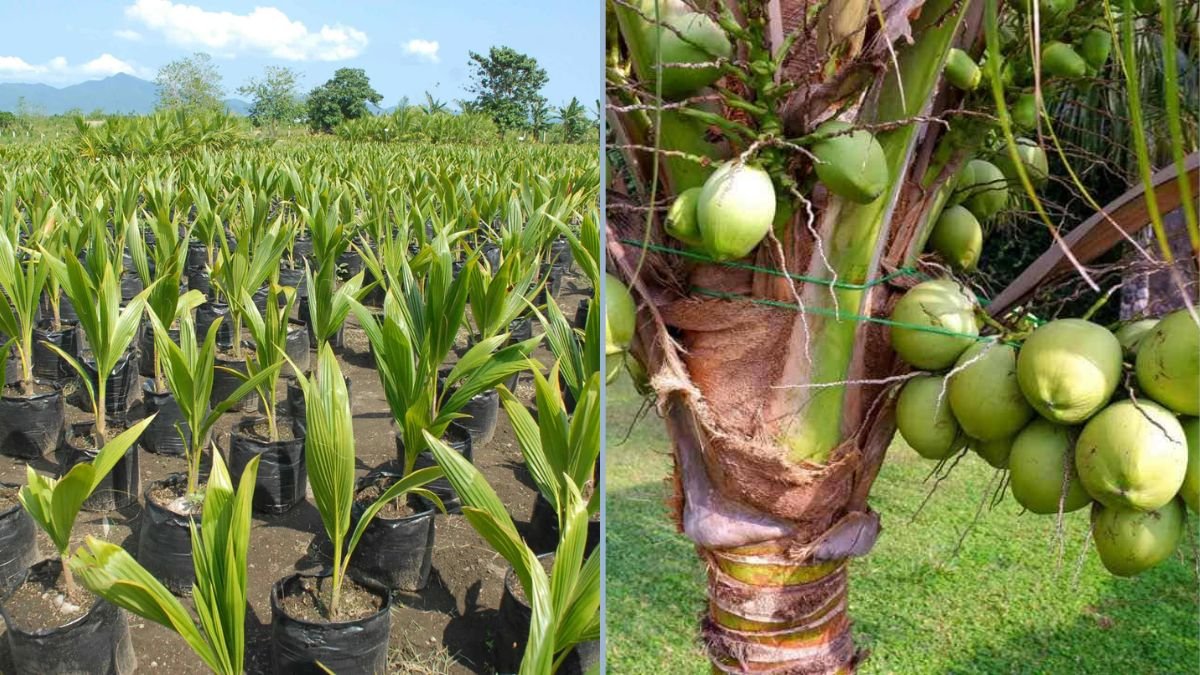
Coconut trees are often considered symbols of tropical paradise, providing shade, beauty, and a bounty of versatile fruits. While most people associate coconut cultivation with large plantations or expansive gardens, there’s a growing method that allows you to cultivate coconut trees even in limited spaces: planting them in plastic containers. This technique is particularly valuable for organic farming enthusiasts, urban gardeners, and anyone looking to grow coconuts in a sustainable and manageable way.
In this comprehensive guide, we’ll explore everything from choosing the right coconut variety, preparing plastic containers, soil selection, planting techniques, watering, organic care, and harvesting—everything you need to successfully grow a coconut tree in plastic.
Why Grow Coconut Trees in Plastic Containers?
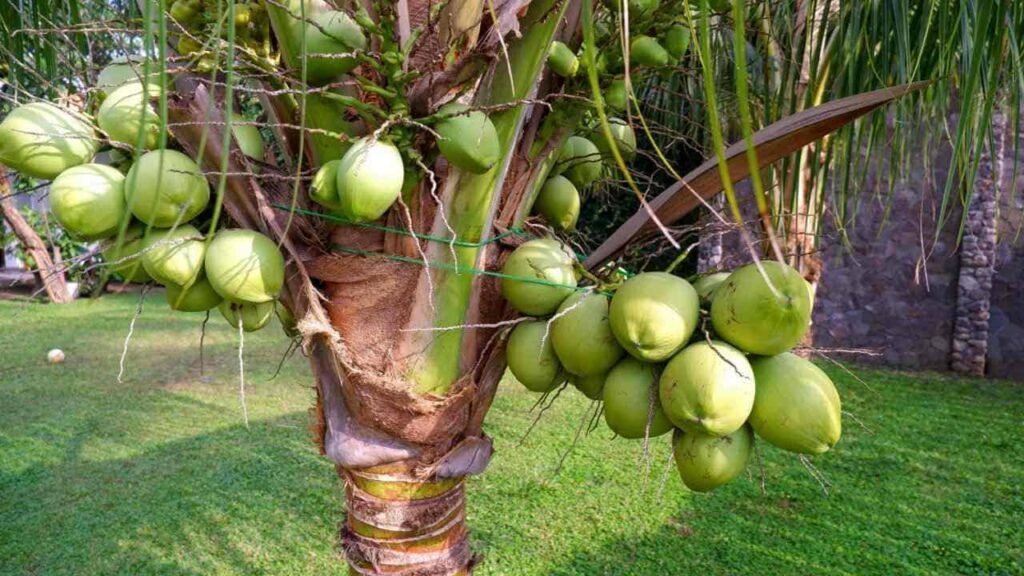
Growing coconut trees in containers has several advantages:
- Space efficiency: Perfect for small gardens, terraces, and urban areas where land is limited.
- Mobility: Containers allow you to move trees to optimize sunlight exposure or protect them during extreme weather.
- Pest and disease management: Growing in containers makes it easier to control soil quality and prevent infestations.
- Organic farming compatibility: You can closely manage soil composition, compost, and natural fertilizers to maintain organic standards.
- Early experimentation: Young coconut trees can be nurtured in containers before transplanting to the field.
This method is ideal for both hobby gardeners and professional organic farmers looking to optimize coconut growth in controlled conditions.
Choosing the Right Coconut Variety
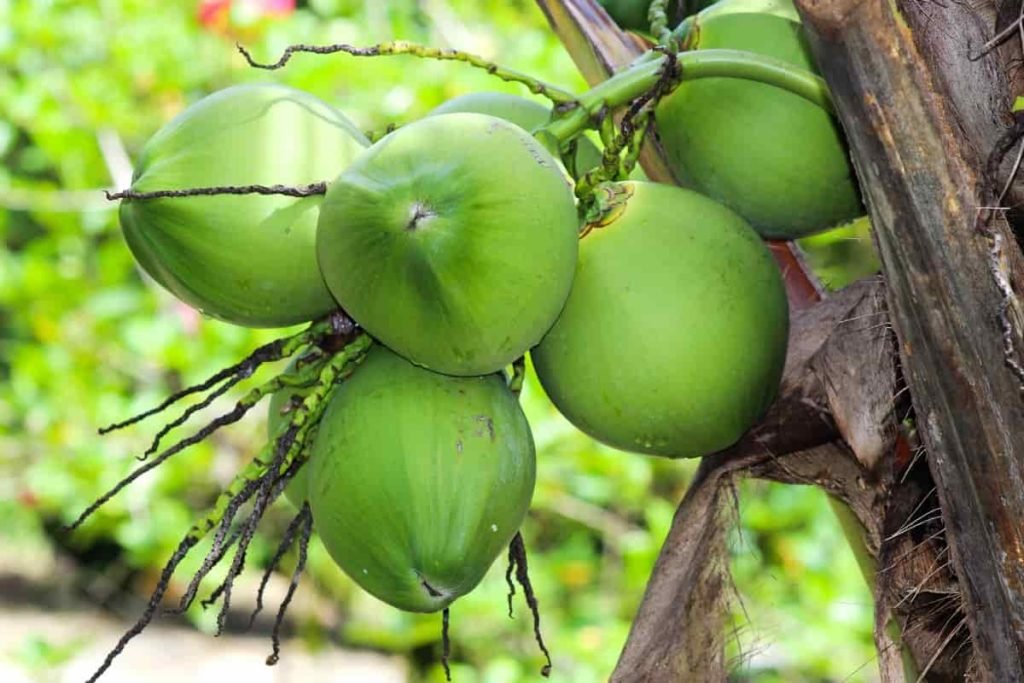
Not all coconut varieties thrive equally well in containers. Consider the following:
- Dwarf varieties: These are ideal for container cultivation due to their compact size. Popular dwarf varieties include:
- Malayan Dwarf – resistant to diseases and suitable for small spaces.
- King Coconut – produces orange-colored, sweet water-rich fruits.
- Chowghat Orange Dwarf – early fruiting and compact growth.
- Tall varieties: While taller varieties like Tall West Coast or Jamaican Tall can be grown in large containers, they eventually require transplantation to open ground due to their size.
Selecting the right variety ensures manageable growth, better fruit yield, and ease of care in a container setup.
Choosing and Preparing Plastic Containers
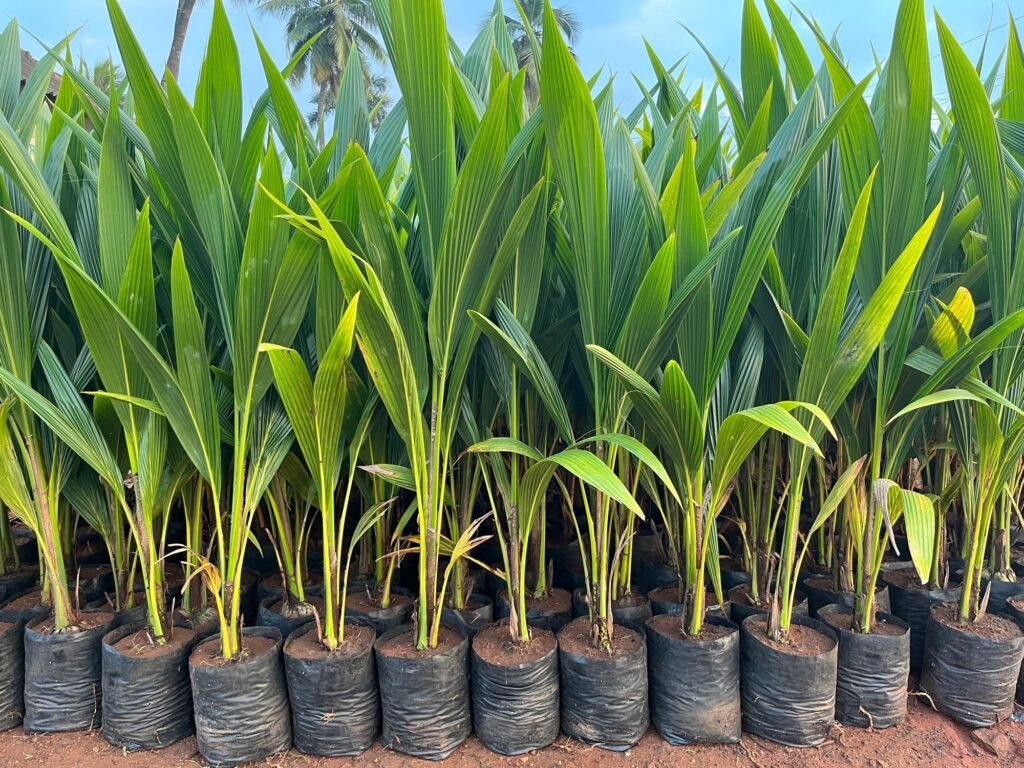
The container is a critical component for coconut trees grown in plastic. Here’s what to consider:
- Size: Start with a minimum container size of 50–70 liters for young seedlings. For mature trees, containers of 200–300 liters are recommended.
- Material: Durable plastic with UV resistance ensures longevity and prevents cracking. Avoid thin, brittle plastics that degrade under sunlight.
- Drainage: Drill multiple holes at the bottom to prevent waterlogging, which can cause root rot. Elevate the container slightly with bricks or stones to improve drainage.
- Portability: Consider containers with handles or lighter materials if you plan to move them seasonally.
Proper container selection ensures healthy root development and reduces maintenance issues.
Preparing the Soil
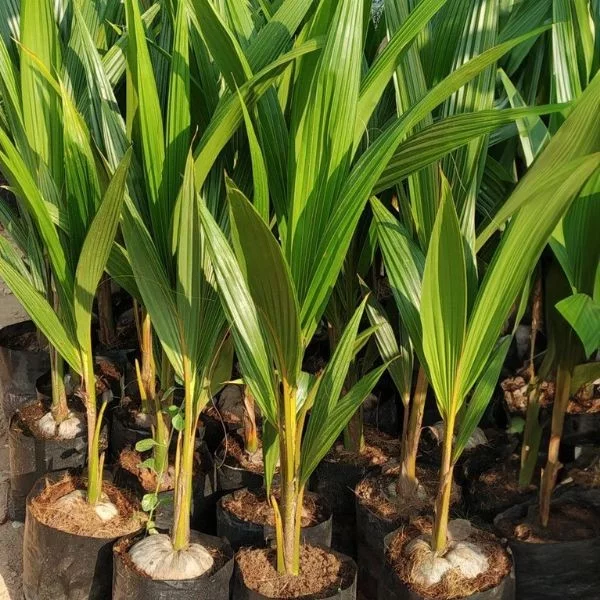
Coconut trees require fertile, well-draining soil for optimal growth. In a container setup, soil preparation is critical:
- Soil mix: Combine the following components for the best results:
- 40% garden soil
- 30% well-rotted compost
- 20% sand for drainage
- 10% cocopeat or organic matter to retain moisture
- Soil pH: Coconut trees prefer slightly acidic to neutral soil (pH 5.5–7). Adjust pH using organic amendments like lime (to raise pH) or composted pine needles (to lower pH).
- Aeration: Add perlite or small gravel to improve aeration and prevent compaction.
A well-prepared soil mix promotes strong root development, reduces water stress, and enhances nutrient uptake in coconut trees.
Planting Coconut Seeds in Plastic Containers
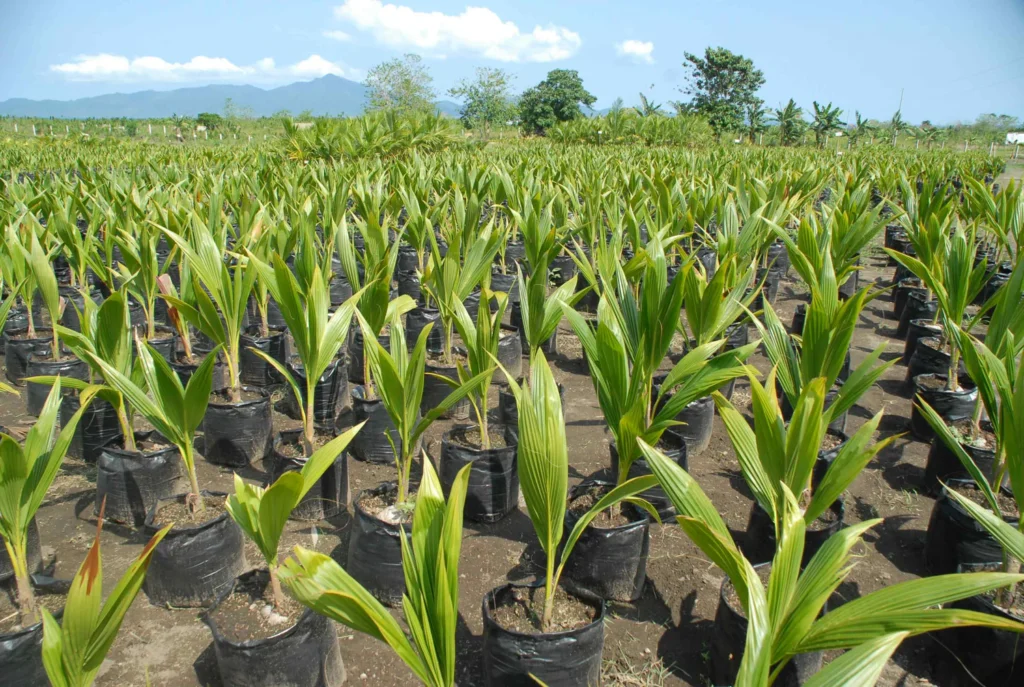
Planting coconut seeds properly sets the stage for healthy growth. Follow these steps:
1. Selecting Seeds
- Choose mature coconuts with fully developed seeds (brown husks for tall varieties, green for dwarf varieties).
- Ensure seeds are disease-free and have no cracks or mold.
2. Pre-soaking
- Soak coconut seeds in water for 24–48 hours to encourage faster germination.
3. Planting Depth
- Fill the container with prepared soil mix, leaving a few inches at the top.
- Plant the seed horizontally or at a slight angle with the pointed end facing downward.
- Cover with 5–7 cm of soil without burying it too deep to avoid rotting.
4. Initial Care
- Water the soil gently after planting.
- Place the container in a location with indirect sunlight initially, gradually moving it to full sun.
Coconut seeds typically germinate in 3–6 months depending on the variety and environmental conditions.
Watering Techniques for Container-Grown Coconut Trees
Watering is one of the most crucial aspects of container coconut cultivation:
- Consistency: Water regularly, keeping the soil consistently moist but not waterlogged.
- Frequency: During hot months, water 3–4 times per week; in cooler months, reduce frequency.
- Deep watering: Ensure water reaches the root zone by watering slowly and thoroughly.
- Mulching: Apply organic mulch (coconut husk, dried leaves) on the soil surface to retain moisture and regulate temperature.
Proper watering promotes healthy growth, prevents leaf yellowing, and supports fruit development.
Organic Fertilization
Organic farming emphasizes natural nutrient sources. Coconut trees in containers can be nourished using:
- Compost: Provides balanced nutrients and improves soil structure.
- Cow manure: Rich in nitrogen, potassium, and phosphorus, essential for growth.
- Vermicompost: Enhances microbial activity and nutrient availability.
- Liquid organic fertilizers: Banana peel tea, neem cake extract, or fish emulsion can boost growth.
Apply fertilizer every 2–3 months, adjusting based on plant size and leaf color. Avoid over-fertilization, which can lead to excessive leafy growth at the expense of fruits.
Pruning and Maintenance
Although coconut trees naturally grow tall, container cultivation requires regular maintenance:
- Remove dead or yellowing leaves to prevent disease and improve airflow.
- Trim lower fronds if they touch the soil or container edges.
- Support young trees with stakes to prevent wind damage.
Routine maintenance ensures strong structure, healthy foliage, and better fruiting.
Pest and Disease Management
Even in containers, coconut trees can be affected by pests and diseases:
- Red palm weevil: Monitor for boreholes and frass; treat with organic neem-based sprays.
- Aphids and mealybugs: Use neem oil or insecticidal soap.
- Leaf spot and fungal infections: Ensure proper air circulation, avoid waterlogging, and remove infected leaves promptly.
Regular monitoring and organic treatment keep the tree healthy without harmful chemicals.
Harvesting Coconut Fruits
Coconut trees in containers may take a bit longer to bear fruit than field-grown trees, especially dwarf varieties:
- Dwarf varieties: Often bear fruit within 3–5 years.
- Tall varieties: Typically 6–8 years in containers.
Harvest coconuts when the husk turns brown (for tall varieties) or when green coconuts reach full size. Container-grown trees may produce fewer fruits than plantation trees initially, but consistent care ensures gradual improvement over the years.
Advantages of Growing Coconut Trees in Containers
- Urban gardening-friendly: Perfect for patios, rooftops, and balconies.
- Controlled growth: Easy to monitor soil, water, and nutrients.
- Mobility: Move trees to optimal sunlight or protect during adverse weather.
- Organic farming-friendly: Simplifies the application of natural fertilizers and pest control.
- Aesthetic value: Adds a tropical charm to any garden or indoor space.
Container cultivation opens the door for gardeners with limited space to enjoy the beauty and benefits of coconut trees.
Common Mistakes to Avoid
- Using small containers that restrict root growth.
- Overwatering or letting water stagnate in the container.
- Neglecting organic fertilizer application, leading to nutrient deficiencies.
- Planting in shaded areas, which slows growth.
- Ignoring pest or disease signs until the plant is severely affected.
Avoiding these mistakes ensures healthy growth and productive coconut trees.
Conclusion
Growing coconut trees in plastic containers is a practical, efficient, and sustainable approach for gardeners and organic farmers. With careful selection of varieties, proper container and soil preparation, consistent watering, organic fertilization, and routine maintenance, you can enjoy the beauty, shade, and fruit of coconut trees even in limited spaces.
This method allows urban gardeners, hobbyists, and small-scale organic farmers to experience the joy of cultivating coconuts without the need for large plantations. By following these steps, your container-grown coconut trees can thrive, producing fruits for years to come and adding a touch of tropical paradise to your garden.