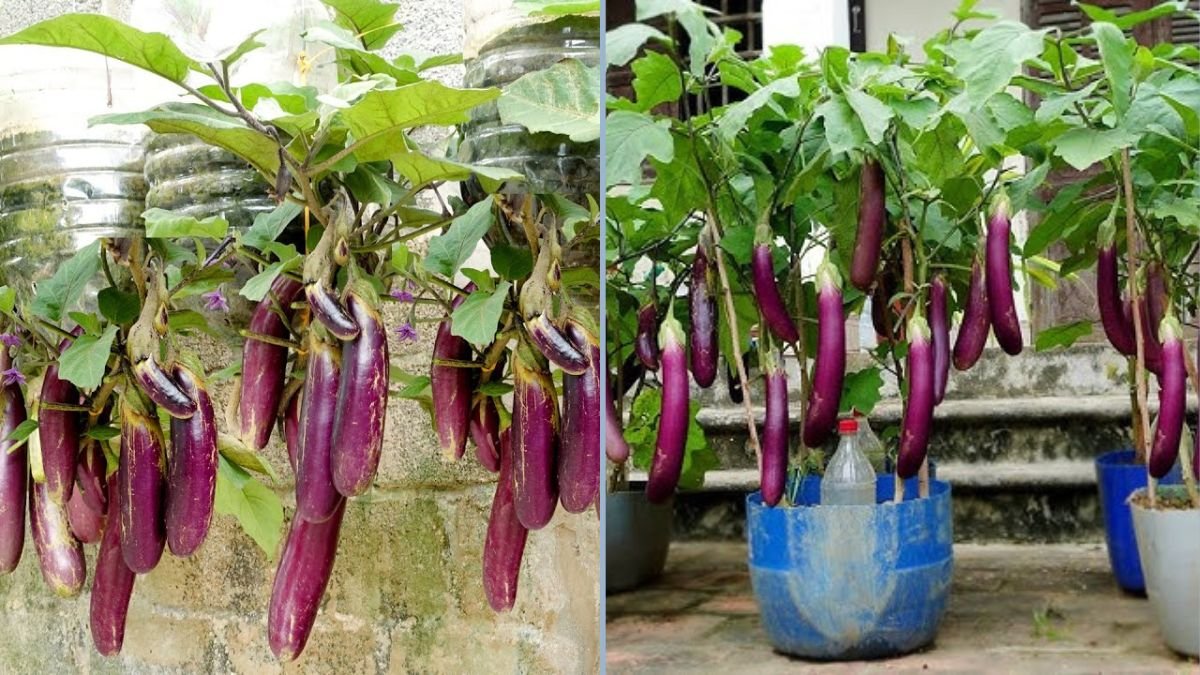
Eggplants are a beloved vegetable in gardens worldwide, prized for their versatility in cooking and nutritional benefits. Yet, many gardeners struggle with inconsistent yields, poor fruit quality, or plants that stop producing after a short season. What if there were a little-known watering technique that could keep your eggplant garden fruitful throughout the year? This method doesn’t rely on exotic fertilizers or complicated gardening hacks—it simply optimizes how and when you water your plants, with astonishing results.
In this post, we’ll dive into the science of eggplant watering, step-by-step methods, and additional tips to help you enjoy a thriving, productive eggplant garden no matter the season.
Why Eggplants Struggle to Produce
Before exploring the solution, it’s important to understand why eggplants often underperform:
- Inconsistent Moisture: Eggplants need steady, deep moisture. Too little water stresses the plant, while too much can lead to root rot.
- Temperature Sensitivity: Eggplants thrive in warm conditions. Cold or fluctuating temperatures can stunt growth and reduce flowering.
- Nutrient Imbalance: These plants are heavy feeders. If soil nutrients are depleted, flowers may drop prematurely, and fruit may fail to develop.
- Improper Pruning and Space Use: Crowded plants block airflow and light, which reduces flowering and fruiting.
The right watering method addresses several of these issues simultaneously, providing a foundation for a healthy, productive garden.
The Little-Known Watering Method for Year-Round Eggplant Production
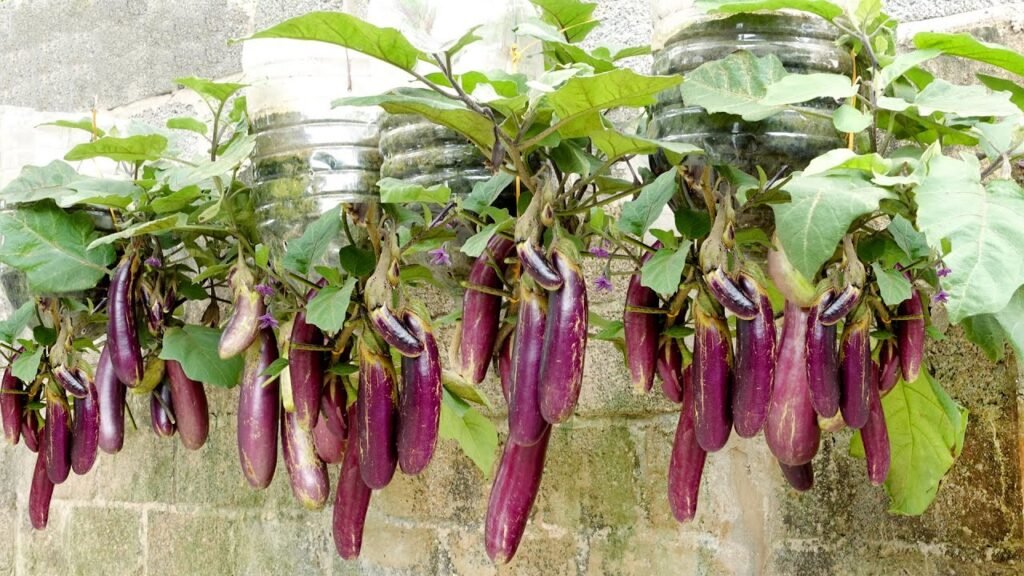
This method emphasizes deep, consistent watering combined with mulching and nutrient-rich irrigation to keep eggplants thriving across seasons. Unlike traditional daily shallow watering, this approach encourages deep root growth, reduces stress, and promotes continuous flowering and fruit set.
1. Start with Healthy Plants
Healthy eggplants are the foundation of a productive garden. Begin with:
- Strong seedlings: Choose seedlings with robust stems and dark green leaves. Avoid any with yellowing or damaged foliage.
- Spacing: Plant eggplants 18–24 inches apart to allow sufficient airflow and sunlight, which is crucial for fruit development.
- Variety selection: Consider long-fruiting varieties like ‘Black Beauty’ or small-fruited types such as ‘Fairy Tale’ depending on your garden space and desired harvest.
Healthy plants respond best to optimized watering and will reward you with consistent fruit production.
2. Prepare the Soil for Maximum Moisture Retention
Eggplants prefer well-draining yet moisture-retentive soil. The watering method works best when the soil can hold water without becoming soggy. Key steps include:
- Amend soil with compost: Incorporate 3–4 inches of organic compost into the planting bed. This improves both fertility and water retention.
- Check pH: Eggplants grow best in slightly acidic to neutral soil (pH 6.0–7.0). Test your soil and adjust with lime or sulfur as needed.
- Mulching: Apply a 2–3 inch layer of straw, leaves, or organic mulch around each plant. Mulching reduces evaporation, regulates soil temperature, and keeps roots consistently moist.
Moist, nutrient-rich soil creates the perfect environment for deep roots and healthy fruit.
3. Deep Watering Technique
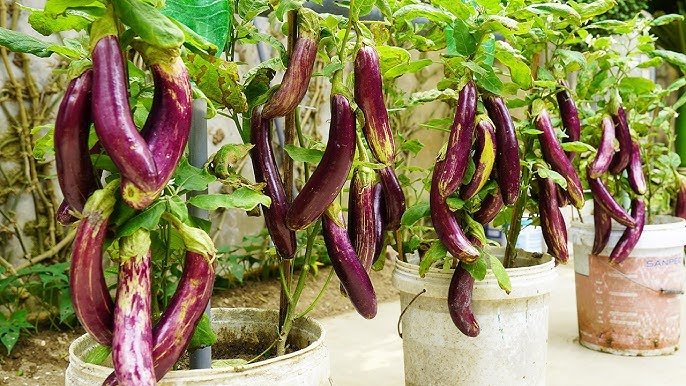
The heart of this method is deep, less frequent watering rather than daily shallow watering. Here’s how to do it:
- Water at the base: Avoid overhead watering. Instead, water directly at the soil near the plant roots.
- Frequency: Water deeply once or twice a week depending on weather conditions. During hot summer months, you may need to water more frequently, while in cooler seasons, less frequent watering is sufficient.
- Amount: Each plant should receive enough water to penetrate 6–8 inches into the soil. This encourages roots to grow deep, making the plant more drought-resistant and productive.
Deep watering reduces stress, prevents flower drop, and ensures steady fruit development throughout the year.
4. Timing Matters
Watering timing is just as important as technique:
- Morning watering: Water in the early morning to allow leaves to dry during the day, which reduces the risk of fungal diseases.
- Avoid late afternoon/evening watering: Wet foliage overnight encourages fungal infections like blight and powdery mildew.
- Consistent schedule: Stick to a consistent watering schedule. Eggplants thrive on routine, and sudden dry periods or overwatering can cause fruit drop or uneven growth.
By paying attention to timing, you maintain plant health and optimize fruit production.
5. Supplement with Nutrient-Rich Irrigation
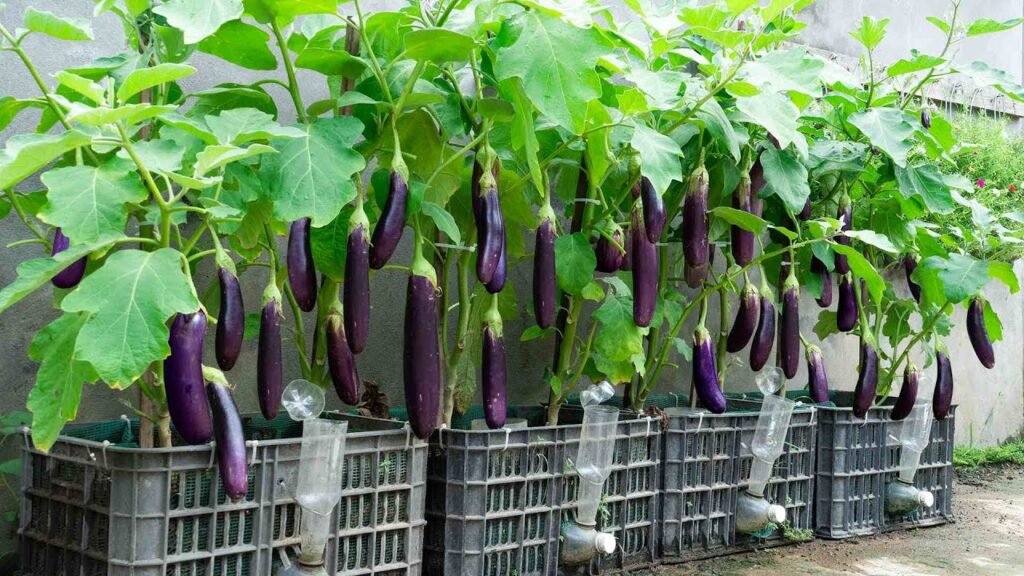
Eggplants are heavy feeders, and water alone isn’t enough. Combine this watering method with nutrient-rich irrigation for optimal results:
- Compost tea: Brew compost in water for 24–48 hours and use it to water plants. This provides a gentle, natural nutrient boost.
- Liquid fertilizers: Use balanced liquid fertilizers every 2–3 weeks, especially during flowering and fruit set. Focus on phosphorus and potassium to encourage blooms and fruit development.
- Avoid over-fertilizing with nitrogen: Too much nitrogen promotes leafy growth at the expense of flowers and fruits.
A combination of deep watering and nutrient-rich irrigation ensures strong plants that continuously produce fruits.
6. Pruning and Care for Continuous Fruit
Even with perfect watering, overcrowded plants can limit fruit production. Incorporate strategic pruning:
- Remove lower leaves: Trim leaves that touch the ground to prevent pests and diseases.
- Pinch back excess growth: Focus energy on main stems and flowering branches. This encourages larger and more abundant fruits.
- Monitor for pests: Keep an eye out for aphids, flea beetles, and whiteflies. Early intervention ensures healthy plants year-round.
Pruning works hand-in-hand with the watering method to maximize fruiting potential.
7. Season Extension Techniques
This watering method can be combined with season extension practices to produce eggplants year-round:
- Greenhouse or high tunnel: Protect plants from frost while maintaining optimal moisture.
- Row covers: Use lightweight row covers during cooler months to retain warmth and humidity.
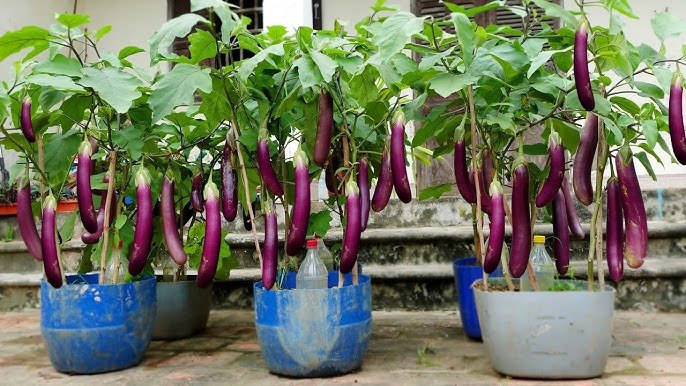
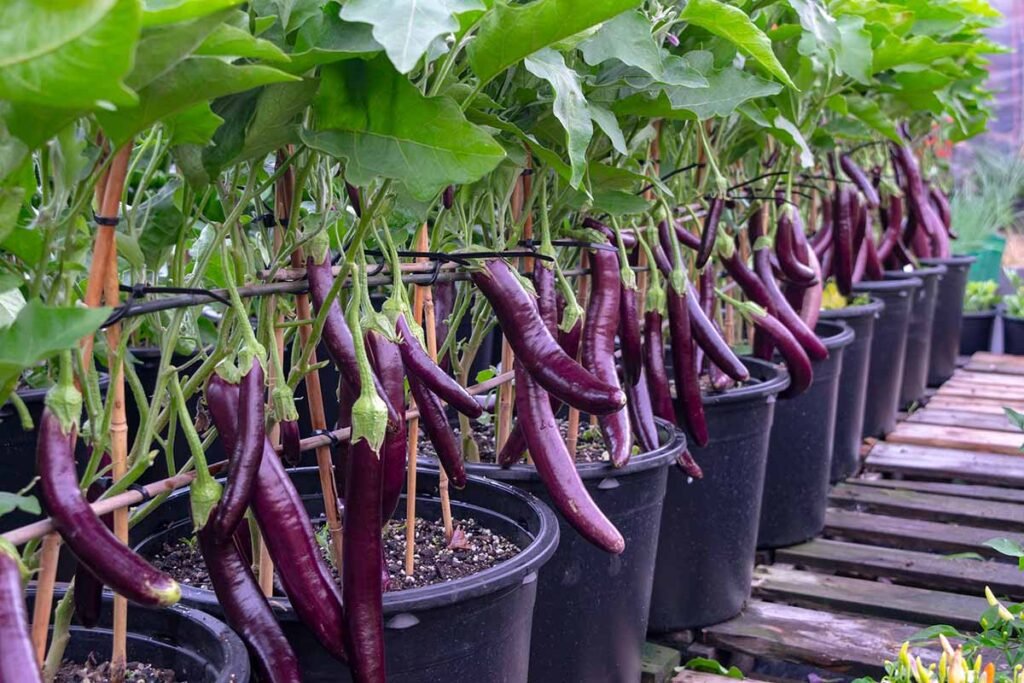
- Container gardening: For colder climates, grow eggplants in large containers that can be moved indoors or under protection during winter.
With consistent watering and these protective techniques, eggplants can remain productive even in off-seasons.
8. Harvesting for Continuous Production
Proper harvesting is crucial for ongoing fruiting:
- Pick mature but not overripe fruits: This encourages the plant to produce more.
- Regular harvesting: Check plants every 2–3 days during peak season. Frequent harvesting stimulates new flower production.
- Handle gently: Avoid bruising or damaging the plant during harvest, as stress can slow down flowering and fruiting.
By combining deep watering with regular harvest, your garden remains in a continuous cycle of flowering and fruit production.
9. Bonus Tips for Optimal Eggplant Growth
- Plant companions: Marigolds, basil, and beans deter pests and improve growth.
- Rotate crops: Avoid planting eggplants in the same soil repeatedly to reduce disease risk.
- Monitor soil moisture: Even with deep watering, check soil regularly. The top 1–2 inches should feel slightly dry before the next watering.
These extra steps, while simple, enhance the effectiveness of the watering method and lead to a more abundant garden.
Conclusion
Eggplants can be a demanding crop, but with the right watering strategy, you can achieve a garden that produces abundant fruits all year round. The key is deep, consistent watering combined with nutrient-rich irrigation, proper soil preparation, pruning, and careful harvesting. By encouraging deep root growth, reducing plant stress, and providing steady nutrition, you set the stage for continuous flowering and fruiting, even in less-than-ideal conditions.
This little-known watering method is practical, sustainable, and accessible to gardeners of all experience levels. Whether you’re growing in a backyard garden, greenhouse, or containers, following these steps will transform your eggplant harvest from occasional fruits to a steady, year-round bounty.
With patience, attention, and proper watering, your eggplant garden can flourish, delighting your kitchen table with fresh, homegrown fruits throughout every season.