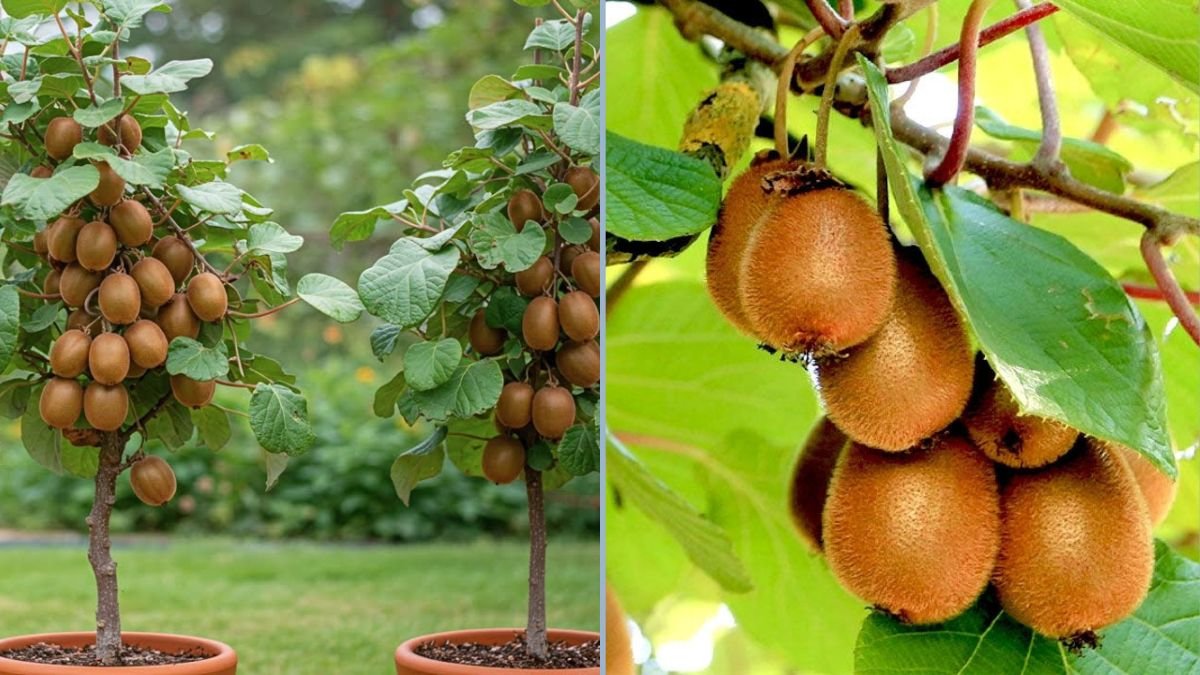
Kiwi is a delicious and nutrient-packed fruit that’s increasingly popular among home gardeners. While many people assume kiwi trees require large orchards or complex care, the truth is that you can grow kiwi plants at home from the seeds inside the fruit. This method is not only satisfying but also cost-effective and beginner-friendly.
In this guide, we’ll cover everything you need to know about growing kiwi plants from kiwi fruit, from seed extraction and germination to planting, care, and eventual fruit production.
1. Why Grow Kiwi from Seeds?
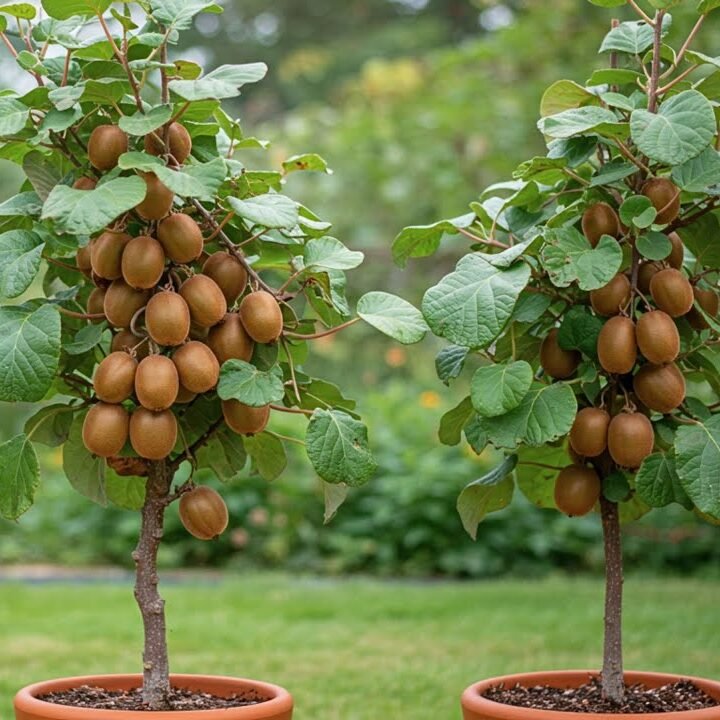
Starting kiwi from seeds has several advantages:
- Cost-effective: You can use fruit purchased from the market instead of buying expensive saplings.
- Satisfaction: Watching a tiny seed grow into a fruit-bearing plant is incredibly rewarding.
- Learning experience: Great for beginner gardeners who want to understand plant growth.
- Control: You can manage soil, sunlight, and care to suit your home environment.
Although kiwi plants grown from seeds may take 3–5 years to produce fruit, the process is enjoyable and educational.
2. Choosing the Right Kiwi Fruit
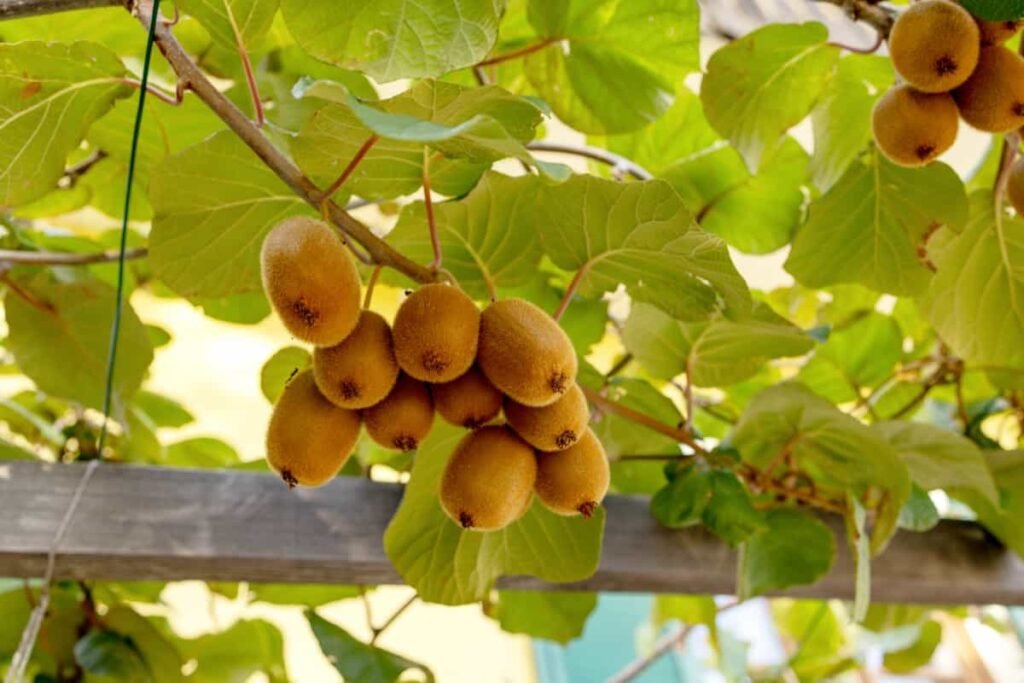
The first step is selecting the right kiwi fruit to extract seeds.
Tips for selecting kiwi fruit:
- Choose ripe, healthy fruits without blemishes or mold.
- Organic kiwi is preferred as it may improve germination success.
- Avoid overripe or damaged fruits; seeds inside may be non-viable.
Once the fruit is selected, the seeds need to be carefully extracted and prepared for germination.
3. Extracting Kiwi Seeds
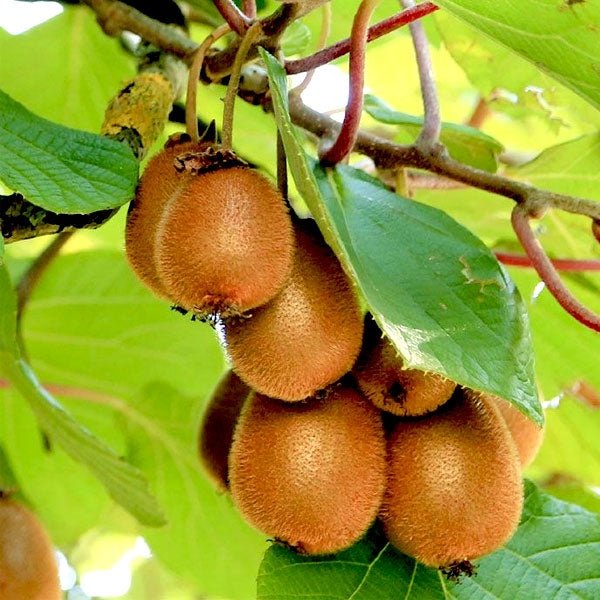
Kiwi seeds are small but hardy. Proper extraction and cleaning are essential.
Steps to extract kiwi seeds:
- Cut the kiwi fruit in half and scoop out the seeds with a spoon.
- Place seeds in a bowl of water and gently rub off the surrounding pulp.
- Rinse seeds thoroughly until all fruit residue is removed.
- Spread the seeds on a paper towel and let them dry for 24 hours.
Clean seeds prevent mold and increase the chances of successful germination.
4. Preparing Kiwi Seeds for Germination
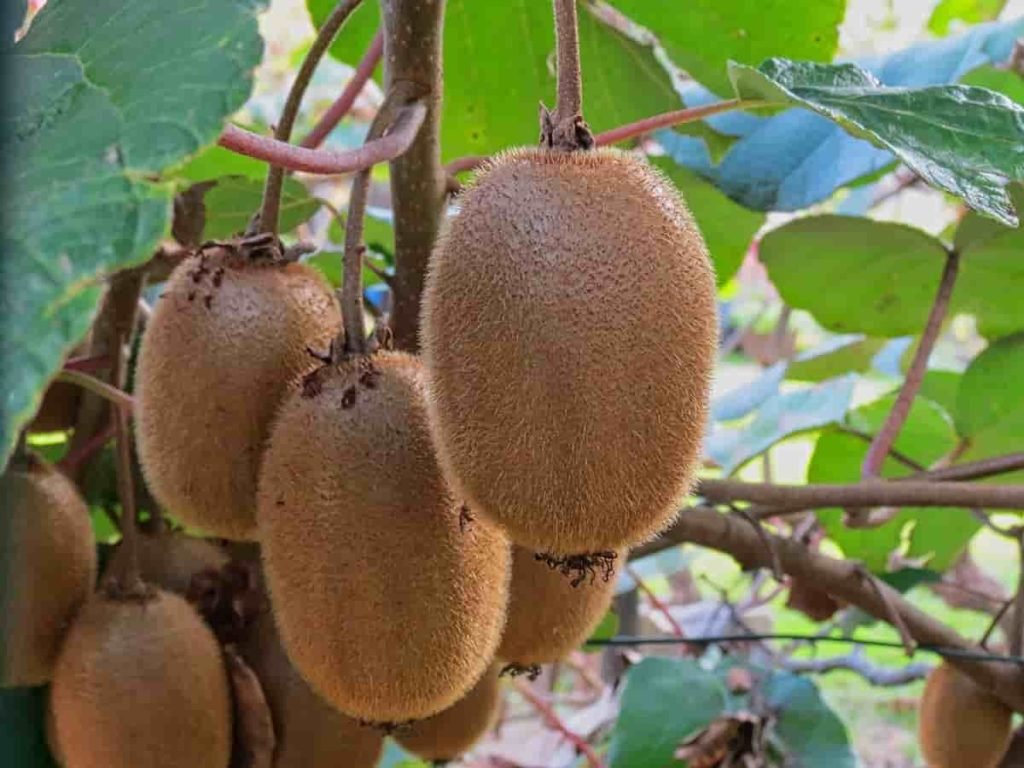
Kiwi seeds have a hard outer coating, which requires careful preparation.
Germination preparation steps:
- Optionally, soak seeds in lukewarm water for 24–48 hours to soften the coat.
- Use a paper towel or seed tray method to sprout seeds indoors.
- Keep seeds moist but avoid waterlogging.
This step ensures faster and more consistent germination.
5. Creating the Right Germination Environment
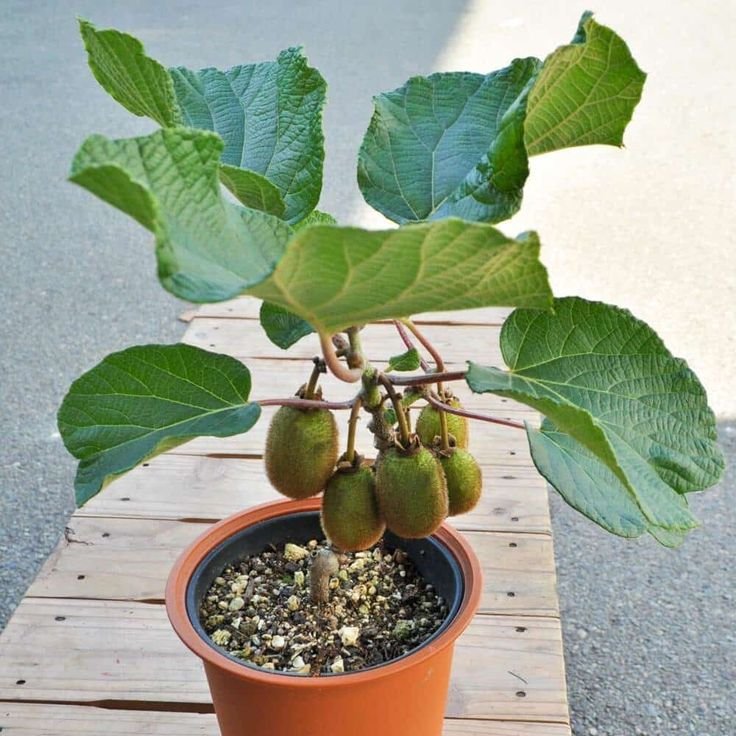
Kiwi seeds need the right environment to sprout successfully.
Key factors for germination:
- Temperature: Maintain 20–25°C (68–77°F) for best results.
- Moisture: Keep soil or paper towel consistently damp.
- Light: Indirect sunlight is ideal during early germination.
- Humidity: Covering seeds with a plastic dome or bag maintains humidity.
Seeds generally begin sprouting within 2–4 weeks under optimal conditions.
6. Choosing a Container or Pot
Once seeds sprout, they need space to grow into seedlings.
Container requirements:
- Small pots or seed trays for initial seedlings.
- Well-draining soil mix to prevent root rot.
- Adequate depth for root development (4–6 inches initially).
- Gradually transplant seedlings to larger pots as they grow.
Proper containers ensure healthy root development and strong seedlings.
7. Preparing the Soil Mix
Kiwi plants prefer fertile, well-draining soil.
Recommended soil mix:
- 40% garden soil or topsoil
- 30% compost or well-rotted manure
- 20% coco peat or peat moss for moisture retention
- 10% perlite or coarse sand for aeration
💡 Tip: Kiwi plants dislike waterlogged soil; good drainage is essential.
8. Planting Kiwi Seedlings
After germination, seedlings can be planted in pots.
Step-by-step planting:
- Fill the pot with prepared soil, leaving 2–3 inches from the top.
- Gently transfer seedlings into the pot, preserving the root system.
- Cover roots lightly with soil and water gently.
- Place pots in indirect sunlight until seedlings strengthen.
Transplant carefully to avoid root shock and ensure healthy growth.
9. Sunlight and Temperature Requirements
Kiwi plants need adequate sunlight for photosynthesis and growth.
- Sunlight: At least 6–8 hours of direct sunlight per day once seedlings are strong.
- Temperature: Ideal range is 18–25°C (65–77°F). Protect young plants from frost.
- Air circulation: Adequate airflow reduces fungal infections.
Proper sunlight ensures healthy leaves, strong stems, and flower formation later.
10. Watering Kiwi Plants
Container-grown kiwi plants dry out faster than garden soil, requiring regular watering.
Watering tips:
- Keep soil consistently moist but avoid waterlogging.
- Water deeply 2–3 times per week, adjusting for climate.
- Mulch the top layer to retain moisture and regulate soil temperature.
Proper watering promotes vigorous growth and fruit set in the future.
11. Fertilizing Kiwi Plants
Fertilization supports leaf growth, flowering, and fruit production.
Fertilization tips:
- Start with organic compost or well-rotted manure after seedlings develop 2–3 true leaves.
- Apply a balanced fertilizer (NPK 10:10:10) every 4–6 weeks.
- Potassium-rich fertilizers help improve flowering and fruiting later.
Balanced nutrition ensures healthy plants and eventual fruit production.
12. Pruning and Training Kiwi Vines
Kiwi plants are vigorous climbers, requiring support and pruning for fruiting.
Pruning tips:
- Provide a trellis, wire, or frame for vine support.
- Remove weak, dead, or overcrowded branches.
- Train young vines to grow along the support structure.
- Prune annually to encourage fruiting and maintain shape.
Proper training ensures better sunlight penetration and airflow, which enhances fruit yield.
13. Pollination and Flowering
Kiwi plants are dioecious, meaning male and female flowers are on separate plants.
- Ensure at least one male plant for every 6–8 female plants for pollination.
- Bees and other pollinators help transfer pollen naturally.
- Hand pollination indoors is possible using a small brush.
Pollination is essential for fruit set and larger, sweeter kiwis.
14. Harvesting Kiwi Fruit
Patience is key — kiwi plants grown from seeds may take 3–5 years to bear fruit.
Harvesting tips:
- Fruit is ripe when it develops a uniform brown skin and slight softness.
- Test for sweetness before picking.
- Harvest carefully to avoid bruising.
- Regular harvesting encourages more flowering and fruiting.
15. Long-Term Care of Kiwi Plants
Kiwi plants in containers require consistent care for long-term productivity:
- Repot every 2–3 years to refresh soil and accommodate root growth.
- Mulch to retain moisture and protect roots.
- Fertilize seasonally to support growth and flowering.
- Prune annually to maintain shape, control size, and maximize fruiting.
With consistent care, kiwi plants can produce fruit for many years, making them ideal for home gardeners.
16. Final Thoughts: Growing Kiwi Plants from Seed
Growing kiwi plants from kiwi fruit is fun, educational, and rewarding. Although the process requires patience, it’s perfect for beginners who want to experience the full journey from seed to fruit.
By selecting healthy fruit, preparing seeds properly, providing support and care, and patiently waiting, you can enjoy homegrown, delicious kiwi fruits right from your balcony or garden.
Watching a tiny kiwi seed grow into a fruit-bearing vine is incredibly satisfying. With consistent watering, fertilization, sunlight, and pruning, your kiwi plants will thrive and reward you with sweet, nutritious fruits for years to come.