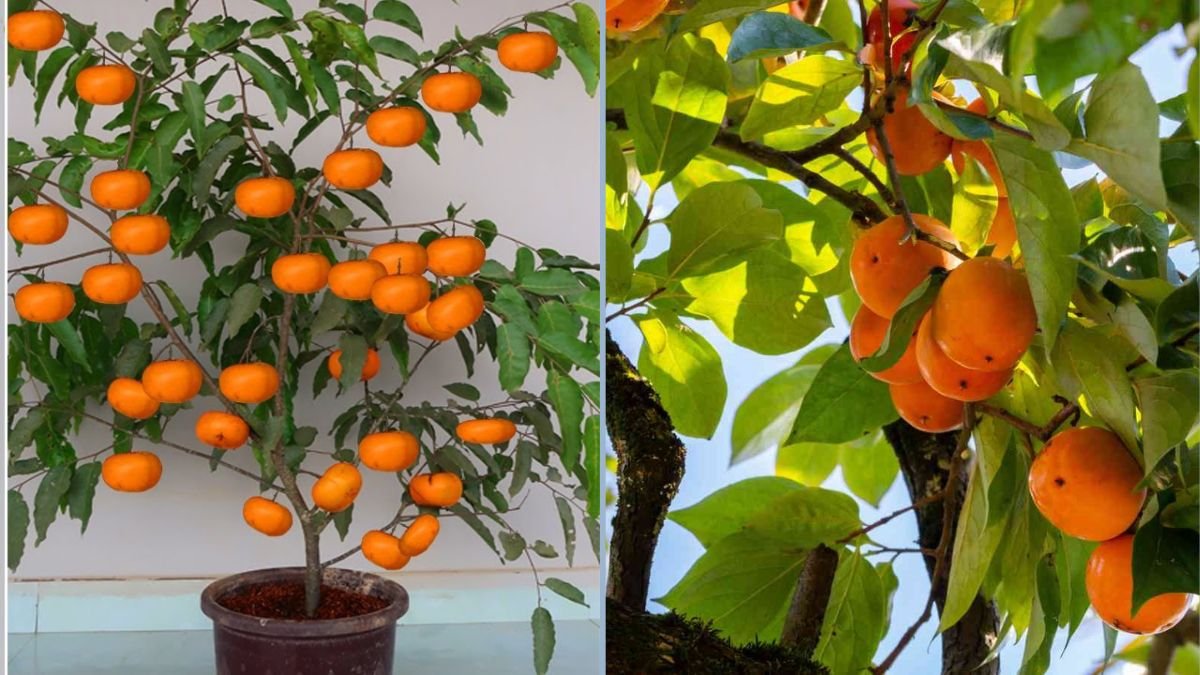
Persimmons are sweet, nutritious, and visually appealing fruits that can be a fantastic addition to your home garden. While traditionally grown from seeds or saplings, there’s an innovative and beginner-friendly method that uses bananas to encourage the growth of persimmon trees. This unusual technique is gaining popularity among urban gardeners and those with limited space because it is simple, fun, and surprisingly effective.
In this guide, we’ll show you how to grow a persimmon tree using bananas, nurture it, and eventually enjoy your homegrown fruits — all in beginner-friendly steps.
1. Why Grow Persimmon Trees from Bananas?
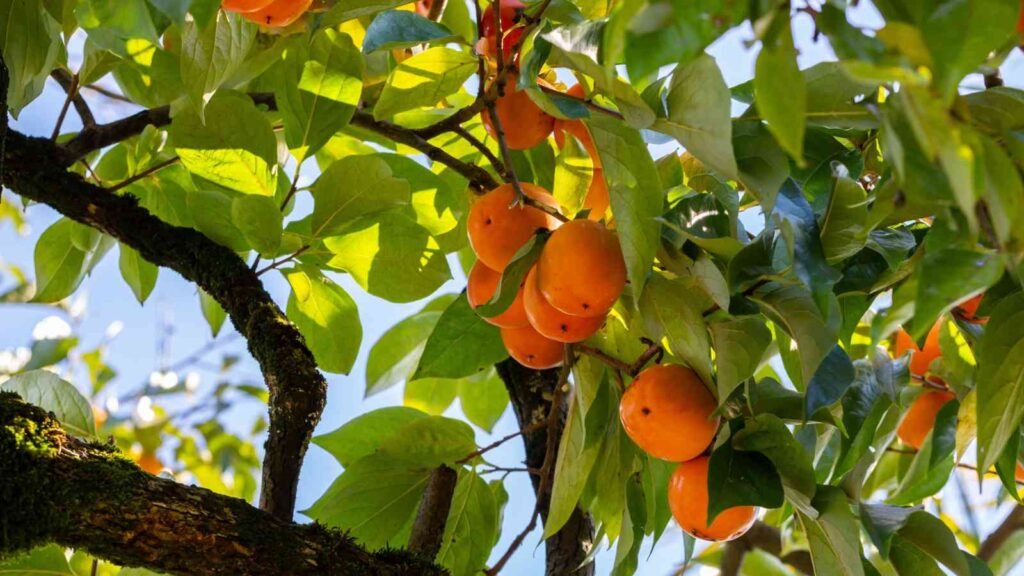
The idea of growing persimmons from bananas may sound unusual, but it’s rooted in practical horticulture techniques:
- Natural rooting stimulation: Bananas contain enzymes and nutrients that encourage root growth.
- Cost-effective: No need to buy expensive saplings.
- Beginner-friendly: The process is easy to follow and requires minimal equipment.
- Fun experiment: Great for teaching kids or learning about plant propagation.
Using bananas as a natural stimulant, gardeners can accelerate the growth of persimmon seeds or cuttings and improve success rates.
2. Choosing the Right Persimmon Tree Variety
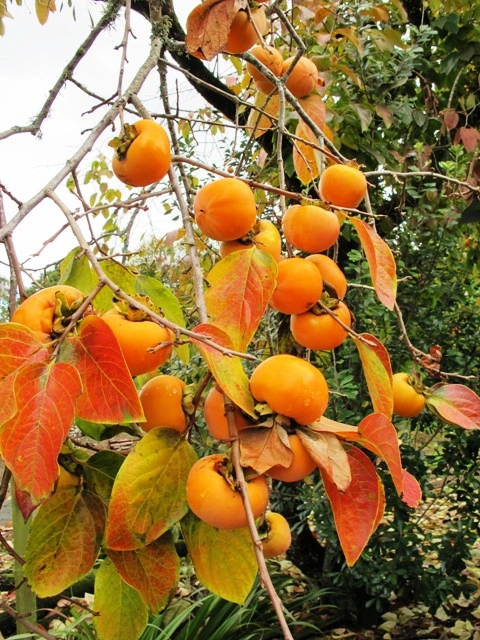
Before starting, it’s important to select a suitable persimmon variety.
Recommended beginner-friendly persimmons:
- Fuyu: Non-astringent, sweet, and ideal for home gardens.
- Hachiya: Astringent until fully ripe; produces large, soft fruits.
- Dwarf varieties: Perfect for container growth and balcony gardening.
Selecting the right variety ensures that your persimmon tree is manageable, productive, and beginner-friendly.
3. Understanding the Role of Bananas
Bananas are rich in potassium, phosphorous, and natural sugars, which promote root growth and seedling vigor. There are two main ways bananas are used in persimmon propagation:
- Banana peel method: The peel is placed near the base of seeds or cuttings to release nutrients slowly.
- Banana slurry or mash: The fruit or peel is blended into a paste and applied around the roots to stimulate growth.
Using bananas is an eco-friendly and natural way to enhance the germination or rooting process.
4. Preparing Persimmon Seeds or Cuttings
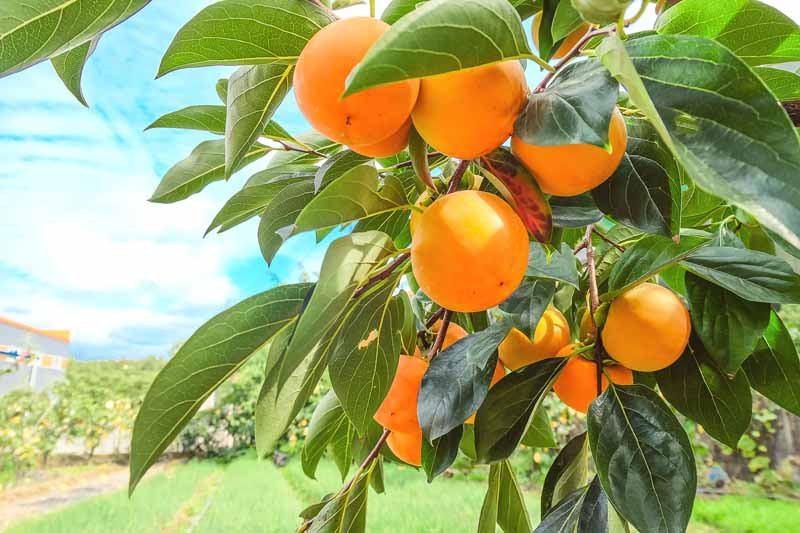
For successful growth, preparation of the seeds or cuttings is crucial.
Seed method:
- Extract seeds from ripe persimmons.
- Wash thoroughly to remove pulp residue.
- Dry for 24–48 hours.
- Scarify lightly or soak in water for 24 hours to improve water absorption.
Cutting method:
- Choose healthy branches 6–12 inches long.
- Trim leaves to reduce transpiration.
- Dip the cut ends into natural rooting stimulants, such as banana paste or aloe vera gel.
Proper preparation ensures higher success rates and stronger initial growth.
5. Creating the Right Growing Environment
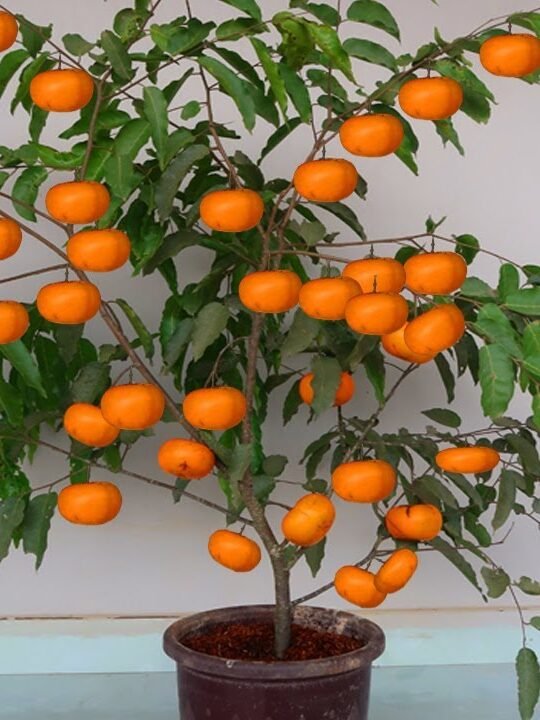
Persimmons need the right conditions to germinate and grow successfully.
Key environmental factors:
- Temperature: 18–25°C (65–77°F) is ideal for germination and young seedlings.
- Sunlight: Indirect sunlight at first; gradually introduce to full sun.
- Humidity: Moderate humidity enhances root development.
- Soil: Well-draining, nutrient-rich soil with a slightly acidic to neutral pH.
Creating a nurturing environment ensures that young persimmon plants thrive from the start.
6. Choosing a Container or Planting Site
For beginners, starting in a pot or grow bag is ideal:
- Pot size: At least 10–12 inches deep for seedlings; larger for cuttings.
- Drainage: Ensure multiple holes to prevent waterlogging.
- Material: Plastic pots or grow bags are easy to move and manage.
- Mobility: Container growth allows you to adjust sunlight exposure and protect from cold.
A suitable container promotes healthy root development and easy monitoring.
7. Planting Persimmon Seeds or Cuttings with Banana
Here’s a step-by-step method to plant persimmons using bananas:
- Fill the pot with well-draining soil.
- Make a small hole 1–2 inches deep for seeds or cuttings.
- Place the seed or cutting in the hole.
- Add banana peel or banana paste around the base.
- Cover lightly with soil and water gently.
- Place the pot in indirect sunlight.
Bananas release nutrients slowly, which stimulates root growth and strengthens seedlings.
8. Watering and Moisture Management
Proper watering is crucial for container-grown persimmons:
- Keep the soil consistently moist but not waterlogged.
- Water 2–3 times per week, adjusting for climate and humidity.
- Mulch with organic material to retain moisture and regulate temperature.
💡 Tip: Avoid overwatering, which can lead to root rot and fungal infections.
9. Fertilizing Persimmon Plants
Fertilization helps persimmon seedlings grow strong and prepare for fruiting.
Fertilization tips:
- Use organic compost or well-rotted manure in small amounts initially.
- After 2–3 months, apply a balanced fertilizer (NPK 10:10:10) every 4–6 weeks.
- Banana enrichment provides potassium naturally, which promotes flowering and fruiting later.
Proper fertilization ensures healthy leaves, stems, and eventual fruit production.
10. Pruning and Training Persimmon Plants
Pruning encourages strong growth and shape, especially in container-grown trees.
Pruning tips:
- Remove weak, damaged, or crowded branches.
- Encourage a central leader structure for better fruiting.
- Pinch tips of young branches to stimulate bushier growth.
- For beginners, minimal pruning is sufficient until the tree matures.
Well-pruned trees develop stronger branches and produce more fruit.
11. Pollination and Flowering
Persimmon trees produce flowers that may require pollination to bear fruit:
- Most varieties are self-pollinating, but cross-pollination improves yield and size.
- Bees and insects are natural pollinators.
- For indoor setups, hand-pollinate using a small brush.
Proper pollination ensures better fruit set and sweetness.
12. Fruit Development and Harvesting
Patience is key — persimmon trees grown from seeds may take 2–4 years to bear fruit.
Harvesting tips:
- Fruits are ripe when they develop vibrant color and soft texture.
- Taste-test to ensure optimal sweetness.
- Handle carefully to avoid bruising.
- Regular harvesting encourages continuous flowering and fruiting.
Homegrown persimmons are rewarding for their unique flavor and nutritional value.
13. Winter Care for Young Trees
Young persimmon plants are sensitive to frost, especially in containers.
Winter care tips:
- Move pots to sheltered areas or indoors.
- Wrap pots with insulating material to protect roots.
- Reduce watering as the plant enters dormancy.
- Minimal pruning during winter ensures spring growth.
Proper winter care ensures survival and long-term fruit production.
14. Long-Term Maintenance
Maintaining persimmon trees in pots requires consistent care:
- Repot every 2–3 years with fresh soil for root growth.
- Apply mulch to retain moisture and regulate soil temperature.
- Fertilize seasonally for optimal growth.
- Prune annually to maintain size, structure, and productivity.
With good care, container-grown persimmons can produce fruits for many years, making them ideal for home gardens.
15. Final Thoughts: Growing Persimmons from Bananas
Growing a persimmon tree from bananas is an innovative, beginner-friendly method that combines creativity with horticulture. Using natural nutrients from bananas accelerates root growth and strengthens seedlings, making it perfect for first-time gardeners.
By following these steps — selecting the right variety, preparing seeds or cuttings, using bananas, and providing proper care — you can cultivate a healthy, fruit-bearing persimmon tree at home.
Watching a tiny seed or cutting grow into a tree that bears sweet, homegrown persimmons is an incredibly rewarding experience. With patience, attention, and consistent care, your container-grown persimmon tree can thrive and produce years of delicious harvests.