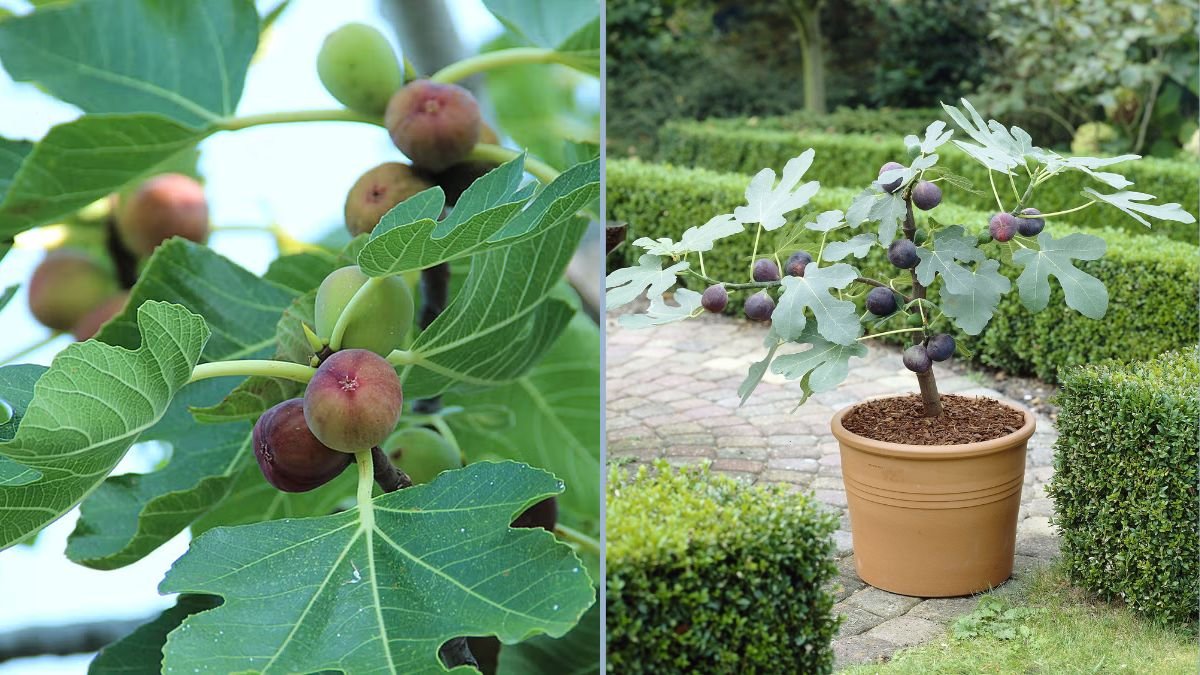
Figs are one of the most delightful fruits to grow at home. With their sweet, luscious taste, unique texture, and beautiful foliage, fig trees add both flavor and charm to any garden or balcony.
The good news is that fig trees are perfect for container gardening. You don’t need a large yard or orchard to enjoy fresh figs — a pot or grow bag can suffice. In this guide, we’ll cover everything you need to know about growing fig trees in pots, fertilizing them, and harvesting healthy fruits.
1. Why Grow Fig Trees in a Pot?
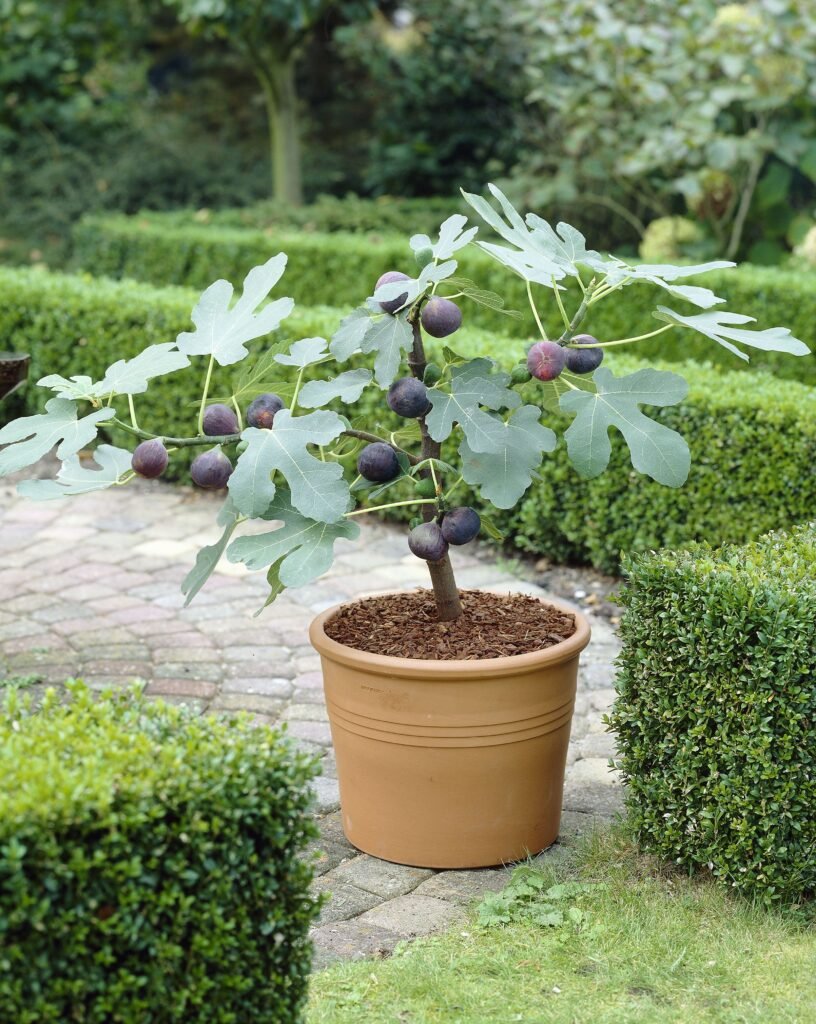
Container gardening is ideal for fig trees for several reasons:
- Space-saving: Perfect for terraces, balconies, and patios.
- Mobility: Move the tree to optimize sunlight exposure or protect it from harsh weather.
- Soil control: Easily provide well-draining, nutrient-rich soil.
- Pest management: Easier to monitor and reduce pest issues.
- Aesthetic appeal: Fig trees have beautiful leaves and can act as natural decor.
Growing figs in pots is also great for urban gardeners who want fresh, homegrown fruits without a traditional garden.
2. Choosing the Right Fig Variety
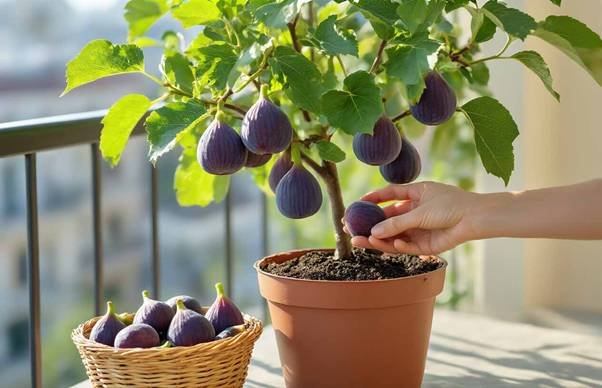
Selecting the right variety is essential for successful container cultivation.
Container-friendly fig varieties:
- Brown Turkey: Hardy, produces medium-sized sweet fruits.
- Black Mission: Dark, sweet figs suitable for small spaces.
- Kadota: Green-skinned, mild-flavored fruits, suitable for pots.
- Petite Negra or dwarf varieties: Ideal for small containers and balconies.
Opting for dwarf or semi-dwarf varieties ensures the tree remains manageable in size while still producing abundant fruits.
3. Selecting the Right Pot or Container
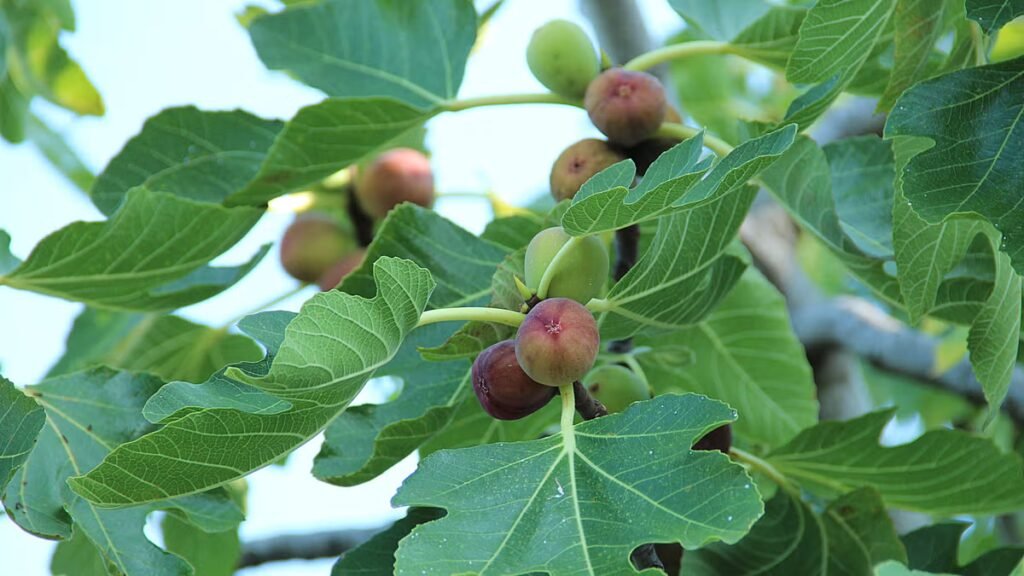
Fig trees require adequate space for their roots to thrive.
Container requirements:
- Size: Minimum 18–24 inches in diameter and depth for dwarf varieties; larger for standard types.
- Material: Plastic, ceramic, or grow bags. Avoid metal pots that overheat.
- Drainage: Multiple drainage holes are essential to prevent waterlogging.
- Mobility: Grow bags are lightweight and can be moved for sunlight optimization.
Choosing the right container helps maintain healthy roots, consistent moisture, and strong growth.
4. Preparing the Soil Mix
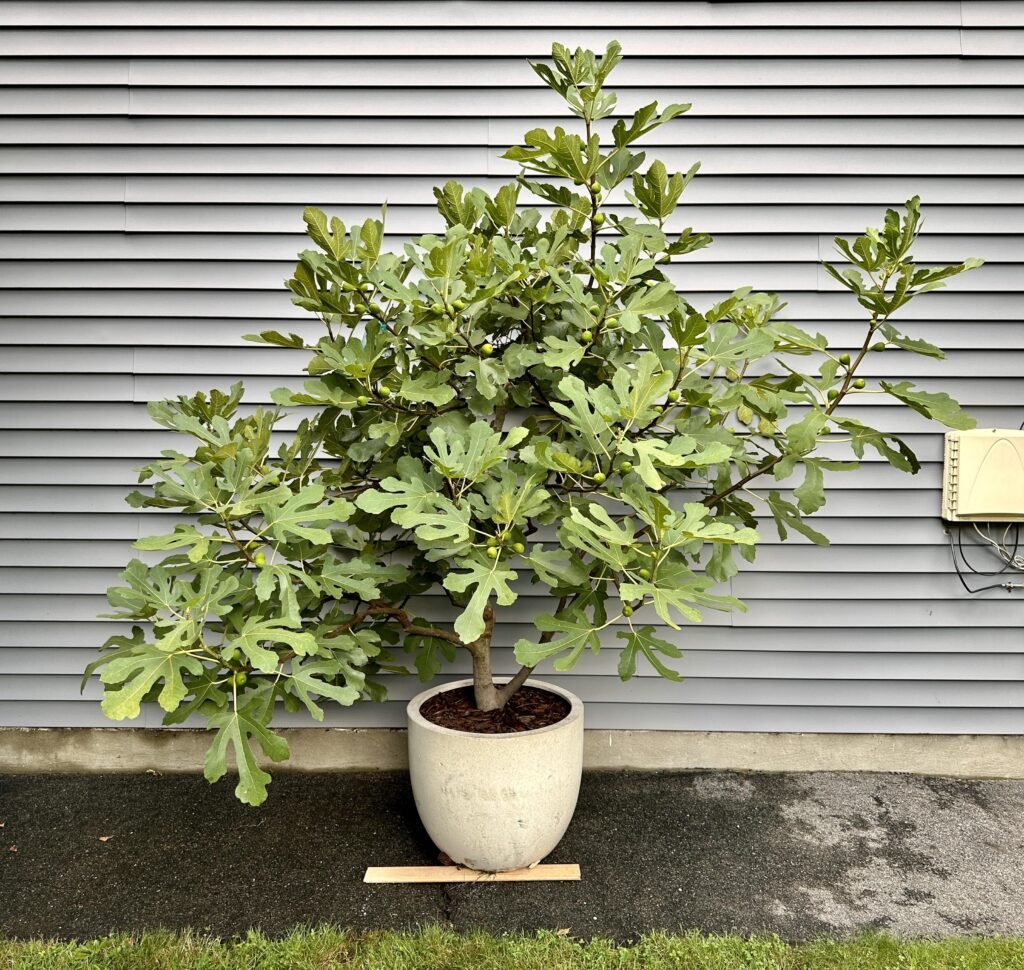
Figs thrive in well-draining, nutrient-rich soil. Proper soil mix ensures root health and fruit production.
Recommended soil mix:
- 40% garden soil or topsoil
- 30% well-rotted compost or manure
- 20% coco peat or peat moss for moisture retention
- 10% perlite or coarse sand for aeration
💡 Tip: Avoid heavy clay soil, as it retains too much water and may cause root rot.
5. Planting Fig Trees in a Pot
Planting fig trees correctly is crucial for healthy growth and fruiting.
Step-by-step planting:
- Fill the pot with prepared soil, leaving 2–3 inches at the top.
- Remove the fig tree from its nursery container carefully.
- Place the tree in the center and fill around the roots with soil.
- Firm the soil gently and water thoroughly.
- Apply 2–3 inches of mulch to retain moisture and regulate temperature.
💡 Tip: Plant the tree at the same depth as it was in the nursery pot to avoid root stress.
6. Sunlight and Temperature Requirements
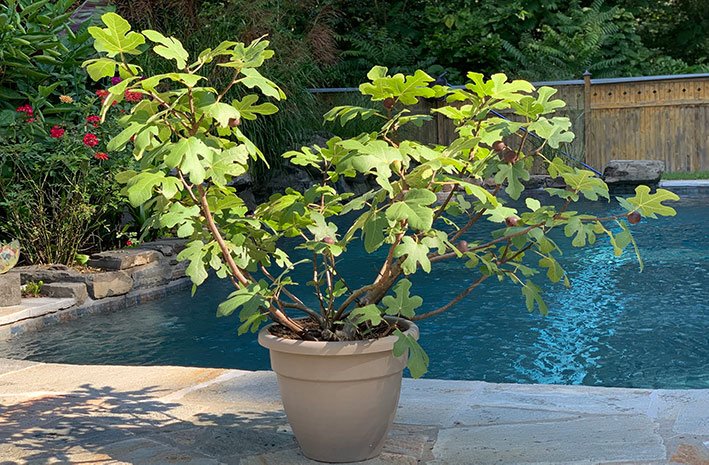
Figs need plenty of sunlight and a moderate climate for optimal growth.
- Sunlight: At least 6–8 hours of direct sunlight daily.
- Temperature: Ideal range is 20–30°C (68–86°F). Protect young trees from frost.
- Air circulation: Adequate airflow prevents fungal diseases and promotes fruiting.
Position your fig tree in a sunny and sheltered spot for best results.
7. Watering Fig Trees in Pots
Container-grown fig trees dry out faster than garden soil, so consistent watering is crucial.
Watering tips:
- Water deeply 2–3 times per week, adjusting based on climate.
- Keep soil moist but not waterlogged.
- Mulch helps maintain moisture and regulates soil temperature.
Proper watering ensures healthy leaves, flowers, and fruit set.
8. Fertilizing Fig Trees
Fertilization supports leaf growth, flowering, and fruiting in container-grown figs.
Fertilization schedule:
- Spring: Apply organic compost or balanced fertilizer.
- Flowering and fruiting stage: Use phosphorus- and potassium-rich fertilizers to promote blooms and fruit development.
- Summer: Light feeding to sustain fruit growth.
💡 Tip: Avoid excessive nitrogen, which promotes leafy growth instead of fruit production.
9. Pruning and Shaping Fig Trees
Pruning helps maintain size, shape, and productivity in potted fig trees.
Pruning tips:
- Remove dead, weak, or crowded branches.
- Maintain a compact shape suitable for the pot.
- Prune lightly after harvesting to encourage new growth.
- Support branches with stakes if they become heavy with fruit.
Proper pruning improves sunlight penetration, airflow, and fruit yield.
10. Pollination Tips
Most fig trees are self-pollinating, but ensuring proper pollination maximizes fruit yield.
- Encourage pollinators like bees by planting flowering companions nearby.
- Hand-pollinate flowers indoors if pollinators are scarce.
- Cross-pollination may improve fruit size and quality for certain varieties.
Effective pollination ensures larger, sweeter fruits.
11. Pest and Disease Management
Container-grown fig trees are easier to monitor but still require care.
Common issues:
- Aphids and mealybugs: Spray neem oil or mild insecticidal soap.
- Fungal diseases: Ensure proper air circulation and avoid wetting foliage.
- Fruit flies: Protect ripening fruits with nets or covers.
Regular inspection and preventive care ensure healthy trees and high-quality fruits.
12. Harvesting Figs
Figs mature quickly and can be harvested when fully ripe.
Harvesting tips:
- Fruits are ready when soft to touch and full of color.
- Taste-test to confirm sweetness.
- Harvest carefully to avoid damaging branches or neighboring fruits.
- Frequent harvesting encourages continuous flowering and fruiting.
13. Winter Care for Container Fig Trees
Figs are sensitive to frost, especially in pots where roots are exposed.
Winter care tips:
- Move pots indoors or to a sheltered location during frost.
- Wrap containers with insulating material to protect roots.
- Reduce watering as trees enter dormancy.
- Minimal pruning during winter prepares trees for spring growth.
Proper winter care ensures tree survival and strong fruiting next season.
14. Long-Term Maintenance
Container-grown fig trees can thrive for many years with proper care.
Maintenance tips:
- Repot every 2–3 years to refresh soil and provide space for roots.
- Mulch regularly to retain moisture and regulate soil temperature.
- Fertilize seasonally to support growth and flowering.
- Prune annually to maintain size, shape, and productivity.
Well-maintained fig trees can provide fresh, homegrown fruits for decades.
15. Final Thoughts: Growing Figs in a Pot
Growing fig trees in pots is easy, rewarding, and practical for urban gardeners and small-space growers. With the right variety, container, soil, and care, you can enjoy sweet, juicy figs from your terrace or balcony.
Container gardening allows you to cultivate a mini orchard at home, bringing both beauty and productivity to small spaces. With patience, attention, and proper care, your potted fig tree can thrive and provide years of delicious harvests.
Growing figs in pots combines gardening enjoyment and delicious rewards, allowing anyone to experience the full journey from planting to harvesting fresh figs at home. By following these tips, you can ensure your fig tree flourishes and produces fruit year after year.