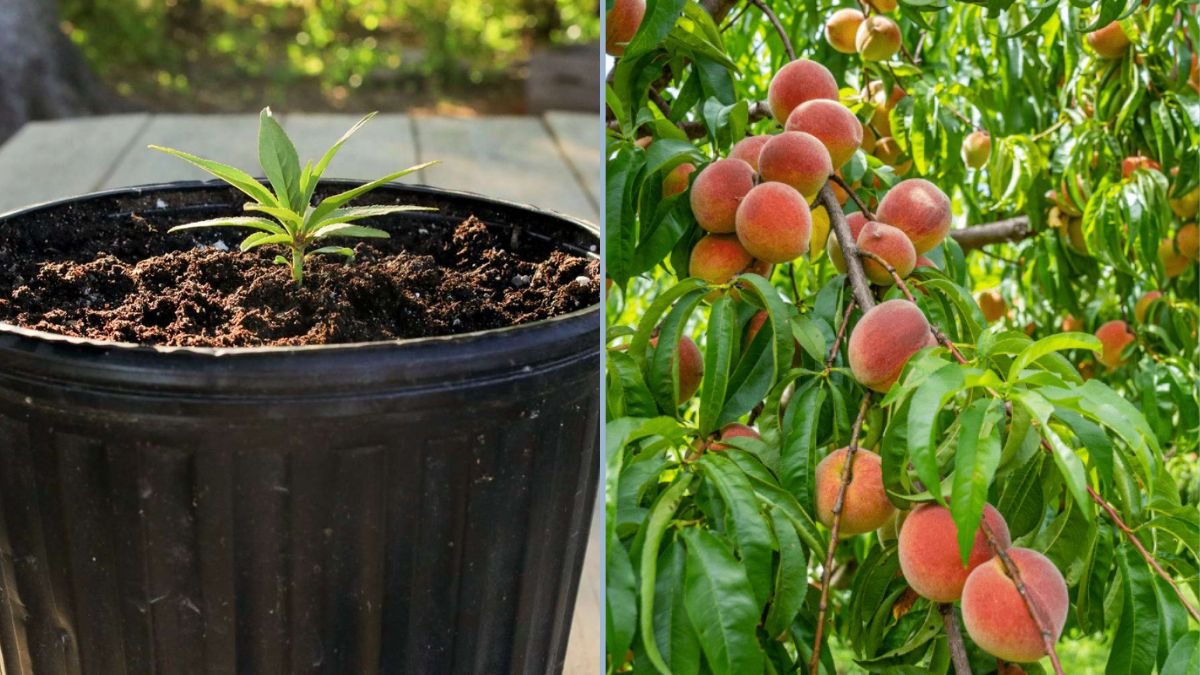
Peach trees are one of the most rewarding fruit trees to grow at home. Their fragrant blossoms, lush foliage, and juicy, sweet fruits make them a favorite for gardeners and fruit lovers alike. But did you know you can grow a peach tree easily from a single seed right at home?
Growing a peach tree from seed may seem challenging, but with the right steps, it’s completely doable — even for beginners. This guide will show you step-by-step how to germinate peach seeds, plant them, and nurture them into healthy, fruit-bearing trees.
1. Why Grow a Peach Tree from Seed?
Starting a peach tree from seed has several benefits:
- Cost-effective: You don’t need to buy expensive saplings.
- Educational: It’s a fun and rewarding process to see a tree grow from a seed.
- Customizable: You can choose the variety you love and adapt it to your local climate.
- Sustainable: Reuse seeds from purchased peaches instead of discarding them.
Growing from seed also allows you to experiment with natural germination techniques, making the process fun and eco-friendly.
2. Choosing the Right Peach Fruit
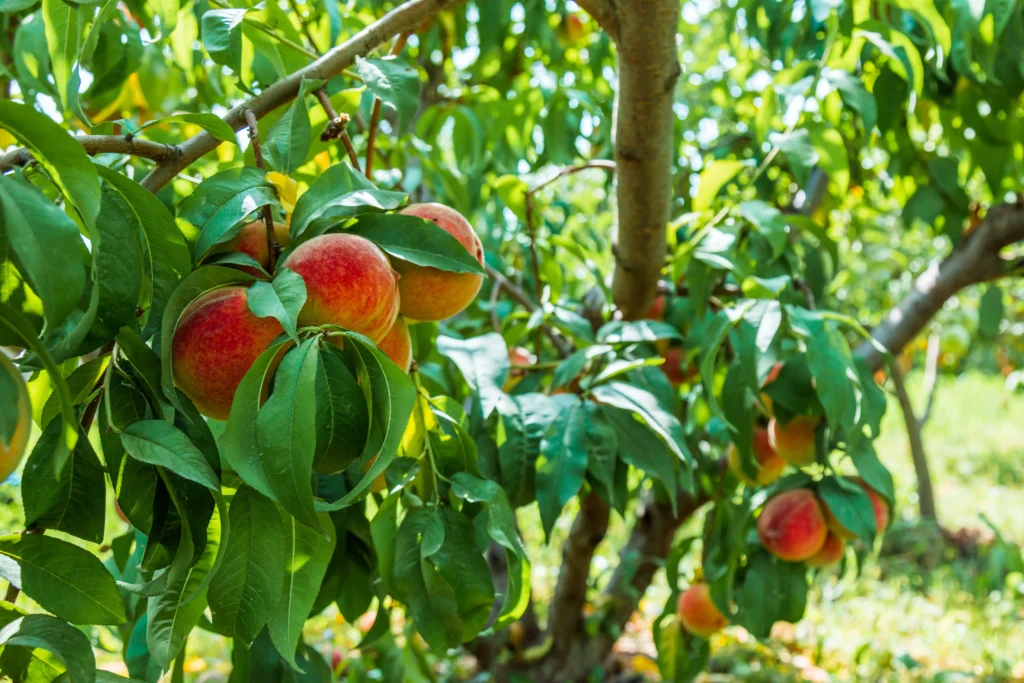
Not all peaches are ideal for seed germination. Selecting the right fruit is critical for success.
Tips for selecting peach fruit:
- Pick ripe, healthy peaches with no bruises or signs of rot.
- Choose peaches from a variety suited to your climate.
- Organic or homegrown peaches are preferable because they are less likely to be treated with chemicals that inhibit germination.
- Remove the seed carefully from the fruit without damaging it.
Once the seed is extracted, it must be prepared correctly for germination.
3. Preparing Peach Seeds for Germination
Peach seeds have a hard outer shell, which prevents water and nutrients from entering. To encourage germination, you need to mimic natural conditions. This process is called stratification.
Steps to prepare the seed:
- Clean the seed thoroughly to remove all fruit residue.
- Allow the seed to dry for 24–48 hours.
- Carefully crack or sand the outer shell slightly — this helps water absorption without damaging the embryo inside.
- Soak the seed in water for 24 hours to soften it.
- Optionally, use natural rooting hormones like aloe vera or willow water to boost germination.
Proper preparation ensures the seed awakens from dormancy and starts growing roots and shoots.
4. Creating the Ideal Germination Environment
Peach seeds require specific conditions to germinate successfully.
Key environmental factors:
- Temperature: Keep seeds at 18–24°C (65–75°F).
- Moisture: Keep the growing medium damp but not soggy. Overwatering can rot the seed.
- Humidity: Cover the container with a plastic bag or transparent lid to maintain humidity.
- Light: Indirect sunlight is sufficient; avoid harsh direct sun until seedlings appear.
With the right environment, most peach seeds germinate within 2–4 weeks.
5. Choosing the Right Container for Germination
A proper container ensures healthy seedling growth.
Container tips:
- Use a small pot or seed tray with good drainage holes.
- Fill the container with a light, airy, nutrient-rich soil mix.
- Avoid containers that retain too much water, as this can lead to rot.
Starting in a small pot allows you to monitor seedlings closely and transplant them later when they grow stronger.
6. Preparing the Soil Mix
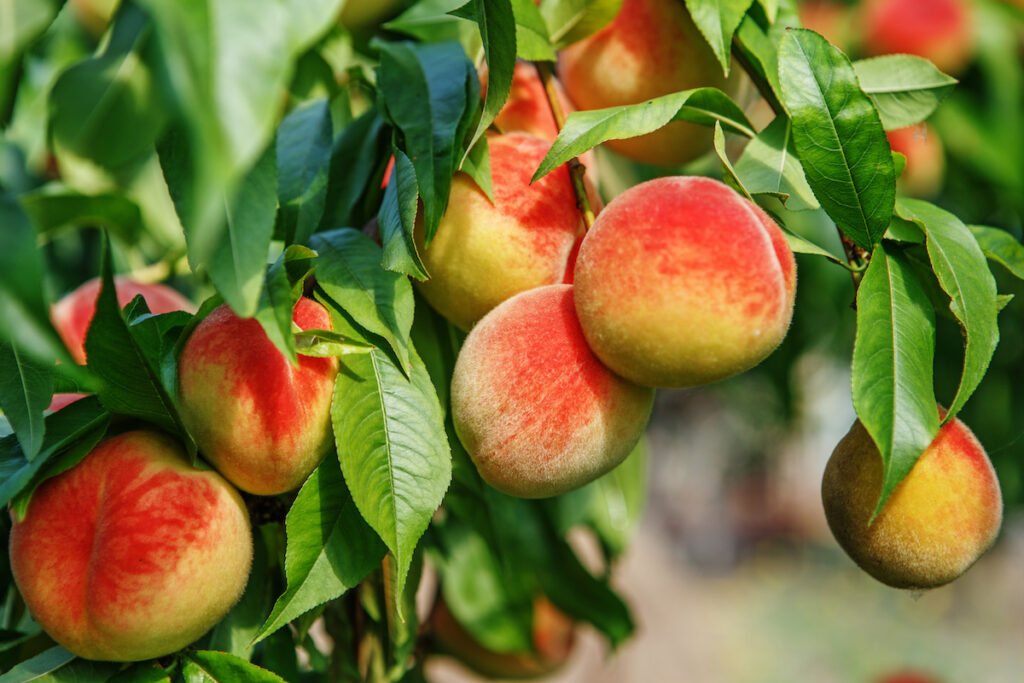
The soil mix for peach seeds should be well-draining, nutrient-rich, and slightly acidic to neutral.
Recommended soil mix:
- 40% coco peat or peat moss for moisture retention.
- 30% garden soil, sifted to remove large particles.
- 20% compost for nutrients.
- 10% perlite or coarse sand for aeration.
💡 Tip: Avoid using heavy clay soil, which can suffocate roots and slow germination.
7. Planting the Peach Seed
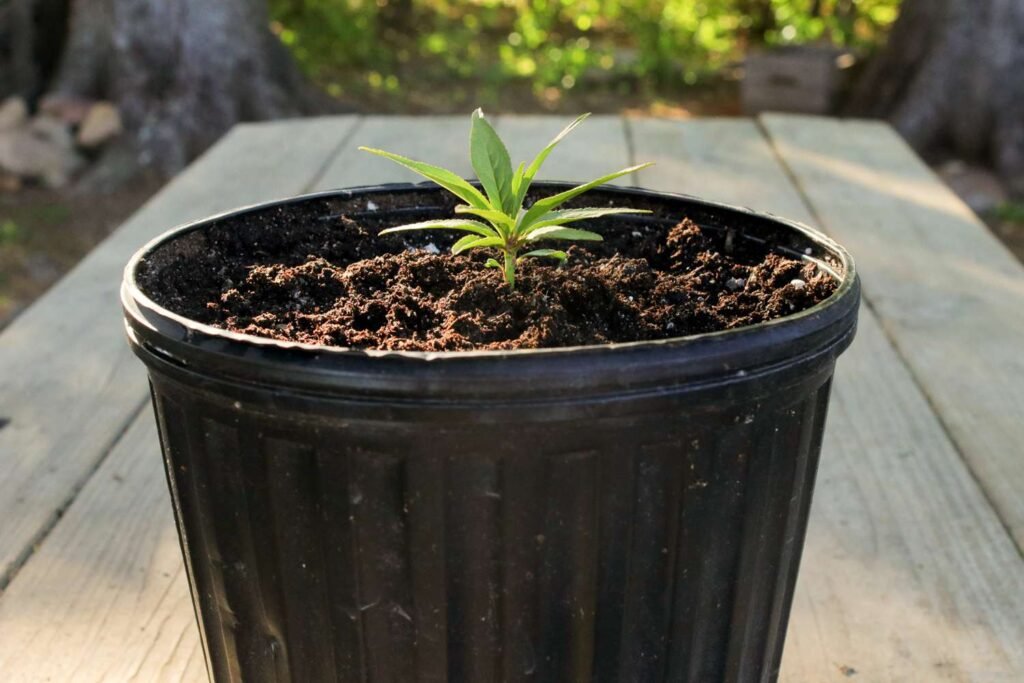
Once the seed is prepared, it’s time to plant it.
Planting steps:
- Fill the container with soil, leaving about 1 inch from the top.
- Create a small hole about 1–2 inches deep.
- Place the seed with the pointed end down (if identifiable).
- Cover lightly with soil and press gently.
- Water thoroughly to moisten the soil.
Keep the soil consistently moist but not waterlogged for the best germination results.
8. Caring for the Seedling
After germination, the peach seed develops into a small seedling. Proper care is critical for a strong and healthy tree.
Seedling care tips:
- Maintain even moisture; avoid letting the soil dry out.
- Gradually expose the seedling to more sunlight.
- Wait until the seedling develops 2–3 true leaves before fertilizing.
- Watch for pests like aphids or fungus; treat naturally with neem oil if necessary.
Healthy seedlings grow faster and are more likely to produce fruit in the future.
9. Transplanting to a Larger Pot
After a few months, seedlings outgrow their initial containers. Transplanting to a larger pot encourages stronger root systems and better growth.
Transplanting steps:
- Choose a larger container with good drainage.
- Carefully remove the seedling, keeping the root ball intact.
- Plant at the same depth as before.
- Water thoroughly and add a thin layer of mulch.
- Protect from direct sun for a few days to reduce transplant shock.
💡 Tip: You can use natural rooting hormones again during transplanting to stimulate root growth.
10. Fertilization for Growth
Peach trees in pots require regular feeding for optimal growth and fruiting.
Fertilization tips:
- Apply organic compost or well-rotted manure in spring.
- Use a balanced fertilizer when seedlings develop several sets of leaves.
- Add potassium-rich organic matter (like banana peel compost) to stimulate flowering and fruiting.
- Avoid excessive nitrogen, which encourages leafy growth at the expense of flowers.
Proper nutrition is key to healthy growth and future fruit production.
11. Pruning and Support
Container-grown peach trees benefit from support and pruning to encourage a strong structure and abundant fruit.
Pruning tips:
- Trim weak or crowded branches to improve air circulation.
- Remove dead or damaged stems regularly.
- Shape the tree to maintain a manageable size for container growth.
Using a stake or small trellis helps support branches as the tree grows and produces fruit.
12. Pollination and Flowering
Peach trees are generally self-pollinating, but cross-pollination can improve fruit yield and quality.
- Encourage pollinators like bees by placing flowers nearby.
- If growing indoors or in a balcony, gently hand-pollinate flowers using a small brush.
- Flowering usually occurs 2–4 years after germination depending on variety and conditions.
Proper pollination ensures larger, sweeter fruits.
13. Harvesting Peaches
Patience is key when growing peaches from seed — fruit may take 3–5 years to develop.
Harvesting tips:
- Peaches are ripe when they have a full, rich color and slightly soft texture.
- Taste-test to ensure sweetness before picking.
- Harvest carefully to avoid damaging branches or surrounding fruits.
Regular harvesting encourages continued flowering and fruiting.
14. Long-Term Care
Once established, container-grown peach trees can thrive for many years.
Care tips:
- Repot every 2–3 years to refresh soil and promote root growth.
- Mulch annually to retain moisture and regulate soil temperature.
- Water consistently, especially during hot summer months.
- Prune yearly to maintain size, shape, and fruit production.
With proper care, your peach tree can provide delicious, homegrown peaches for decades.
15. Final Thoughts: Enjoying Homegrown Peaches
Growing a peach tree from seed at home is easier than most people think, especially when you use natural rooting techniques to encourage germination.
By carefully selecting the fruit, preparing the seed, maintaining the right environment, and providing proper care, you can grow a healthy, fruit-bearing tree in a container — even in small spaces like balconies or terraces.
Watching a peach seed grow into a beautiful tree laden with sweet, juicy fruit is one of the most satisfying gardening experiences. With patience, attention, and natural propagation techniques, your homegrown peach tree can thrive and reward you with bountiful harvests year after year.
Growing peaches from seed is a perfect blend of patience, care, and nature’s magic, allowing you to enjoy the full journey — from seed to fruit — right in your own home.