
Aloo Gobi—the iconic North Indian dish made with potatoes (aloo) and cauliflower (gobi)—is a hearty, flavorful, and incredibly comforting curry. While it’s known for its rustic charm, this versatile dish can also be a light, wholesome meal that’s easy to prepare and packed with nutrition.
In this detailed guide, you’ll learn how to make a healthy, tasty Aloo Gobi in 5 simple steps, using everyday ingredients and no non-vegetarian elements. Perfect for busy weeknights, vegetarian meal prep, or a flavorful side on your dinner table, this recipe keeps things light without sacrificing taste.
Why Aloo Gobi?
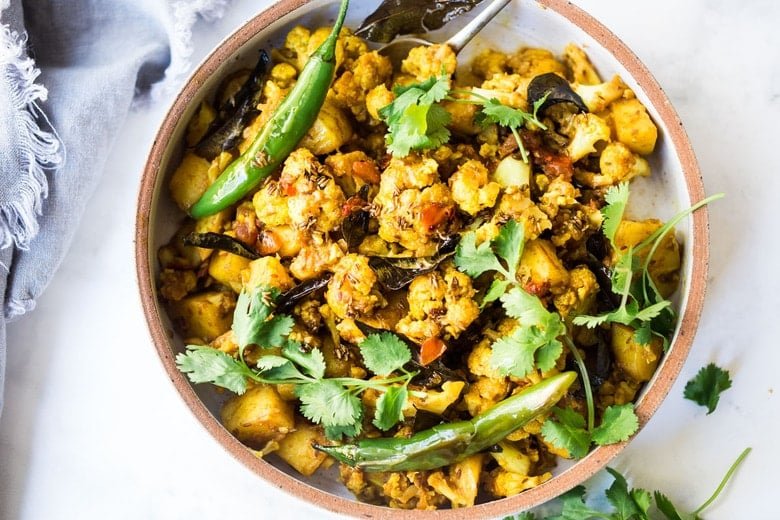
Before we dive into the steps, here’s why this humble dish deserves a place in your weekly meal plan:
- Naturally vegetarian and gluten-free
- Low in fat, high in fiber and nutrients
- Uses pantry staples — no exotic ingredients required
- Cooks quickly in a single pan
- Can be enjoyed as a main or a side
When made thoughtfully, Aloo Gobi can be light on oil, rich in flavor, and incredibly nutritious—the perfect guilt-free comfort food.
Ingredients You’ll Need (Serves 3–4)

Vegetables:
- Potatoes (aloo) – 2 medium (peeled & diced)
- Cauliflower (gobi) – 1 medium head (cut into small florets)
- Tomato – 2 medium, finely chopped
- Onion – 1 large, chopped
- Ginger – 1 inch, grated
- Garlic – 4 cloves, minced
- Green chili – 1, slit (optional)
Spices:
- Cumin seeds – 1 tsp
- Turmeric powder – ½ tsp
- Coriander powder – 1 tsp
- Red chili powder – ½ tsp (adjust to taste)
- Garam masala – ½ tsp
- Salt – to taste
Others:
- Oil – 1.5 to 2 tbsp (use mustard oil or olive oil for healthier options)
- Fresh coriander leaves – for garnish
- Lemon juice – 1 tsp (optional, for brightness)
Optional additions for extra nutrition:
- A handful of green peas
- A pinch of amchur (dried mango powder) for tang
- Fenugreek leaves (kasuri methi) for aroma
Step 1: Prep Vegetables Right

1. Wash and cut vegetables:
- Peel and dice the potatoes into medium-sized cubes.
- Cut the cauliflower into bite-sized florets. Soak in saltwater for 5 minutes to remove dirt and insects.
- Rinse thoroughly and drain.
2. Parboil or steam for quicker cooking:
To cut down cooking time and use less oil:
- Steam or boil potatoes and cauliflower until 70–80% cooked.
- Don’t overcook—they should be firm but tender.
- Drain and set aside.
Pro Tip: Pre-cooking ensures you don’t need excess oil to soften them during sautéing and keeps the dish lighter.
Step 2: Sauté the Aromatics
- Heat 1.5 tbsp oil in a heavy-bottomed pan or kadhai.
- Add 1 tsp cumin seeds and let them sizzle.
- Add chopped onion and sauté until golden brown (5–6 minutes).
- Add ginger, garlic, and green chili. Cook for another 2–3 minutes until the raw smell disappears.
This forms the flavorful base of your curry.
Step 3: Cook the Masala Base
- Add chopped tomatoes to the onion mixture.
- Cook for 5–7 minutes on medium heat until tomatoes are soft and the mixture begins to thicken.
- Add spices:
- ½ tsp turmeric
- 1 tsp coriander powder
- ½ tsp red chili powder
- Salt to taste
- Mix well and cook until the oil starts to separate from the masala.
Optional: Add 1–2 tbsp of water if the mixture is too dry. This helps in cooking spices properly and prevents burning.
Flavor Tip: At this stage, you can add a pinch of garam masala or amchur for a more robust flavor.
Step 4: Add the Veggies & Simmer
Now it’s time to combine everything.
- Add the pre-cooked potatoes and cauliflower into the masala.
- Toss gently to coat the vegetables evenly in the spice mixture.
- Cover the pan and let everything cook together for 8–10 minutes on low heat.
- Stir occasionally to avoid sticking or burning. Don’t overmix—cauliflower is delicate.
If the mixture looks dry, sprinkle 2–3 tablespoons of water to keep it moist.
Want a semi-gravy version? Add ¼ cup water and cook covered for 2–3 more minutes.
Step 5: Final Touches & Serving

Once the vegetables are tender and coated in flavorful masala:
- Add ½ tsp garam masala and crushed kasuri methi (optional).
- Turn off the heat.
- Squeeze a bit of lemon juice for freshness.
- Garnish with freshly chopped coriander.
Let it rest for 5 minutes before serving—this allows the flavors to deepen.
Serving Suggestions
Aloo Gobi is incredibly versatile. Here’s how you can enjoy it:
With Indian Breads:
- Whole wheat roti or phulka (for a light meal)
- Missi roti or multigrain paratha (for added fiber)
With Rice:
- Jeera rice
- Brown rice
- Lemon rice (for a tangy contrast)
As a Side Dish:
- Serve alongside dal, rajma, or chana masala.
- Makes a great part of a thali (Indian-style platter).
With Sides:
- Cucumber or mint raita
- Pickles
- Roasted papad
How to Keep It Healthy

Here are a few ways to make sure your Aloo Gobi remains light and nutritious:
| Habit | Healthy Choice |
|---|---|
| Cooking method | Steam or roast veggies instead of deep-frying |
| Oil usage | Use minimal oil (1–2 tbsp max) |
| Type of oil | Choose cold-pressed oils like mustard, olive, or sunflower oil |
| Add-ons | Add green peas or spinach for extra fiber and color |
| Portion control | Pair with salads or dal for a balanced plate |
Meal Prep & Storage Tips
- Refrigerator: Store leftovers in an airtight container for 3–4 days.
- Freezer: You can freeze cooked Aloo Gobi for up to 2 weeks. Reheat with a splash of water on the stovetop.
- Meal prep tip: Chop and pre-boil veggies in advance to cut down cooking time on busy nights.
Nutritional Highlights (Per Serving)
| Nutrient | Approximate Value |
|---|---|
| Calories | 220–250 kcal |
| Protein | 5–6g |
| Carbohydrates | 30–35g |
| Fiber | 5–6g |
| Fat | 7–8g |
| Vitamin C | High (from cauliflower) |
| Iron | Moderate (from potatoes and spices) |
Low-calorie, plant-based
Good source of fiber & antioxidants
No cream, butter, or heavy oils
Variations to Try
Looking to switch things up?
- Dry Aloo Gobi: Skip tomatoes and make a stir-fried version with just spices and a touch of lemon.
- Aloo Gobi Matar: Add peas for sweetness and more color.
- Spicy Version: Add crushed black pepper or extra chili flakes.
- Roasted Aloo Gobi: Roast vegetables in the oven with spices and toss in a tomato-garlic paste.
Quick Recipe Recap
| Step | Description |
|---|---|
| 1 | Wash, chop, and parboil cauliflower and potatoes |
| 2 | Sauté cumin, onion, garlic, and ginger |
| 3 | Add tomatoes and cook the spice-rich masala |
| 4 | Add vegetables and simmer |
| 5 | Finish with garam masala, lemon, and garnish |
Final Thoughts
Aloo Gobi proves that healthy food doesn’t have to be boring. With the right techniques and fresh ingredients, this traditional Indian favorite can be light, nutritious, and bursting with flavor.
Whether you’re new to Indian cooking or a seasoned home chef, this 5-step method simplifies the process without sacrificing authenticity. It’s the kind of dish that feels like comfort food—but fits beautifully into a clean, healthy lifestyle.
So grab your chopping board, prep those veggies, and treat yourself to a warm, satisfying plate of Aloo Gobi—both healthy and tasty, just the way it should be.