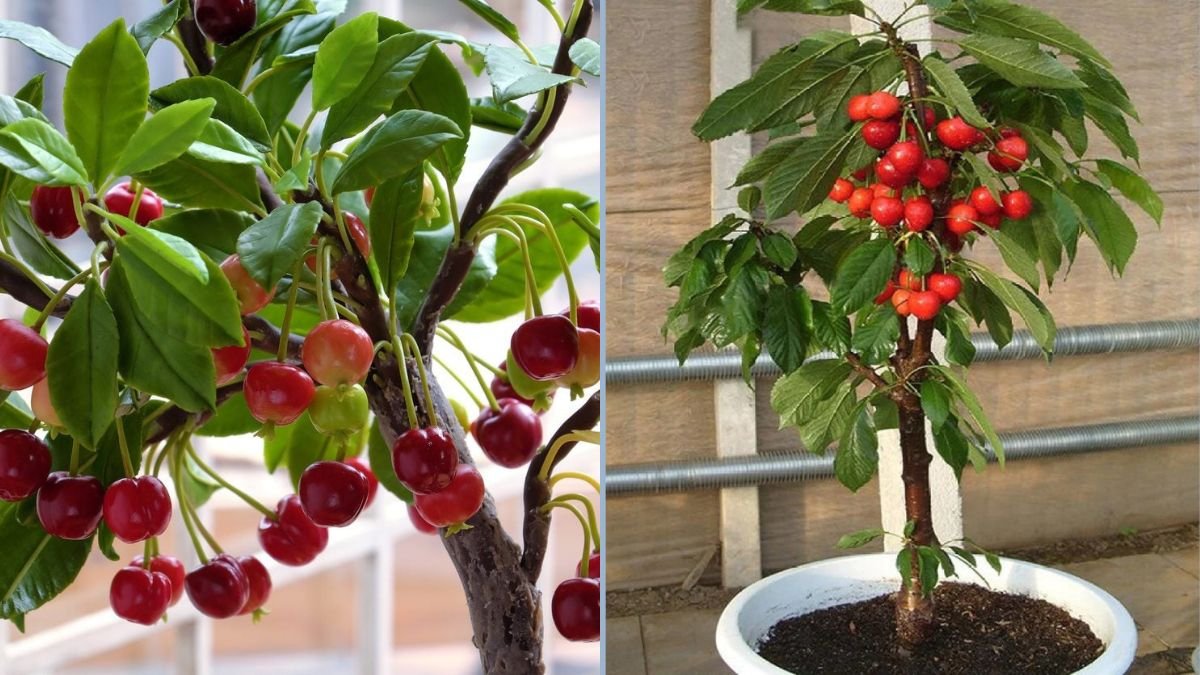
Cherry trees are one of the most rewarding fruit trees to grow at home. Their vibrant blossoms, lush foliage, and sweet, juicy fruits make them a stunning addition to any garden, balcony, or terrace. But what if you don’t have a traditional garden? Good news: you can grow cherry trees in containers and still enjoy bountiful harvests!
Container gardening not only saves space but also allows you to control soil quality, sunlight exposure, and watering, all of which are crucial for producing more fruit. In this guide, we’ll explore everything you need to know to grow cherry trees in containers, from choosing the right variety to maximizing fruit production.
1. Why Grow Cherry Trees in Containers?
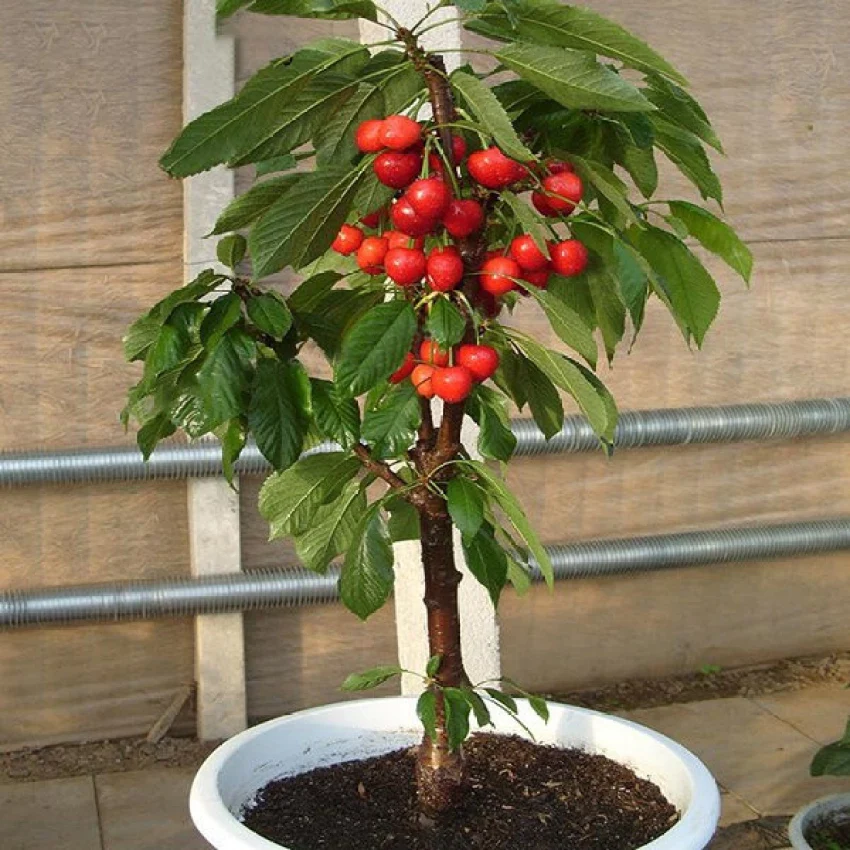
Growing cherry trees in pots has several advantages:
- Space-saving: Ideal for patios, balconies, or small terraces.
- Soil control: You can provide the perfect acidic, well-drained soil for healthy growth.
- Mobility: Move pots to follow sunlight or protect from harsh weather.
- Disease management: Easier to monitor and reduce soil-borne diseases.
- Aesthetic appeal: Cherry trees in bloom are visually stunning and fragrant.
Container growth allows urban gardeners to enjoy fresh, homegrown cherries even without a backyard.
2. Choosing the Right Cherry Tree Variety
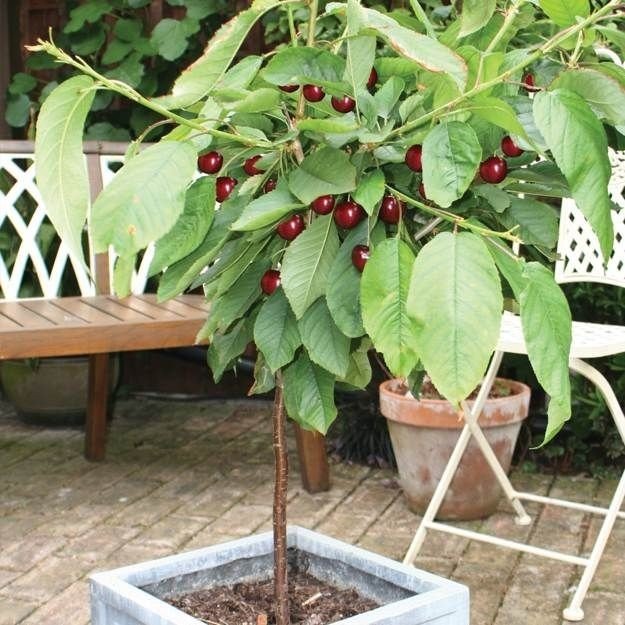
Selecting the right variety is critical for container success. Dwarf or semi-dwarf cherry trees are the best option because they stay small, produce earlier, and adapt well to pots.
Recommended cherry tree varieties for containers:
- Dwarf Sweet Cherry: Examples include Stella and Compact Stella. These produce sweet, juicy cherries and stay compact.
- Dwarf Sour Cherry: Examples include North Star and Meteor. Great for pies, preserves, and ornamental blooms.
- Self-pollinating varieties: Ideal for single-container growth, as they don’t require another tree for fruit set.
💡 Tip: Even self-pollinating varieties produce more fruit if planted near another compatible cherry tree.
3. Choosing the Right Container
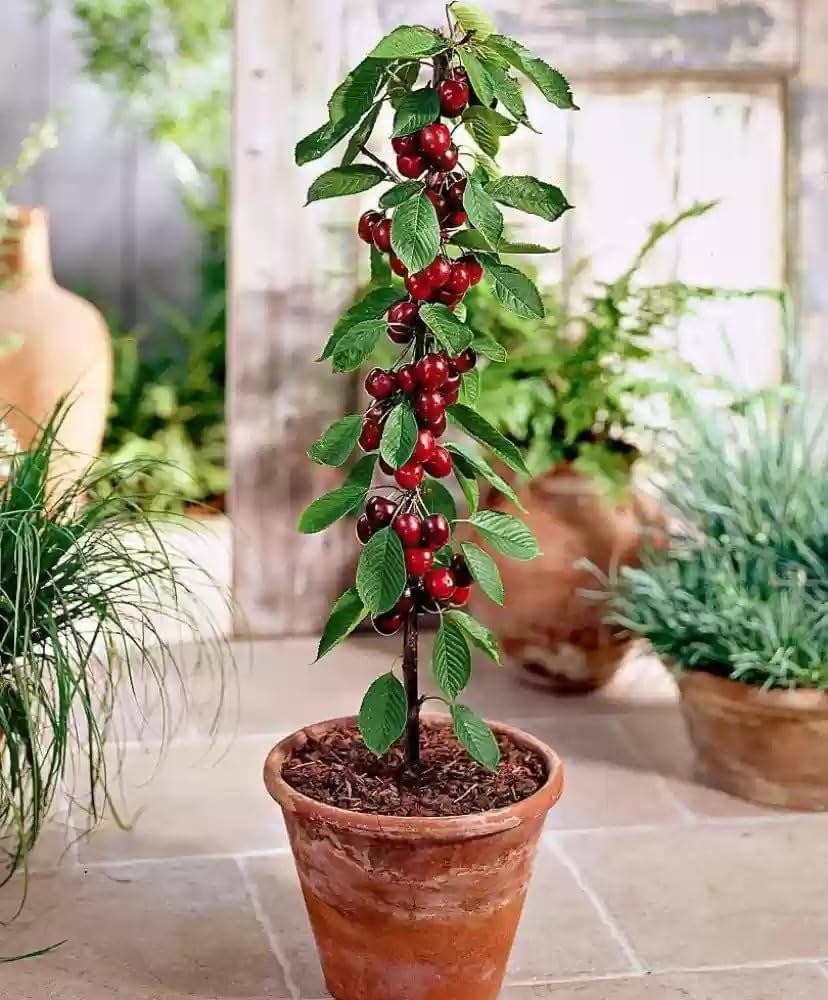
Cherry trees have strong root systems that need space to grow. Choosing a proper container ensures healthy roots, adequate drainage, and optimal growth.
Container requirements:
- Size: Minimum 18–24 inches deep and 18–24 inches wide for dwarf varieties.
- Material: Plastic, ceramic, or wooden barrels. Avoid metal pots that overheat roots.
- Drainage: At least 4–6 drainage holes to prevent waterlogging.
- Mobility: If possible, use a pot with wheels or place it on a rolling stand to move for sunlight or frost protection.
Larger pots allow the roots to spread, reduce stress, and increase fruit production over time.
4. Soil Requirements for Cherry Trees
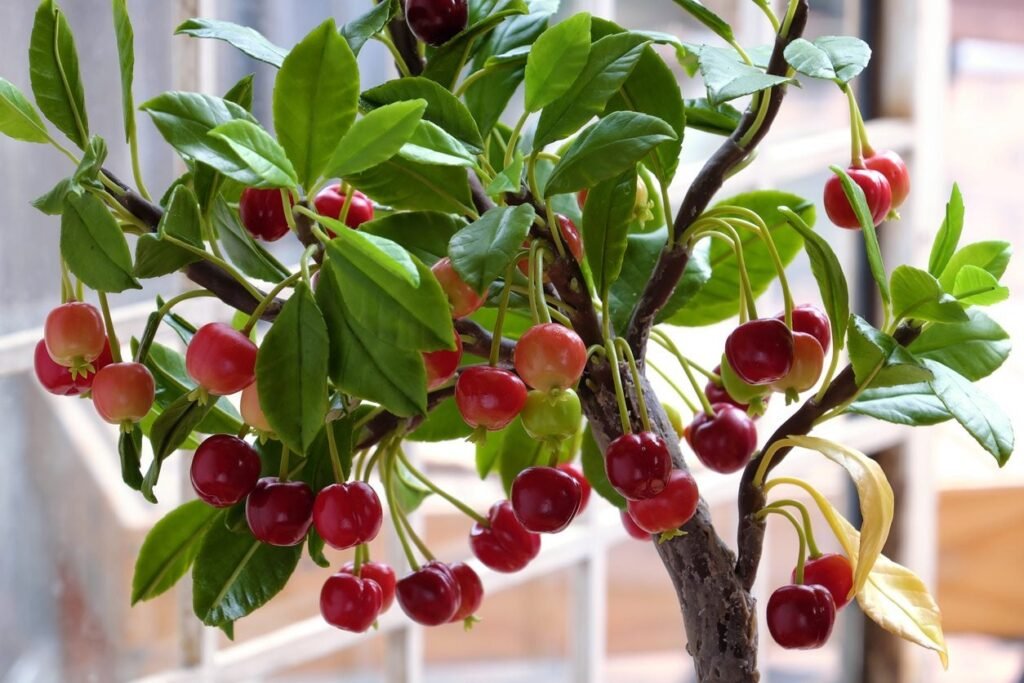
Cherry trees thrive in well-draining, fertile soil with slightly acidic to neutral pH (5.8–6.8). Container soil needs to mimic these conditions while retaining moisture without becoming soggy.
Ideal soil mix for container cherry trees:
- 40% high-quality potting soil
- 30% compost or well-rotted manure
- 20% coco peat or peat moss (for moisture retention)
- 10% perlite or coarse sand (for aeration and drainage)
💡 Tip: Avoid garden soil alone — it can compact in pots and suffocate roots.
5. Planting Cherry Trees in Containers
Planting correctly is crucial for long-term success and fruit production.
Step-by-step planting guide:
- Prepare the pot: Fill the container one-third full with your soil mix.
- Position the tree: Place the cherry tree in the center, ensuring the root crown sits slightly above soil level.
- Backfill: Add soil around roots, gently pressing to remove air pockets.
- Water thoroughly: Moisten the soil evenly to help roots settle.
- Mulch: Apply a 2–3 inch layer of straw, pine bark, or wood chips to conserve moisture and reduce weeds.
💡 Tip: Avoid burying the crown too deeply — this can cause root rot.
6. Light and Temperature Requirements
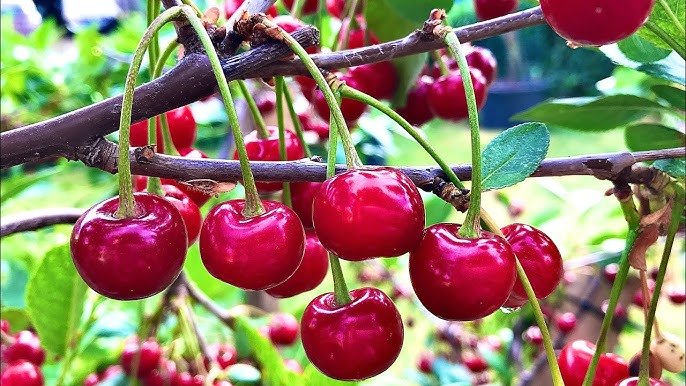
Cherry trees need plenty of sunlight to flower and produce fruit.
Optimal conditions:
- Sunlight: Minimum 6–8 hours of direct sunlight per day.
- Temperature: Thrives in 15–30°C (59–86°F). Protect young trees from frost in early spring.
- Air circulation: Good airflow reduces fungal diseases and promotes healthy growth.
If growing on a balcony, choose a south- or west-facing location for maximum sun exposure.
7. Watering Cherry Trees in Containers
Watering is critical for container cherry trees because pots dry out faster than ground soil.
Watering tips:
- Water deeply once or twice a week, depending on heat and soil moisture.
- Keep soil consistently moist but not waterlogged.
- Mulch helps retain moisture and reduces temperature fluctuations.
- Avoid wetting the foliage to reduce disease risk.
Young trees may need more frequent watering until roots establish.
8. Fertilizing for Maximum Fruit Production
Cherry trees in containers need regular fertilization to support growth and fruiting.
Fertilizer schedule:
- Early spring: Apply a balanced fertilizer (10-10-10 NPK) or organic compost.
- During flowering and fruit set: Use a phosphorus- and potassium-rich fertilizer to encourage blooms and fruit development.
- Mid-summer: Feed again lightly to support fruit ripening.
Organic options:
- Vermicompost
- Banana peel compost (for potassium)
- Fish emulsion or seaweed extract
💡 Tip: Avoid over-fertilization — too much nitrogen leads to leafy growth with fewer fruits.
9. Pruning and Maintenance
Pruning is key for container-grown cherry trees to encourage airflow, reduce disease, and increase fruit production.
Pruning tips:
- Remove dead, weak, or crossing branches annually.
- Shape the tree to maintain a compact, manageable size for container growth.
- After fruiting, cut back older wood to encourage new, productive shoots.
Proper pruning also makes harvesting easier and ensures more sunlight reaches the inner branches.
10. Pollination Tips
Even self-pollinating cherry trees produce more fruit with pollinators.
- Encourage bees and butterflies by planting companion flowers nearby.
- If indoor or balcony-grown, gently shake blossoms or use a soft brush to transfer pollen.
- Planting two compatible cherry trees nearby can improve fruit set.
Pollination directly affects fruit quantity and size, so don’t skip this step.
11. Supporting the Tree
Container-grown cherry trees may need extra support for heavy fruit-laden branches.
Support options:
- Use stakes or trellises to prevent bending or breakage.
- Tie young branches loosely to allow vertical growth.
- Ensure supports don’t restrict natural growth or damage the bark.
Proper support encourages healthier fruit development and prevents accidental breakage.
12. Pest and Disease Management
Container cherry trees are less prone to pests than garden-grown trees, but vigilance is essential.
Common issues:
- Aphids or spider mites: Spray neem oil solution every 10–15 days.
- Powdery mildew: Ensure good airflow and avoid overhead watering.
- Fruit flies or birds: Use netting or covers when cherries ripen.
Healthy soil, sunlight, and pruning reduce susceptibility to disease.
13. Harvesting Cherries
Cherry trees typically bear fruit 2–3 years after planting in containers.
Harvesting tips:
- Wait until cherries are fully colored (red, black, or yellow depending on the variety).
- Taste-test to ensure sweetness.
- Gently pull the fruit — ripe cherries detach easily.
- Harvest every few days to encourage more fruiting.
With proper care, a single dwarf cherry tree can yield 10–15 pounds (4–7 kg) of fruit annually in a container.
14. Winter Care for Container Cherry Trees
Container trees are more exposed to temperature extremes than ground-planted trees.
Winter protection tips:
- Move pots to a sheltered spot during frost.
- Wrap the container with burlap or bubble wrap to protect roots.
- Reduce watering during dormancy.
- Prune lightly before dormancy to prepare for spring growth.
Proper winter care ensures strong growth and fruiting in the next season.
15. Maximizing Fruit Production
To increase yield in container-grown cherry trees:
- Ensure full sun exposure.
- Provide consistent watering and proper fertilization.
- Prune correctly to maintain a compact, productive shape.
- Encourage pollinators or hand-pollinate if necessary.
- Avoid over-fertilizing with nitrogen — focus on potassium and phosphorus during flowering.
With patience and proper care, your container cherry tree can be highly productive, even in limited space.
16. Final Thoughts: Enjoying Cherries from Your Container Orchard
Growing cherry trees in containers is a rewarding way to enjoy fresh, homegrown fruit without a large garden. By choosing the right variety, preparing excellent soil, providing sunlight, proper care, and supporting pollination, you can enjoy sweet, juicy cherries from your balcony or patio.
Even small spaces can become a productive backyard orchard, providing beauty, fragrance, and delicious harvests season after season. With dedication, your container cherry tree can thrive for many years, giving you the joy of fresh cherries right at home.