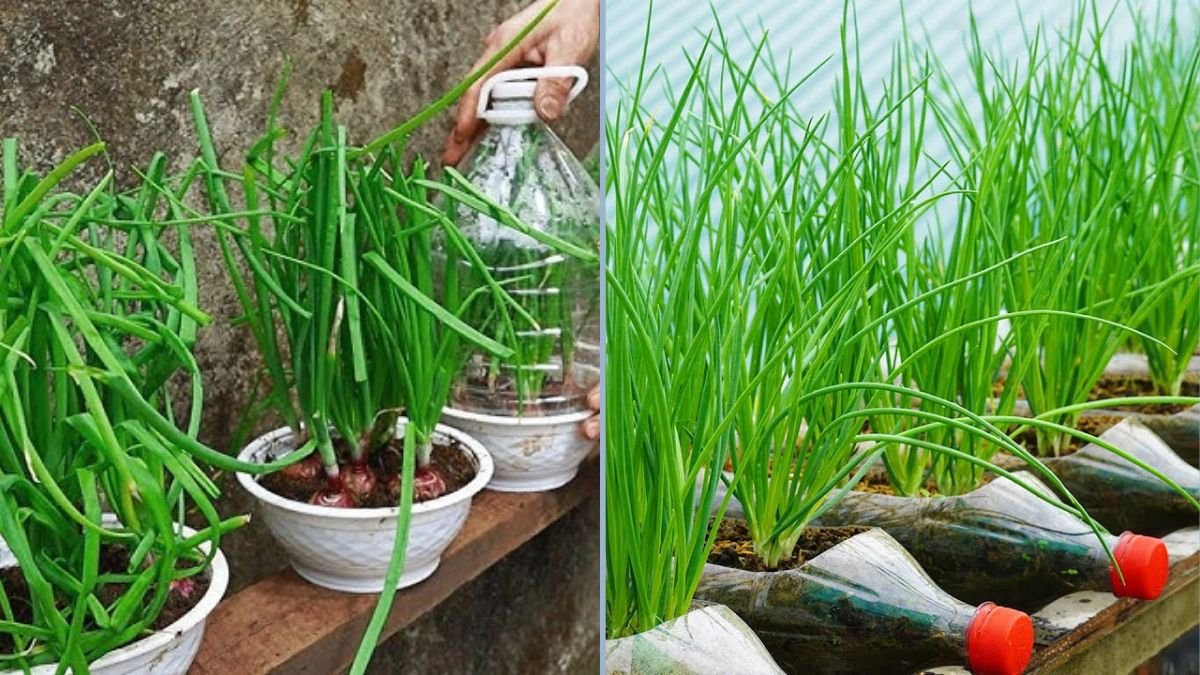
Onions are a staple in kitchens worldwide. From soups and stews to salads, stir-fries, and sauces, they add flavor, aroma, and nutrition to countless dishes. But buying onions repeatedly can be costly, and storing them can be tricky. Imagine if you could grow your own onions at home, even in small spaces, using recycled plastic bottles!
Inspired by the YouTube video “How to Grow Onions in Plastic Bottles,” this blog post will guide you through step-by-step instructions for creating a simple, productive, and eco-friendly onion garden using plastic bottles. By the end, you’ll know how to grow healthy onions at home, saving money while enjoying fresh, homegrown produce.
Why Grow Onions at Home?
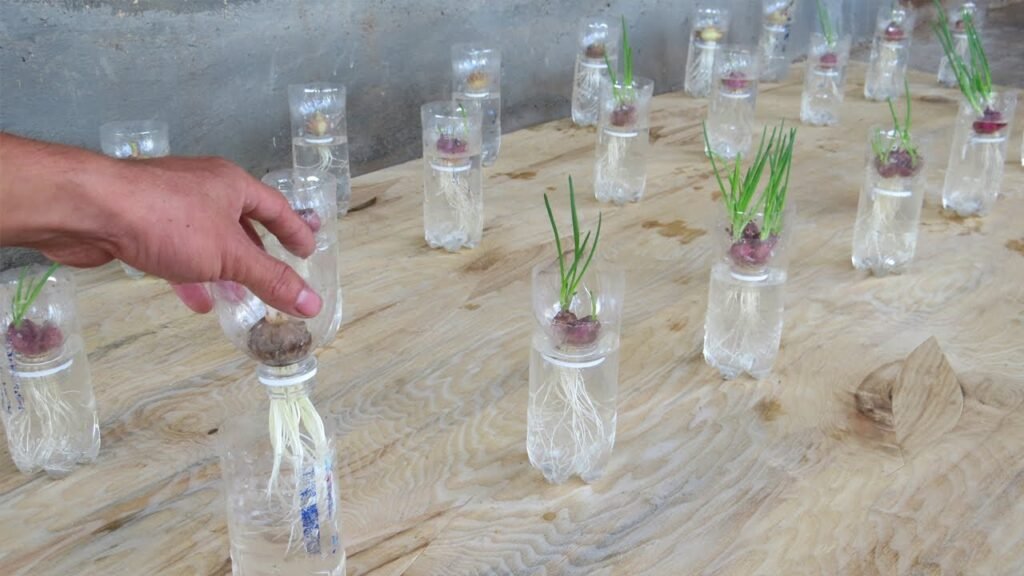
Onions are easy to grow, versatile, and highly beneficial. Here’s why you should consider growing them yourself:
- Cost-effective: Onions from stores may spoil over time, but homegrown onions provide a continuous supply.
- Fresh and chemical-free: You control what goes into your plants, avoiding pesticides and harmful chemicals.
- Sustainable gardening: Using plastic bottles reduces waste and supports eco-friendly practices.
- Space-saving: Perfect for apartments, balconies, or small urban gardens.
- Multiple harvests: With proper care, you can regrow onions from cuttings or bulbs, maximizing yield.
Growing onions at home also gives you the satisfaction of harvesting your own fresh ingredients, which enhances both flavor and nutrition in your meals.
Understanding Onion Growth
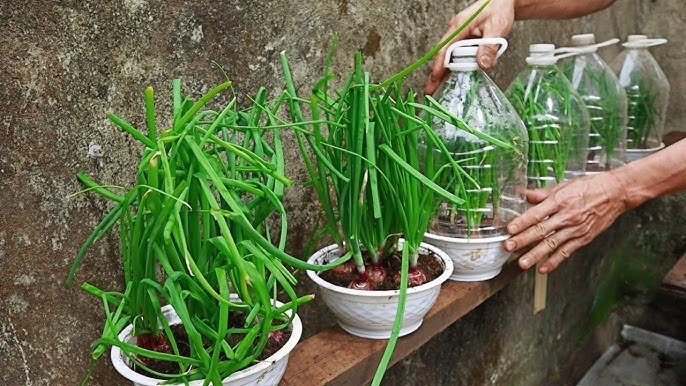
Onions are part of the Allium family, along with garlic, leeks, and chives. They grow from bulbs or sets and develop green shoots above ground.
Key Features:
- Bulbs: The round, edible base that stores nutrients.
- Green shoots: Edible, mild in flavor, and can be used like spring onions.
- Sunlight: 4–6 hours of direct sunlight daily.
- Watering: Keep soil consistently moist but not waterlogged.
- Harvest time: Green shoots are ready in 3–4 weeks; bulbs mature in 2–3 months depending on variety.
Onions are hardy and adapt well to container gardening, making them ideal for plastic bottle planters.
Materials You’ll Need
Growing onions in plastic bottles is inexpensive and beginner-friendly. Gather the following items:
- Plastic bottles (1.5–2 liters) – clean and empty
- Onion bulbs or kitchen scraps – white or red onions work best
- Potting soil or garden soil – well-draining and nutrient-rich
- Watering can or spray bottle
- Scissors or knife – for cutting the bottles
- Optional: Small stones for drainage
This setup is recyclable, space-saving, and beginner-friendly, allowing anyone to start a mini onion garden at home.
Step 1: Prepare the Plastic Bottles
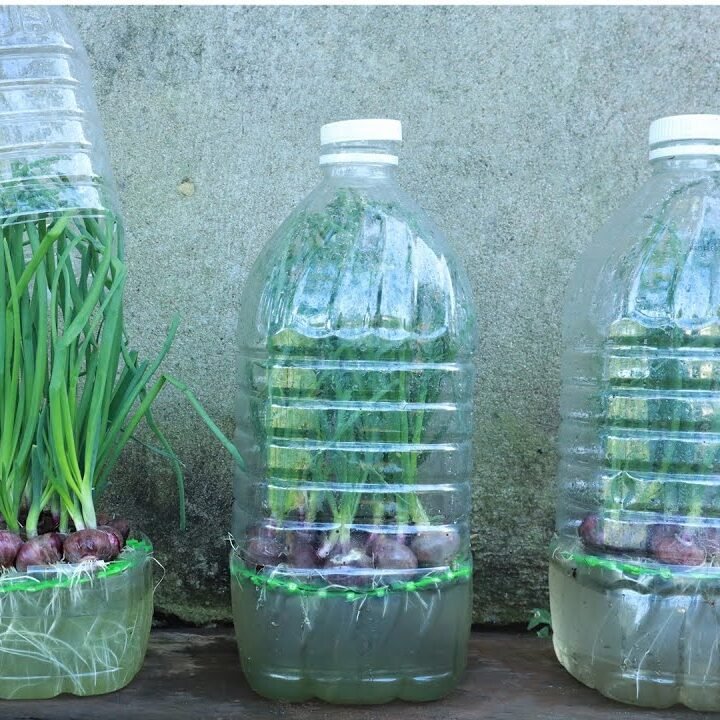
- Clean the bottle thoroughly to remove residues.
- Cut the bottle horizontally about one-third from the top.
- The top part will hold soil and onion bulbs.
- The bottom part will act as a water reservoir or simply catch excess water.
- Poke small drainage holes in the bottom of the top section to prevent waterlogging.
Optional: Add a layer of small stones or pebbles at the bottom for better drainage. This setup prevents root rot and encourages healthy growth.
Step 2: Prepare the Soil
Onions thrive in loose, fertile, well-draining soil:
- Mix garden soil with compost or organic fertilizer for added nutrients.
- Fill the top section of the bottle about two-thirds full.
- Moisten the soil lightly before planting.
Good soil ensures strong root development, leading to healthier bulbs and green shoots.
Step 3: Plant the Onions
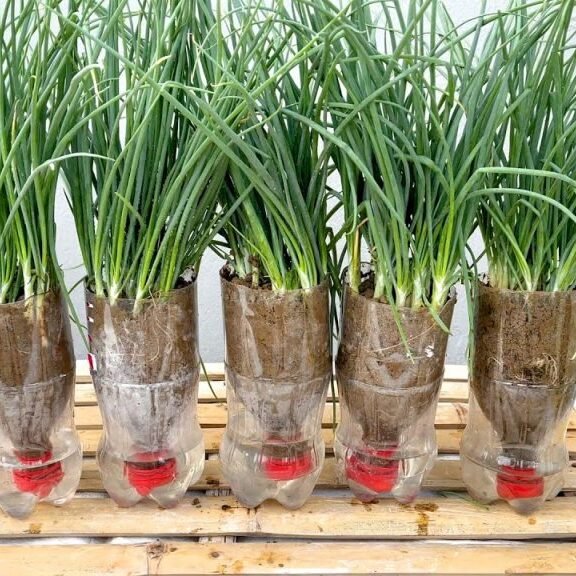
You can grow onions from bulbs, sets, or even kitchen scraps:
From Onion Bulbs or Sets:
- Place each bulb on the soil surface with the root side down.
- Cover lightly with 1–2 cm of soil, leaving the top exposed.
- Space bulbs about 2–3 inches apart to allow proper growth.
From Kitchen Scraps:
- Save the bottom root ends of used onions.
- Place root ends in soil with the top slightly exposed.
- Water gently and watch new shoots grow in a few days.
Both methods allow for multiple harvests — green shoots can be trimmed continuously, while bulbs grow over several weeks.
Step 4: Provide Proper Sunlight
Onions need bright, indirect to full sunlight:
- Place your bottles on a windowsill, balcony, or rooftop where they receive 4–6 hours of light daily.
- If indoors with limited sunlight, consider using a small grow light to supplement.
Adequate sunlight ensures strong green shoots and encourages bulb development.
Step 5: Watering Your Onion Garden
Proper watering is crucial for onion growth:
- Water the soil gently, keeping it consistently moist but not soggy.
- Avoid letting the soil dry out completely.
- If using a self-watering setup, ensure the bottom reservoir has water and the soil wick absorbs moisture evenly.
Consistent moisture prevents stress, promotes healthy growth, and reduces the risk of bulb splitting.
Step 6: Fertilizing for High Yield
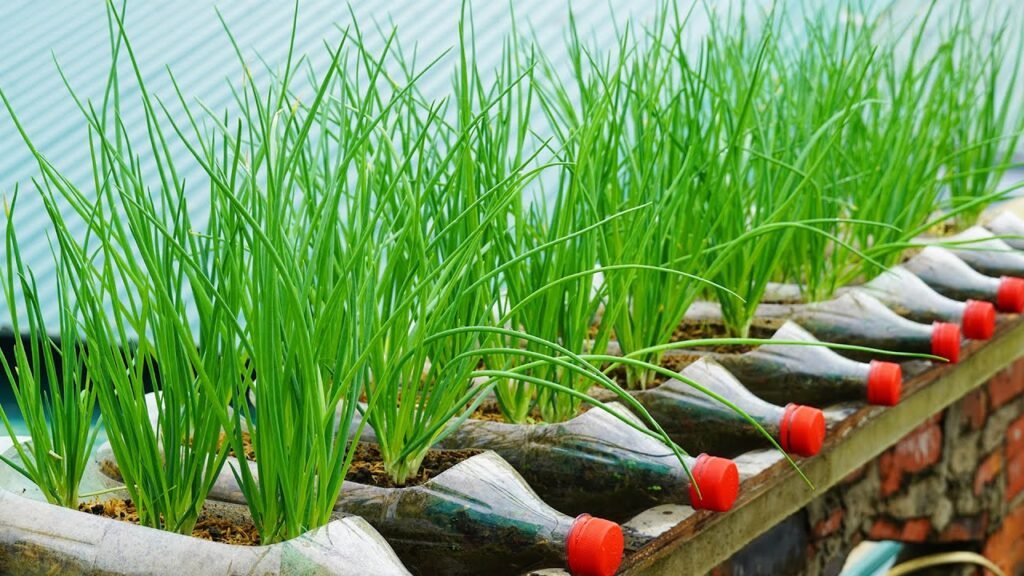
While onions are hardy, fertilization improves both bulb size and green shoot growth:
- Use organic fertilizers like compost or fish emulsion every 2–3 weeks.
- Avoid over-fertilizing with nitrogen, as this encourages leaf growth at the expense of bulbs.
- Balanced fertilization ensures robust plants and multiple harvests.
Step 7: Harvesting Onions
Onions can be harvested at two stages:
- Green shoots:
- Ready in 3–4 weeks.
- Use scissors to trim above the soil line.
- Leaves will regrow for multiple harvests.
- Mature bulbs:
- Typically take 2–3 months to develop.
- Pull out the entire bulb when the outer layers are dry and papery.
- Dry the bulbs in a ventilated area before storing.
By harvesting green shoots first, you can enjoy onions while waiting for bulbs to mature, maximizing yield.
Tips for Success
- Rotate bottles occasionally for even sunlight exposure.
- Thin overcrowded bulbs to avoid competition for nutrients.
- Avoid overwatering — drainage holes are essential.
- Harvest leaves regularly to stimulate new growth.
- Use quality soil and compost for healthy, productive plants.
With these tips, your bottle onions will thrive and provide fresh ingredients for months.
Common Problems and Solutions
| Problem | Cause | Solution |
|---|---|---|
| Yellowing leaves | Overwatering, nutrient deficiency | Adjust watering, add compost/fertilizer |
| Slow growth | Insufficient sunlight | Move bottles to sunnier location |
| Moldy soil | Poor drainage | Ensure drainage holes, avoid standing water |
| Sparse bulbs | Overcrowding | Thin plants for more space |
Most issues are easily solved by adjusting sunlight, water, and soil quality.
Using Homegrown Onions in the Kitchen
Homegrown onions are versatile and enhance many dishes:
- Green shoots: Add fresh to salads, omelets, soups, or as garnish.
- Mature bulbs: Use for cooking in stews, curries, stir-fries, roasted dishes, or pickles.
- Continuous harvest: Trim green shoots while bulbs mature for a dual harvest.
The flavor of fresh onions is more aromatic and tender than store-bought ones, making meals more flavorful and nutritious.
Environmental Benefits
Growing onions in plastic bottles is eco-friendly and sustainable:
- Recycles plastic bottles — reducing waste.
- Minimizes water use compared to traditional gardening.
- Encourages urban gardening — perfect for small spaces.
- Reduces food miles — grow onions at home instead of buying from stores.
This method demonstrates how small, creative gardening practices can benefit both your kitchen and the environment.
Final Thoughts
Growing onions in plastic bottles is simple, cost-effective, and highly productive. With minimal materials, space, and care, you can enjoy fresh green shoots, tender onions, and multiple harvests throughout the season.
This method is ideal for:
- Apartment dwellers with limited gardening space.
- Beginners looking for a low-maintenance gardening project.
- Families wanting fresh, organic ingredients at home.
- Gardeners who want to reuse materials sustainably.
By repurposing plastic bottles and using a few simple gardening techniques, you can turn waste into food while enjoying healthy, flavorful onions right from your home.
Start your bottle onion garden today and experience the joy of harvesting your own fresh, homegrown produce!