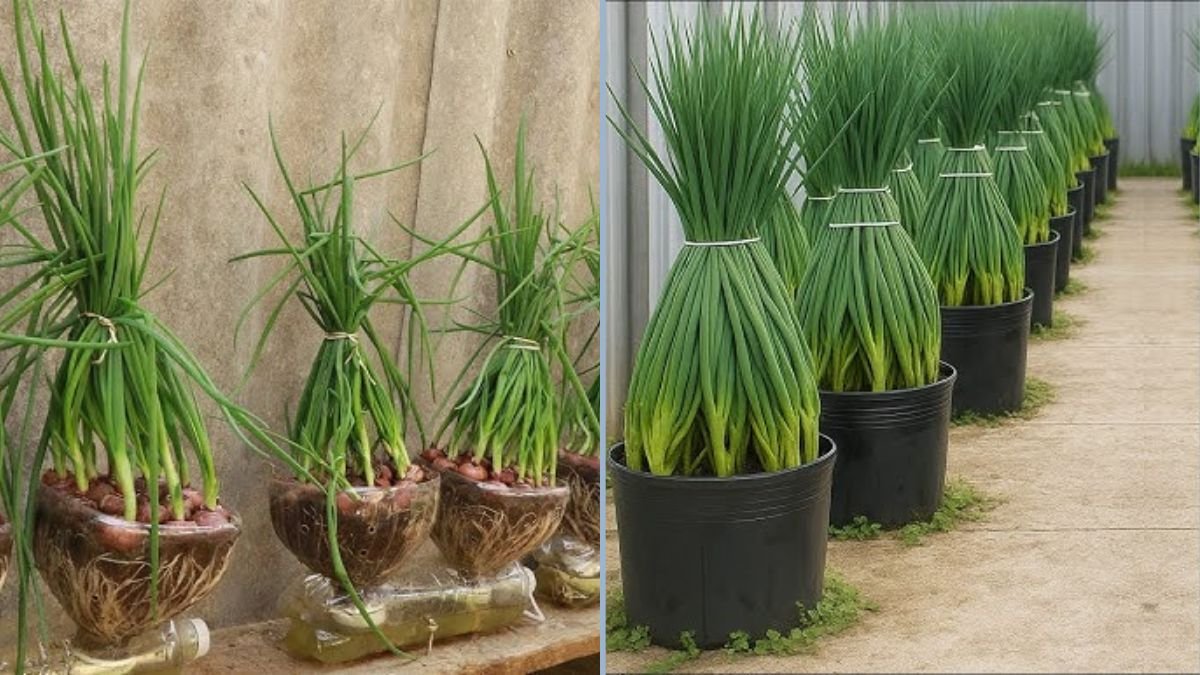
Green onions, also known as scallions or spring onions, are a kitchen favorite. Their mild, fresh flavor enhances soups, salads, stir-fries, and garnishes. But instead of buying them repeatedly from the store, why not grow your own at home? Even better, you can reuse plastic cans to create a sustainable, space-saving container garden that allows you to harvest multiple times.
Inspired by the YouTube video “How to Recycle Plastic Cans to Grow Green Onions, Harvest Many Times,” this blog will walk you through a step-by-step guide to grow green onions efficiently, sustainably, and repeatedly using recycled materials.
Whether you live in an apartment, a house with a small yard, or even just a balcony, this method will help you enjoy fresh, organic green onions year-round.
Why Grow Green Onions at Home?
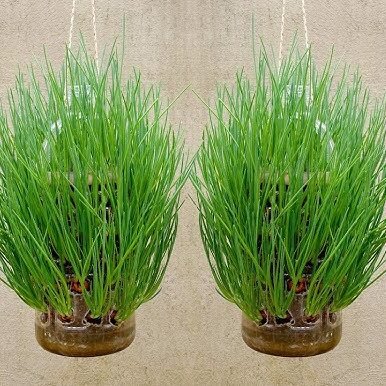
Green onions are fast-growing, low-maintenance, and incredibly versatile. Growing them at home comes with several benefits:
- Cost-effective: One batch of onions can provide multiple harvests.
- Sustainable: Reduces plastic waste by reusing containers.
- Fresh and chemical-free: No pesticides or synthetic fertilizers.
- Convenient: Ready for cooking whenever you need them.
- Educational and fun: Great for kids and beginners to learn about gardening.
Instead of tossing plastic cans into the trash, you can repurpose them into productive mini gardens that save money and space.
Understanding Green Onions
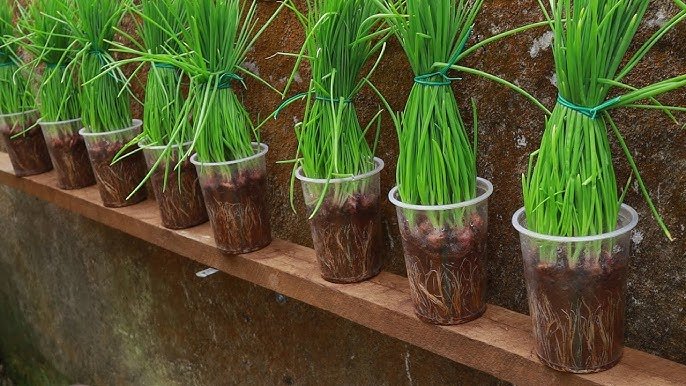
Green onions are part of the Allium family, which includes garlic, leeks, and chives. The plant has a white bulb at the base and green leafy stalks. Both parts are edible and nutritious.
Key Features:
- Growth habit: Fast-growing, upright stems
- Harvest time: 2–3 weeks for first harvest
- Sunlight: 4–6 hours of direct sunlight per day
- Water: Keep soil moist but not waterlogged
- Harvest: Trim leaves from the top without uprooting the base
Green onions can regrow multiple times from the same base if cared for properly, making them perfect for continuous home harvesting.
Materials You’ll Need
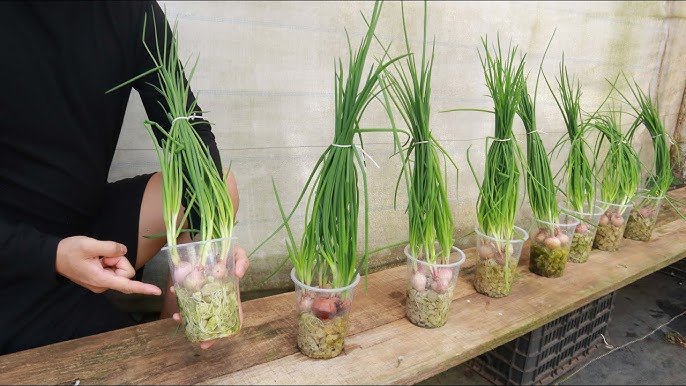
To grow green onions in recycled plastic cans, gather the following:
- Plastic cans or containers: Cleaned and repurposed (coffee cans, powdered milk cans, or similar)
- Green onion bulbs or kitchen scraps: The white root ends work perfectly
- Potting soil or garden soil: Well-draining and nutrient-rich
- Watering can or spray bottle
- Scissors or small knife
- Optional: Small stones or pebbles for drainage
This project requires minimal investment and makes use of materials you already have at home.
Step 1: Prepare the Plastic Cans
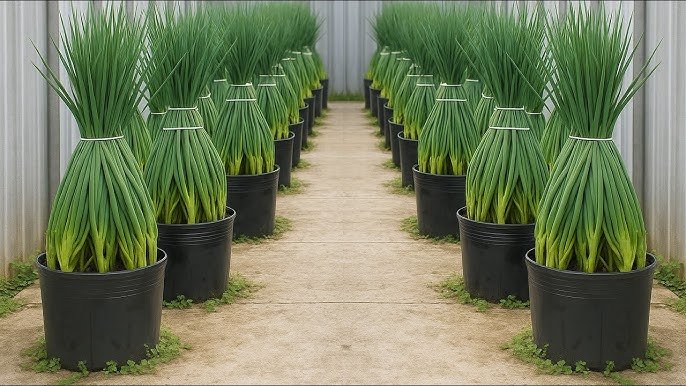
- Clean the cans thoroughly to remove any residues.
- Make drainage holes at the bottom of the cans using a nail or screwdriver. This prevents waterlogging and root rot.
- Optionally, add a layer of small stones or pebbles at the bottom to improve drainage further.
By recycling the cans, you are not only reducing waste but also creating durable mini planters that can last for years.
Step 2: Prepare the Soil
Green onions grow best in loose, nutrient-rich soil that drains well.
- Mix garden soil with compost or organic fertilizer for extra nutrients.
- Fill the can about two-thirds full with the prepared soil.
- Moisten the soil lightly before planting.
Good soil ensures that your green onions grow fast, healthy, and strong, producing multiple harvests.
Step 3: Planting Green Onions
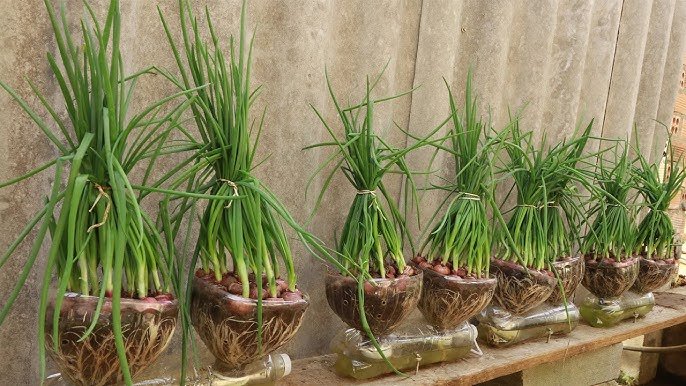
You can grow green onions from:
- Bulbs purchased from a store
- Kitchen scraps — the white root ends of previously used onions
Steps:
- Trim the green stalks to about 2–3 inches if reusing scraps.
- Plant the root ends 1–2 inches deep into the soil, keeping the roots covered but the tops exposed.
- Space multiple onions about 2–3 inches apart in the same can.
This method is perfect for continuous harvesting, as the plants will regrow from the roots even after trimming.
Step 4: Provide Proper Sunlight
Green onions thrive in moderate to full sunlight:
- Place your cans on a balcony, windowsill, or rooftop where they get at least 4–6 hours of sunlight daily.
- If indoors, consider placing the cans near a south-facing window or using a grow light for supplemental lighting.
Sunlight is essential for healthy leaf growth and strong, green stems.
Step 5: Watering Your Green Onions
Green onions prefer consistently moist soil but not soggy conditions.
- Water gently using a watering can or spray bottle.
- Ensure that the water drains freely through the holes in the can.
- Avoid overwatering, which can cause root rot or mold.
Keeping a proper moisture level encourages fast regrowth, allowing multiple harvests from the same plant.
Step 6: Fertilizing for High Yield
While green onions can grow with minimal care, a little organic fertilizer or compost tea can boost growth:
- Apply once every 2–3 weeks for ongoing nutrition.
- Use balanced fertilizers low in nitrogen but rich in potassium and phosphorus for strong root and leaf growth.
This step ensures your onions remain green, plump, and productive over several harvest cycles.
Step 7: Harvesting Green Onions
One of the best things about growing green onions in cans is that you can harvest multiple times.
- Use scissors to trim the green stalks about 1–2 inches above the soil.
- The roots remain in the soil, ready to produce new growth.
- Harvest leaves as needed — you don’t need to remove the entire plant.
You’ll usually see new shoots regrow within 7–10 days, giving you a continuous supply of fresh green onions.
Tips for Maximum Yield
- Harvest regularly: Cutting leaves stimulates regrowth.
- Rotate containers occasionally: Ensures even sunlight exposure.
- Keep soil fertile: Top up with compost or fertilizer for multiple harvests.
- Thin overcrowded plants: Gives remaining onions space to grow stronger.
- Use proper drainage: Prevents waterlogging and supports healthy roots.
With these tips, a single plastic can could produce green onions for months, making it a high-yield, low-effort gardening solution.
Common Problems and Solutions
| Problem | Cause | Solution |
|---|---|---|
| Yellowing leaves | Overwatering or nutrient deficiency | Reduce watering, add compost or mild fertilizer |
| Slow growth | Insufficient sunlight | Move cans to a sunnier spot or use grow lights |
| Mold or fungus | Poor drainage or overwatering | Ensure holes are clear, reduce watering, improve airflow |
| Wilting | Underwatering | Increase watering frequency, keep soil moist |
Most issues are easy to correct with attention to sunlight, water, and soil quality.
Using Green Onions in the Kitchen
Green onions are versatile and enhance many dishes:
- Stir-fries: Add chopped green onions at the end for flavor and color.
- Salads: Toss raw green onions with vegetables and dressings.
- Soups and broths: Sprinkle fresh green onions as garnish.
- Omelets and scrambled eggs: Mix for extra taste and nutrition.
- Sandwiches and wraps: Add as a crunchy, flavorful layer.
Freshly harvested green onions from your plastic can garden are tastier and more aromatic than store-bought alternatives.
Environmental Benefits
Recycling plastic cans for gardening is not just practical — it’s eco-friendly:
- Reduces plastic waste: Gives single-use cans a second life.
- Saves water: Controlled container gardening uses less water than traditional gardens.
- Promotes sustainable living: Encourages urban gardening and self-sufficiency.
- Reduces food miles: Grow your own instead of buying from stores.
This method demonstrates how recycling and gardening can go hand in hand for a greener lifestyle.
Final Thoughts
Growing green onions in recycled plastic cans is a simple, sustainable, and highly productive way to enjoy fresh, organic vegetables at home. With minimal effort, you can:
- Save money
- Reduce plastic waste
- Harvest multiple times from the same plant
- Enjoy fresh green onions year-round
All it takes is a few recycled cans, soil, and onion roots to create a mini garden that continuously produces crisp, flavorful green onions.
This method proves that urban gardening and sustainability can be easy, practical, and rewarding.
So next time you finish a plastic can, don’t throw it away — turn it into a green onion planter and enjoy fresh, homegrown vegetables every day!