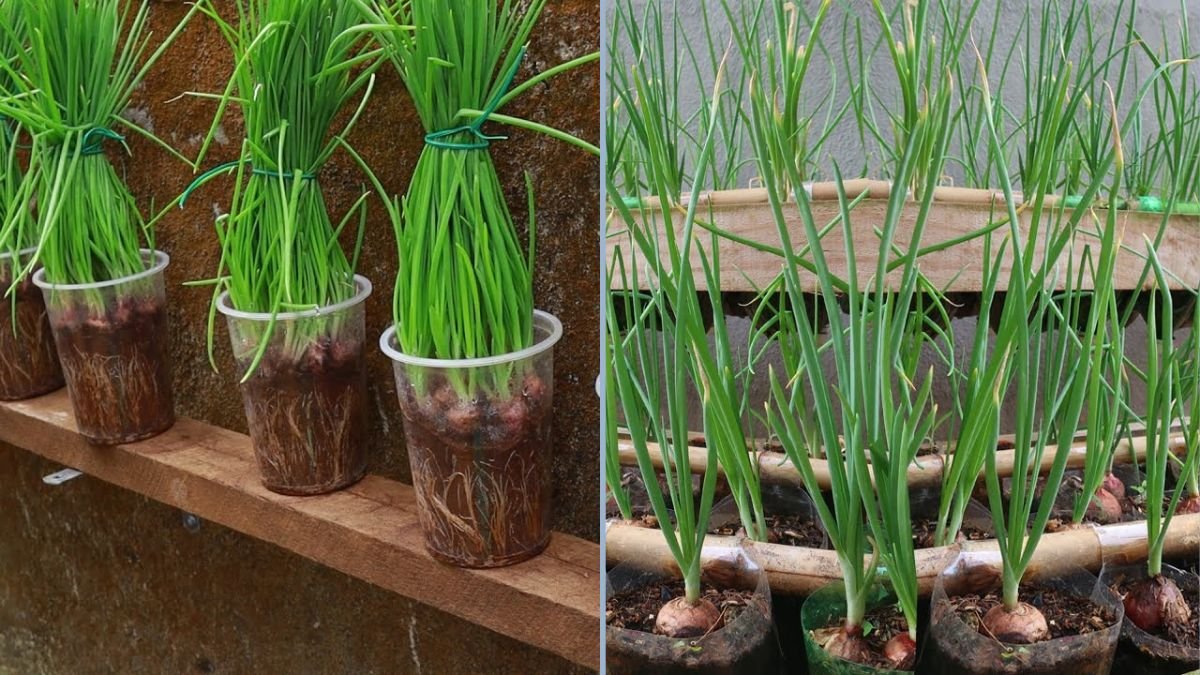
Onions are a staple in kitchens around the world, adding flavor and nutrition to countless dishes. Rich in vitamins C and B6, folate, and antioxidants, onions are as beneficial for health as they are versatile in cooking. While traditional onion farming requires garden beds and ample space, there’s a creative, space-saving alternative: growing onions in a plastic bottle.
This method is perfect for urban gardeners, apartment dwellers, or anyone with limited outdoor space. Plastic bottle gardening is not only eco-friendly but also cost-effective, turning recycled bottles into productive containers. In this blog, we’ll explore how to grow onions in plastic bottles, step by step—from preparing your bottles to planting, caring, and harvesting.
Why Grow Onions in Plastic Bottles?
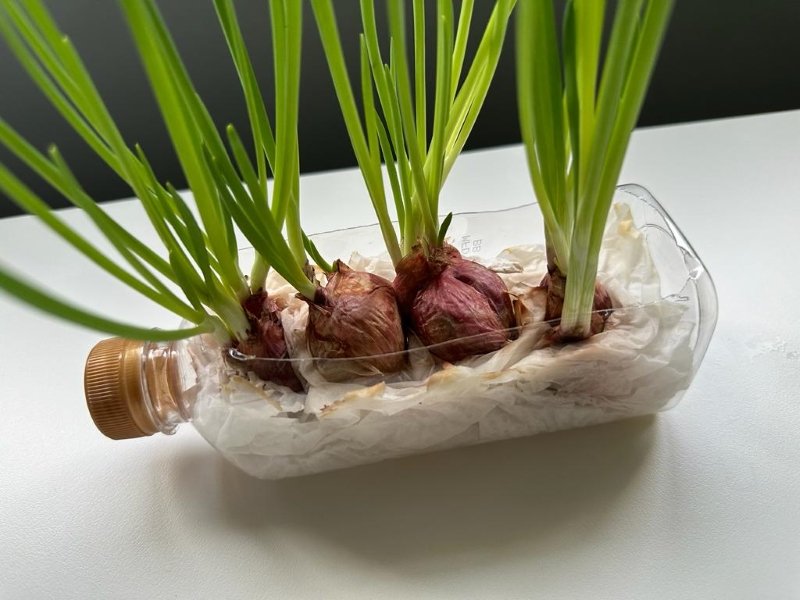
- Space-Efficient: Ideal for balconies, windowsills, and small patios.
- Eco-Friendly: Repurposing plastic bottles reduces waste and promotes sustainability.
- Cost-Effective: No need to invest in expensive pots or garden beds.
- Controlled Growth: Containers allow for better soil management and watering control.
- Accessibility: Easy for beginners and children to grow vegetables at home.
Materials You’ll Need
- Empty plastic bottles (1–2 liters recommended)
- Utility knife or scissors
- Potting soil or compost-rich soil
- Onion seeds or small onion bulbs
- Cotton string or cloth (optional for self-watering setup)
- Small pebbles (optional for drainage)
- Water
Step-by-Step Guide to Growing Onions in a Plastic Bottle
Step 1: Preparing the Bottle
- Wash the plastic bottle thoroughly to remove any residue.
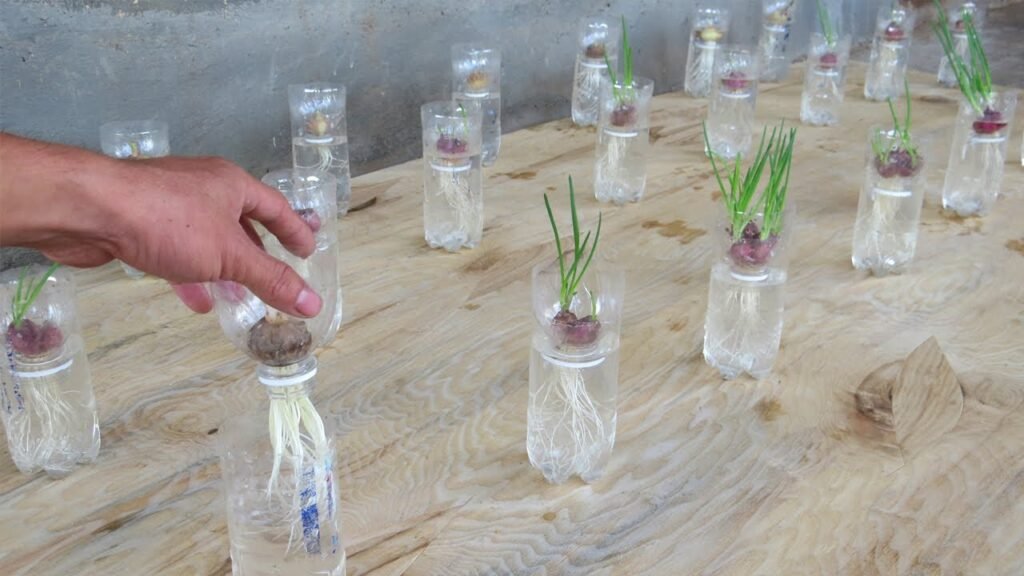
- Cut the bottle horizontally about one-third from the top. The top part will hold the soil and onions, while the bottom will serve as a water reservoir if using a self-watering system.
- Poke small drainage holes at the bottom of the top part to prevent waterlogging.
- Optional: Insert a cotton string through the bottle neck to create a wick system for self-watering.
Step 2: Adding Soil and Drainage
- Optional: Place a thin layer of pebbles at the bottom for better drainage.
- Fill the top part of the bottle with nutrient-rich soil or a mixture of garden soil and compost.
- Leave about an inch from the top for watering and planting bulbs or seeds.
- Ensure the wick or soil touches the water reservoir if using a self-watering system.
Step 3: Planting Onions
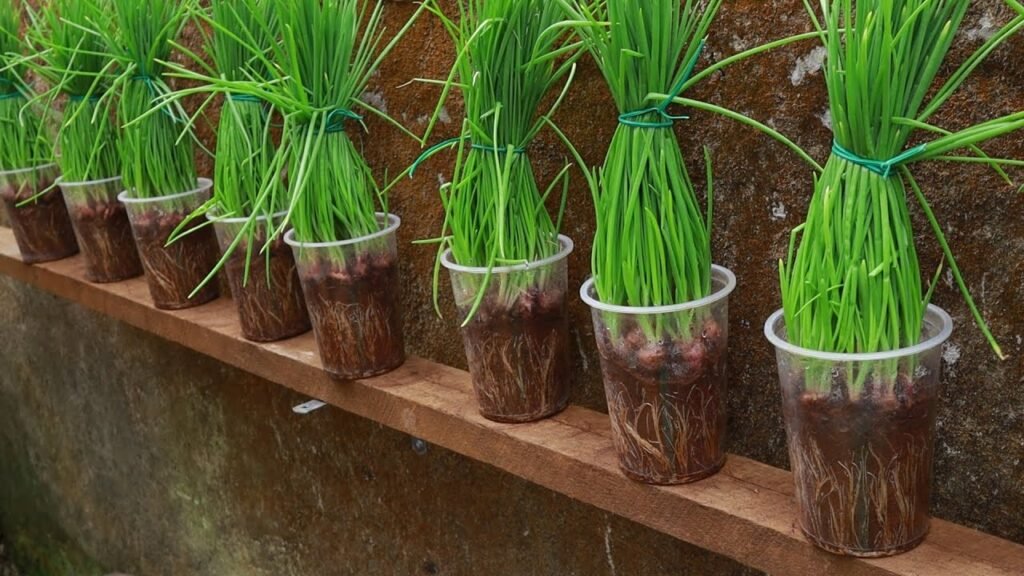
- From Seeds: Sprinkle onion seeds on the soil surface and cover lightly with a thin layer of soil.
- From Bulbs: Plant small onion bulbs with the root side down and the tip slightly above the soil surface.
- Water gently to settle the soil.
Step 4: Setting Up a Self-Watering System (Optional)
- Fill the bottom reservoir with water.
- Make sure the wick or soil contacts the water, allowing gradual moisture absorption.
- Check water levels periodically and refill as needed to keep the soil consistently moist.
Caring for Onions in Plastic Bottles
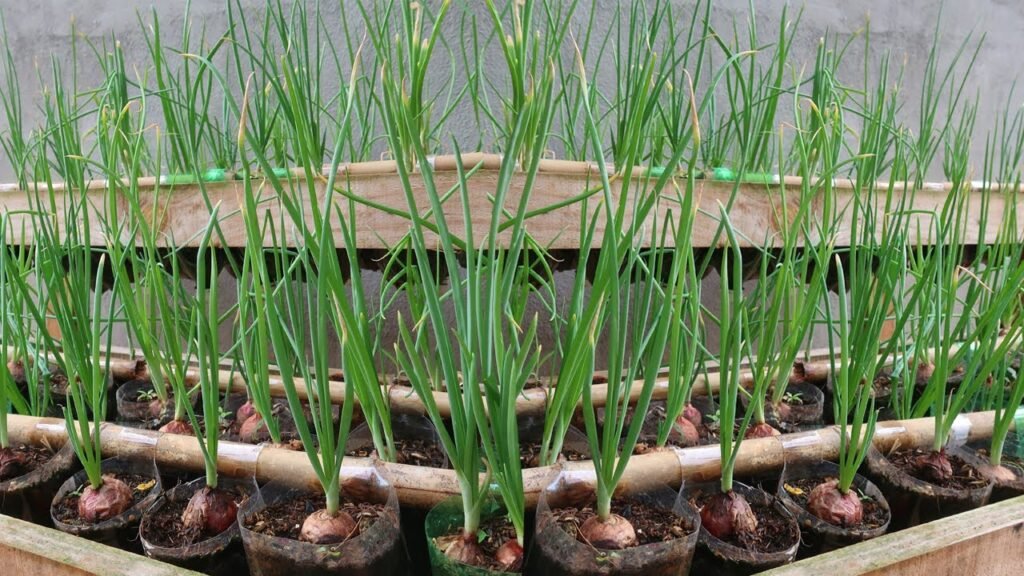
- Sunlight: Place bottles in a location receiving 4–6 hours of sunlight per day. Onions grow best in full sun but tolerate partial shade.
- Watering: Keep the soil evenly moist, especially during hot or dry weather. Self-watering bottles reduce daily watering effort.
- Fertilizing: Apply a balanced liquid fertilizer every 2–3 weeks to support strong root and bulb growth.
- Pruning: Remove yellowing or damaged leaves to encourage healthy growth.
- Pest Control: Onions are generally hardy, but watch for aphids or fungal issues. Use neem oil or mild soap sprays if needed.
Tips to Maximize Yield
- Succession Planting: Plant new onion seeds or bulbs every 3–4 weeks for continuous harvest.
- Rotate Bottles: Rotate the bottles occasionally to ensure all plants get even sunlight.
- Use Loose Soil: Loose, well-draining soil promotes faster root and bulb growth.
- Harvest Outer Leaves: For green onions, snip leaves regularly while leaving the bulbs intact for continuous growth.
- Protect from Extreme Temperatures: Move bottles indoors or to shaded areas during very hot or cold weather.
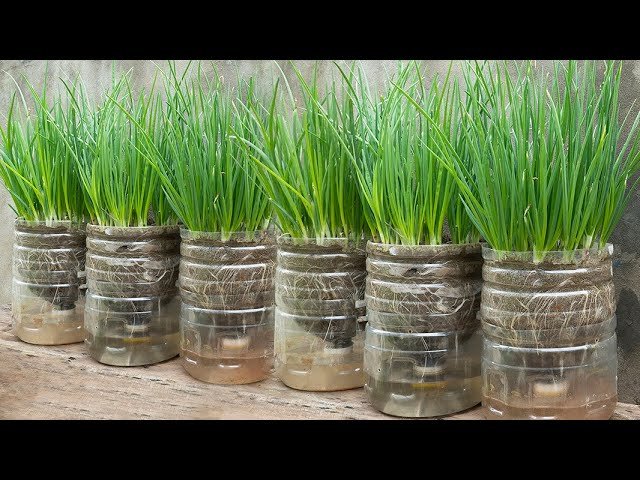
Harvesting Onions
- Green Onions: Snip green leaves once they reach 6–8 inches. The bulbs will continue to grow.
- Bulb Onions: Harvest when the bulbs reach desired size, typically 12–16 weeks after planting.
- Continuous Harvesting: Regularly picking leaves encourages new growth and increases overall yield.
Benefits of Growing Onions in Plastic Bottles
- Fresh and Nutritious: Homegrown onions are fresher, tastier, and more nutrient-rich than store-bought options.
- Quick Growth: Green onions are particularly fast-growing, providing harvests in just a few weeks.
- Eco-Friendly: Reduces plastic waste while encouraging sustainable gardening.
- Space Efficiency: Perfect for urban living or small spaces.
- Low Maintenance: Self-watering bottles simplify daily care and reduce water waste.
Common Mistakes to Avoid
- Overcrowding: Planting too many bulbs or seeds can stunt growth. Thin seedlings as necessary.
- Neglecting Water Levels: Even self-watering systems need monitoring to ensure the reservoir doesn’t dry out.
- Insufficient Sunlight: Lack of light leads to weak, spindly plants.
- Overfertilizing: Too much fertilizer can damage roots and affect taste.
- Ignoring Pests: Inspect plants regularly for aphids or fungal problems and treat promptly.
Tips for Year-Round Onion Gardening
- Indoor Growing: Place bottles near a sunny window or use grow lights to extend the growing season.
- Succession Planting: Sow seeds every 3–4 weeks to maintain a continuous supply.
- Experiment with Varieties: Try different onion varieties for color, flavor, and harvest time.
- Companion Planting: Grow onions alongside other container-friendly vegetables and herbs for a productive garden.
Expanding Your Plastic Bottle Garden
Once you’ve mastered onions in bottles, you can grow other vegetables using the same method:
- Green onions and leeks
- Lettuce and spinach
- Herbs such as basil, cilantro, and parsley
- Radishes and carrots (small varieties)
This system allows for a compact, low-maintenance, and eco-friendly home garden, even in urban settings.
Conclusion
Growing onions in a plastic bottle is a simple, affordable, and space-saving way to cultivate fresh produce at home. This method is perfect for urban gardeners, beginners, or anyone looking to recycle plastic while enjoying nutritious vegetables.
By following the steps outlined—from preparing the bottle and planting seeds or bulbs to maintaining a self-watering system and harvesting—you can enjoy a continuous supply of onions throughout the year.
Start your plastic bottle onion garden today and experience the ease, satisfaction, and sustainability of growing your own fresh produce, even in limited spaces.