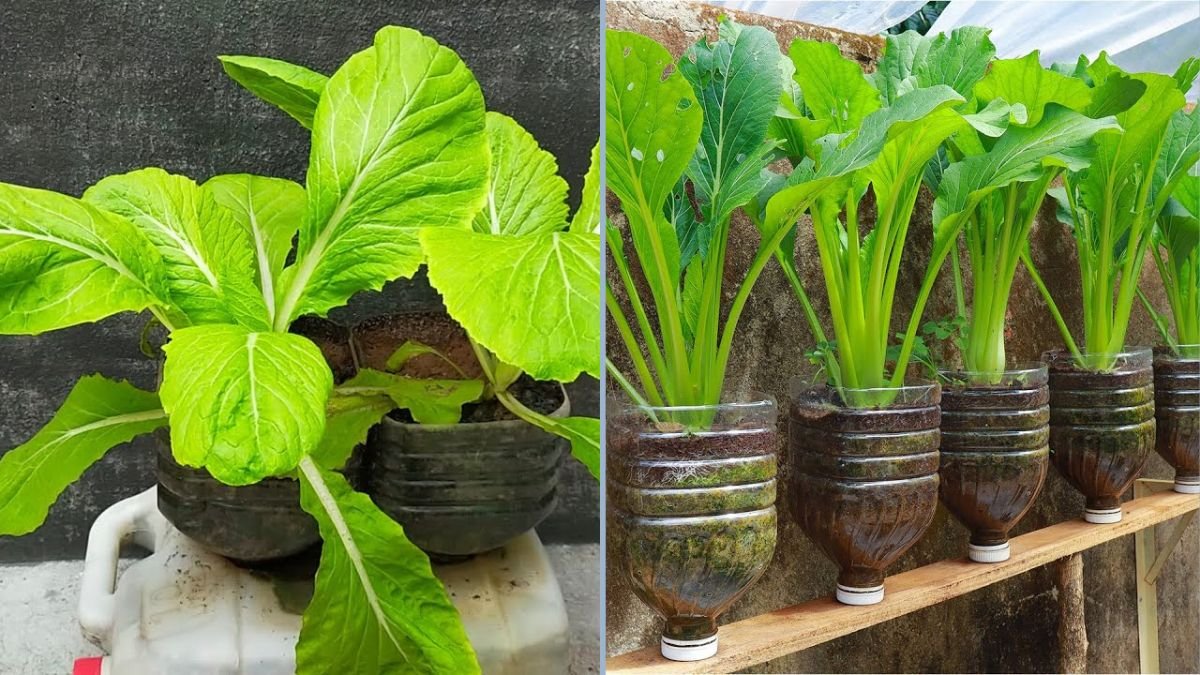
Growing your own vegetables at home is not only rewarding but also promotes healthy eating and sustainability. Mustard greens, a leafy green rich in vitamins A, C, and K, calcium, and antioxidants, are easy to grow and packed with flavor. Traditionally, vegetables require garden space, soil beds, and constant care, but what if you could grow fresh mustard greens using recycled materials at home?
Using recycled plastic bottles as planters is an innovative, eco-friendly way to grow vegetables in small spaces such as balconies, patios, or rooftops. Not only does this method recycle plastic waste, but it also allows for better control over soil, water, and nutrients, making it ideal for urban gardening. In this blog, we’ll provide a complete guide on growing mustard greens at home using plastic bottles, covering everything from materials to planting, care, and harvesting.
Why Grow Mustard Greens in Recycled Plastic Bottles?
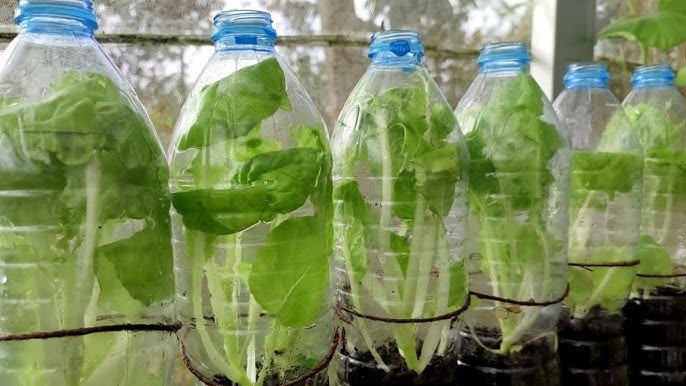
- Eco-Friendly: Reusing plastic bottles reduces waste and promotes sustainable gardening.
- Space-Efficient: Bottles can be hung, stacked, or arranged on tables and boards, perfect for small urban spaces.
- Cost-Effective: No need to buy expensive pots; used bottles are free and readily available.
- Controlled Growth Environment: Easier to manage water, soil, and nutrients compared to traditional garden beds.
- Educational and Fun: This method is perfect for teaching children about gardening, sustainability, and nutrition.
Materials You’ll Need
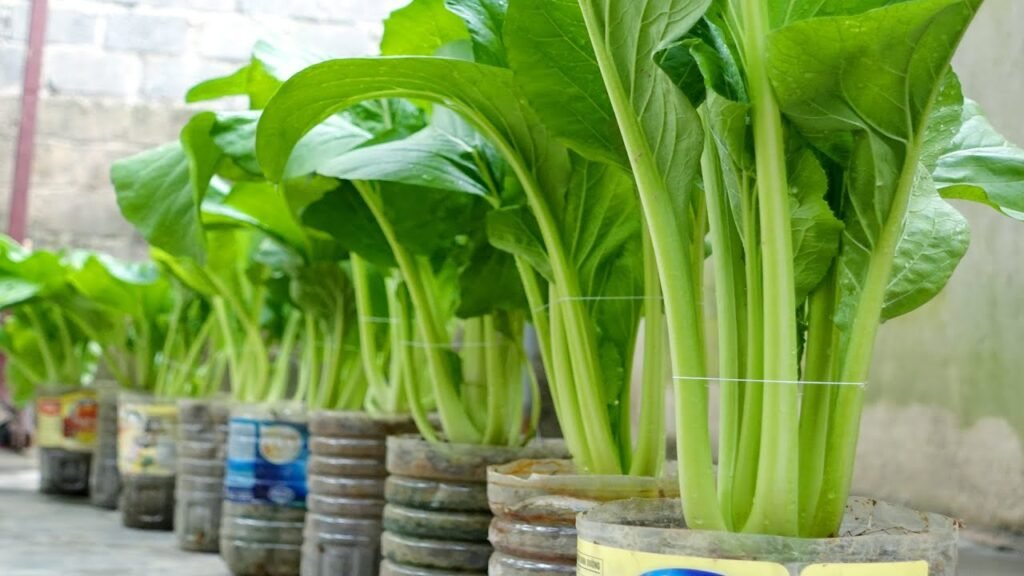
- Large plastic bottles (1–2 liters recommended)
- Utility knife or scissors
- Cotton string or cloth (optional for self-watering setup)
- Potting soil or compost-rich garden soil
- Mustard green seeds
- Small pebbles (optional for drainage)
- Water
Step-by-Step Guide to Growing Mustard Greens in Plastic Bottles
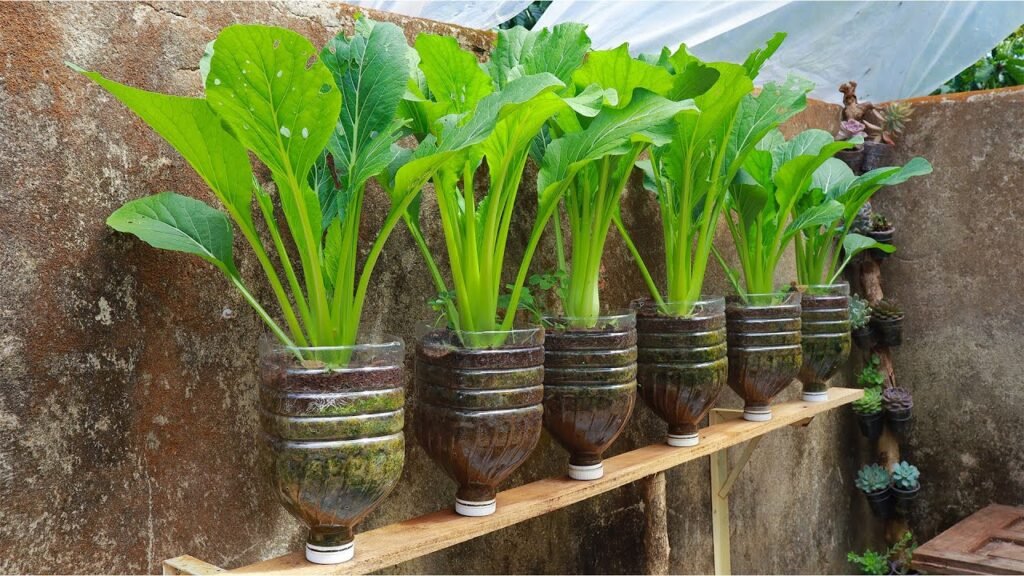
Step 1: Preparing the Bottles
- Wash the bottles thoroughly to remove any residue.
- Cut a rectangular opening on the side of the bottle, large enough to plant seeds or seedlings.
- Poke small drainage holes at the bottom to prevent waterlogging.
- Optional: Create a self-watering system by inverting the bottle top inside the bottom half and using a cotton wick to draw water gradually into the soil.
Step 2: Adding Soil and Drainage
- Optional: Add a layer of small pebbles at the bottom for drainage.
- Fill the bottle with nutrient-rich soil or a mixture of garden soil and compost. Mustard greens grow best in fertile, well-draining soil with a pH of 6.0–7.5.
- Leave about an inch from the top for planting and watering.
Step 3: Planting Mustard Greens
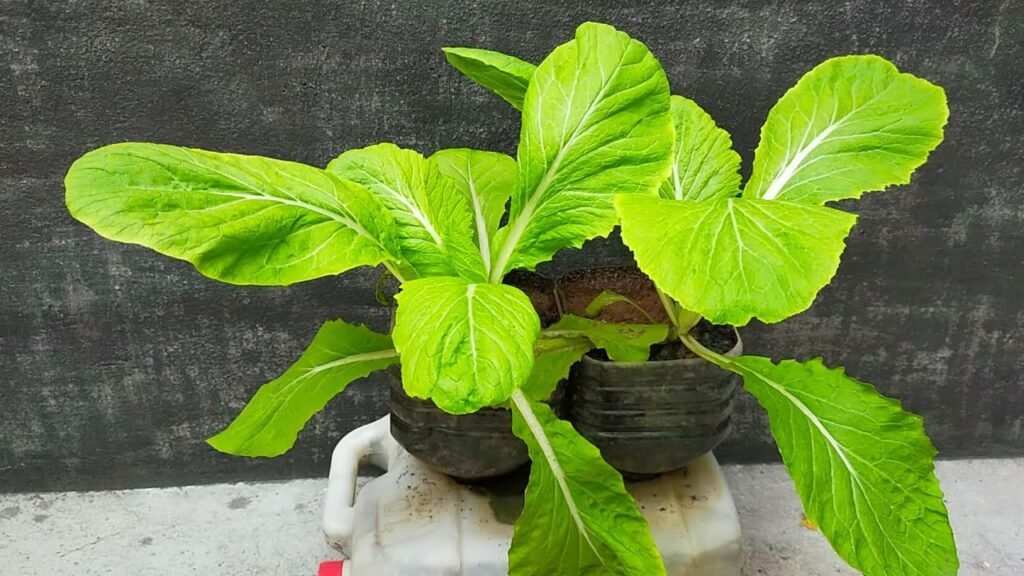
- Sow 2–3 seeds per bottle, spacing them evenly along the soil surface.
- Cover lightly with soil and gently pat down to ensure good seed-to-soil contact.
- If using seedlings, dig a small hole, place the plant, and cover gently with soil.
- Water lightly to settle the soil.
Step 4: Setting Up a Self-Watering System (Optional)
- Fill the bottom half of the bottle with water.
- Make sure the cotton wick or soil is in contact with the water, allowing gradual moisture absorption.
- Refill the reservoir as needed to maintain consistent soil moisture.
Caring for Mustard Greens in Plastic Bottles
- Sunlight: Place the bottles in a location receiving 4–6 hours of sunlight daily. Mustard greens grow best in full sun but tolerate partial shade.
- Watering: Keep soil consistently moist, especially for seedlings. Self-watering systems reduce daily watering effort.
- Fertilizing: Apply a balanced liquid fertilizer every 2–3 weeks to encourage strong leafy growth. Nitrogen-rich fertilizers are particularly beneficial.
- Thinning Seedlings: Once seedlings reach 2–3 inches, thin weaker plants to avoid overcrowding and ensure robust growth.
- Pest Management: Watch for aphids, flea beetles, and caterpillars. Use neem oil or mild soap sprays as natural remedies.
- Pruning: Remove yellowing or damaged leaves to maintain healthy growth and improve airflow.
Benefits of Growing Mustard Greens in Plastic Bottles
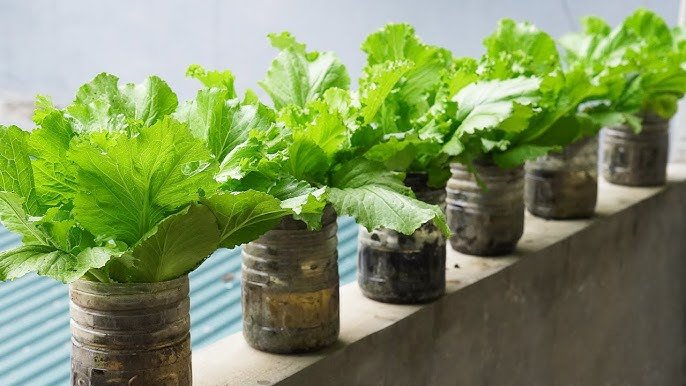
- Fresh and Nutritious: Enjoy homegrown mustard greens with superior taste and nutrient content.
- Year-Round Gardening: Bottle systems can be moved indoors during cold months or used on balconies year-round.
- Eco-Friendly Gardening: Reduce plastic waste and carbon footprint while growing food sustainably.
- Space Efficiency: Ideal for urban dwellers with limited space.
- Easy Maintenance: Self-watering setups and contained soil reduce manual labor and improve productivity.
Harvesting Mustard Greens
- Mustard greens are ready to harvest 30–45 days after planting, depending on the variety.
- Harvest by cutting outer leaves first, leaving the inner leaves to continue growing.
- For full heads, wait until plants are 6–8 inches tall before harvesting.
- Regular harvesting encourages new growth and maximizes yield.
Common Mistakes to Avoid
- Overcrowding Seeds: Planting too many seeds can lead to weak, spindly plants. Thin seedlings as needed.
- Neglecting Water: Even self-watering systems require occasional checks to maintain proper moisture levels.
- Insufficient Sunlight: Mustard greens require moderate sunlight; lack of light can stunt growth.
- Overfertilizing: Excess fertilizer can burn roots or make leaves bitter.
- Ignoring Pests: Inspect regularly for aphids, caterpillars, or flea beetles and take action immediately.
Tips for Year-Round Growth
- Indoor Gardening: Place bottles near sunny windows or under grow lights to extend the growing season.
- Succession Planting: Sow seeds every 2–3 weeks for continuous harvest.
- Rotate Bottles: Rotate bottles periodically for even light exposure and growth.
- Experiment with Varieties: Try different mustard green varieties for varied flavors and colors.
Expanding Your Plastic Bottle Garden
Once you’ve successfully grown mustard greens, you can expand your vertical bottle garden to include other leafy greens and herbs:
- Spinach
- Lettuce
- Kale
- Bok choy
- Herbs like basil, cilantro, and parsley
This system allows you to grow multiple crops in a compact, eco-friendly space while recycling plastic bottles effectively.
Conclusion
Growing mustard greens in recycled plastic bottles is a creative, eco-friendly, and highly productive way to cultivate fresh vegetables at home. This method is perfect for urban gardeners, beginners, and sustainability enthusiasts, allowing you to maximize limited space while reducing plastic waste.
By following these steps—from preparing bottles and planting seeds to setting up a self-watering system and maintaining the plants—you can enjoy a continuous supply of nutritious, homegrown mustard greens. This innovative gardening approach combines sustainability, productivity, and convenience, making it a practical solution for anyone looking to grow food at home.
Start your plastic bottle mustard green garden today and experience the satisfaction of growing healthy, delicious greens with minimal effort while contributing to a greener planet.