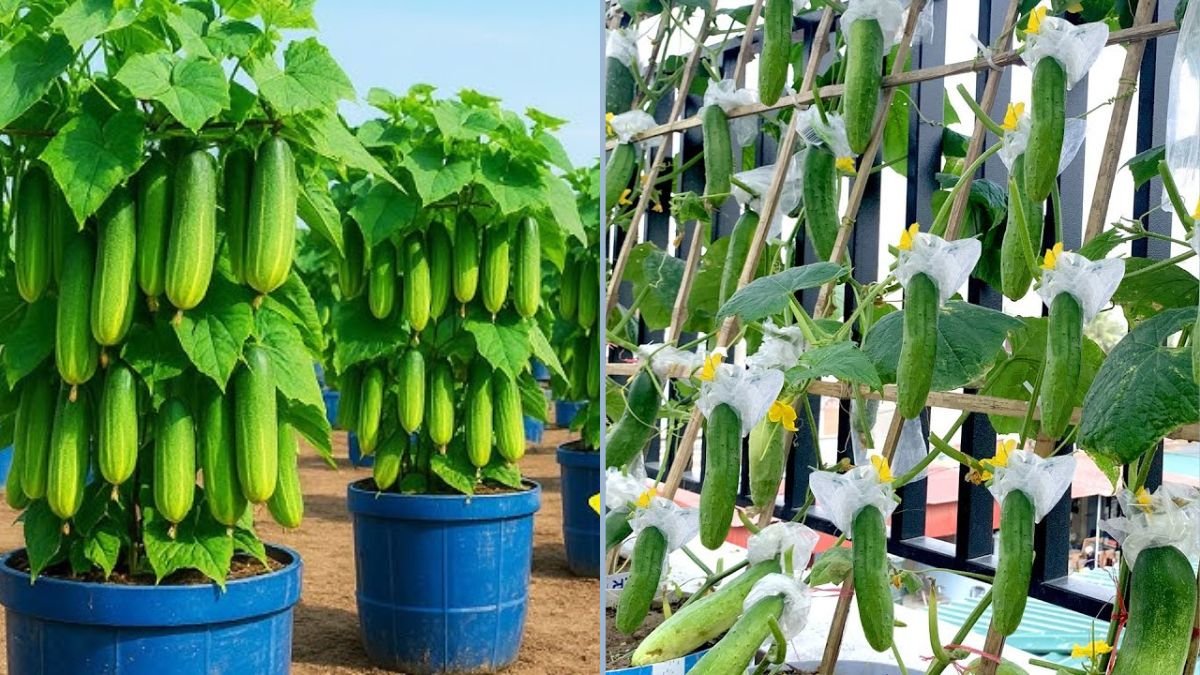
Cucumbers are one of the most refreshing and versatile vegetables in the kitchen. From crisp salads to pickles and juices, they are a staple for many households. But growing cucumbers at home can seem tricky, especially if you have limited space or poor soil conditions.
Here’s the exciting news: with a simple plastic tub garden hack, you can grow high-yield cucumbers even in small spaces like balconies, terraces, or small backyards. This method is easy, cost-effective, and surprisingly productive. In this guide, we’ll cover everything from preparing tubs and planting to care, pollination, and harvesting, so you can enjoy a bountiful cucumber harvest at home.
Why Grow Cucumbers in Plastic Tubs?
- Space Efficiency: Ideal for urban gardeners with limited outdoor areas.
- Mobility: Tubs can be moved to optimize sunlight or protect plants from harsh weather.
- Controlled Growth: Manage soil quality, water, and nutrients easily.
- High Yield: Proper care in a confined space encourages abundant fruiting.
- Eco-Friendly: Repurposing plastic tubs reduces waste while creating productive planters.
Step 1: Choosing the Right Cucumber Variety
Selecting the right cucumber variety ensures healthy growth and maximum yield:
- Bush Varieties: Compact and ideal for tubs; examples include Bush Champion or Patio Snacker.
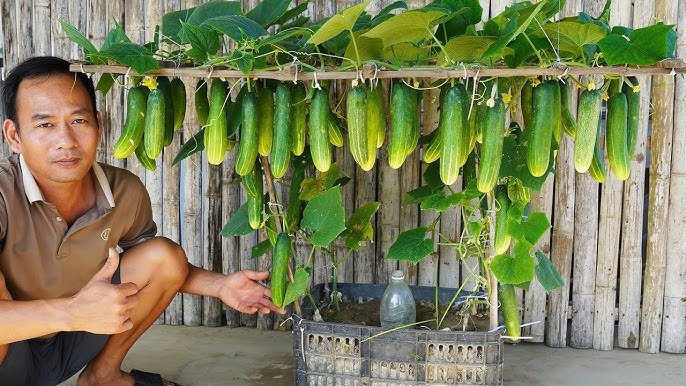
- Vining Varieties: Can be trained vertically on trellises; examples include Marketmore or Straight Eight.
- Pickling Varieties: If you enjoy homemade pickles, varieties like Boston Pickling are perfect.
Pro Tip: Choose disease-resistant varieties for better success, especially in container gardening.
Step 2: Selecting and Preparing Plastic Tubs
Plastic tubs are the foundation of this easy garden hack. Here’s how to prepare them:
- Choose the Right Size:
- Minimum size: 18–24 inches deep and wide enough to support the root system.
- Larger tubs allow more soil, moisture retention, and space for roots.
- Drainage Holes:
- Drill 4–6 holes at the bottom to ensure water drains and roots don’t rot.
- Optional Support Structures:
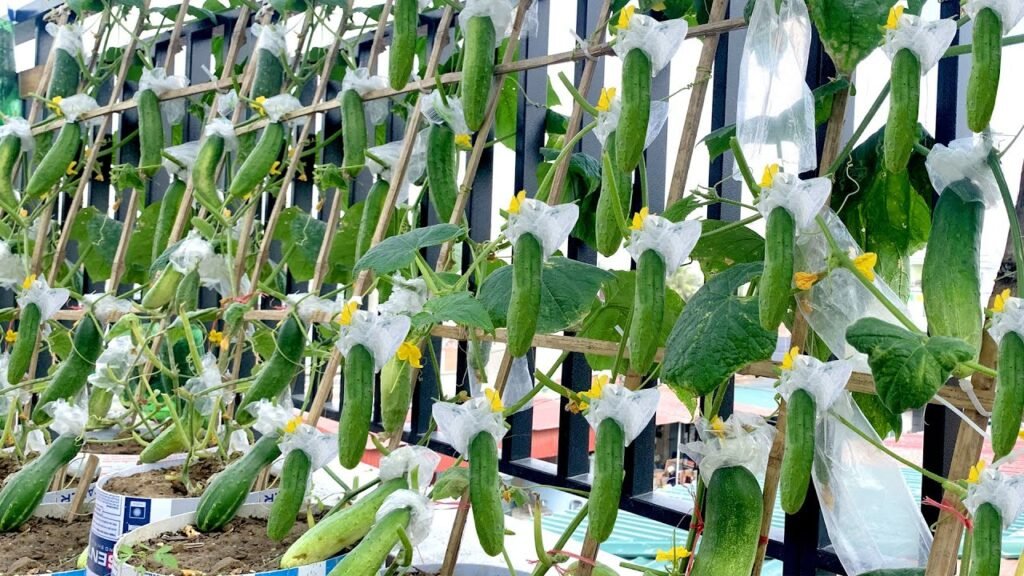
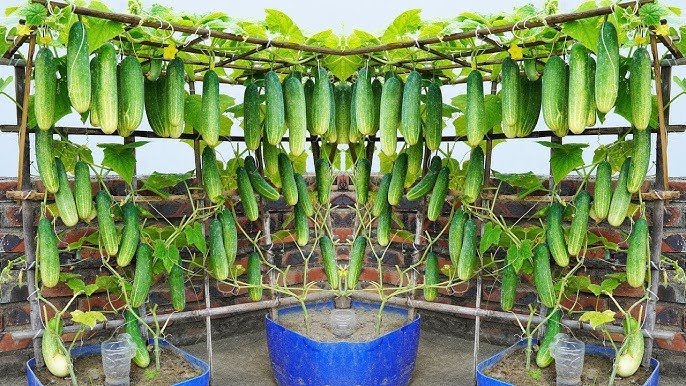
- For vining varieties, install a small trellis, netting, or bamboo sticks for vertical growth.
- Tubs with vertical support increase sunlight exposure and airflow.
Pro Tip: If possible, use a tub with a lid or cover for the bottom to reduce soil loss while maintaining drainage.
Step 3: Preparing the Soil Mix

Cucumbers thrive in nutrient-rich, well-draining soil. Here’s a recommended mix:
- 2 parts garden soil or loamy soil
- 1 part compost or well-rotted manure
- 1 part perlite or coarse sand for drainage
Tips:
- Avoid heavy clay soil, which retains too much water and can suffocate roots.
- Add slow-release organic fertilizer to supply nutrients throughout the growing period.
Step 4: Planting Cucumber Seeds or Seedlings
- From Seeds:
- Sow seeds ½–1 inch deep in the prepared soil.
- Keep soil consistently moist until seeds germinate (7–10 days).
- From Seedlings:
- Choose strong, healthy seedlings with 2–3 true leaves.
- Plant deeply in the tub to ensure strong root development.
- Spacing:
- For bush varieties: 2–3 plants per tub.
- For vining varieties: 1–2 plants per tub with vertical support.
Pro Tip: Ensure roots have enough room; overcrowding reduces yield and increases disease risk.
Step 5: Providing Adequate Sunlight

Cucumbers are sun-loving plants, requiring 6–8 hours of sunlight daily:
- Place tubs in a sunny balcony, terrace, or garden spot.
- Rotate tubs periodically for even growth if sunlight is uneven.
- For indoor setups, supplement with LED grow lights to ensure healthy development.
Pro Tip: Sufficient sunlight ensures strong stems, abundant flowering, and high fruit set.
Step 6: Watering and Fertilization
Cucumbers need consistent moisture and nutrients to produce high yields:
- Watering:
- Water regularly to keep the soil evenly moist.
- Avoid waterlogging; ensure drainage is functional.
- Fertilization:
- During vegetative growth, use nitrogen-rich fertilizer to promote lush leaves.
- Switch to phosphorus and potassium-rich fertilizers during flowering and fruiting to enhance blooms and fruit size.
- Liquid fertilizers can be applied every 2–3 weeks.
Pro Tip: Mulch the soil with straw or dry leaves to retain moisture and regulate temperature.
Step 7: Supporting the Plants
Cucumbers can sprawl or vine rapidly, so supporting plants is key:
- Bush Varieties: Minimal support needed; prune if necessary to promote airflow.
- Vining Varieties:
- Train vines along a trellis or netting.
- Tie stems loosely to prevent breakage.
- Vertical growth reduces pest issues and improves fruit exposure to sunlight.
Pro Tip: Supporting cucumbers vertically increases yield and makes harvesting easier.
Step 8: Pollination for Better Fruit Set
Cucumbers have male and female flowers, and proper pollination is necessary for fruit development:
- Outdoors: Bees and insects do most of the work naturally.
- Indoors or small setups: Hand pollination can improve fruit set:
- Use a soft brush or cotton swab to transfer pollen from male to female flowers.
- Female flowers are identified by a tiny swelling at the base that looks like a mini cucumber.
Pro Tip: Regular pollination leads to larger fruits and higher overall yield.
Step 9: Pruning and Care for Maximum Yield
- Pruning:
- Remove weak, yellow, or diseased leaves to improve airflow.
- Trim long lateral shoots to direct energy to main vines and fruits.
- Regular Inspection:
- Check for pests such as aphids, whiteflies, or spider mites.
- Use organic sprays like neem oil or insecticidal soap if needed.
- Disease Prevention:
- Ensure proper spacing and sunlight.
- Avoid overhead watering to reduce fungal infections.
Pro Tip: Well-maintained plants produce more flowers and larger fruits, maximizing yield.
Step 10: Harvesting Cucumbers
Cucumbers are usually ready for harvest 50–70 days after planting, depending on the variety:
- Pick fruits when they are firm, green, and of desired size.
- Avoid letting cucumbers overripe, as they become bitter and seedy.
- Use a sharp knife or scissors to harvest, leaving a small stem attached to avoid plant damage.
Pro Tip: Regular harvesting encourages continuous fruiting throughout the season.
Step 11: Benefits of the Plastic Tub Method
- Space Efficiency: Ideal for urban gardens and balconies.
- Mobility: Easy to move tubs for sunlight, shade, or protection from rain.
- High Yield: Proper care and nutrient management in tubs result in abundant fruits.
- Pest and Disease Management: Elevated containers reduce soil-borne problems.
- Cost-Effective and Eco-Friendly: Repurposes plastic tubs, saving money and reducing waste.
Step 12: Troubleshooting Common Issues
- Yellow Leaves:
- Cause: Nutrient deficiency or overwatering.
- Solution: Adjust watering and add balanced fertilizer.
- Poor Flowering:
- Cause: Lack of sunlight or poor pollination.
- Solution: Provide sufficient light and perform hand pollination if needed.
- Pests:
- Aphids, spider mites, or whiteflies may appear.
- Solution: Organic sprays or neem oil treatment.
- Small Fruits:
- Cause: Nutrient imbalance or overcrowding.
- Solution: Fertilize appropriately and maintain proper spacing.
Conclusion
Growing cucumbers in plastic tubs is a simple, innovative, and highly productive garden hack. By choosing the right variety, preparing nutrient-rich soil, providing proper sunlight, water, support, and careful pruning, you can enjoy a high-yield cucumber harvest right at home.
This method is perfect for urban gardeners, balcony enthusiasts, and anyone looking to maximize space and productivity. Repurposing plastic tubs not only reduces waste but also transforms them into miniature, efficient cucumber farms, giving you fresh, homegrown produce all season long.
Start your plastic tub cucumber garden today and experience the joy of easy, fruitful, and sustainable gardening at home.