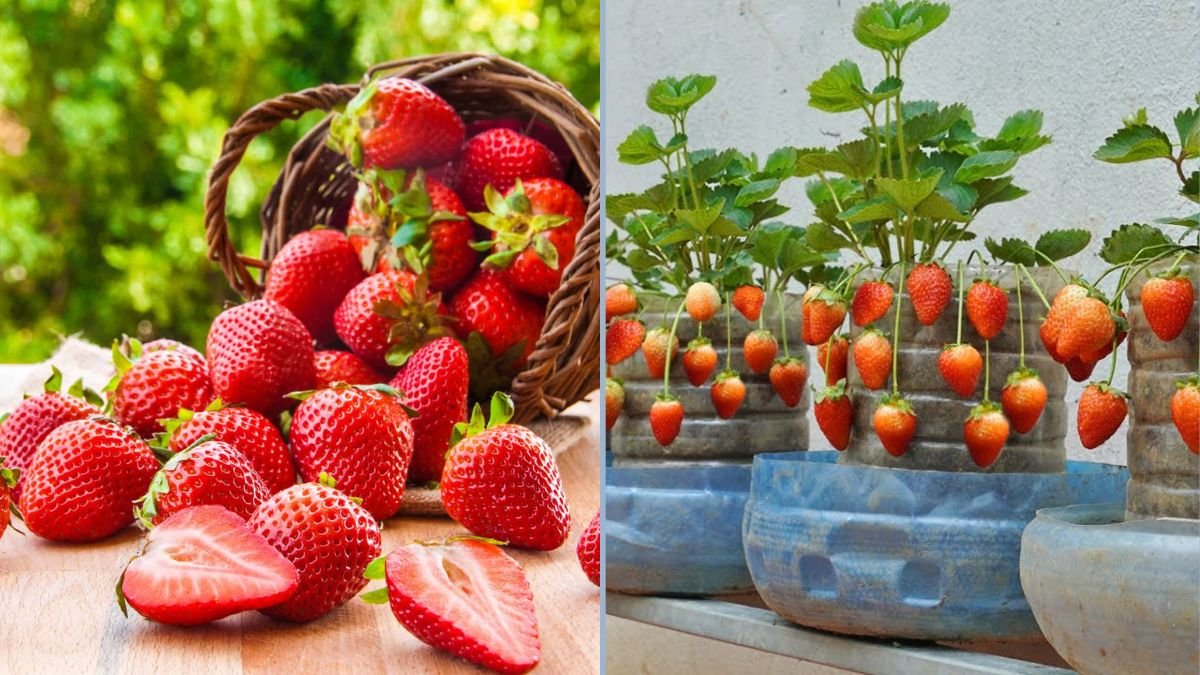
Strawberries are one of the most beloved fruits in the world. Their sweet, juicy flavor makes them perfect for desserts, smoothies, jams, or simply snacking straight from the plant. But for many gardeners, growing strawberries can feel frustrating—plants may produce fruit only once a year, or yields might be disappointing.
What if there was a way to harvest strawberries every month, keeping your family supplied with fresh, ripe berries year-round? Believe it or not, there is! With the right techniques, plant selection, and care strategies, you can dramatically increase your strawberry harvest and enjoy fruit consistently. In this guide, we’ll reveal the tips and methods that make this “crazy” idea possible.
Why Growing Strawberries at Home Is Worth It
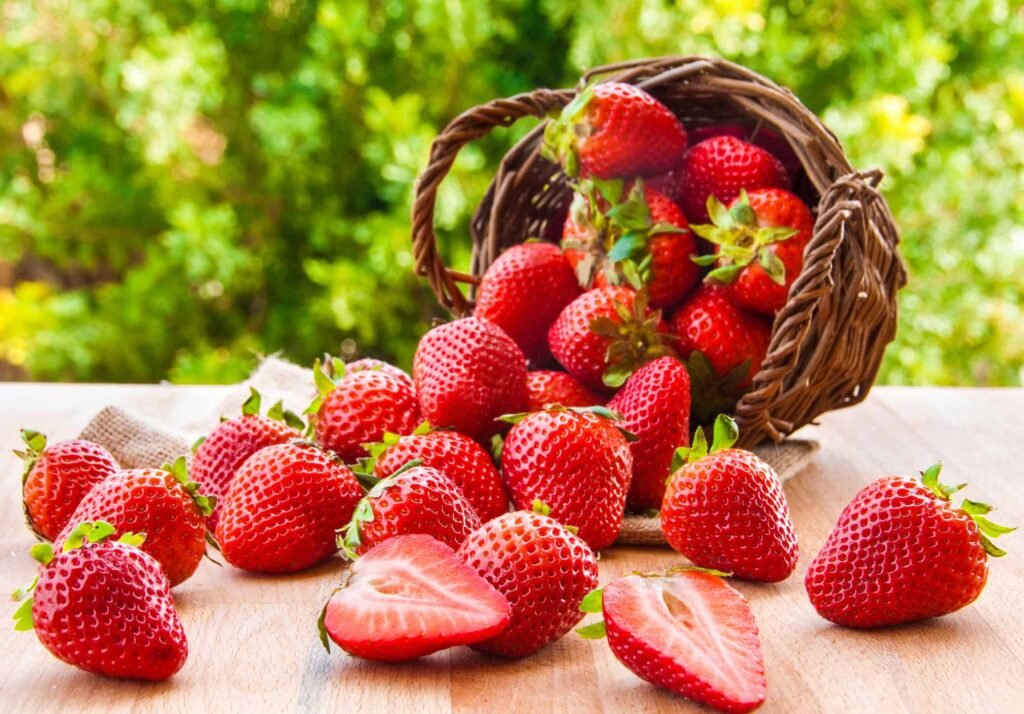
Before we dive into the secret tip, it’s important to understand why homegrown strawberries are so valuable:
- Freshness: Store-bought strawberries often travel long distances, losing flavor and nutrients. Homegrown berries are fresher, sweeter, and more aromatic.
- Nutritional Benefits: Strawberries are packed with vitamin C, antioxidants, fiber, and other essential nutrients.
- Cost Savings: Growing your own strawberries can save money, especially if you love to eat them daily.
- Health and Safety: You control pesticides and fertilizers, ensuring a safe, chemical-free crop.
- Satisfaction: Harvesting your own strawberries is incredibly rewarding and fun for families, kids, and gardening enthusiasts.
Understanding Strawberry Growth
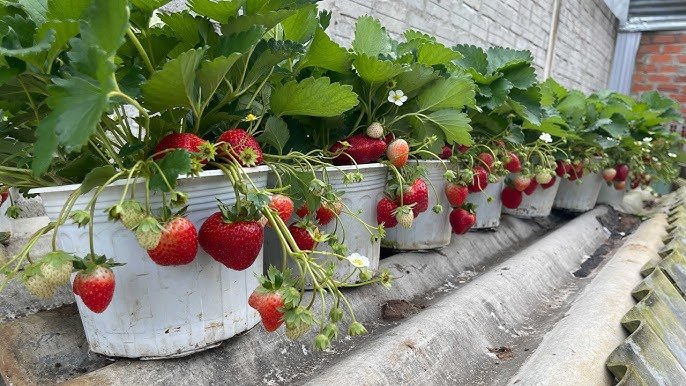
Strawberries are perennial plants that can produce fruit for several years. There are three main types of strawberries, and understanding their growth habits is key to harvesting fruit year-round:
- June-Bearing Strawberries: Produce a large crop once a year, usually in late spring or early summer.
- Everbearing Strawberries: Produce two to three harvests per year, typically in spring and fall.
- Day-Neutral Strawberries: Produce fruit continuously throughout the growing season, as long as temperatures remain moderate.
The “crazy” tip for harvesting strawberries every month relies on selecting day-neutral varieties and optimizing their growing conditions.
The Secret Tip: Grow Day-Neutral Strawberries and Stagger Plantings
The key to getting strawberries every month is twofold:
- Plant Day-Neutral Varieties: Unlike June-bearing or everbearing strawberries, day-neutral varieties flower and fruit continuously, regardless of day length. Examples include ‘Seascape,’ ‘Albion,’ and ‘Tristar.’
- Stagger Your Plantings: Instead of planting all strawberries at once, stagger your plantings every 3–4 weeks. This ensures that some plants are always in their flowering or fruiting stage.
This combination creates a nearly continuous supply of strawberries, making it possible to harvest fresh berries every month.
Preparing Strawberry Plants for Continuous Harvest
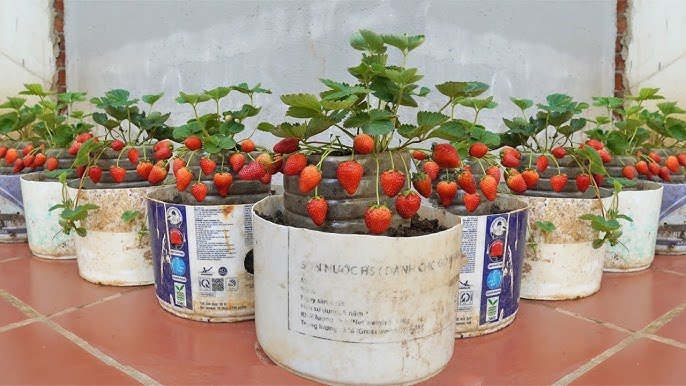
To make this method successful, the preparation phase is crucial:
1. Choose the Right Containers or Beds
- Strawberries can be grown in raised beds, garden rows, hanging baskets, or containers.
- Ensure containers are 6–12 inches deep to allow healthy root growth.
- Use well-draining soil to prevent root rot and waterlogging.
2. Soil Preparation
- Strawberries thrive in slightly acidic soil with a pH of 5.5–6.5.
- Mix garden soil with compost, peat moss, and a bit of sand for optimal drainage.
- Enrich the soil with slow-release organic fertilizers or aged manure for sustained nutrition.
3. Planting Techniques
- Plant strawberries with the crown at soil level; do not bury it.
- Space plants 12–18 inches apart to allow airflow and room for runners.
- Water immediately after planting to settle the soil.
Proper soil preparation and planting techniques create strong, healthy plants capable of producing fruit continuously.
Care Tips for Fast, Continuous Strawberry Production
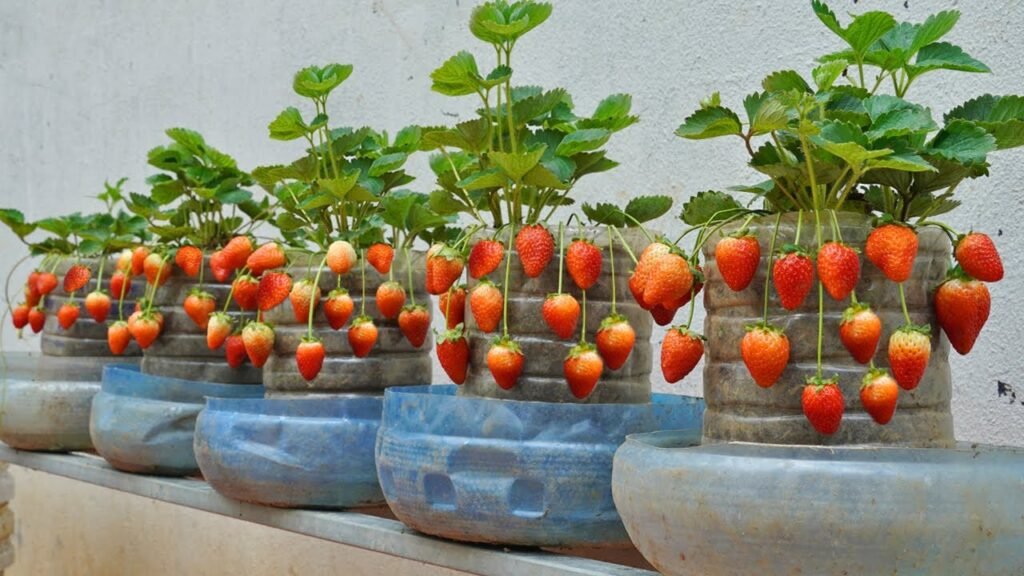
Even the best varieties need consistent care to maximize fruit production:
Watering
- Strawberries require regular moisture. Keep the soil consistently damp but not waterlogged.
- Mulching with straw or wood chips helps retain soil moisture and prevents weeds.
Fertilizing
- Apply a balanced fertilizer every 4–6 weeks to promote flowering and fruiting.
- Use organic fertilizers like compost tea or seaweed extract to improve soil fertility and plant health.
Sunlight
- Strawberries need at least 6–8 hours of direct sunlight daily.
- If growing in containers indoors or on a balcony, rotate containers to ensure even sunlight exposure.
Pest and Disease Control
- Watch for common pests like aphids, slugs, and spider mites.
- Remove any diseased or damaged leaves promptly.
- Use natural remedies such as neem oil, garlic spray, or insecticidal soap to minimize chemical use.
Advanced Tips for Year-Round Harvest
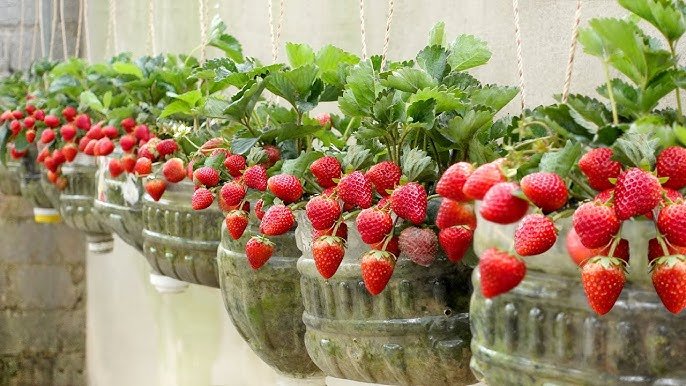
To truly enjoy strawberries every month, follow these expert tips:
- Encourage Runner Growth: Strawberry runners produce new plants. You can root these runners in small pots or trays to expand your strawberry garden and create a continuous supply.
- Prune Older Leaves: Removing older, damaged leaves allows the plant to focus energy on flowering and fruit production.
- Temperature Management: Strawberries grow best in moderate temperatures (55–75°F). Protect plants from extreme heat or frost with shade cloths or row covers.
- Pollination: For indoor or container-grown strawberries, gently shake flowers or use a small brush to simulate pollination. This ensures better fruit set.
By following these advanced techniques, you can significantly increase the frequency and quality of your strawberry harvest.
Harvesting Strawberries
- Pick When Fully Red: Strawberries stop ripening after being picked, so harvest only fully red, fragrant berries.
- Regular Harvesting: Pick berries every 2–3 days to encourage new fruiting.
- Handle Carefully: Strawberries are delicate. Hold the berry by the stem to avoid bruising.
Frequent harvesting not only ensures peak flavor but also stimulates the plant to continue producing more fruit.
Benefits of Continuous Strawberry Production
Growing strawberries in this “crazy” way has numerous advantages:
- Fresh Fruit Anytime: Enjoy sweet, ripe strawberries throughout the year without relying on the store.
- Cost Savings: Continuous harvest reduces the need to purchase berries, which can be expensive off-season.
- Family Health: Strawberries are rich in vitamins and antioxidants, supporting immunity and overall wellness.
- Garden Satisfaction: Watching plants produce fruit consistently is rewarding and fun.
- Sustainable Gardening: Using staggered plantings and runners reduces waste and maximizes productivity.
Fun Ways to Use Your Monthly Strawberry Harvest
- Smoothies and Juices: Blend fresh strawberries with yogurt, milk, or other fruits for a healthy drink.
- Salads: Add fresh berries to green salads for a sweet and colorful twist.
- Desserts: Top cakes, tarts, or pancakes with freshly picked strawberries.
- Jams and Preserves: Make homemade strawberry jam to enjoy even longer.
- Freezing: Preserve excess harvest for smoothies or desserts later.
Having a continuous supply opens up endless culinary possibilities.
Final Thoughts
Strawberries are one of the most rewarding fruits to grow at home, and with this “crazy” tip, you can enjoy them almost every month. The key is to use day-neutral varieties and stagger your plantings while providing consistent care, sunlight, water, and nutrients.
With proper soil, containers or garden beds, and careful attention to pruning, watering, and fertilizing, your strawberry plants can produce continuously. Frequent harvesting encourages new fruiting, and using runners allows you to expand your garden effortlessly.
Imagine stepping outside each week to pick sweet, ripe strawberries for your family—no supermarket trips, no long waits for seasonal fruit. By implementing these strategies, you can turn that vision into reality, creating a sustainable, productive, and delicious strawberry garden.
Start today, follow these tips, and prepare to enjoy fresh strawberries every month!