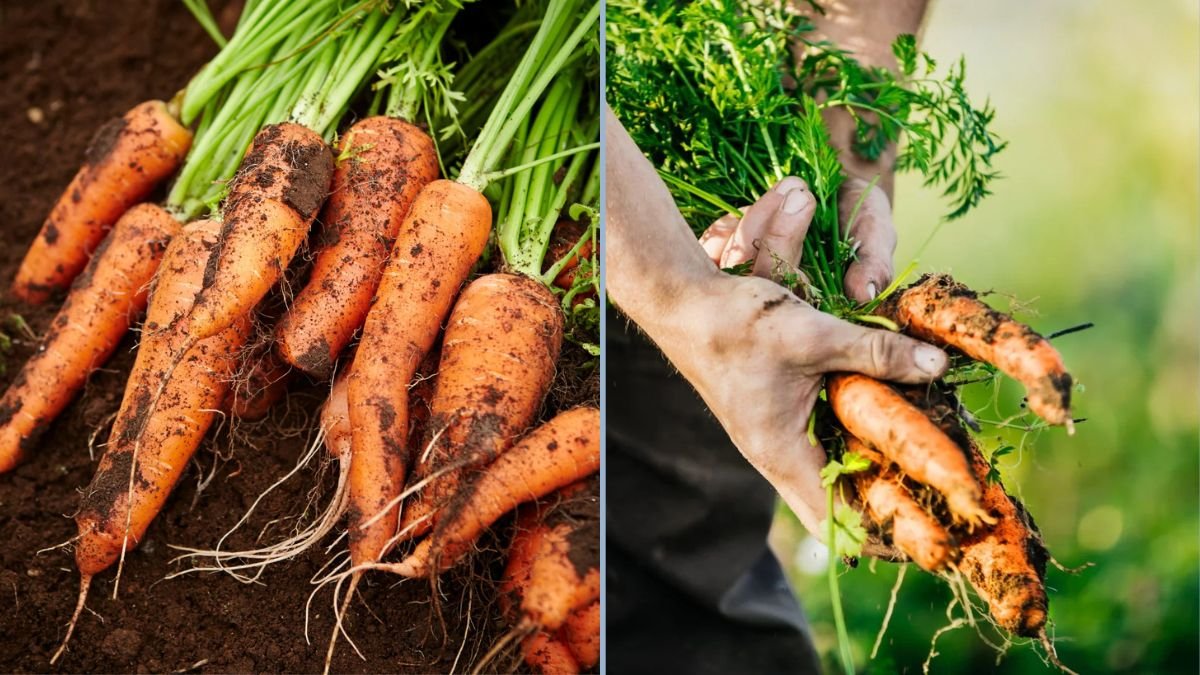
Carrots are one of the most rewarding vegetables to grow at home. With their vibrant color, sweet flavor, and nutritional value, they are a staple in kitchens worldwide. Yet, many gardeners struggle to achieve a rich harvest of large, uniform carrots. The secret lies in proper planting techniques, soil preparation, and natural fertilization. In this comprehensive guide, we’ll show you how to plant carrots for maximum yield and how to use natural fertilizers to produce healthy, flavorful roots.
Why Growing Carrots is Worth the Effort
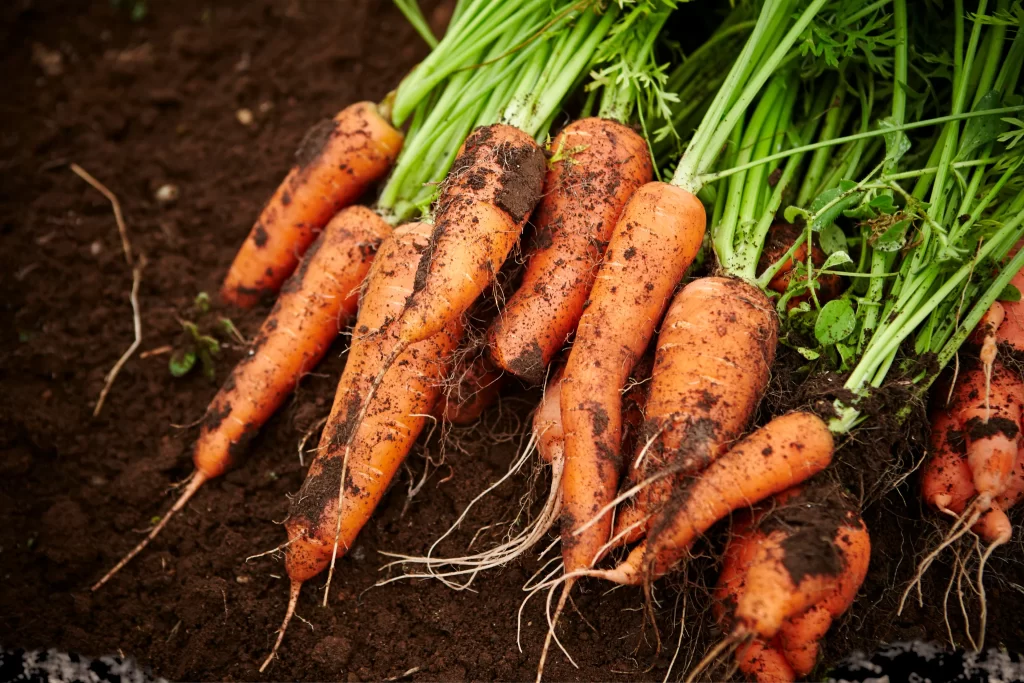
Carrots are packed with vitamins, minerals, and antioxidants, especially beta-carotene, which converts to vitamin A in the body. Homegrown carrots often taste sweeter and have better texture than store-bought varieties, thanks to fresh soil and optimal care. Additionally, growing carrots at home allows gardeners to:
- Control fertilizers and pesticides.
- Harvest continuously over several months with succession planting.
- Experiment with different carrot varieties and colors.
- Experience the satisfaction of growing food from seed to table.
The effort is worthwhile when you see a vibrant, abundant carrot harvest from your garden.
Step 1: Choosing the Right Variety
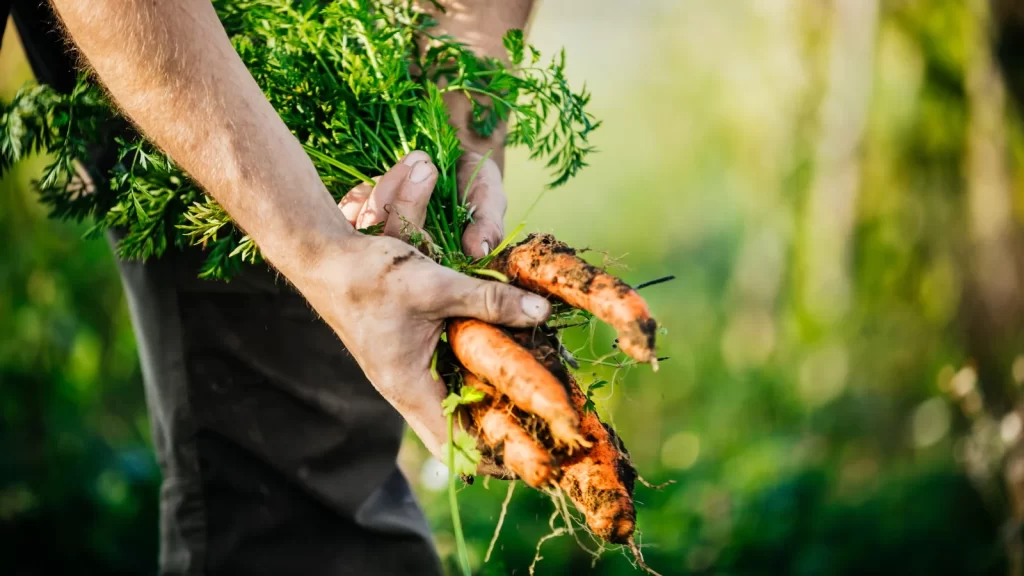
The first step toward a rich harvest is selecting a suitable carrot variety for your climate and soil. Some popular options include:
- Nantes: Sweet, tender, and cylindrical, ideal for home gardens.
- Imperator: Long, straight roots, perfect for culinary uses.
- Danvers: Classic orange, slightly tapered, hardy in most soils.
- Chantenay: Shorter, ideal for heavy or clay soils.
Choose seeds that match your soil type and desired harvest period, as different varieties mature at varying rates.
Step 2: Soil Preparation for Maximum Yield
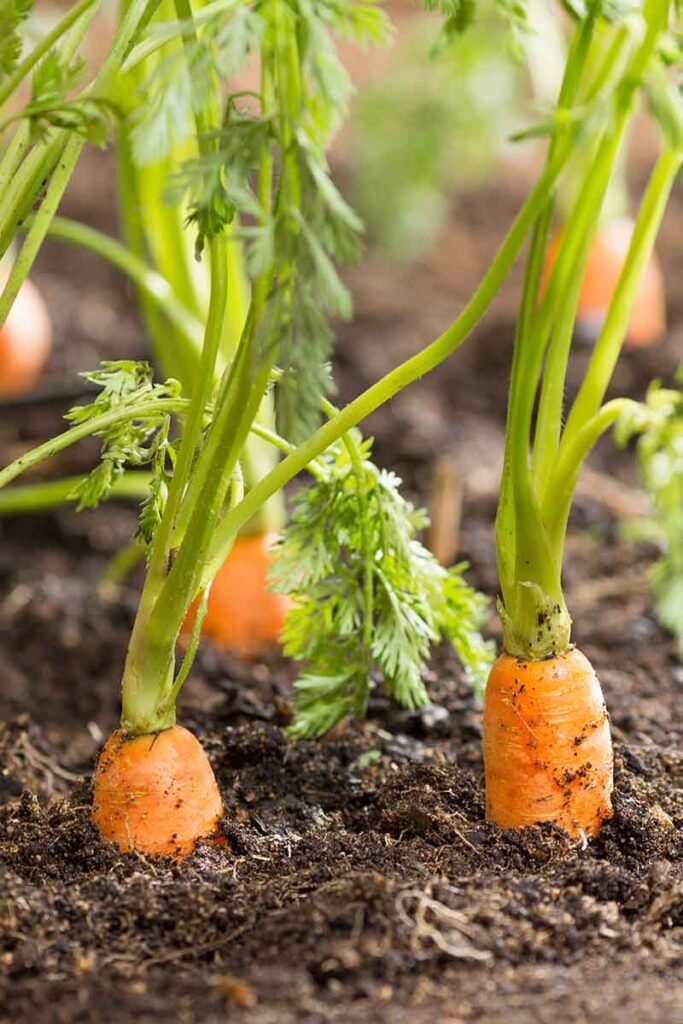
Carrots are root vegetables, so the soil’s quality determines the size and shape of the roots.
Ideal soil characteristics:
- Loose, well-draining, and free of rocks.
- Slightly acidic to neutral (pH 6.0–7.0).
- Rich in organic matter.
Steps for soil preparation:
- Clear the area of stones, debris, and weeds. Carrots can fork or deform if roots encounter obstacles.
- Loosen the soil to a depth of at least 12 inches. Deep, soft soil encourages straight, long roots.
- Mix in well-rotted compost or other organic matter to improve fertility and texture.
- Level the soil to ensure even planting and water distribution.
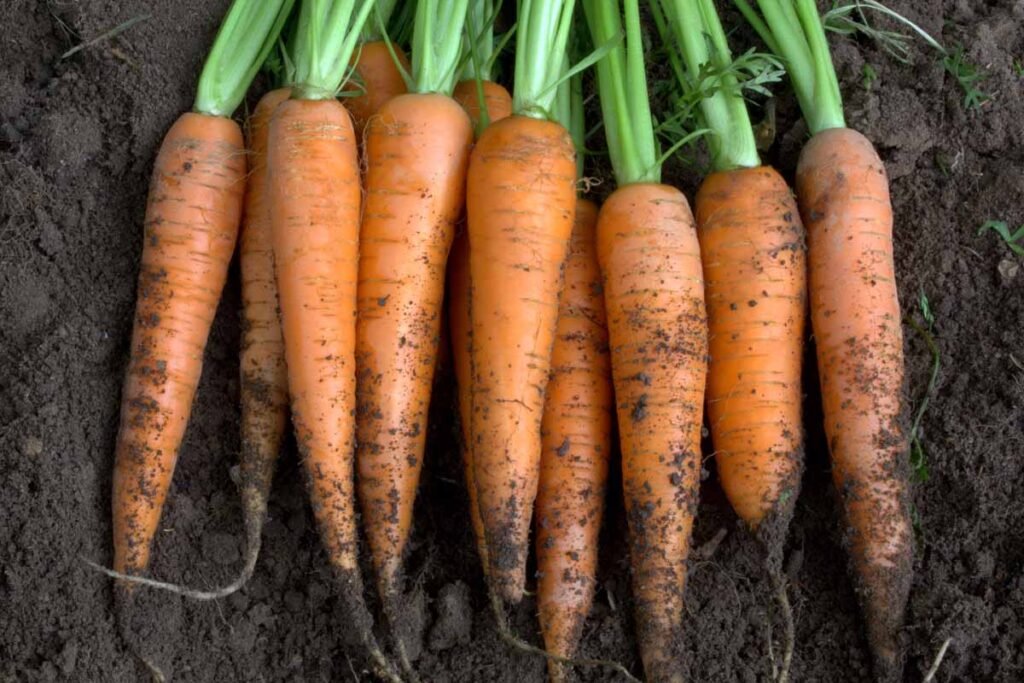
Proper soil preparation ensures that your carrots have room to grow large and uniform.
Step 3: Natural Fertilizers for Healthy Carrots
Carrots respond best to organic or natural fertilizers, which promote healthy growth without causing excessive leafy growth.
Recommended natural fertilizers:
- Compost: Provides balanced nutrients and improves soil structure.
- Aged manure: Goat, cow, or chicken manure enriches soil with nitrogen, phosphorus, and potassium. Use sparingly to avoid burning seeds.
- Vermicompost: Enhances microbial activity and nutrient availability.
- Bone meal or rock phosphate: Supports strong root development and improves sweetness.
Application tips:
- Mix fertilizers into the soil before sowing seeds.
- Avoid high-nitrogen fertilizers, which promote foliage instead of root growth.
- Lightly side-dress with compost during the growing period for continuous nutrition.
Using natural fertilizers ensures strong, sweet, and large carrots while keeping your soil healthy for future crops.
Step 4: Sowing Carrot Seeds
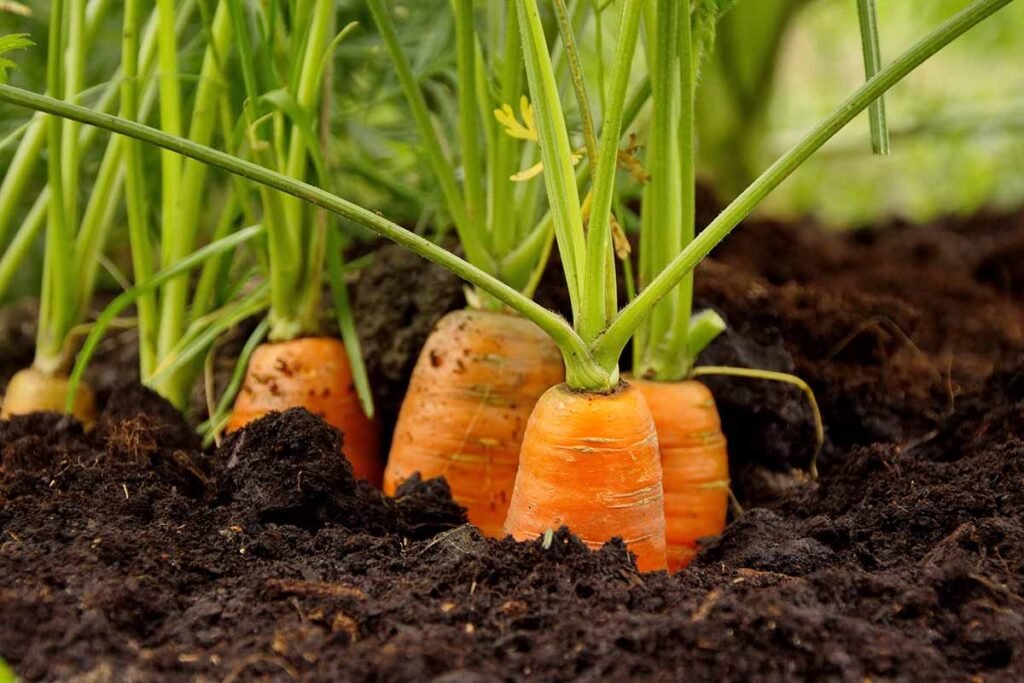
Carrot seeds are tiny and need careful handling for even germination.
Sowing steps:
- Sow seeds ½ inch deep in rows spaced 12–18 inches apart.
- Space seeds 1–2 inches apart within the row.
- Cover lightly with soil and pat gently.
- Water carefully to avoid washing away seeds.
Tip: Pre-soaking seeds in lukewarm water for a few hours can speed up germination. Carrot seeds typically sprout in 10–14 days under ideal conditions.
Step 5: Watering for Optimal Growth
Consistent moisture is crucial for fast and uniform root development.
Watering tips:
- Keep soil evenly moist, especially during germination and early growth.
- Avoid overwatering, which can cause root rot or splitting.
- Water in the morning to allow leaves to dry and reduce fungal risk.
Mulching with straw or dried leaves helps retain soil moisture and promotes steady growth.
Step 6: Thinning Seedlings
Once seedlings develop 2–3 true leaves, thinning is necessary to allow proper root development.
- Spacing: Leave 2–3 inches between plants for small varieties and up to 4 inches for longer carrots.
- Technique: Gently remove weaker seedlings to avoid damaging roots of remaining plants.
Proper thinning prevents overcrowding and ensures carrots grow large, straight, and healthy.
Step 7: Weed and Pest Management
Carrots are vulnerable to weeds and pests, which can stunt growth.
Weed control:
- Hand-weed carefully around seedlings.
- Mulch to suppress weed growth and retain moisture.
Common pests:
- Carrot root fly: Use row covers to protect young roots.
- Aphids: Spray neem oil or insecticidal soap.
- Cutworms: Place collars around seedlings to prevent damage.
Regular monitoring ensures a rich harvest without significant losses.
Step 8: Additional Care Tips for Bigger Carrots
To maximize carrot size and yield, follow these best practices:
- Thin early and often: Overcrowding reduces root size.
- Avoid heavy fertilization after seedling stage: Excess nitrogen causes leafy growth, not root development.
- Maintain loose soil: Periodically loosen the top layer to avoid crusting, which can stunt roots.
- Rotate crops: Avoid planting carrots in the same soil consecutively to reduce pests and soil-borne diseases.
- Succession planting: Sow small batches every 2–3 weeks for continuous harvest.
Following these practices ensures carrots grow fast, large, and sweet.
Step 9: Harvesting Carrots
Carrots are typically ready in 70–80 days, depending on variety and soil conditions.
Harvesting tips:
- Pull carrots gently from the base to avoid breaking roots.
- Harvest when roots reach desired size; leaving them too long can make them woody or bitter.
- Wash gently to remove soil and store in a cool, dry place or refrigerator.
Regular harvesting encourages continuous growth and allows for fresh carrots throughout the season.
Step 10: Benefits of Using Natural Fertilizers
Using natural fertilizers for carrots has multiple advantages:
- Promotes strong, healthy roots.
- Improves soil structure and fertility for future crops.
- Enhances flavor and sweetness of carrots.
- Reduces chemical exposure for you and your family.
- Encourages beneficial soil microorganisms, creating a sustainable garden ecosystem.
A well-fed carrot plant produces rich, tender roots that are more flavorful and nutritious than chemically fertilized alternatives.
Step 11: Common Mistakes to Avoid
Even with the best intentions, gardeners sometimes make mistakes that reduce carrot yield:
- Planting in compacted soil: Leads to forked or stunted roots.
- Overcrowding seeds: Competes for nutrients, resulting in small roots.
- Excess nitrogen fertilizer: Causes lush foliage but tiny roots.
- Uneven watering: Leads to splitting or bitter-tasting carrots.
- Ignoring pests and diseases: Can devastate seedlings or roots if not managed early.
Avoiding these mistakes ensures a rich, high-quality harvest.
Step 12: Enjoying Your Carrot Harvest
Homegrown carrots offer unmatched freshness, flavor, and nutrition. Ways to enjoy your harvest include:
- Raw in salads: Crisp and sweet for an instant snack.
- Pickling: Preserves carrots for months and adds a tangy flavor.
- Cooking: Roasted, steamed, or added to soups for natural sweetness.
- Juicing: Fresh carrot juice is a nutritious and refreshing beverage.
Homegrown carrots also make wonderful gifts for friends and family, showcasing the fruits of your labor.
Final Thoughts
Planting carrots properly and using natural fertilizers is the key to a rich, abundant harvest. From selecting the right variety to preparing soil, sowing seeds, watering consistently, and managing pests, every step matters. Following this guide ensures that your carrots grow fast, large, and flavorful, providing fresh, homegrown vegetables for your family.
Carrot cultivation is not just about food; it’s about connecting with nature, learning patience, and experiencing the joy of nurturing seeds into edible roots. By applying these methods, anyone can achieve a productive, sustainable, and rewarding carrot garden.