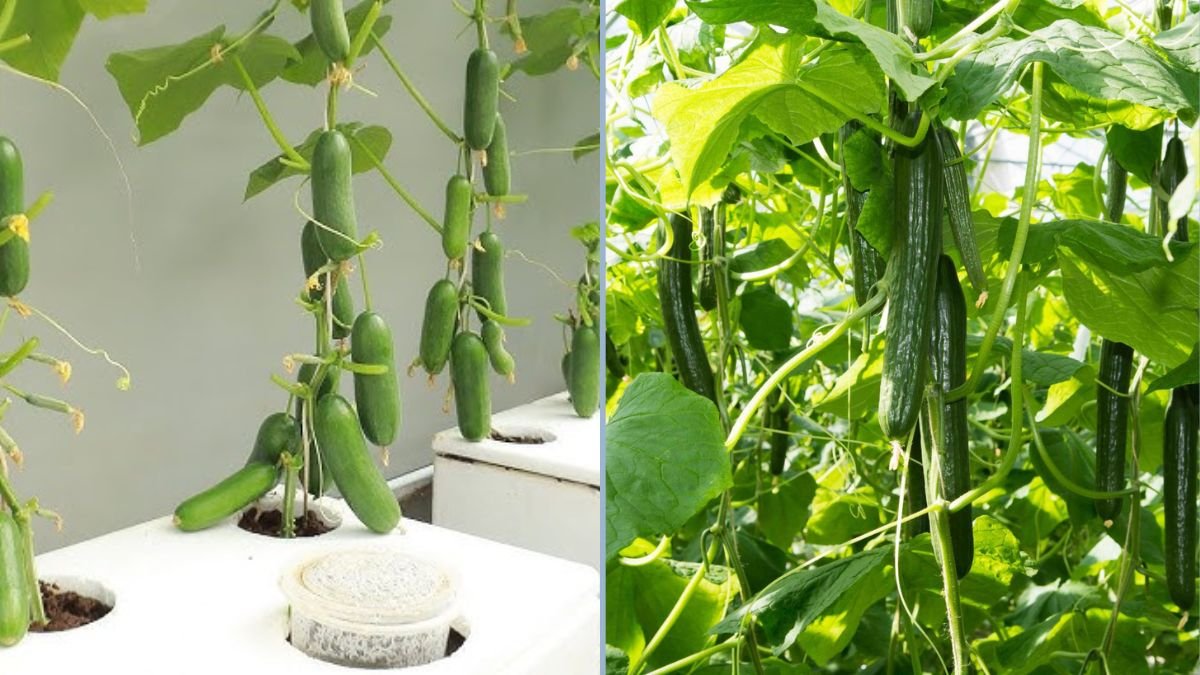
Cucumbers are a staple in many kitchens, from fresh salads to refreshing drinks, and they are one of the most rewarding vegetables to grow at home. However, achieving a truly abundant harvest can be a challenge for many gardeners. Traditional growing methods sometimes produce limited yields or uneven fruits. Fortunately, there is a new, highly effective method to grow cucumbers at home that promises unbelievably abundant fruit, even in small spaces. This guide will take you step by step through this innovative approach, so you can enjoy a prolific cucumber harvest all season long.
Why Cucumbers Are Great for Home Gardens

Cucumbers are fast-growing, versatile, and relatively easy to cultivate. They thrive in warm weather and can be grown in gardens, greenhouses, or even containers on balconies. Homegrown cucumbers often taste far better than store-bought ones, and growing them yourself gives you complete control over pesticides and fertilizers.
Benefits of growing cucumbers at home include:
- Freshness and flavor: Homegrown cucumbers are crisp, juicy, and sweeter than supermarket varieties.
- Continuous harvest: Proper methods allow cucumbers to produce throughout the season.
- Cost-effective: Saves money compared to purchasing cucumbers regularly.
- Fun and educational: Ideal for families and beginners learning gardening basics.
By adopting the right method, even small-space gardeners can enjoy massive yields of fresh cucumbers.
Step 1: Choosing the Right Cucumber Variety
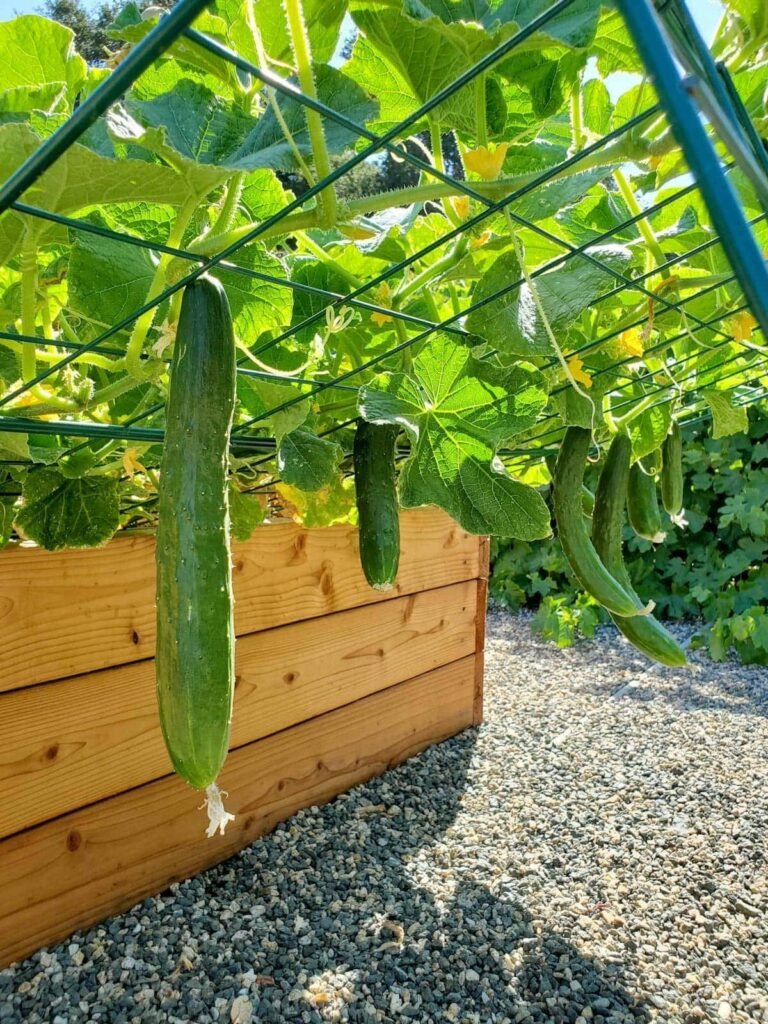
The foundation of a successful harvest begins with selecting the right variety. Cucumbers come in three main types:
- Slicing cucumbers: Large, crisp fruits ideal for salads. Examples: ‘Marketmore,’ ‘Straight Eight.’
- Pickling cucumbers: Smaller and denser, perfect for pickles. Examples: ‘Boston Pickling,’ ‘National Pickling.’
- Bush or compact varieties: Ideal for containers or limited space. Examples: ‘Bush Champion,’ ‘Patio Snacker.’
For maximum home harvest, parthenocarpic varieties are recommended. These cucumbers produce fruit without requiring pollination, making them ideal for indoor, greenhouse, or balcony growing.
Step 2: Preparing the Growing Area
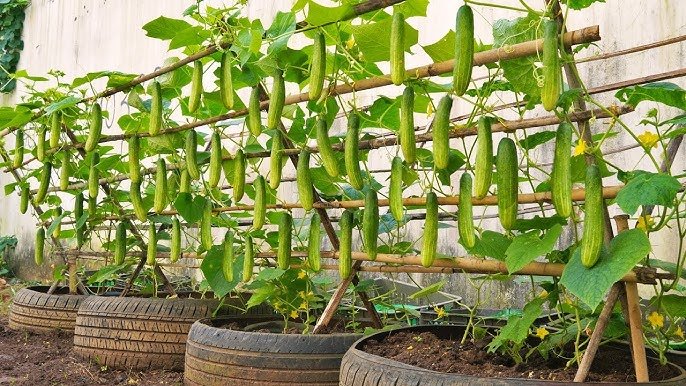
The new method emphasizes vertical growing combined with nutrient-rich soil, which maximizes fruit production while minimizing space.
Key considerations for the growing area:
- Sunlight: Cucumbers require 6–8 hours of direct sunlight daily.
- Support structures: Use trellises, cages, or vertical nets to encourage upward growth. Vertical growth prevents sprawling, saves space, and improves air circulation.
- Containers: For home or balcony gardens, large pots or grow bags (at least 12 inches in diameter) are ideal.
By combining vertical growth with proper support, cucumber vines can produce more fruit than conventional horizontal planting.
Step 3: Soil Preparation

Healthy soil is the secret to abundant cucumber production. Cucumbers thrive in loose, well-draining, and nutrient-rich soil.
Recommended soil mix for containers or raised beds:
- 40% garden soil or loamy soil
- 30% compost or well-rotted manure
- 20% coconut coir or perlite for aeration
- 10% organic fertilizer for extra nutrients
Pro tip: Slightly acidic soil (pH 6.0–6.8) encourages optimal nutrient absorption and stronger growth.
Step 4: Planting Seeds or Seedlings
Cucumbers can be grown from seeds or transplants. Both methods work well with this new approach.
Planting seeds:
- Soak seeds in lukewarm water for 12–24 hours to speed germination.
- Plant seeds ½ inch deep in soil and keep consistently moist.
- Germination typically occurs in 7–10 days.
Transplanting seedlings:
- Transplant after seedlings have 2–3 true leaves.
- Space plants 12–18 inches apart in containers or trellised beds.
Vertical growth ensures each plant has enough space and sunlight, which is critical for maximizing fruit yield.
Step 5: Trellising for Maximum Harvest
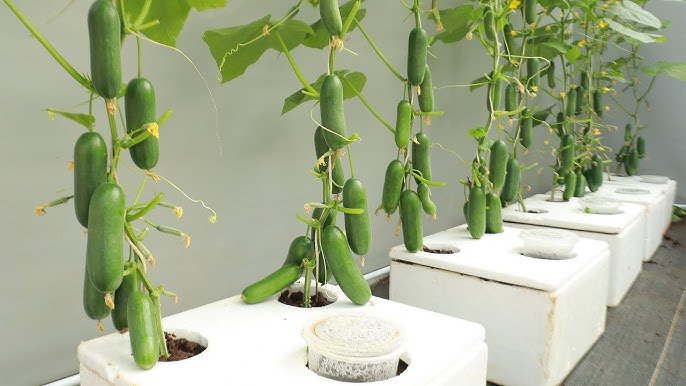
One of the most significant steps in this method is training cucumber vines vertically.
Why vertical growth works:
- Increases sunlight exposure to all leaves.
- Reduces the risk of fungal diseases caused by soil contact.
- Improves airflow, which supports faster growth and healthier plants.
- Makes harvesting easier and keeps fruits straight and attractive.
Vertical growing tips:
- Use trellis nets, bamboo sticks, or string supports.
- Tie vines loosely with soft ties to prevent damage.
- Guide new shoots along the trellis regularly.
By focusing on vertical growth, a single cucumber plant can produce more fruit than multiple plants grown conventionally.
Step 6: Watering and Mulching
Watering is critical for abundant cucumber growth. Uneven watering can cause bitter, misshapen, or stunted fruits.
Watering tips:
- Keep soil consistently moist but not waterlogged.
- Deep, slow watering encourages strong root systems.
- Avoid wetting the leaves to reduce the risk of mildew and fungal infections.
Mulching benefits:
- Retains soil moisture and prevents evaporation.
- Suppresses weeds and keeps soil temperature stable.
- Organic mulches like straw or coconut coir also add nutrients as they decompose.
Step 7: Fertilizing for Abundance
Nutrient management is key to achieving unbelievably abundant cucumber production.
Fertilization strategy:
- During early growth, use a nitrogen-rich fertilizer to encourage vine and leaf growth.
- Once flowers appear, switch to a fertilizer high in potassium and phosphorus to support fruiting and improve sweetness.
- Foliar sprays with micronutrients like magnesium, calcium, or iron enhance plant health and prevent blossom-end rot.
Proper fertilization ensures your cucumber plants remain vigorous and productive throughout the growing season.
Step 8: Pruning and Pinching
Unlike many home gardeners, this method emphasizes strategic pruning to maximize yield:
- Pinch off the growing tips of main vines once they reach the top of the trellis to encourage lateral branching.
- Remove yellow or diseased leaves to improve air circulation.
- Limit the number of flowers early in the season to allow the plant to focus energy on producing larger fruits.
Pruning is a critical step for producing bigger, healthier, and more abundant cucumbers.
Step 9: Pollination
Even if you choose parthenocarpic cucumbers, natural pollination can enhance fruit development.
Pollination tips:
- Encourage bees and other pollinators in your garden by planting flowering plants nearby.
- In greenhouses or indoor setups, hand-pollinate by gently brushing flowers with a soft paintbrush.
- Remove unpollinated flowers to save plant energy.
Good pollination ensures cucumbers grow fully and uniformly, improving both quantity and quality.
Step 10: Pest and Disease Management
Homegrown cucumbers are prone to pests and diseases, but vertical growth and careful care make management easier.
Common issues:
- Aphids and whiteflies: Spray with neem oil or insecticidal soap.
- Powdery mildew: Ensure proper spacing and airflow, avoid overhead watering, and apply fungicide if necessary.
- Slugs and snails: Use barriers or traps to protect young fruits.
Regular monitoring ensures that minor problems don’t escalate and affect overall production.
Step 11: Harvesting
Harvesting at the right time maximizes both yield and taste.
Cucumber harvesting tips:
- Pick cucumbers when they reach the desired size (usually 6–8 inches for slicing varieties).
- Harvest regularly, ideally every 2–3 days. Frequent harvesting encourages plants to produce more fruit.
- Use a sharp knife or scissors to cut the fruit rather than pulling it, which can damage the vine.
This method’s combination of vertical growth, pruning, and nutrient management ensures continuous and abundant harvests.
Step 12: Why This Method Produces Unbelievably Abundant Fruit
This innovative cucumber growing method works because it addresses every factor influencing growth and fruiting:
- Vertical growth: Maximizes space, sunlight, and airflow.
- Controlled nutrition: Ensures plants have the energy to produce more and larger fruits.
- Pruning and flower management: Directs resources to the best fruits.
- Proper watering and mulching: Keeps plants healthy and stress-free.
By optimizing these factors, a single cucumber plant can outperform multiple conventionally grown plants in both quantity and quality.
Final Thoughts
With this new method, you can transform your home garden into a cucumber paradise. Even if you have limited space, following these steps allows for unbelievably abundant fruit that’s crisp, juicy, and flavorful. Vertical growth, strategic pruning, careful nutrition, and proper care combine to produce cucumbers that are not only plentiful but also of exceptional quality.
Whether you’re growing cucumbers on a balcony, in a small backyard, or inside a greenhouse, this method ensures that every plant reaches its full potential. Homegrown cucumbers have never tasted so good—or produced so much. By adopting this approach, you’ll enjoy fresh, abundant cucumbers all season long and become the envy of every gardener in your neighborhood.