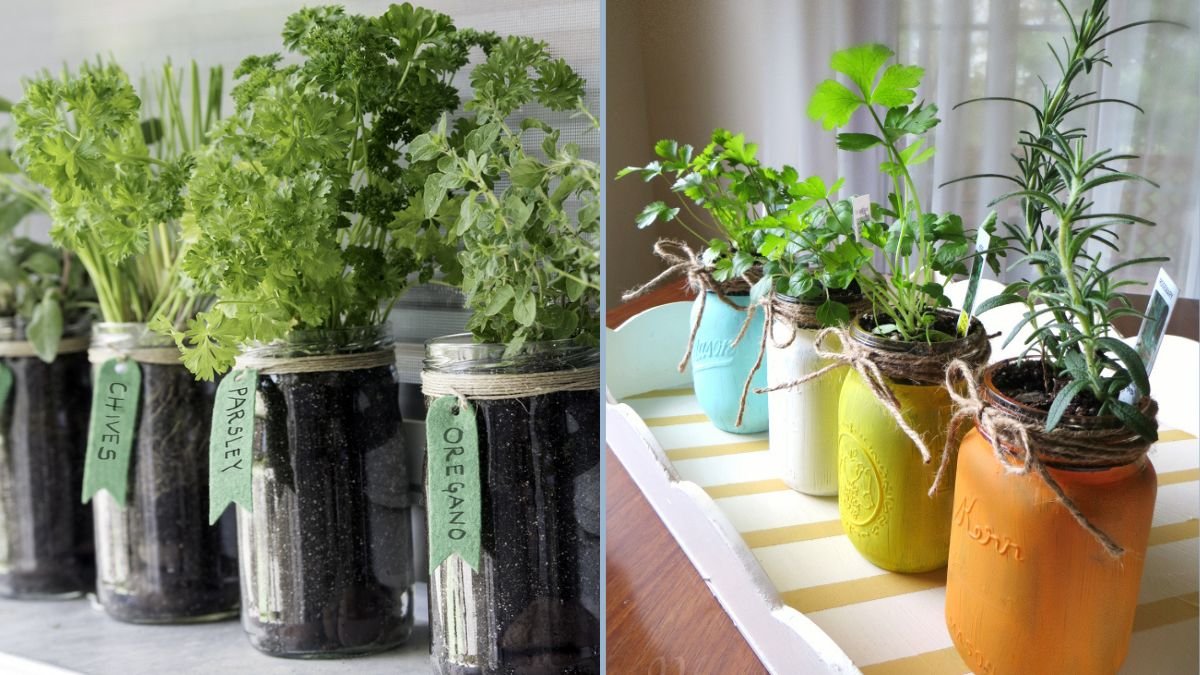
Growing fresh herbs at home has never been easier, even for those with limited space. A kitchen herb garden in jars is a practical, aesthetic, and sustainable solution for urban dwellers and anyone seeking fresh flavors year-round. From garnishing dishes to infusing teas, plant-based herbs grown in small containers provide both culinary and wellness benefits.
This article explores the complete process of starting a kitchen herb garden in jars, including herb selection, planting techniques, care, harvesting, storage, and creative culinary applications. By following these methods, gardeners can cultivate healthy, aromatic herbs in even the smallest kitchens.
1. Benefits of Growing Herbs in Jars
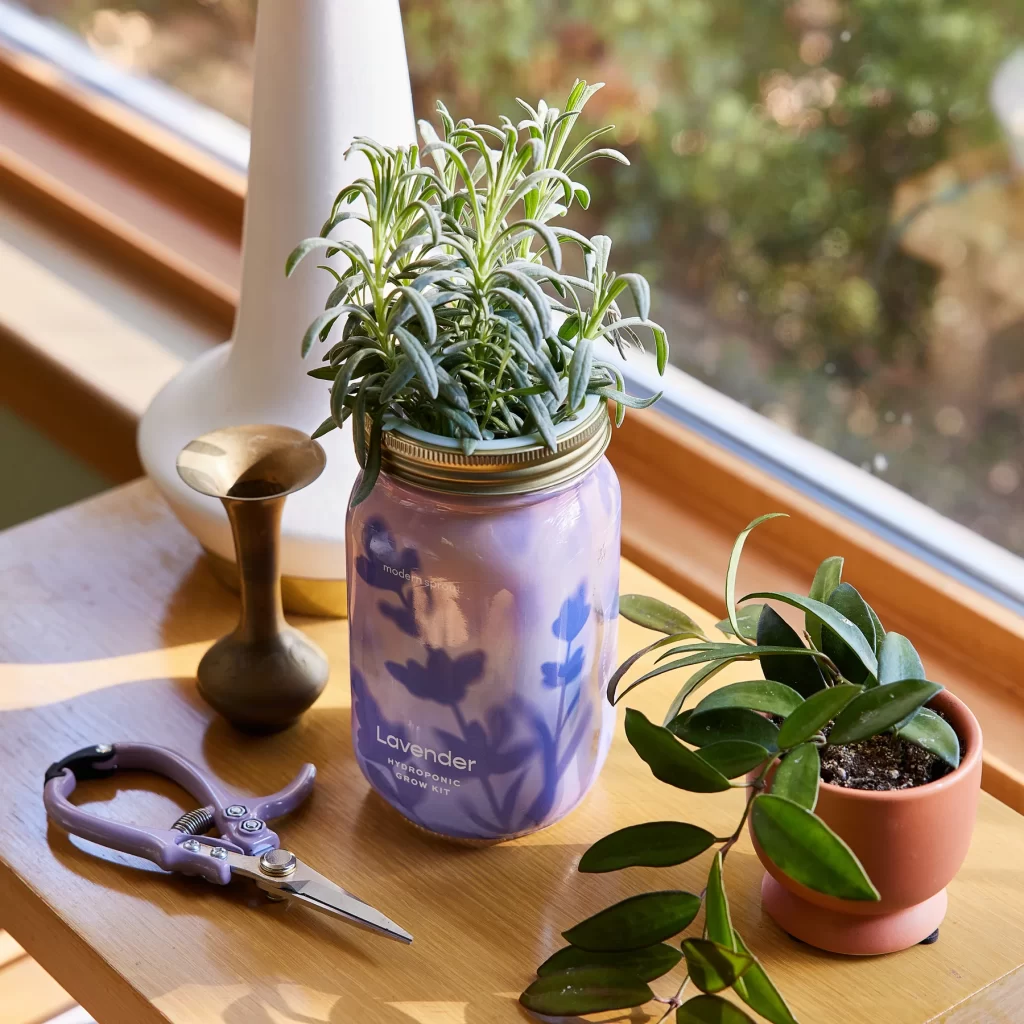
Container gardening in jars offers multiple advantages for home cooks and gardeners:
- Space Efficiency: Perfect for small kitchens, windowsills, and apartment living
- Freshness: Provides easy access to aromatic herbs for cooking
- Sustainability: Reduces reliance on store-bought herbs with packaging
- Aesthetic Appeal: Decorative jars add greenery and vibrancy to the kitchen
- Educational Value: Offers hands-on learning about plant growth and care
A jar-based herb garden allows for convenient, low-maintenance gardening while supporting plant-based culinary practices.
2. Choosing the Right Herbs for Jar Gardens
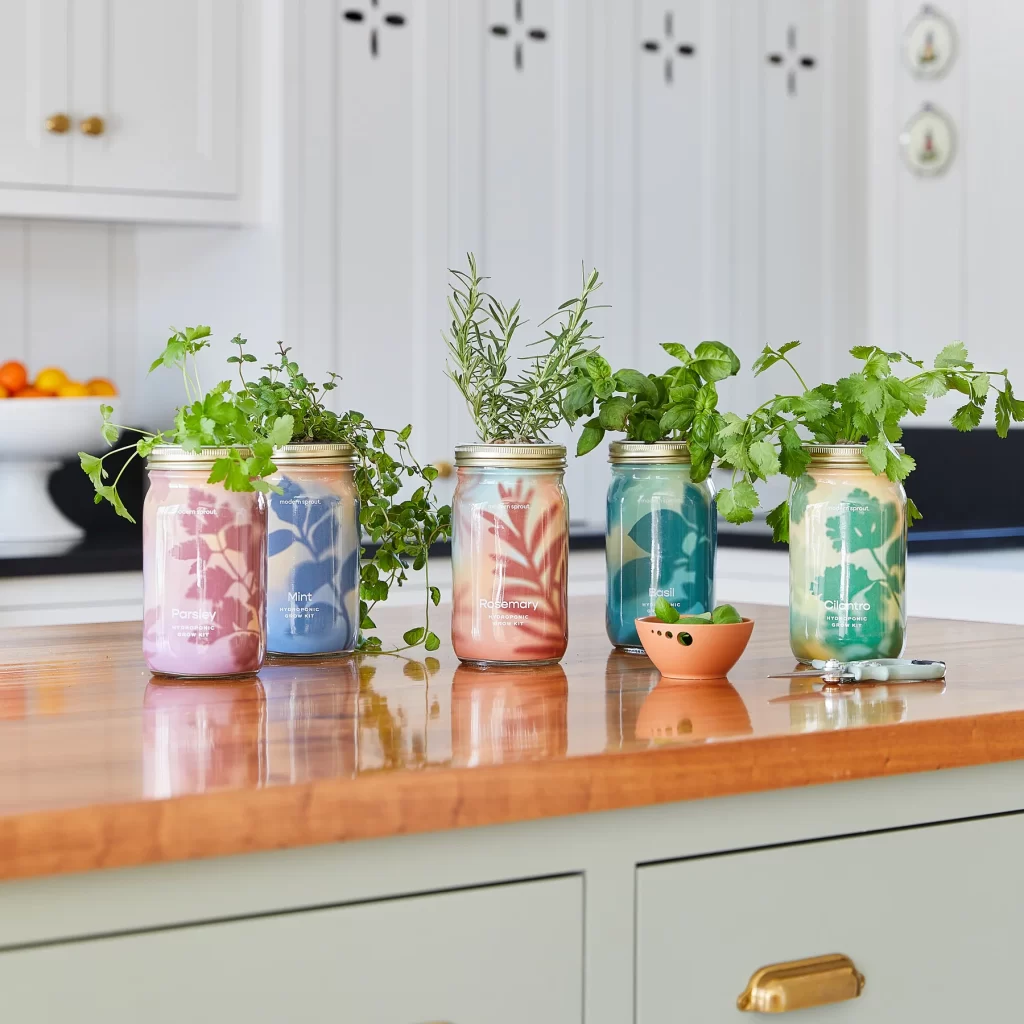
Not all herbs are equally suited for small container growth. Compact, slow-growing, or perennial herbs thrive best in jars.
Recommended Herbs
- Basil (Ocimum basilicum): Aromatic, flavorful, ideal for sauces and salads
- Mint (Mentha spp.): Refreshing leaves for teas, desserts, and dressings
- Parsley (Petroselinum crispum): Mild flavor for garnishing and cooking
- Cilantro (Coriandrum sativum): Bright, citrus-like flavor for sauces and salads
- Chives (Allium schoenoprasum): Mild onion flavor, perfect for toppings
- Thyme (Thymus vulgaris): Woody stems with concentrated flavor for soups and stews
- Rosemary (Rosmarinus officinalis): Aromatic evergreen for roasting and seasoning
Choosing herbs with similar light and water requirements simplifies maintenance.
3. Selecting Jars and Containers
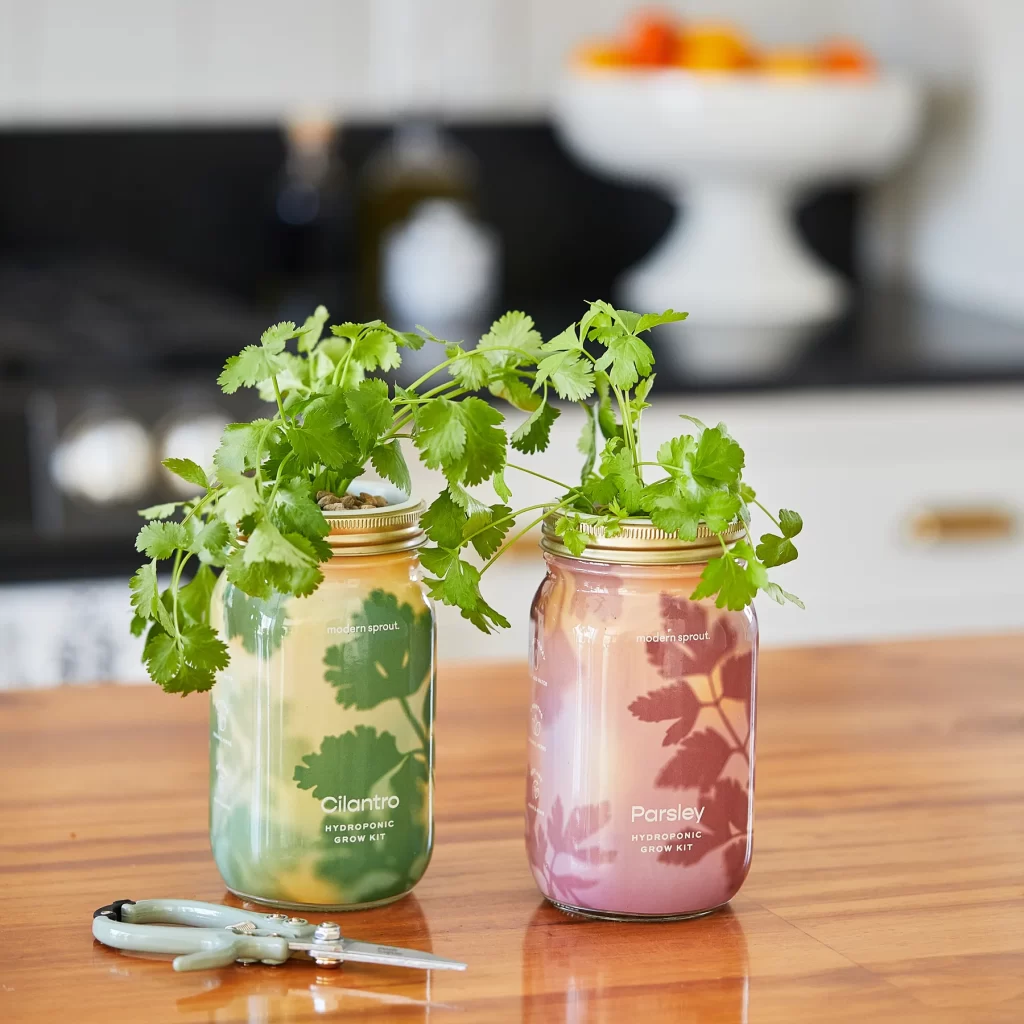
The choice of jars impacts plant health and growth.
Jar Selection
- Glass jars, mason jars, or small plant pots work well
- Ensure the jar is tall enough to accommodate root growth (minimum 4–6 inches deep)
- Recycled jars are a sustainable, cost-effective option
Drainage Solutions
- Without drainage holes: Add a layer of small pebbles or gravel at the bottom to prevent waterlogging
- With drainage: Use small pots inside decorative jars for aesthetic appeal and effective drainage
Proper container selection ensures healthy roots and prevents overwatering problems.
4. Choosing Soil for Jar Herb Gardens
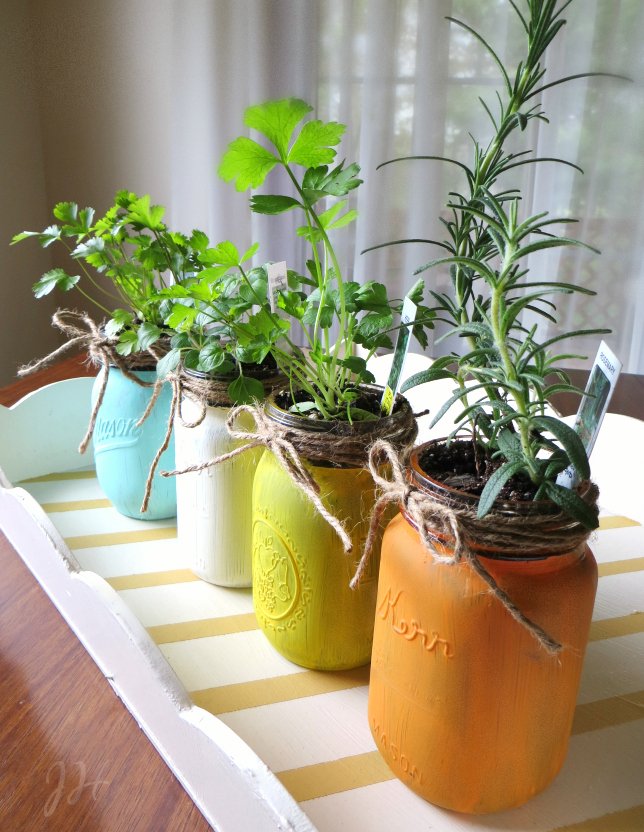
Herbs require well-draining, nutrient-rich soil to thrive.
Soil Recommendations
- Use high-quality, plant-based potting mix
- Mix with perlite or sand to improve drainage
- Optionally, enrich with compost or organic fertilizers for optimal growth
Soil Layering
- Drainage layer: Pebbles or small stones at the bottom
- Soil layer: Nutrient-rich potting mix
- Planting depth: Leave 1–2 inches from the top of the jar to prevent spillage when watering
Well-prepared soil promotes strong root development and healthy leaves.
5. Planting Herbs in Jars
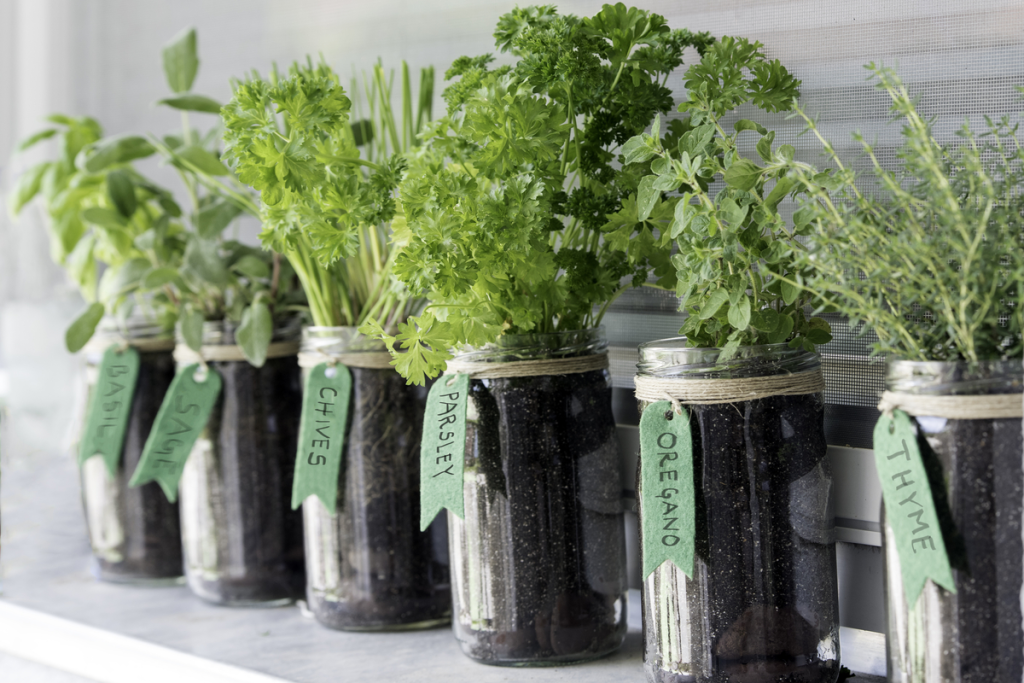
Herbs can be grown from seeds, cuttings, or small seedlings.
From Seeds
- Sow seeds 0.5–1 cm deep in the soil
- Keep soil consistently moist until germination
- Provide adequate light to prevent leggy growth
From Cuttings
- Select healthy stems and remove lower leaves
- Place stems in water until roots form
- Transplant rooted cuttings into jars with soil
From Seedlings
- Choose small, healthy plants
- Transplant carefully, avoiding root disturbance
- Water lightly after planting
Starting with quality seeds or seedlings ensures faster establishment and growth.
6. Light Requirements for Jar Gardens
Herbs need sufficient light to thrive.
Light Guidelines
- Sunny windowsill: South or east-facing windows provide 4–6 hours of sunlight
- Supplemental lighting: Use LED grow lights in low-light conditions for 6–8 hours per day
- Rotation: Rotate jars weekly for even light exposure
Adequate light prevents leggy growth and promotes vibrant, aromatic leaves.
7. Watering Herbs in Jars
Watering is critical in small containers, as jars have limited soil volume.
Watering Tips
- Water when the top 1–2 cm of soil feels dry
- Avoid overwatering to prevent root rot
- Mist leaves occasionally to maintain humidity for tender herbs like basil and cilantro
Indicators of Proper Moisture
- Soil is moist but not soggy
- Leaves are firm and vibrant, not wilted or yellowing
Consistent watering encourages steady growth and flavorful leaves.
8. Fertilizing Jar-Grown Herbs
Nutrients in small soil volumes deplete quickly, so light fertilization is necessary.
Fertilization Methods
- Use plant-based compost tea every 2–3 weeks
- Apply diluted organic liquid fertilizers suitable for edible plants
- Avoid chemical fertilizers that may alter flavor or damage plant health
Proper fertilization ensures sustained productivity and nutrient-rich leaves.
9. Pruning and Maintenance
Regular maintenance keeps herbs healthy and productive.
Pruning Tips
- Pinch or trim leaves regularly to encourage bushy growth
- Remove flowers from basil and cilantro to prevent early bolting
- Harvest outer leaves first, allowing inner leaves to grow
Pest Management
- Inspect for aphids, spider mites, or fungal issues
- Use neem oil or insecticidal soap for plant-safe pest control
- Maintain airflow around jars to reduce fungal growth
Consistent care prolongs harvests and ensures quality herbs.
10. Harvesting Herbs from Jars
Proper harvesting maximizes flavor and supports regrowth.
Timing
- Harvest in the morning for peak aroma and essential oils
- Avoid cutting more than one-third of the plant at a time
- Frequent harvesting encourages bushier growth and higher leaf production
Techniques
- Use sharp scissors or pinch leaves gently with fingers
- Cut just above a leaf node to stimulate new growth
Effective harvesting methods provide continuous access to fresh herbs for cooking.
11. Storing Fresh Herbs
Not all harvested herbs are used immediately, so storage is important.
Short-Term Storage
- Wrap leaves in damp paper towels and refrigerate for 3–5 days
- Place stems in a glass of water, covering loosely with a plastic bag in the fridge
Long-Term Storage
- Freeze chopped leaves in ice cube trays with water or olive oil
- Dry hardy herbs like thyme, rosemary, and parsley for later use in sauces and soups
Proper storage preserves flavor and aroma for future meals.
12. Culinary Uses of Jar-Grown Herbs
Fresh herbs from jars enhance a wide variety of plant-based dishes.
Basil
- Pesto, salads, sandwiches, and sauces
Mint
- Teas, desserts, smoothies, and garnishes
Parsley
- Soups, stews, salads, and herb blends
Cilantro
- Salsas, curries, salads, and grain dishes
Chives
- Toppings for soups, salads, and plant-based spreads
Thyme and Rosemary
- Roasted vegetables, stews, and infused oils
Jar-grown herbs offer convenience and freshness for everyday cooking.
13. Benefits of a Kitchen Herb Garden in Jars
- Freshness: Ready-to-use herbs enhance taste and aroma
- Sustainability: Reduces packaging waste and supports plant-based diets
- Aesthetics: Adds greenery and vibrancy to kitchen spaces
- Educational Value: Teaches plant care, seasonal growth, and sustainable gardening
- Cost-Effectiveness: Continuous harvest reduces grocery expenses
A jar garden blends practicality, sustainability, and culinary creativity in a compact form.
14. Common Mistakes and How to Avoid Them
- Using jars without drainage without adding a gravel layer
- Overwatering or neglecting to water consistently
- Placing jars in low-light areas
- Ignoring pruning, leading to leggy, sparse plants
- Overcrowding multiple herbs in a single jar
Avoiding these mistakes ensures healthy, productive, and flavorful herbs.
15. Conclusion
Starting a kitchen herb garden in jars is a practical and rewarding way to cultivate fresh, aromatic herbs in small spaces. By selecting suitable herbs, using proper containers, providing adequate light and water, and practicing regular maintenance, gardeners can enjoy a continuous supply of flavorful leaves year-round.
A jar-based garden not only supports sustainable, plant-based cooking but also adds aesthetic charm to the kitchen. From basil and parsley to mint and cilantro, these compact gardens make it easy to harvest, store, and incorporate fresh herbs into meals.
With careful planting, consistent care, and mindful harvesting, even the smallest kitchen can host a thriving herb garden, providing culinary inspiration, nutritional benefits, and a touch of natural beauty every day.