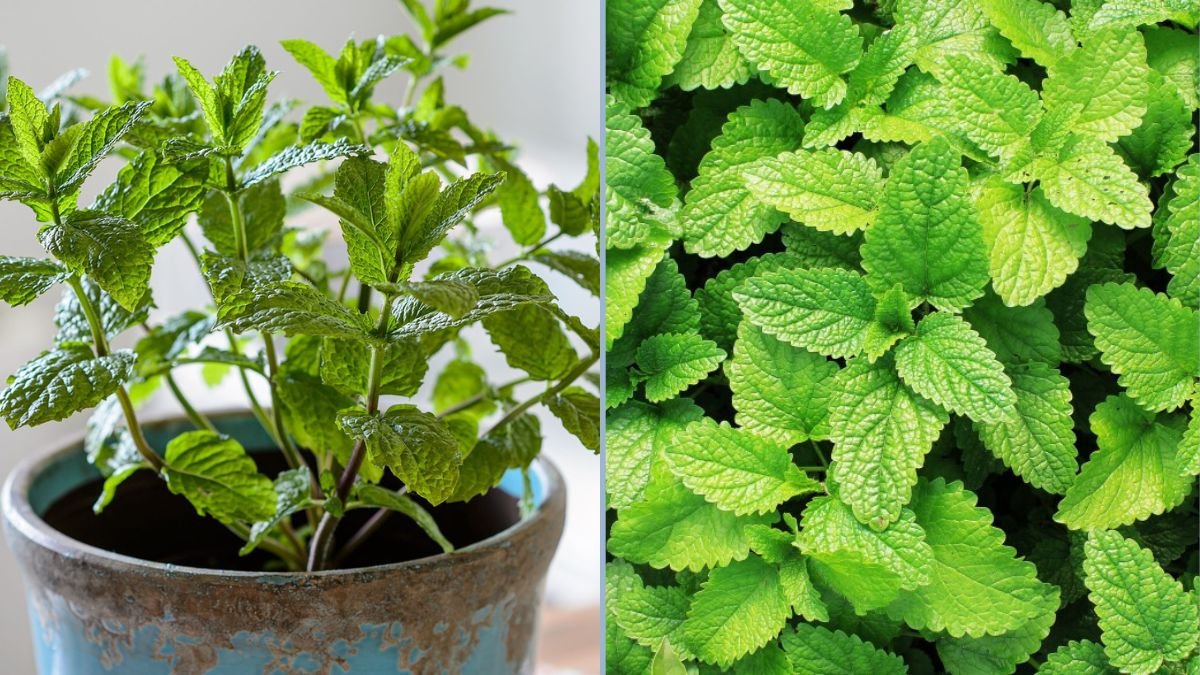
Mint (Mentha spp.) is one of the most popular herbs for home gardens due to its refreshing aroma, flavorful leaves, and versatile culinary and medicinal applications. From teas and desserts to sauces and salads, mint is widely used around the world. However, its vigorous growth habit can make it invasive, quickly taking over garden beds and containers if left unchecked.
For gardeners, learning how to cultivate mint effectively without allowing it to dominate space is essential. This article provides a comprehensive guide to growing mint responsibly, including container strategies, soil preparation, watering, pruning, propagation, and usage. It also explores sustainable, plant-based practices suitable for small indoor or outdoor gardens.
1. Understanding Mint and Its Growth Habit
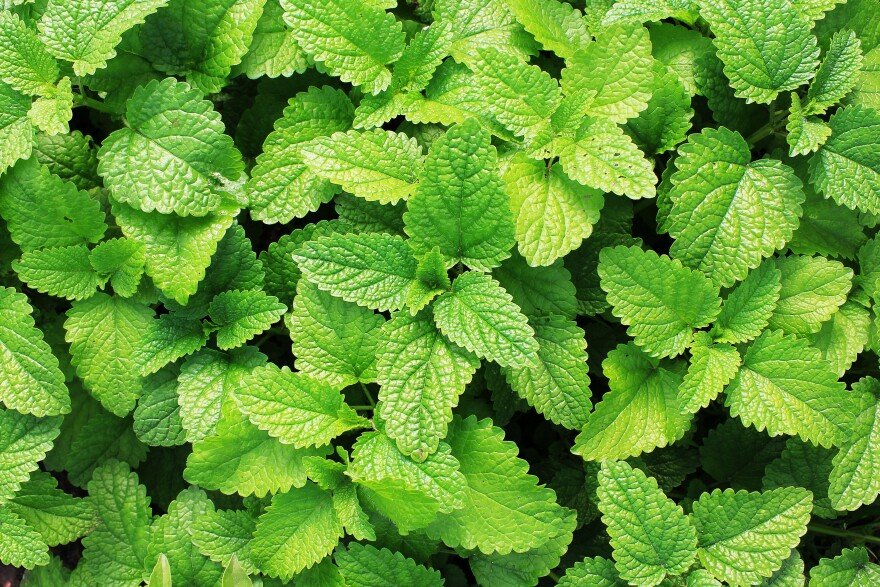
Mint is a hardy perennial herb that spreads via rhizomes—underground stems that produce new shoots and roots. While this growth pattern allows for rapid propagation, it also means that mint can quickly crowd other plants or escape intended growing areas.
Key Characteristics
- Fast-growing with creeping rhizomes
- Thrives in full sun to partial shade
- Prefers moist, well-draining, nutrient-rich soil
- Can survive in a variety of climates with minimal maintenance
Understanding these characteristics helps gardeners plan containment strategies to prevent uncontrolled spread.
2. Selecting the Right Mint Variety
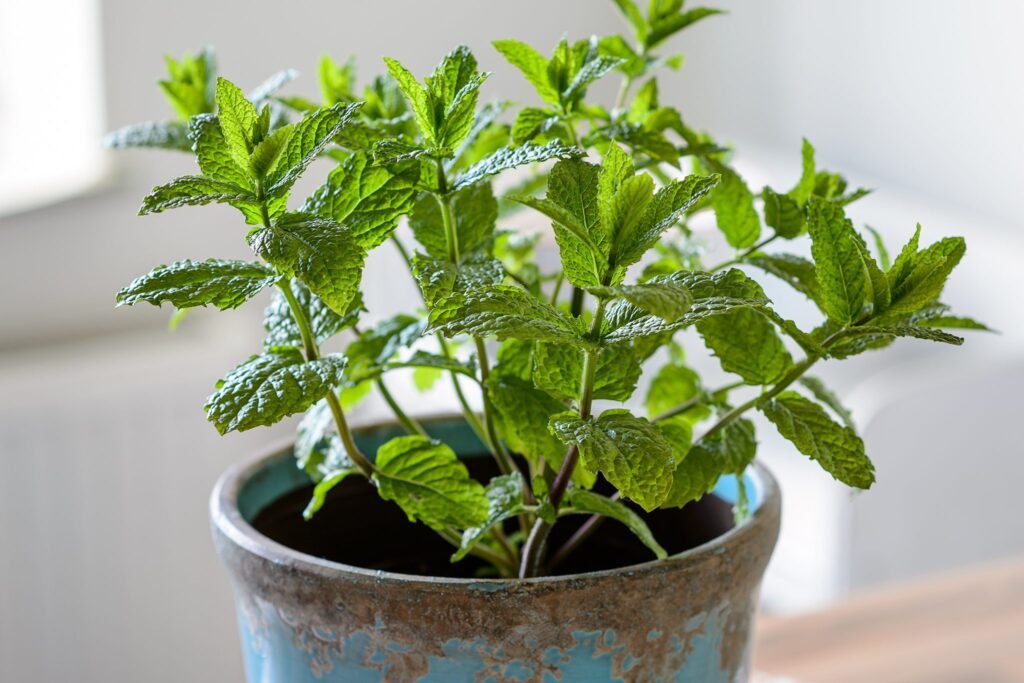
Choosing the right variety of mint can influence growth habits and flavor profiles.
Popular Varieties
- Spearmint (Mentha spicata): Mild, sweet flavor; versatile for teas and dishes
- Peppermint (Mentha × piperita): Strong, cooling flavor; ideal for infusions and desserts
- Chocolate Mint: Subtle chocolate notes; perfect for beverages and baked goods
- Apple Mint (Mentha suaveolens): Fruity aroma; good for salads and teas
- Curly Mint: Ornamental and culinary; grows compactly
Choosing varieties suited for container growth or small spaces makes it easier to control expansion while enjoying diverse flavors.
3. Growing Mint in Containers
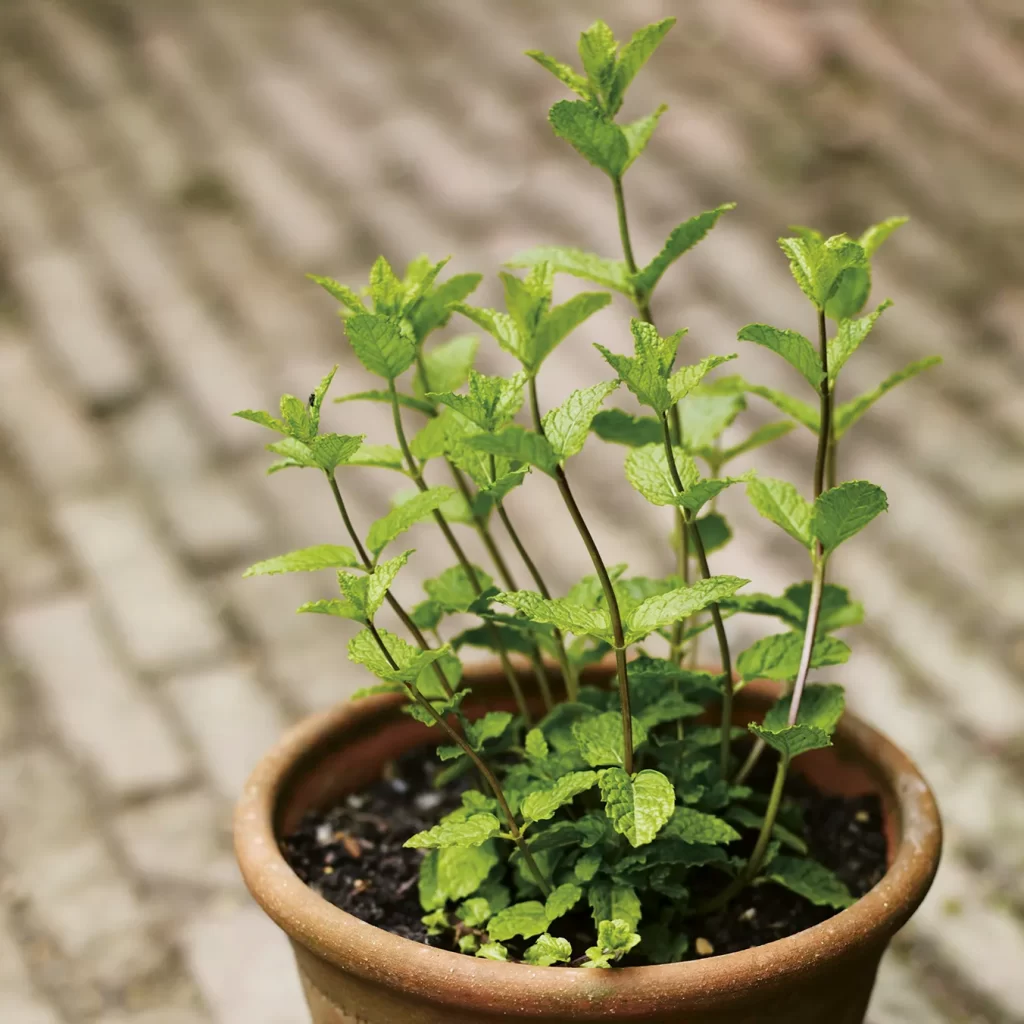
Container gardening is one of the most effective ways to prevent mint from taking over a garden.
Container Selection
- Medium to large pots (8–12 inches or more) allow root space while preventing escape
- Containers with drainage holes prevent waterlogging and root rot
- Consider using self-watering containers for consistent moisture
Placement
- South- or east-facing windows provide ample light for indoor mint
- For outdoor containers, place in partial shade in hot climates
- Rotate pots periodically for even growth
Container growth ensures mint stays contained while still thriving.
4. Soil and Fertilization
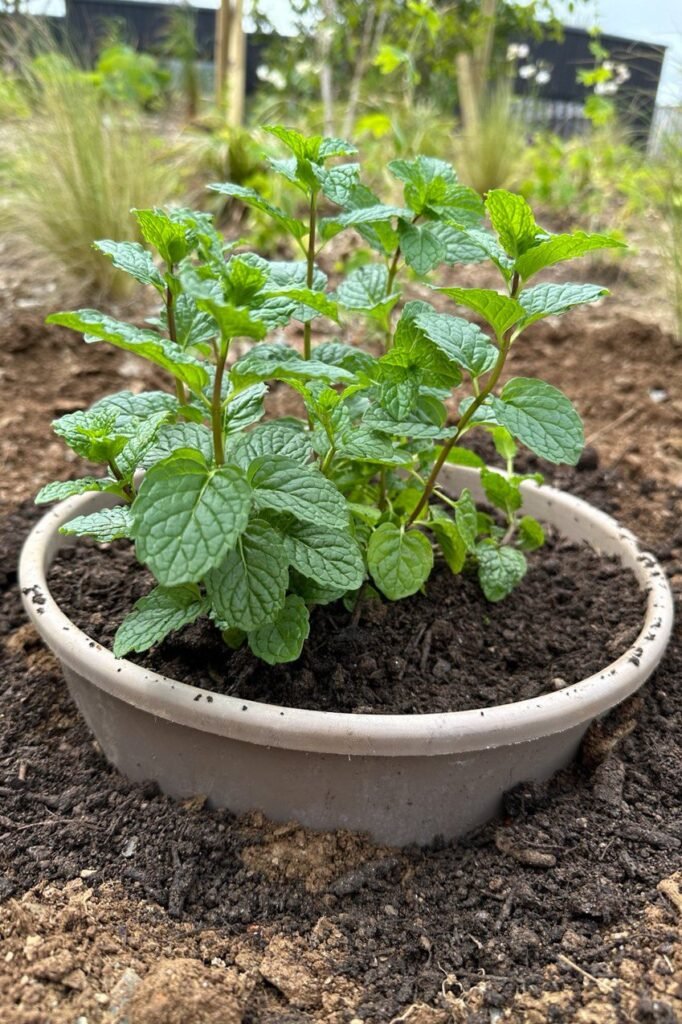
Healthy soil encourages robust growth without promoting uncontrolled spreading.
Soil Requirements
- Well-draining, rich in organic matter
- Plant-based potting mixes work best for indoor or balcony gardens
- Slightly acidic to neutral pH (6.0–7.0) is optimal
Fertilization
- Use plant-based compost, compost tea, or diluted seaweed extract every 3–4 weeks
- Avoid over-fertilizing; excess nutrients can accelerate invasive growth
- Balanced nutrition encourages healthy leaves without excessive stem elongation
Proper soil and fertilization support controlled, productive growth.
5. Watering Mint
Mint prefers moist soil but is prone to root rot if overwatered.
Watering Guidelines
- Water when the top 1–2 inches of soil feel dry
- Ensure even moisture without saturating containers
- Mulch lightly with shredded leaves or coconut coir to retain soil moisture
Consistent watering encourages strong leaves and prevents stress-induced invasiveness.
6. Pruning and Maintenance
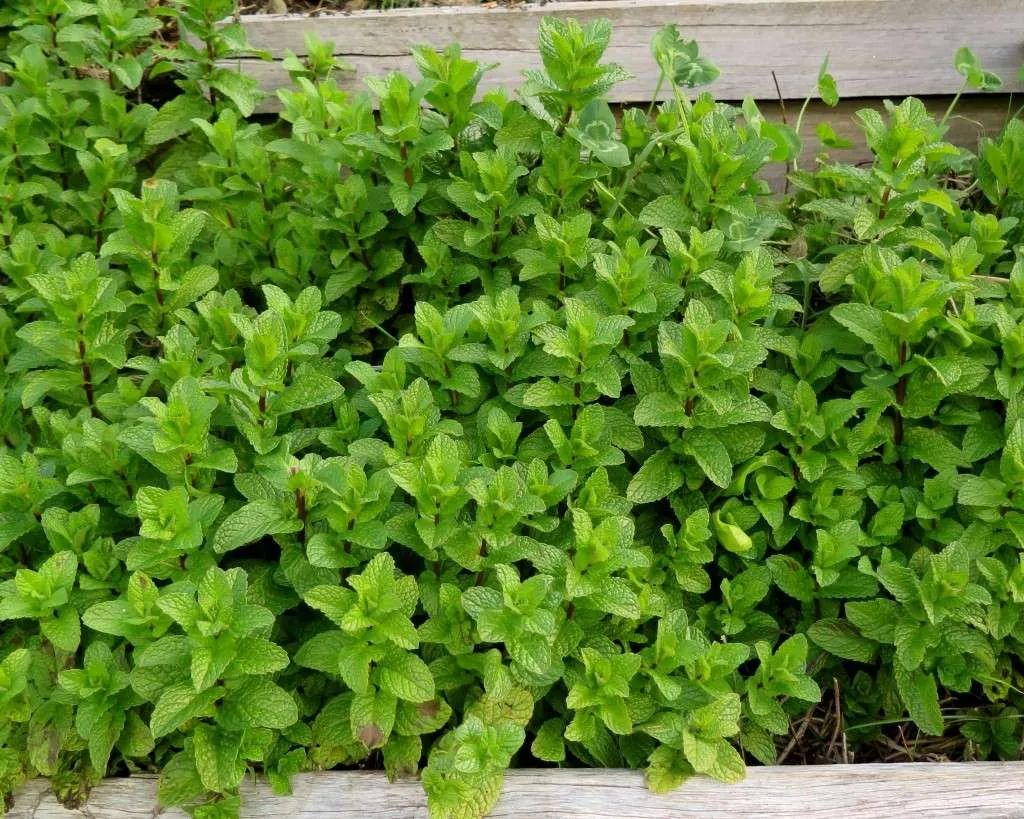
Regular pruning is essential to prevent mint from becoming leggy, flowering excessively, or spreading uncontrollably.
Pruning Tips
- Pinch or cut stems regularly to encourage bushy growth
- Remove flowers promptly to prevent self-seeding and encourage leaf production
- Harvest leaves frequently to maintain compact growth
Pruning not only controls size but also enhances flavor and aroma.
7. Propagation Without Overgrowth
Mint is easily propagated through cuttings or division. Controlling propagation is critical to prevent it from taking over.
Propagation Methods
- Stem Cuttings
- Cut 4–6 inch healthy stems
- Root in water or moist soil for 1–2 weeks
- Transplant into a dedicated container or garden bed
- Division
- Divide established plants carefully, ensuring rhizomes remain contained
- Plant in separate containers to prevent spread
Avoid Direct Ground Planting
- If grown in open garden beds, install barriers to prevent underground spread
- Use deep pots or root barriers to limit rhizome expansion
Propagation with containment ensures a continuous supply of mint without overwhelming other plants.
8. Controlling Spread in Outdoor Gardens
For gardeners who prefer mint in beds rather than containers, careful planning is necessary.
Methods to Prevent Overgrowth
- Root Barriers: Install plastic or metal barriers 12–18 inches deep to contain rhizomes
- Raised Beds: Use enclosed raised beds lined with barriers for better control
- Regular Harvesting: Frequent cutting and pruning reduces chances of spreading
- Monitoring: Inspect surrounding soil and remove any emerging shoots promptly
These strategies allow mint to thrive while coexisting with other plants.
9. Harvesting Mint Effectively
Harvesting is not only for culinary use but also helps manage growth.
Best Practices
- Harvest in the morning for peak flavor and essential oil content
- Pinch leaves from the top to encourage lateral growth
- Do not remove more than one-third of the plant at a time to maintain vigor
Regular harvesting keeps mint compact, productive, and flavorful.
10. Uses of Mint
Mint is a versatile herb with numerous culinary and wellness applications.
Culinary Uses
- Teas and Infusions: Fresh leaves steeped in hot water provide refreshing herbal drinks
- Salads and Dressings: Adds a fresh, cooling flavor
- Sauces and Pestos: Pairs well with peas, yogurt, and grains
- Desserts and Beverages: Garnish for chocolates, smoothies, and lemonade
Wellness Applications
- Aromatherapy: Mint’s scent promotes relaxation and alertness
- Digestive Aid: Fresh or dried mint aids digestion and reduces bloating
- Herbal Infusions: Used in calming or cooling teas
Controlled growth ensures a constant supply for culinary and wellness purposes.
11. Sustainable Practices
Growing mint responsibly involves sustainable gardening practices.
Plant-Based Care
- Use compost, seaweed extract, or organic fertilizers
- Avoid chemical pesticides; instead, opt for neem oil or natural sprays
Waste Reduction
- Harvest excess leaves and dry them for later use
- Repurpose pruned stems in herbal teas, infusions, or plant-based remedies
Sustainable practices keep mint healthy while protecting the environment.
12. Common Mistakes and How to Avoid Them
Mistakes
- Planting mint directly in open garden beds without barriers
- Overwatering or under-watering
- Neglecting pruning, resulting in leggy growth and spreading
- Ignoring rhizome spread underground
- Allowing mint to flower excessively without harvesting
Avoidance Strategies
- Use containers or root barriers
- Water consistently without saturating soil
- Harvest and prune regularly
- Monitor and remove rogue shoots promptly
- Pinch off flowers to maintain leaf quality
Avoiding these mistakes ensures a productive, contained, and flavorful mint garden.
13. Benefits of Growing Mint Responsibly
- Flavor and Aroma: Fresh mint enhances a wide variety of dishes and beverages
- Health Benefits: Rich in antioxidants, supports digestion, and has calming effects
- Controlled Growth: Prevents invasive spread while maintaining a sustainable supply
- Space Efficiency: Compact container gardening suits small kitchens, balconies, and windowsills
- Educational Value: Teaches propagation, pruning, and responsible gardening practices
Responsible cultivation maximizes benefits while minimizing challenges.
14. Conclusion
Mint is an incredibly versatile and rewarding herb, but its invasive growth habit requires careful management. By understanding its rhizome-based spreading mechanism, selecting appropriate varieties, and utilizing containers, root barriers, or raised beds, gardeners can enjoy abundant mint without it taking over their space.
Regular pruning, harvesting, and controlled propagation keep the plant compact, productive, and flavorful. Sustainable, plant-based care and responsible watering practices further enhance mint growth while protecting the environment.
Whether grown indoors on a windowsill, in a compact kitchen container, or in a carefully managed garden bed, mint can thrive year-round when properly contained. By following these strategies, gardeners can enjoy fresh, aromatic leaves for teas, culinary dishes, and herbal remedies without the risk of uncontrolled spread.
Growing mint responsibly combines culinary enjoyment, wellness benefits, and sustainable gardening, making it an essential skill for both novice and experienced home gardeners.