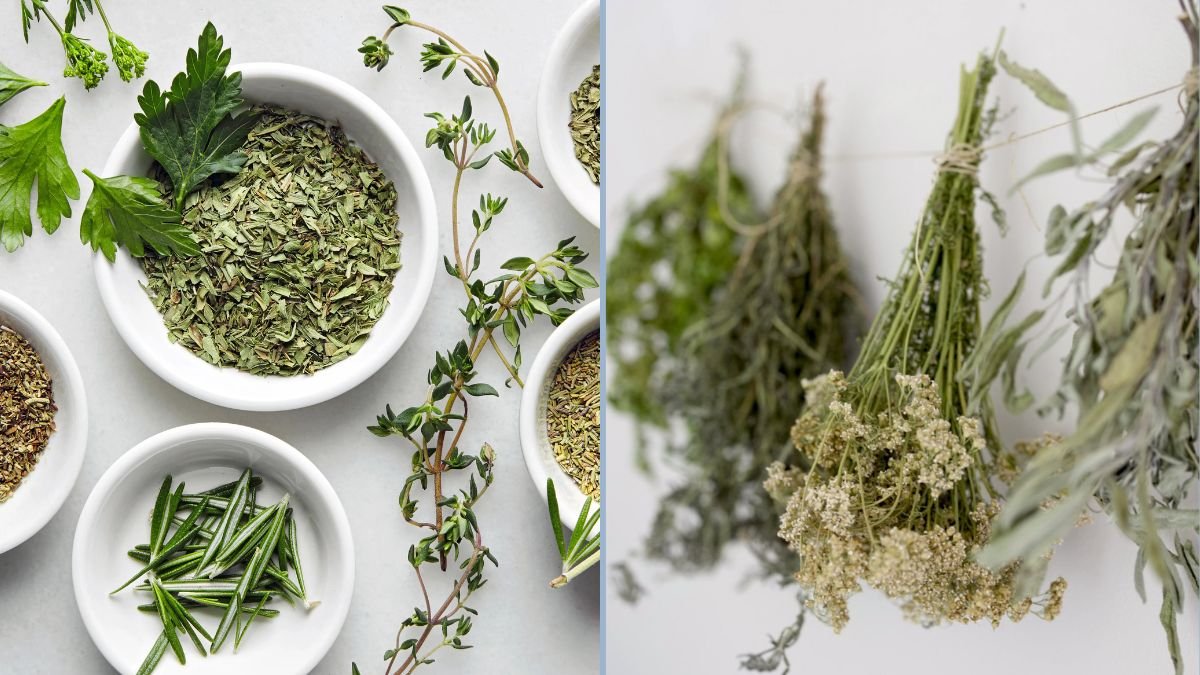
Growing fresh herbs at home is an enjoyable and rewarding practice, offering both culinary and medicinal benefits. However, the short shelf-life of fresh herbs often limits their availability throughout the year. Drying herbs is an effective, sustainable method to preserve flavor, aroma, and nutrients for long-term use. Properly dried herbs maintain their potency and can be used in cooking, teas, infusions, and natural remedies long after harvest.
This article provides a comprehensive guide to drying herbs for long-term storage, including harvesting techniques, drying methods, storage strategies, and usage tips. It also emphasizes ethical, plant-based practices suitable for home gardeners and small-scale growers.
1. Understanding Herb Preservation
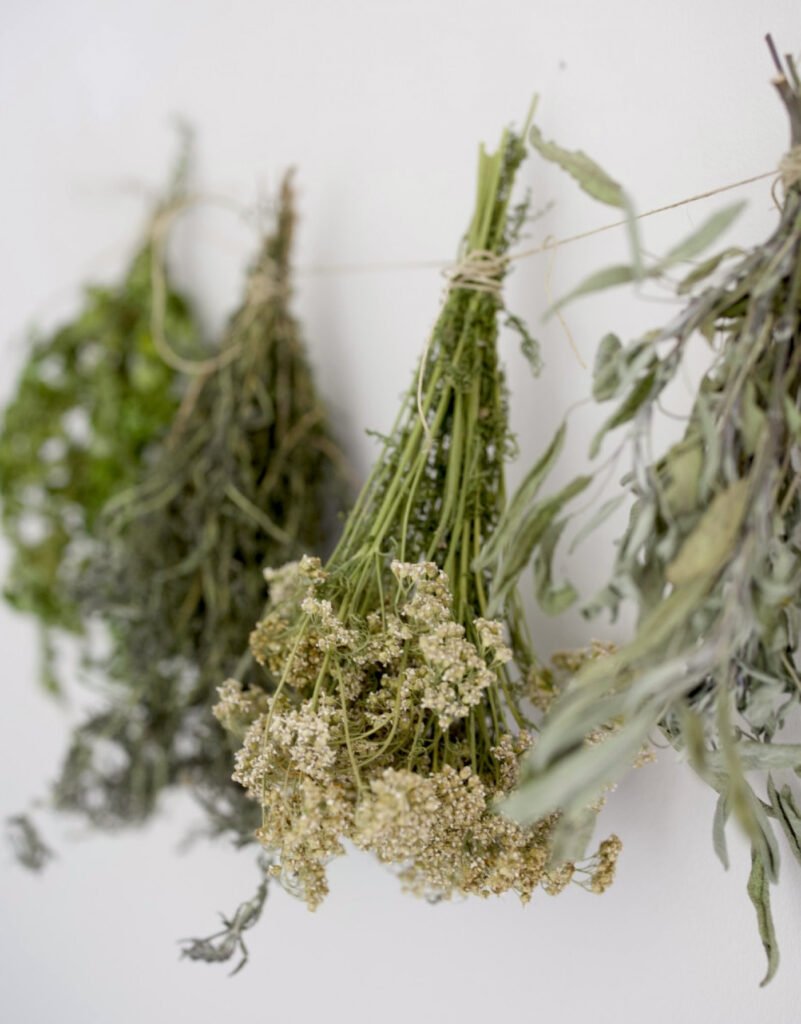
Herbs contain volatile oils responsible for flavor, aroma, and medicinal properties. When fresh, these oils are at their peak; however, without preservation, they degrade rapidly due to exposure to air, light, and moisture. Drying is a natural preservation method that reduces water content, slows enzymatic activity, and prevents microbial growth, allowing herbs to retain quality for months.
Benefits of Drying Herbs
- Extends shelf-life, allowing year-round use
- Concentrates flavors, reducing the quantity needed in recipes
- Reduces waste from surplus harvests
- Supports sustainable, plant-based culinary practices
Understanding these benefits helps gardeners prioritize proper drying and storage techniques.
2. Selecting Herbs for Drying
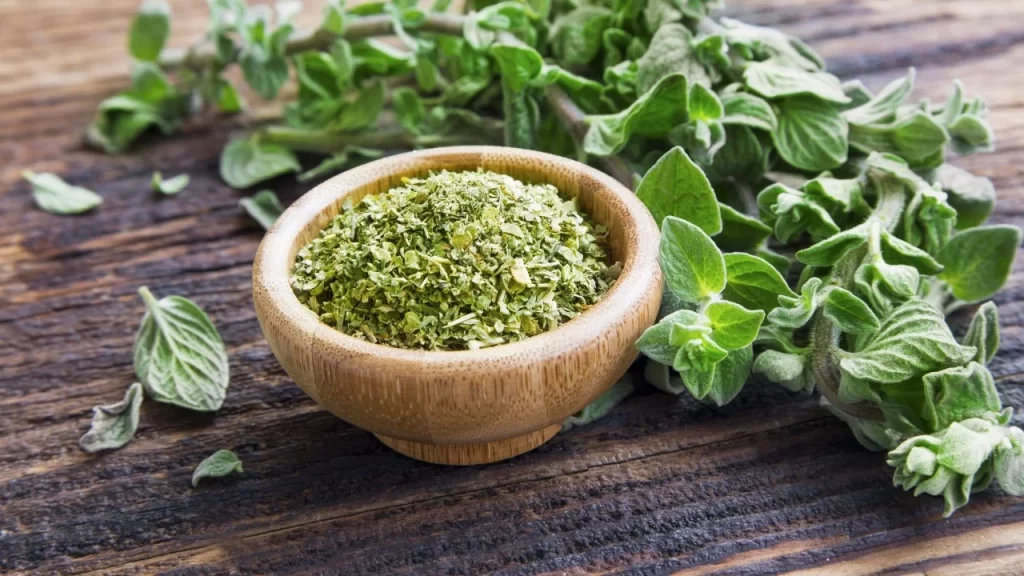
Not all herbs are equally suited for drying. Woody, sturdy herbs generally retain flavor better than delicate, leafy herbs.
Suitable Herbs
- Woody Herbs: Rosemary, thyme, oregano, sage, savory
- Tender Herbs: Basil, mint, lemon balm, parsley, cilantro
- Flowers for Tea: Chamomile, lavender, calendula
Considerations
- Harvest herbs at peak flavor, usually before flowering for leaves
- Avoid harvesting after rain or watering to reduce moisture content
- Use healthy, pest-free plants to ensure high-quality dried herbs
Choosing the right herbs and timing the harvest is essential for successful long-term storage.
3. Harvesting Herbs for Drying
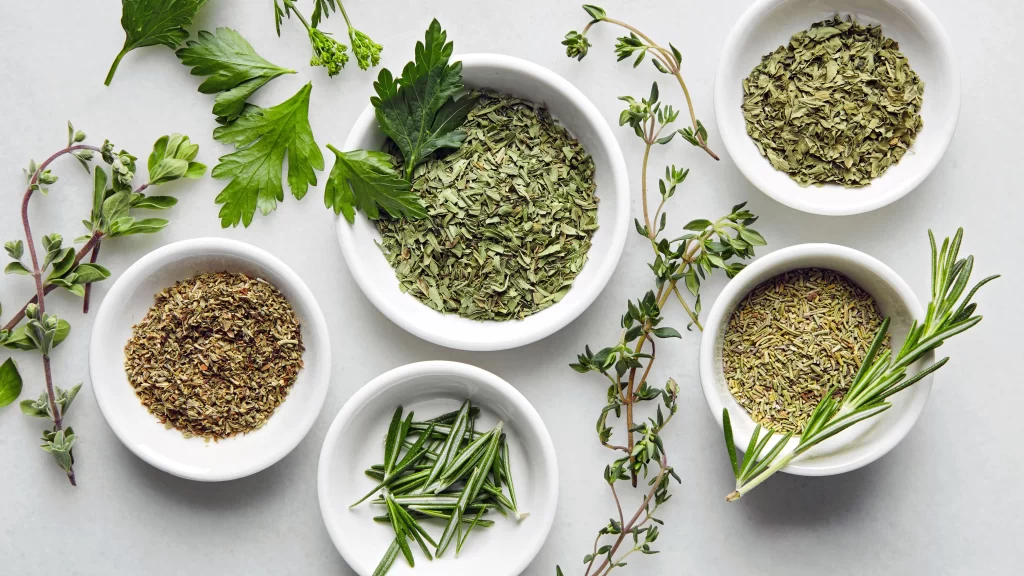
Proper harvesting techniques preserve essential oils and maintain plant health.
General Guidelines
- Harvest in the morning, after dew evaporates but before midday heat
- Use sharp scissors or garden shears to minimize plant damage
- Leave enough foliage on the plant to allow continued growth
Specific Tips
- Woody herbs: Cut stems 4–6 inches long for easier bundling
- Tender herbs: Pinch or cut small portions of leaves, avoiding entire plant removal
- Flowers: Harvest fully open blooms for maximum flavor and aroma
Correct harvesting ensures herbs remain flavorful, aromatic, and ready for effective drying.
4. Preparing Herbs for Drying
Preparation enhances drying efficiency and final quality.
Steps
- Cleaning: Gently rinse herbs to remove dust, insects, or debris
- Drying Off Moisture: Pat herbs dry with a clean cloth or paper towel to reduce surface water
- Trimming: Remove damaged or discolored leaves and woody stems that will not be used
- Bundling: Group stems in small bundles (3–6 stems) tied loosely with twine or rubber bands
Preparation ensures even drying and prevents mold or flavor loss.
5. Methods of Drying Herbs
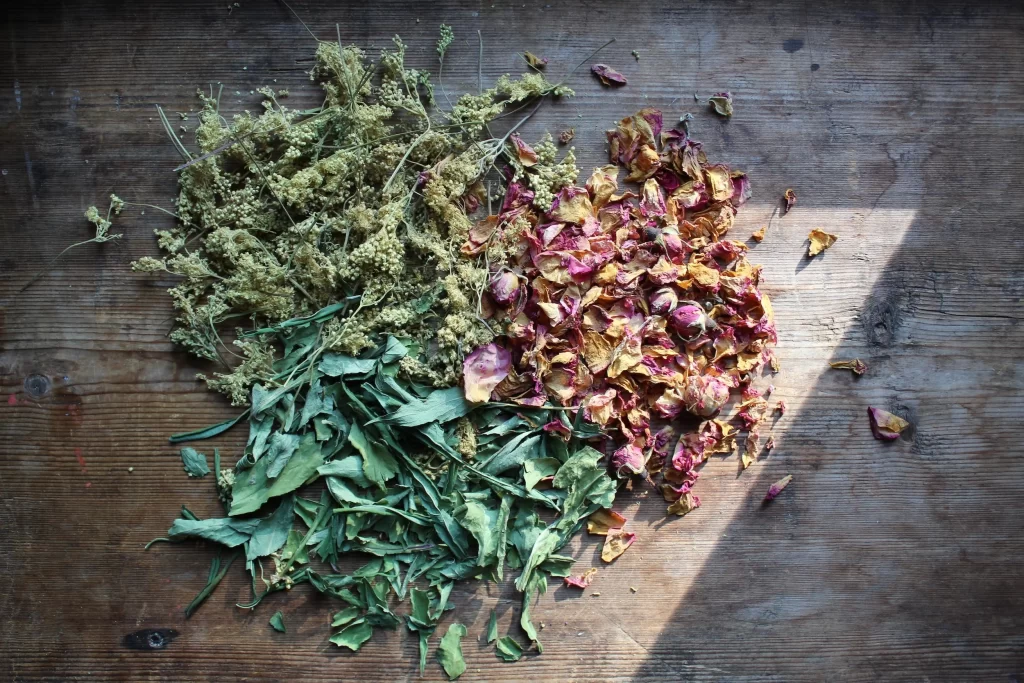
Several methods can be used to dry herbs, each suitable for different types of herbs and available space.
Air Drying
- Ideal for woody herbs like rosemary, thyme, and oregano
- Steps:
- Tie small bundles and hang upside down in a cool, dry, well-ventilated, dark space
- Ensure bundles do not touch to allow airflow
- Drying may take 1–3 weeks depending on humidity
- Advantages: Simple, energy-efficient, maintains flavor
Tray or Screen Drying
- Suitable for tender herbs like basil, parsley, and mint
- Steps:
- Spread leaves in a single layer on mesh trays or screens
- Place in a warm, dry, dark area with good airflow
- Turn leaves occasionally for even drying
- Advantages: Prevents crowding and preserves delicate leaves
Oven Drying
- Useful for small batches or humid climates
- Steps:
- Set oven to low heat (35–45°C)
- Place herbs on baking sheets in a single layer
- Check frequently; dry until leaves crumble easily
- Advantages: Quick drying, controllable environment
Dehydrator Drying
- Electric dehydrators offer consistent heat and airflow
- Steps:
- Spread herbs evenly on dehydrator trays
- Set temperature to 35–45°C
- Dry until crisp, usually 2–6 hours depending on herb type
- Advantages: Efficient, retains color and essential oils
Each method should maintain low temperatures to preserve flavor, color, and aromatic compounds.
6. Checking for Proper Drying
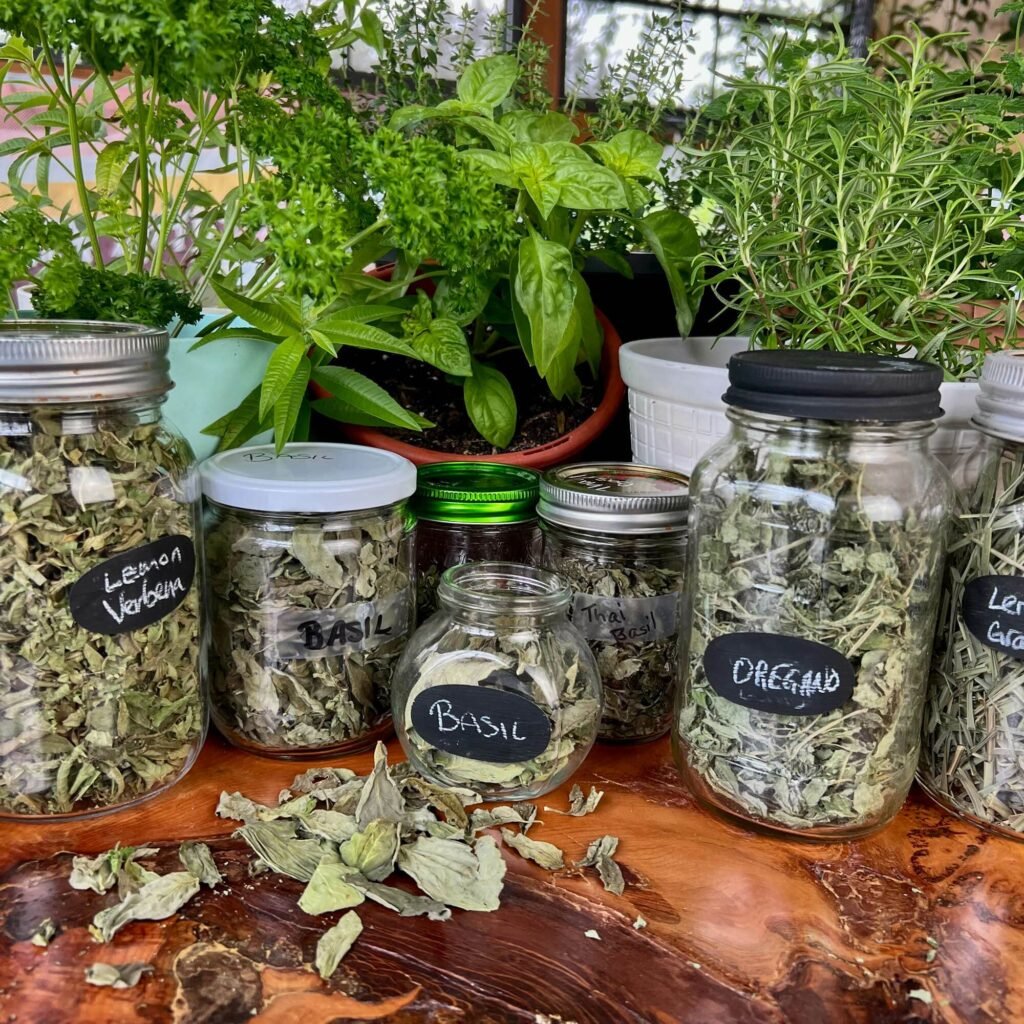
Herbs are ready for storage when completely dry.
Indicators
- Leaves crumble easily between fingers
- Stems snap rather than bend (for woody herbs)
- No visible moisture or dampness remains
Incomplete drying may lead to mold or spoilage, reducing shelf-life.
7. Storing Dried Herbs
Proper storage is critical for maintaining flavor, aroma, and potency.
Storage Containers
- Airtight glass jars, tins, or resealable bags
- Avoid plastic containers that may retain moisture or odors
Storage Environment
- Dark, cool, and dry areas, away from heat, sunlight, or humidity
- Avoid storing near ovens, stovetops, or windows
Labeling
- Include herb name and drying date
- Rotate older herbs first to ensure usage before potency declines
Correct storage can preserve dried herbs for 6–12 months while maintaining aroma and flavor.
8. Using Dried Herbs
Dried herbs are versatile and concentrated, providing flavor and nutritional benefits in cooking and herbal remedies.
Culinary Applications
- Soups and Stews: Add during cooking for aromatic depth
- Sauces and Marinades: Use smaller quantities than fresh herbs due to concentration
- Breads and Baked Goods: Incorporate dried herbs for flavor without moisture
Herbal Remedies
- Infusions/Teas: Steep leaves or flowers in hot water for teas
- Aromatherapy: Dried herbs can be used in sachets or potpourri
- Infused Oils or Vinegars: Combine dried herbs with plant-based oils for culinary or topical use
Dried herbs maintain much of their nutritional and aromatic qualities, making them valuable for year-round use.
9. Combining Herbs for Blends
Creating herb blends allows gardeners to enjoy customized flavors.
Blending Tips
- Mix complementary herbs such as rosemary, thyme, and oregano for Mediterranean seasoning
- Combine mint, lemon balm, and chamomile for relaxing teas
- Store blended herbs in airtight containers labeled with ingredients and date
Herb blending enhances culinary versatility and supports sustainable home cooking practices.
10. Advantages of Home-Dried Herbs
- Sustainability: Reduces dependency on commercially packaged herbs
- Cost-Effective: Preserves surplus harvest for long-term use
- Flavor Control: Freshly dried herbs retain maximum aroma
- Educational Value: Teaches seasonal harvesting, drying, and storage techniques
- Aesthetic and Wellness Benefits: Provides fragrant, flavorful herbs for culinary and medicinal purposes
Home-dried herbs bridge gardening, sustainability, and culinary creativity.
11. Common Mistakes to Avoid
- Harvesting wet or damaged herbs
- Overcrowding during drying, leading to mold
- Using high heat that degrades essential oils
- Storing in warm, light-exposed areas
- Neglecting to label jars with dates and herb names
Avoiding these mistakes ensures flavorful, long-lasting herbs suitable for year-round use.
12. Conclusion
Drying herbs for long-term storage is a sustainable and practical solution for home gardeners seeking year-round culinary and medicinal benefits. By selecting suitable herbs, harvesting at peak flavor, preparing carefully, and choosing the right drying method, gardeners can preserve aroma, flavor, and nutrients effectively. Proper storage in dark, cool, airtight containers ensures herbs remain potent for months, supporting sustainable, plant-based cooking and natural remedies.
Combining dried herbs into custom blends enhances culinary creativity and promotes wellness, while ethical gardening practices and careful handling maintain both quality and environmental responsibility. With attention to detail and adherence to proper techniques, drying herbs transforms a seasonal harvest into a year-round resource, making it an essential skill for home gardeners and herbal enthusiasts alike.