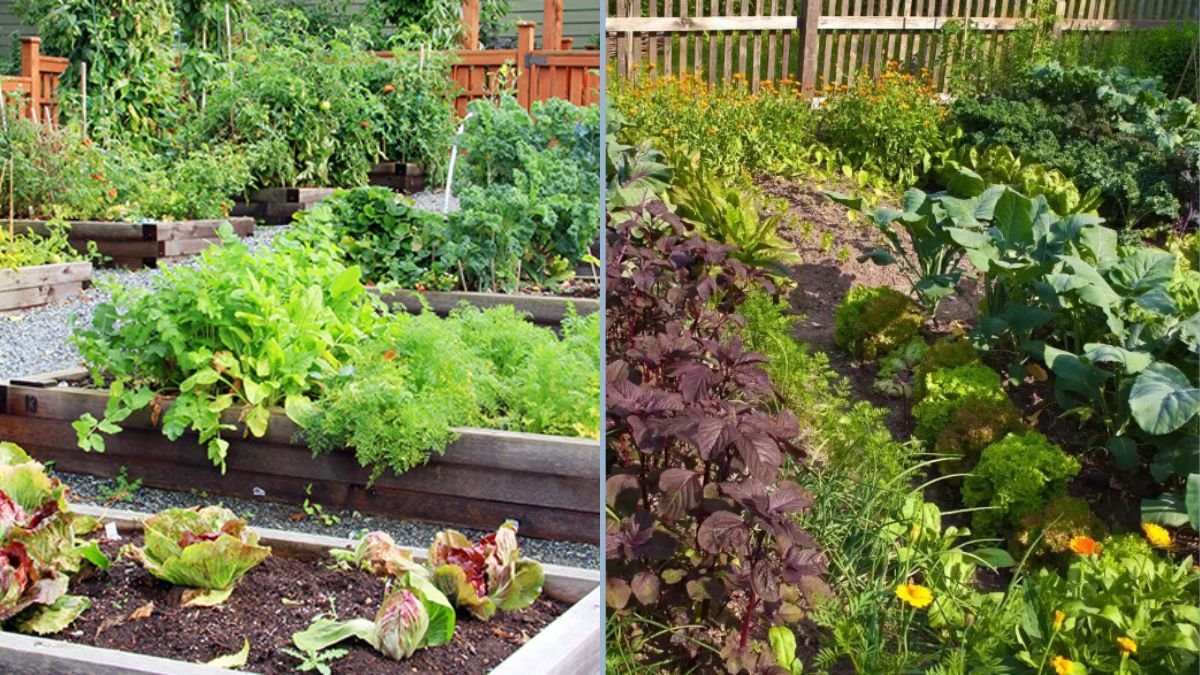
Summer brings long days, abundant sunlight, and higher temperatures, creating ideal conditions for many vegetable crops. However, the season also presents unique challenges, including heat stress, rapid evaporation, increased pest activity, and soil moisture loss. Efficient management of a summer vegetable garden requires strategic planning, careful plant selection, and eco-friendly practices to ensure healthy, productive growth without relying on chemical interventions.
This article provides comprehensive tips for gardeners to maintain a thriving, sustainable summer vegetable garden, emphasizing organic methods, water conservation, and practical approaches to maximize yield and plant health.
1. Choosing the Right Crops for Summer
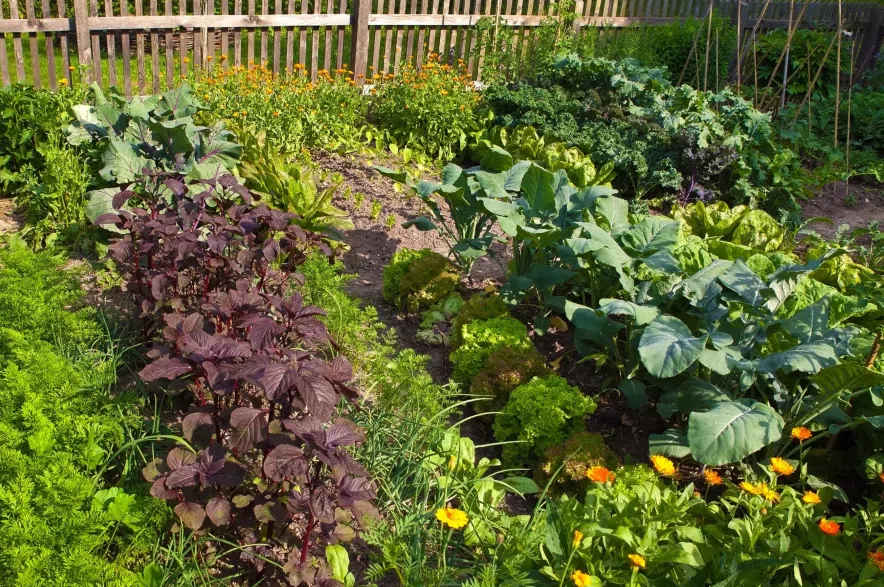
Selecting heat-tolerant vegetables ensures productivity during high temperatures:
- Leafy Greens: Spinach, amaranth, and Swiss chard can tolerate moderate heat if planted early in summer or provided with partial shade.
- Fruit-Bearing Vegetables: Tomatoes, cucumbers, bell peppers, and okra thrive in warm weather with consistent watering.
- Root Crops: Carrots, radishes, and beets grow well if soil remains cool and moist.
- Legumes: Cowpeas and beans are heat-tolerant, fix nitrogen, and support soil fertility.
Selecting crops adapted to summer conditions reduces stress, prevents wilting, and promotes steady harvests.
2. Timing and Planning Planting
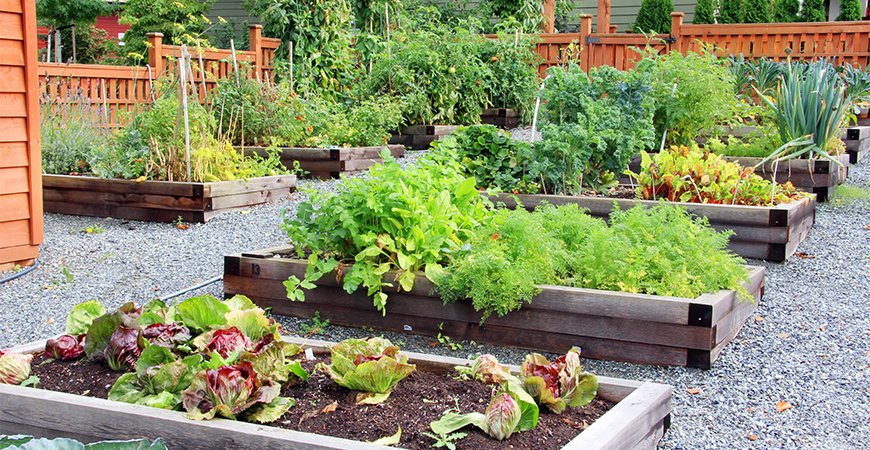
- Succession Planting: Sow fast-growing crops like radish, lettuce, and arugula at intervals to ensure continuous harvest.
- Staggered Sowing of Fruit Crops: Plant tomatoes and peppers in batches to avoid overwhelming harvest peaks.
- Consider Microclimates: Utilize shaded areas or protective structures for heat-sensitive crops.
Strategic timing improves yield consistency and allows gardeners to manage growth cycles efficiently.
3. Soil Preparation for Summer Growth
Healthy, well-prepared soil supports plant resilience:
- Aeration: Loosen soil to improve root penetration and oxygen availability.
- Organic Matter: Incorporate compost, leaf mold, or green manure to improve water retention and nutrient availability.
- Mulching: Apply straw, dried leaves, or grass clippings to conserve moisture, suppress weeds, and regulate soil temperature.
Well-prepared soil reduces stress during heat waves and supports vigorous summer growth.
4. Efficient Water Management
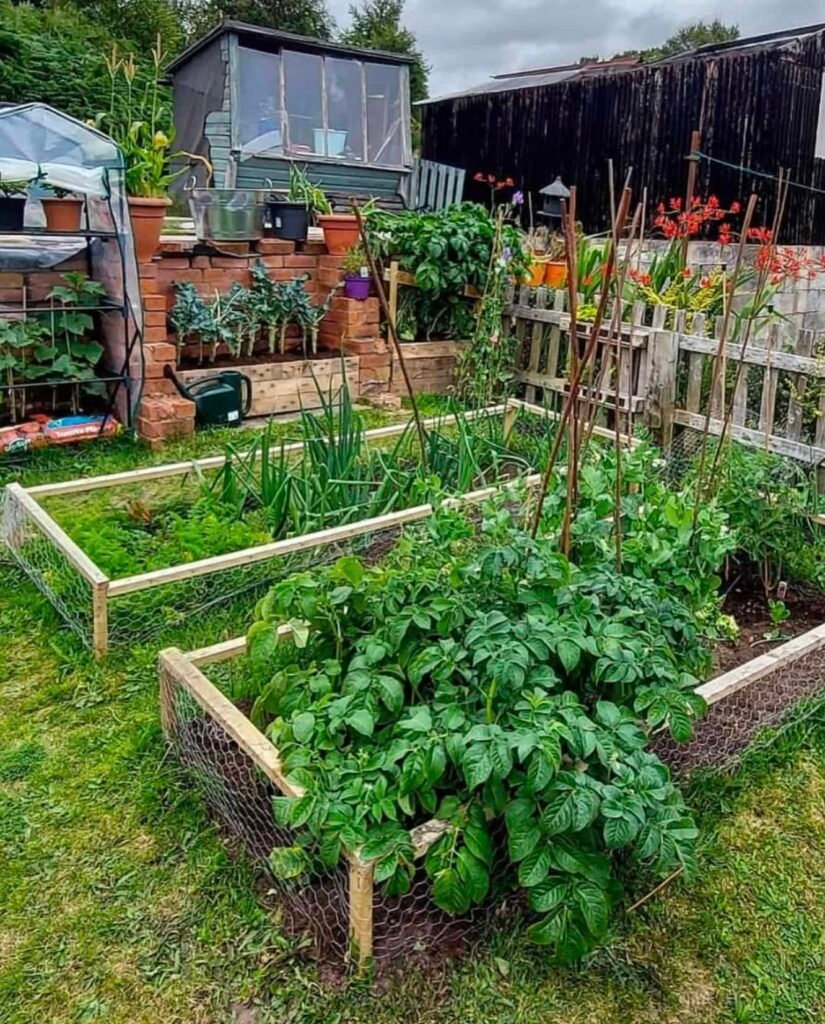
Watering is critical for summer gardens due to high evaporation:
- Early Morning Watering: Ensures water reaches roots before heat causes evaporation.
- Deep, Infrequent Watering: Encourages roots to grow deeper, enhancing drought resistance.
- Mulch Conservation: Retains moisture and moderates soil temperature.
- Drip Irrigation: Delivers water directly to roots, reducing wastage and leaf wetness.
Effective water management prevents wilting, supports photosynthesis, and maintains healthy crop growth.
5. Providing Shade and Protection
Excessive heat can damage tender crops:
- Shade Cloths: Protect sensitive crops like lettuce and spinach from midday sun.
- Temporary Tunnels: Lightweight fabric tunnels reduce stress on seedlings and young plants.
- Natural Shade: Plant taller crops strategically to provide shade for smaller, heat-sensitive species.
Protection from heat ensures continuous growth and prevents leaf scorching or fruit drop.
6. Nutrient Management
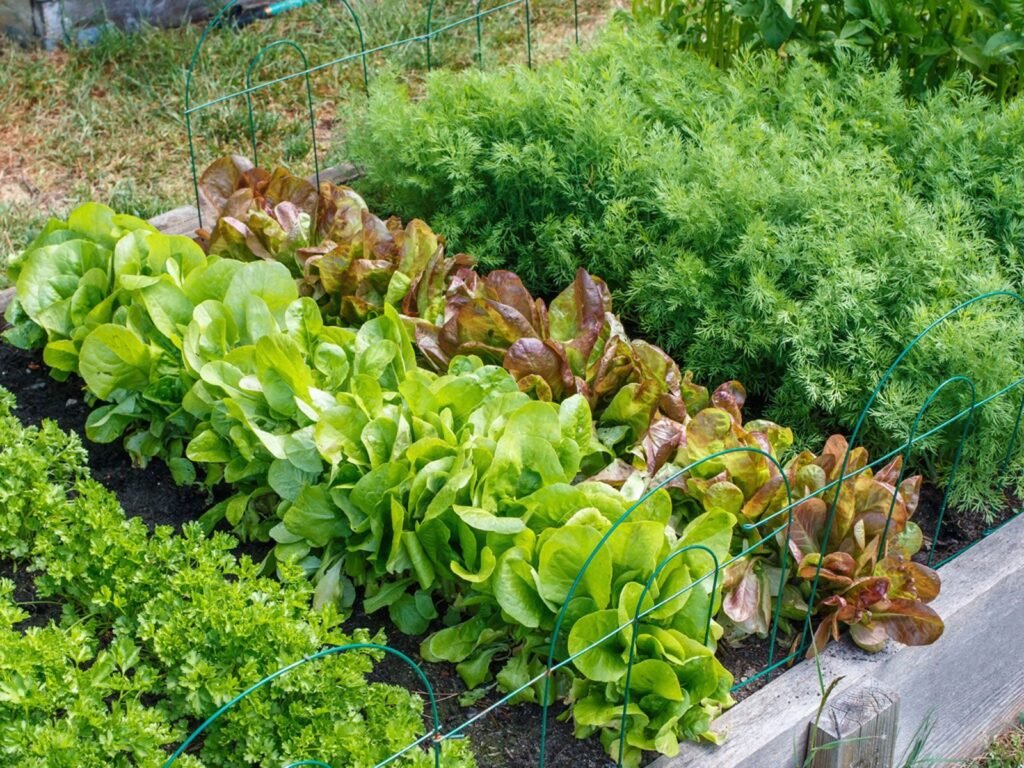
Summer crops have higher nutrient demands due to rapid growth:
- Compost Top-Dressing: Provides steady, slow-release nutrients.
- Plant-Based Liquid Fertilizers: Moringa, nettle, or comfrey teas support healthy foliage and flowering.
- Balanced Fertility: Avoid excessive nitrogen to prevent lush growth that attracts pests.
- Micronutrients: Apply trace minerals like magnesium or calcium through compost or rock powders as needed.
Proper nutrition ensures vigorous growth, high-quality fruits, and strong disease resistance.
7. Pest and Disease Management
Warm summer conditions encourage pest proliferation:
- Common Pests: Aphids, caterpillars, whiteflies, and leaf miners thrive in heat.
- Plant-Based Remedies: Neem oil, garlic sprays, or mild soap solutions control pests organically.
- Physical Control: Hand-picking pests, using barriers for snails, and practicing crop rotation reduce infestations.
- Regular Monitoring: Inspect leaves and stems daily to catch early signs of pests and disease.
Early intervention and sustainable methods protect crops without harmful chemicals.
8. Mulching for Soil and Plant Health
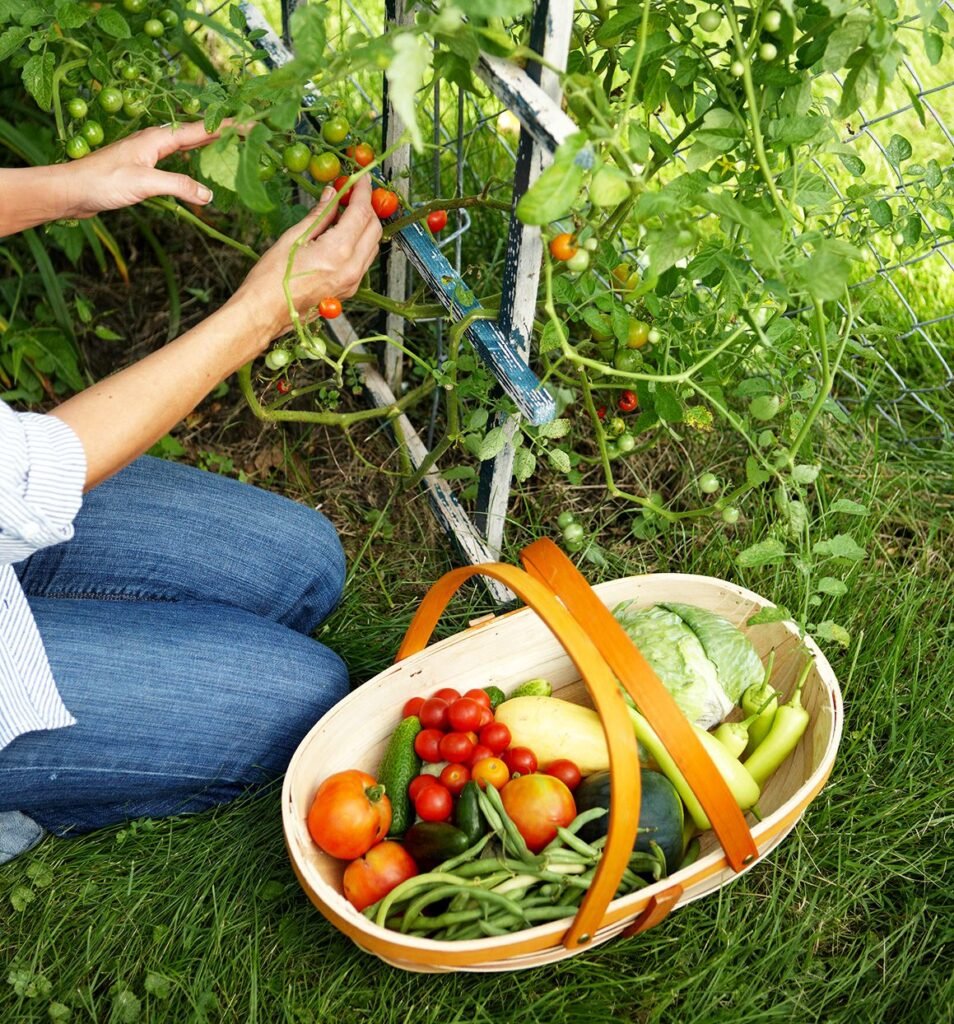
Mulching offers multiple summer benefits:
- Moisture Retention: Reduces water loss and stabilizes root-zone temperature.
- Weed Suppression: Organic mulches block sunlight and reduce competition.
- Soil Fertility: Decomposing mulch enriches the soil with nutrients.
- Erosion Prevention: Protects loose soil from heavy summer rains or wind.
Mulching is a simple yet effective strategy to improve garden resilience during hot months.
9. Supporting Plant Growth
Tall and vining crops require structural support in summer:
- Stakes and Trellises: Support tomatoes, cucumbers, beans, and peppers to prevent breakage.
- Pruning: Remove damaged, diseased, or excessive foliage to improve airflow and sunlight penetration.
- Spacing: Maintain proper distance between plants to reduce competition for water, light, and nutrients.
Providing support ensures healthy growth and reduces stress caused by summer winds or heavy fruit load.
10. Companion Planting in Summer
Companion planting enhances growth and pest resistance:
- Herbs as Natural Repellents: Basil, marigold, and mint deter common summer pests.
- Intercropping: Planting tall crops alongside smaller plants creates shade and conserves soil moisture.
- Nitrogen-Fixing Plants: Legumes enrich soil fertility for neighboring vegetables.
Companion planting increases biodiversity and promotes a balanced, resilient garden ecosystem.
11. Harvesting Techniques
Proper harvesting improves productivity and prevents stress:
- Frequent Leaf Harvest: For greens, harvest outer leaves regularly to encourage new growth.
- Pick Fruits at Peak Ripeness: Tomatoes, peppers, and cucumbers harvested timely prevent overloading plants.
- Root Crops: Lift mature roots promptly to avoid heat damage.
- Succession Harvesting: Continue harvesting fast-growing crops while others mature.
Efficient harvesting maintains plant vigor and ensures a continuous supply of fresh produce.
12. Managing Container Gardens
Container gardens require special attention in summer:
- Monitor Soil Moisture: Containers dry out quickly; water thoroughly when the top layer feels dry.
- Shade Containers: Move pots or provide shade to prevent root overheating.
- Mulch Topsoil: Conserves moisture and reduces evaporation.
- Self-Watering Options: Incorporate water reservoirs or capillary mats to reduce daily watering needs.
Container gardening in summer requires proactive care to maintain healthy growth.
13. Sustainable Practices for Summer Gardens
- Rainwater Harvesting: Collect and store water for irrigation during dry spells.
- Composting: Recycle plant waste into nutrient-rich organic fertilizer.
- Mulch and Cover Crops: Protect soil and conserve moisture while enhancing fertility.
- Chemical-Free Pest Control: Use plant-based remedies and physical barriers to maintain organic standards.
Sustainable practices improve garden resilience, conserve resources, and reduce environmental impact.
14. Benefits of Effective Summer Garden Management
- Increased Productivity: Heat-tolerant crops thrive with proper care.
- Reduced Water Stress: Efficient irrigation and mulching prevent wilting.
- Lower Pest Pressure: Companion planting and organic pest management maintain healthy plants.
- Nutrient-Rich Harvests: Balanced nutrition supports flavor, size, and overall quality.
- Sustainable Gardening: Promotes soil health, biodiversity, and minimal chemical dependence.
Proper summer garden management ensures healthy plants, abundant harvests, and long-term soil vitality.
Conclusion
Summer vegetable gardening requires careful planning, strategic plant selection, and eco-friendly management. By understanding heat-tolerant crops, timing planting appropriately, preparing soil with organic amendments, and employing water-saving techniques, gardeners can maintain productive gardens even under high temperatures.
Mulching, shading, structural support, and sustainable pest management help plants withstand summer stress while maintaining strong growth and yields. Regular monitoring, timely harvesting, and container garden care further enhance productivity and plant health.
Adopting these practices ensures abundant, nutritious produce while promoting chemical-free, sustainable gardening. With proactive management, a summer vegetable garden can thrive, providing fresh, high-quality crops throughout the hottest months.