Spring is the most critical season for gardeners, marking the beginning of a new growing cycle. Healthy, fertile soil is essential for successful spring planting, as it provides the nutrients, structure, and microbial activity necessary for strong plant growth. Soil preparation is not simply about tilling; it involves careful planning, soil testing, amendment, and organic management to create optimal conditions for seeds, seedlings, and transplants.
Proper spring soil preparation ensures better germination, higher yields, and resilient plants while promoting sustainable, chemical-free gardening practices. This article explores comprehensive methods for assessing, amending, and managing soil before spring planting.
1. Understanding Soil Health
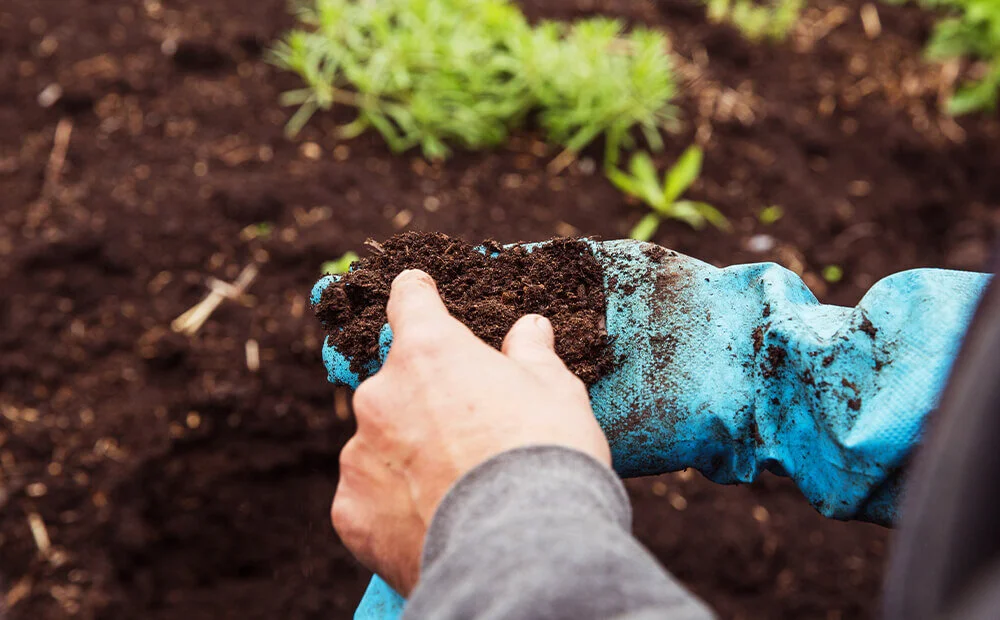
Healthy soil forms the foundation for productive gardens. Key characteristics include:
- Texture: Balance of sand, silt, and clay determines water retention and aeration.
- Structure: Well-aggregated soil supports root penetration and microbial activity.
- Nutrient Content: Adequate levels of nitrogen, phosphorus, potassium, and micronutrients are essential for early plant growth.
- pH Level: Most vegetables prefer slightly acidic to neutral soil (pH 6.0–7.0).
- Biological Activity: Beneficial microbes, fungi, and earthworms improve nutrient cycling and soil fertility.
Understanding soil health allows gardeners to make informed amendments and optimize conditions for spring crops.
2. Soil Testing and Analysis
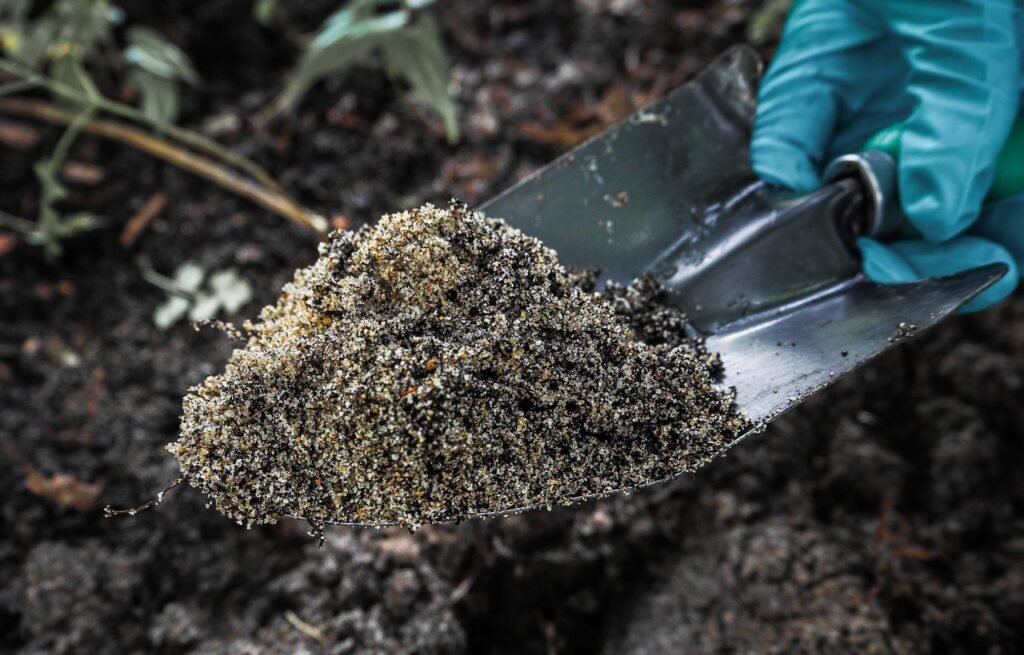
Before planting, a thorough soil assessment is essential:
a. Physical Assessment
- Check soil texture by feeling it: sandy, loamy, or clay-heavy.
- Observe drainage: dig a small hole and fill with water to see how quickly it drains.
b. Chemical Testing
- Conduct a pH test using simple home kits or professional services.
- Test for key nutrients: nitrogen, phosphorus, potassium, and micronutrients such as magnesium and calcium.
c. Biological Assessment
- Observe soil life: earthworms, insects, and microbial presence indicate healthy biology.
- Healthy soils with active biology support nutrient availability and plant growth.
Soil testing identifies deficiencies and guides amendments for optimal fertility.
3. Clearing the Garden Bed

Preparation begins with clearing debris from previous crops:
- Remove spent plants, weeds, and plant residues to prevent disease and pest carryover.
- Compost plant debris or use as mulch for other garden areas.
- Ensure that the soil surface is free of rocks, sticks, and compacted clumps.
A clean garden bed reduces disease risk and provides a smooth planting surface.
4. Loosening and Aerating the Soil
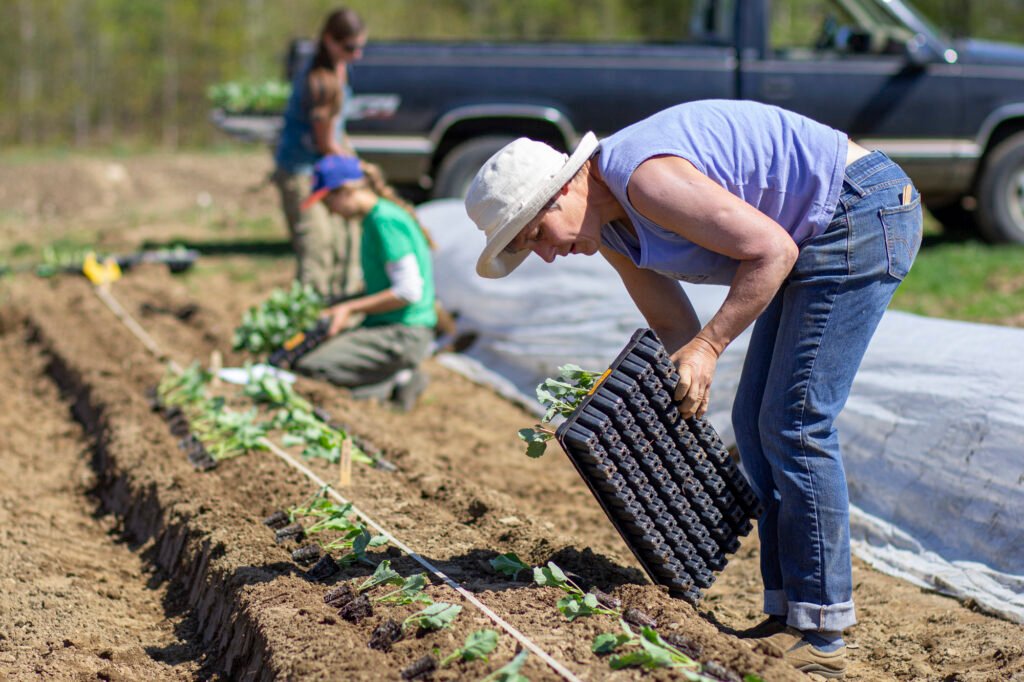
Aeration improves root penetration and water infiltration:
- Manual Tools: Use spades, forks, or broadforks to gently loosen soil without disturbing its structure.
- Raised Beds: Ideal for compacted or poorly drained soil, improving aeration and root growth.
- Avoid Over-Tilling: Excessive tilling can disrupt soil structure and reduce microbial populations.
Aerated soil ensures roots can access nutrients and water efficiently.
5. Adding Organic Matter
Organic amendments enrich soil, improve structure, and support microbial life:
- Compost: Provides balanced nutrients, improves moisture retention, and enhances soil biology.
- Leaf Mold: Adds organic carbon and improves soil porosity.
- Coconut Coir or Peat Alternatives: Enhance water-holding capacity in sandy soils.
- Green Manures or Cover Crops: Nitrogen-fixing crops like clover or vetch improve fertility and add organic matter when turned into the soil.
Incorporating organic matter ensures a fertile, resilient medium for spring planting.
6. Adjusting Soil pH
Most vegetables thrive in slightly acidic to neutral soil (pH 6.0–7.0):
- Acidic Soil: Add crushed agricultural lime or wood ash to raise pH.
- Alkaline Soil: Incorporate elemental sulfur, organic matter, or peat alternatives to lower pH.
- Retest after amendment to ensure optimal levels for planting.
Balanced pH improves nutrient availability and enhances plant growth.
7. Nutrient Management
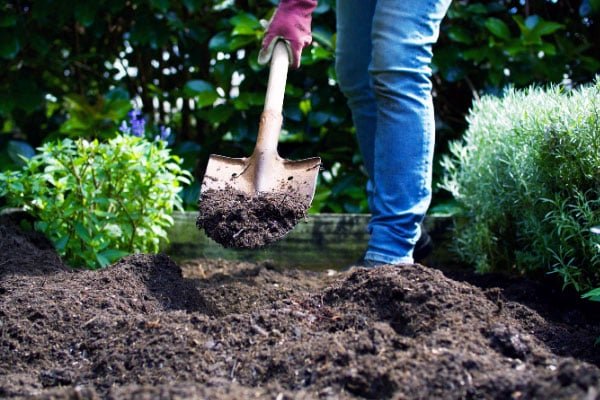
Soil fertility directly impacts plant health:
- Nitrogen: Promotes leaf and stem growth; supplied via composted plant matter, legume cover crops, or plant-based fertilizers.
- Phosphorus: Supports root and flower development; sources include rock phosphate or compost.
- Potassium: Enhances overall plant resilience and fruit quality; available from wood ash, compost, and plant residues.
- Micronutrients: Magnesium, calcium, and iron can be supplemented with mineral-rich compost, dolomitic lime, or plant-based amendments.
Balanced nutrients ensure vigorous early growth and high crop yield.
8. Improving Soil Drainage
Waterlogged soil inhibits root growth and promotes disease:
- Raised Beds or Mounded Rows: Elevate plants above waterlogged areas.
- Adding Coarse Sand or Perlite: Improves drainage in clay-heavy soils.
- Mulching: Reduces surface crusting and moderates soil moisture.
Proper drainage protects roots and creates a stable environment for seedlings.
9. Planning Crop Rotation
Rotation prevents nutrient depletion and disease buildup:
- Legumes Followed by Leafy Greens: Nitrogen-fixing crops enrich the soil for leafy vegetables.
- Cruciferous Crop Rotation: Avoid planting cabbage, broccoli, or cauliflower in the same location consecutively to reduce pest and disease risks.
- Diverse Planting: Rotate root crops, leafy greens, and fruiting plants to maintain soil fertility.
Crop rotation enhances soil health and long-term garden productivity.
10. Incorporating Mulch
Mulch conserves soil moisture and regulates temperature:
- Straw, Leaves, or Grass Clippings: Protect young seedlings from frost and prevent evaporation.
- Coconut Coir or Wood Chips: Maintain soil structure and suppress weeds.
- Compost Mulch: Provides nutrients while retaining moisture and supporting soil life.
Mulching reduces stress on plants and improves soil fertility during early spring growth.
11. Preparing Seed Beds
Seed bed preparation ensures optimal germination:
- Level the Soil: Smooth beds reduce erosion and provide even seed depth.
- Firm but Loose Soil: Lightly press the soil to support seed-to-soil contact without compacting it.
- Mark Rows: Plan spacing according to crop requirements to facilitate growth and reduce competition.
Well-prepared seed beds lead to uniform germination and healthy seedlings.
12. Watering and Moisture Management
Adequate moisture is crucial for spring planting:
- Pre-Planting Watering: Lightly moisten soil before sowing to support seed germination.
- Avoid Waterlogging: Ensure soil is damp but not saturated to prevent root rot.
- Mulch Retention: Conserves moisture and stabilizes temperature for emerging seedlings.
Consistent moisture improves germination rates and promotes early seedling vigor.
13. Maintaining Soil Health During Planting
Even after initial preparation, ongoing care is essential:
- Intermittent Organic Fertilization: Top-dress with compost or liquid plant teas as plants grow.
- Weed Management: Remove weeds regularly to prevent nutrient competition.
- Monitoring Soil Structure: Avoid compaction by walking only on designated paths.
Ongoing soil care ensures that prepared soil continues to support healthy growth throughout spring.
14. Benefits of Proper Spring Soil Preparation
- Enhanced Seed Germination: Loose, nutrient-rich soil ensures uniform emergence.
- Stronger Root Systems: Aerated soil and organic amendments promote deep root development.
- Higher Yields: Balanced nutrients and proper drainage lead to robust plants.
- Disease and Pest Resistance: Healthy, fertile soil reduces susceptibility to pathogens.
- Sustainable Gardening: Organic, non-chemical soil management maintains soil fertility for future seasons.
Proper spring soil preparation lays the foundation for productive and sustainable gardening.
Conclusion
Preparing soil for spring planting is a vital step in achieving a successful gardening season. Healthy soil, enriched with organic matter, balanced nutrients, and proper pH, provides an optimal environment for seeds, seedlings, and transplants. Techniques such as soil loosening, mulching, drainage improvement, and crop rotation enhance soil fertility, structure, and water retention while promoting sustainable, chemical-free practices.
By assessing soil conditions, making necessary amendments, and maintaining ongoing care, gardeners can ensure vigorous plant growth, higher yields, and resilient crops. Effective spring soil preparation is the cornerstone of year-round productivity, demonstrating that thoughtful, eco-friendly soil management is essential for sustainable and successful gardening.