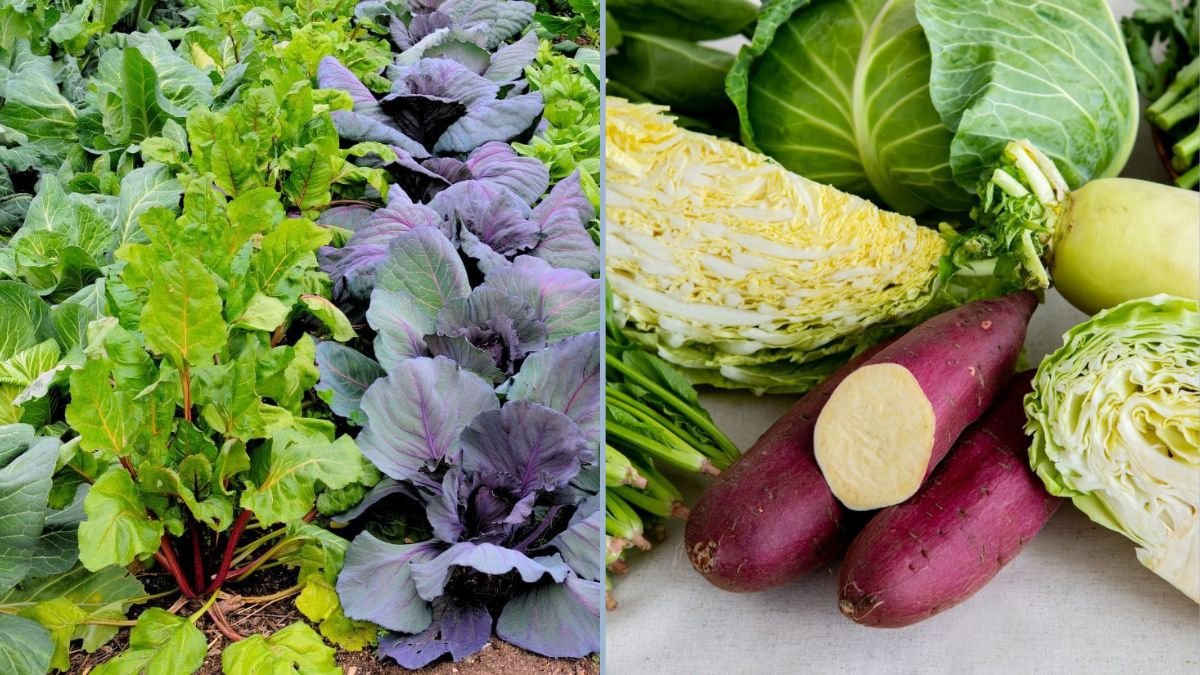
Cold winters pose significant challenges for gardeners, particularly in regions experiencing frost, snow, or prolonged sub-zero temperatures. While many summer crops wither in the cold, certain vegetables are naturally cold-hardy and capable of surviving winter conditions. Growing these resilient vegetables allows gardeners to maintain a continuous supply of fresh, nutritious produce during the coldest months, reduce reliance on storage, and extend the gardening season sustainably.
Understanding the characteristics, cultivation requirements, and care strategies for winter-hardy vegetables is essential for successful cold-season gardening. This article explores the best vegetables for winter survival, soil and climate preparation, and sustainable, non-chemical cultivation techniques.
1. Understanding Cold-Hardy Vegetables
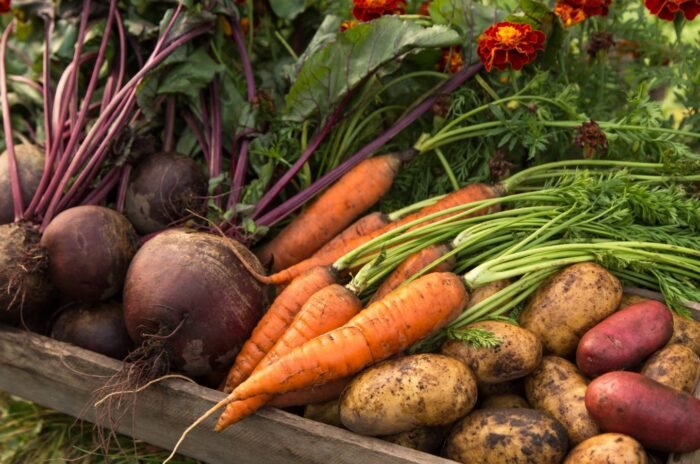
Cold-hardy vegetables possess specific traits that allow them to survive and thrive in low temperatures:
- Frost Tolerance: Ability to endure sub-zero temperatures without tissue damage.
- Slow Metabolic Growth: Reduced growth rates during extreme cold minimize nutrient depletion.
- Protective Leaf Structures: Waxy or dense leaves prevent frost penetration and retain moisture.
- Root Strength: Deep or fibrous roots access soil warmth and nutrients.
Knowledge of these traits helps gardeners select species that withstand winter while remaining productive.
2. Preparing the Garden for Winter Crops
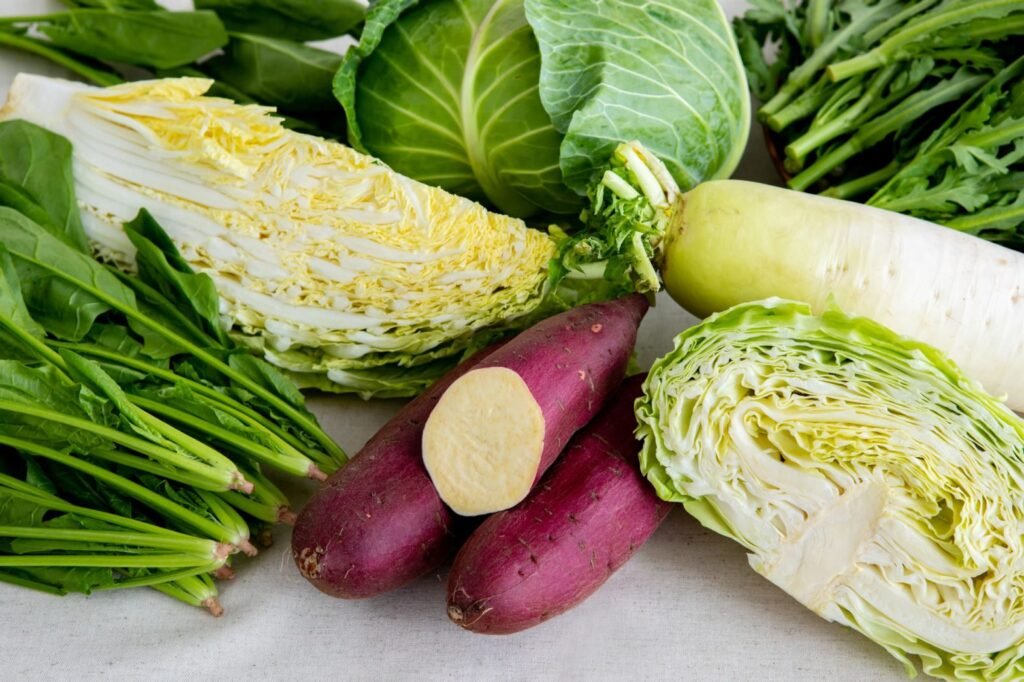
Proper preparation ensures successful cold-season cultivation:
a. Soil Preparation
- Incorporate compost, decomposed leaves, or green manure to enrich soil fertility.
- Loosen soil to improve aeration and prevent waterlogging.
- Raised beds or mounds enhance drainage and reduce frost damage to roots.
b. Mulching
- Apply straw, dried leaves, or grass clippings to insulate soil, conserve moisture, and moderate temperature fluctuations.
c. Site Selection
- Choose garden areas with maximum winter sunlight exposure.
- Avoid frost pockets and low-lying zones prone to ice accumulation.
3. Leafy Greens That Withstand Cold
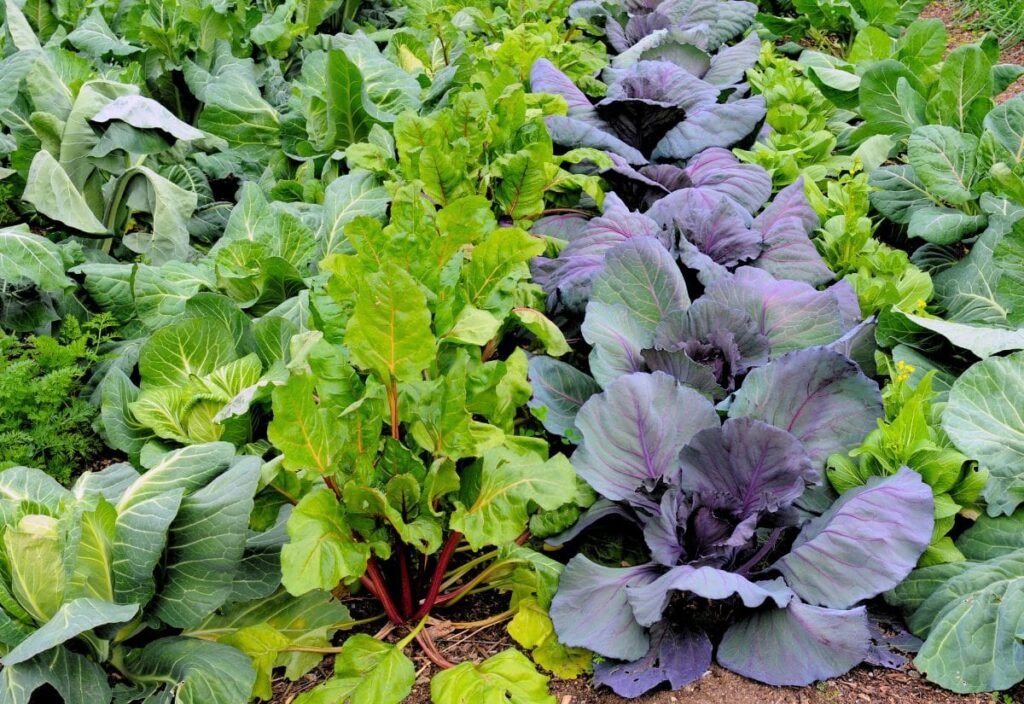
Leafy greens are among the most resilient winter vegetables:
a. Kale
- Extremely frost-tolerant; flavor improves after frost exposure.
- Thrives in full sun or partial shade and grows well in fertile, well-drained soil.
- Can be harvested progressively, allowing continuous supply.
b. Spinach
- Cold-hardy and capable of germinating at low temperatures (as low as 4°C / 39°F).
- Requires evenly moist soil and partial sunlight in areas with harsh winter exposure.
- Bolting is delayed in cool weather, extending harvest duration.
c. Swiss Chard
- Survives frost and light snow; produces colorful, nutritious leaves.
- Performs best in well-drained soil enriched with organic compost.
- Repeated harvesting encourages fresh growth through winter months.
d. Lettuce Varieties
- Certain winter varieties, such as winter romaine or butterhead, tolerate mild frost.
- Grow well in raised beds or containers with mulch protection.
- Succession planting ensures a continuous supply of fresh leaves.
4. Cruciferous Vegetables for Cold Climates
Cruciferous vegetables are naturally suited to winter conditions:
a. Cabbage
- Hardy and frost-resistant; can survive sub-zero temperatures when mature.
- Requires fertile, well-drained soil and consistent moisture.
- Harvest outer leaves progressively while inner heads continue to develop.
b. Broccoli
- Cold-tolerant and produces nutrient-rich florets in winter.
- Starting seedlings indoors or under protection ensures early maturity.
- Protect young heads with mulch or row covers during extreme frost.
c. Cauliflower
- Survives mild frost; compact heads reduce exposure to cold stress.
- Fertile, well-drained soil with organic amendments supports robust growth.
- Light frost can enhance the flavor of the crop.
d. Brussels Sprouts
- Slow-growing but extremely frost-hardy; outer leaves protect inner sprouts.
- Performs best when planted in late summer or early autumn to mature in winter.
- Nutritional quality improves with exposure to cold temperatures.
5. Root Vegetables That Endure Cold
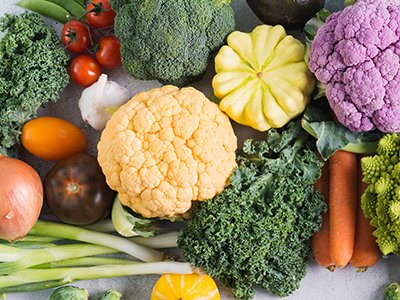
Root crops are ideal for winter harvests, as soil insulates the edible portions:
a. Carrots
- Cold-hardy; sugar content increases after exposure to frost, enhancing flavor.
- Plant in deep, loose soil to prevent root deformities.
- Mulching protects roots from freezing and allows late-season harvest.
b. Beets
- Survive frost and mild snow; both roots and leafy greens are edible.
- Well-drained, fertile soil enriched with compost supports winter growth.
- Gradual harvesting ensures continuous supply.
c. Turnips and Rutabagas
- Frost-tolerant root crops that thrive in cool temperatures.
- Sow late summer or early autumn for winter harvest.
- Mulch protects the roots and moderates soil temperature.
d. Parsnips
- Extremely frost-resistant; taste improves after freezing temperatures.
- Require deep, well-drained soil and careful mulching for optimal growth.
- Harvest gradually through winter months.
6. Cold-Hardy Herbs
Certain herbs survive cold winters, enhancing flavor and nutrition in winter cuisine:
- Parsley: Cold-hardy and can withstand frost with minimal protection.
- Thyme: Evergreen perennial herb; thrives in winter with reduced growth.
- Chives: Survive frost and provide tender shoots throughout winter.
- Cilantro / Coriander: Prefers cooler temperatures; bolts slowly in mild frost.
Winter herbs complement vegetables and provide continuous harvests for culinary use.
7. Protection Techniques for Extreme Cold
Even hardy vegetables may require protection during harsh winters:
a. Row Covers and Frost Cloths
- Lightweight fabrics protect tender plants from ice formation and chilling winds.
b. Cold Frames and Mini Greenhouses
- Trap solar heat and create microclimates for seedlings and less-hardy vegetables.
c. Mulching and Insulation
- Thick straw, leaf mulch, or compost provides thermal protection for soil and roots.
d. Windbreaks
- Temporary barriers such as bamboo stakes or dense shrubs reduce wind exposure and frost damage.
8. Water Management During Winter
Winter watering practices differ from summer:
- Avoid Overwatering: Reduced evaporation and high soil moisture can lead to root rot.
- Mulch Benefits: Conserves soil moisture and protects root zones.
- Drip or Bottom Watering: Delivers water directly to roots while minimizing leaf wetness, reducing fungal risk.
Careful water management ensures plant survival without promoting disease.
9. Companion Planting for Winter Gardens
Companion planting enhances resilience and productivity:
- Leafy Greens and Root Vegetables: Spinach or kale can be interplanted with carrots and beets to maximize space.
- Herbs as Natural Pest Deterrents: Thyme, rosemary, and chives reduce aphid and caterpillar infestations.
- Cruciferous Combinations: Cabbage, broccoli, and cauliflower interplanted with herbs improve soil fertility and reduce pest attacks.
Companion planting promotes biodiversity and supports a healthy winter garden ecosystem.
10. Succession Planting and Continuous Harvest
- Staggered Sowing: Sow fast-growing crops like arugula or radish in intervals for uninterrupted harvest.
- Harvest Techniques: Leafy greens can be cut progressively to encourage new growth.
- Root Crop Management: Lift mature roots gradually, leaving remaining plants to continue growing.
Succession planting ensures a continuous supply of fresh, cold-hardy vegetables throughout winter.
11. Nutritional Benefits of Winter Vegetables
Winter vegetables are highly nutritious:
- Leafy Greens: Rich in vitamins A, C, K, and antioxidants.
- Cruciferous Vegetables: Contain glucosinolates and other compounds supporting immune health.
- Root Vegetables: Provide fiber, potassium, and complex carbohydrates.
- Herbs: Add flavor, vitamins, and medicinal properties to winter dishes.
Growing vegetables that survive winter enhances dietary variety and overall health.
12. Sustainability Practices in Winter Gardening
- Organic Fertilization: Use compost, green manure, and plant-based liquid fertilizers.
- Mulching: Conserves moisture, regulates soil temperature, and suppresses weeds.
- Plant-Based Pest Management: Companion planting and botanical sprays reduce reliance on chemicals.
- Soil Conservation: Mulches and cover crops protect soil structure and fertility.
Sustainable winter gardening practices ensure long-term soil health and productivity.
Conclusion
Growing vegetables that survive cold winters allows gardeners to maintain productivity, nutrition, and sustainability during the harshest months. Leafy greens, cruciferous vegetables, root crops, and hardy herbs thrive in frost-prone conditions when planted in prepared soil, protected with mulches or cold frames, and cared for using organic, plant-based practices.
Careful planning, including crop selection, succession planting, frost protection, and companion planting, maximizes yields and ensures continuous harvests. Sustainable management enhances soil health, reduces pests naturally, and minimizes chemical use, supporting a resilient winter garden ecosystem.
By cultivating cold-hardy vegetables and employing eco-friendly practices, gardeners can enjoy fresh, nutritious, and chemical-free produce throughout winter, demonstrating the potential for productive and sustainable gardening year-round.