Winter frost presents one of the most significant challenges for gardeners in temperate and cold climates. Frost occurs when surface temperatures drop below freezing, causing ice crystals to form in plant tissues. These ice crystals rupture cell walls, resulting in wilting, leaf burn, tissue death, and in severe cases, the loss of entire plants. Vulnerable species include tender vegetables, herbs, ornamental flowers, and young fruit trees.
While chemical frost protectants exist, they may leave residues and are not suitable for organic or eco-friendly gardening. Protecting plants through non-chemical, plant-based, and physical methods ensures healthy growth while maintaining environmental sustainability. This article explores strategies, materials, and practical techniques for protecting gardens from winter frost.
1. Understanding Frost and Its Effects
Frost forms under clear skies, calm winds, and low humidity. Cold air near the ground settles in low-lying areas, creating microclimates prone to frost damage. Key factors influencing frost impact include:
- Plant Species and Hardiness: Cold-hardy plants tolerate frost better than tropical or subtropical species.
- Stage of Growth: Seedlings and newly transplanted plants are more susceptible than mature specimens.
- Soil Moisture: Well-watered soils retain heat longer, reducing frost intensity at root level.
- Microclimates: Areas shielded from wind or closer to buildings and walls experience less frost damage.
Understanding these factors allows gardeners to implement timely and effective protection strategies.
2. Selecting Frost-Tolerant Plants
Preventive planning begins with choosing resilient species:
- Cold-Hardy Vegetables: Kale, spinach, cabbage, carrots, turnips, and onions withstand moderate frost.
- Herbs: Thyme, rosemary, sage, and mint survive cooler temperatures.
- Ornamental Plants: Pansies, cyclamen, ornamental cabbages, and winter-flowering heaths tolerate frost with minimal protection.
Planting frost-tolerant species reduces damage risk and minimizes the need for intensive intervention.
3. Timing and Location
Strategic planting can mitigate frost risk:
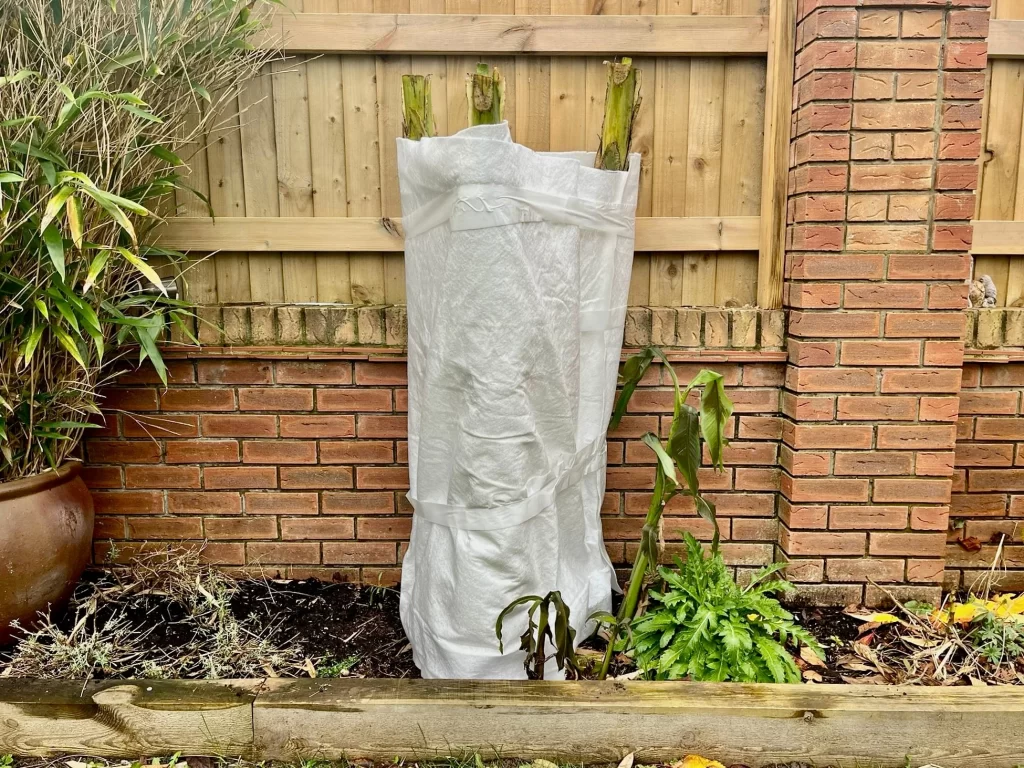
- Microclimate Utilization: Plant tender crops near walls, fences, or other structures that radiate heat.
- Elevation Considerations: Avoid planting in frost pockets such as low-lying areas; slopes or raised beds reduce frost exposure.
- Staggered Planting: Delay planting tender crops until frost-free periods or start seeds indoors for later transplantation.
4. Soil Preparation for Frost Protection
Healthy, well-managed soil enhances plant resilience:
a. Mulching
- Apply organic mulch (straw, shredded leaves, bark) around the base of plants to insulate roots.
- Mulch retains soil warmth, reduces temperature fluctuations, and conserves moisture.
b. Soil Moisture Management
- Moist soils store heat better than dry soils, providing a buffer against frost.
- Water plants in the morning before frost events; avoid evening watering which may freeze overnight.
c. Raised Beds
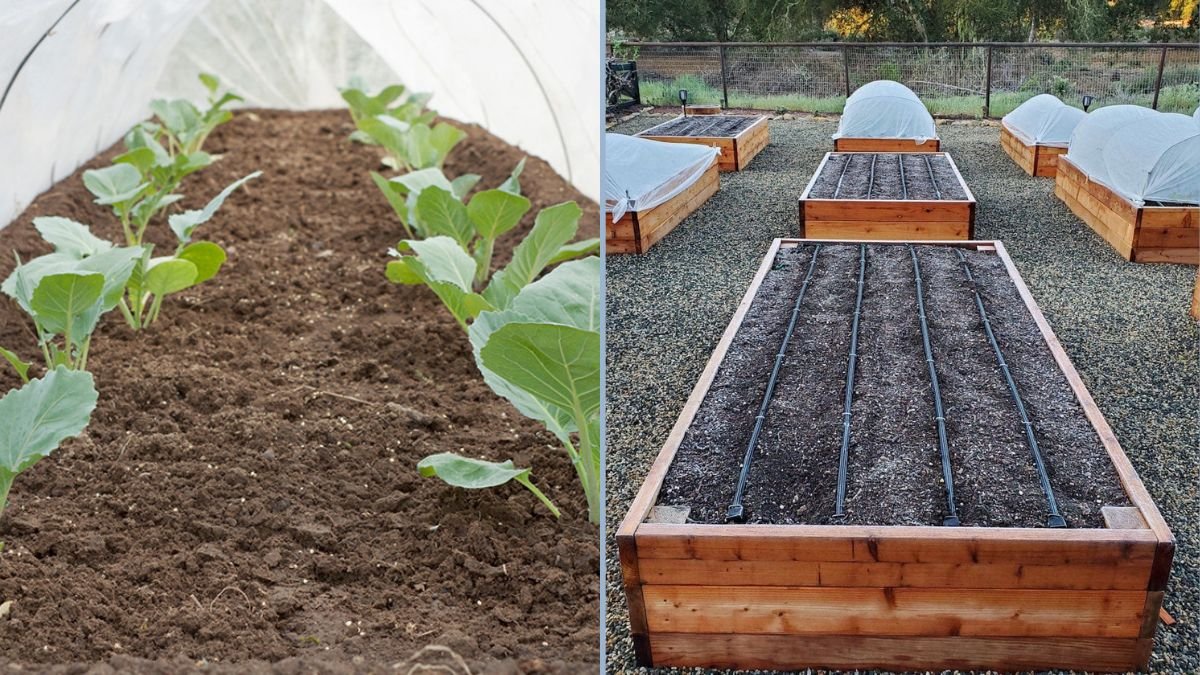
- Constructing raised beds improves drainage, reduces frost accumulation, and allows better air circulation around roots.
5. Physical Frost Protection Techniques
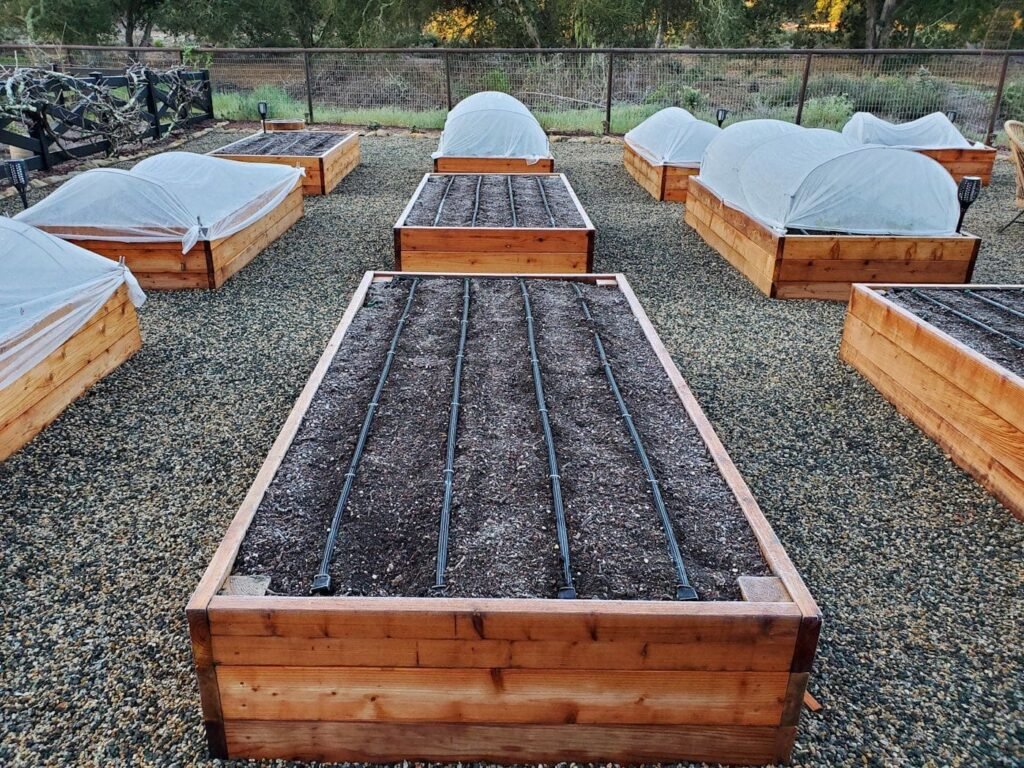
Physical barriers are highly effective for protecting plants:
a. Cloches and Covers
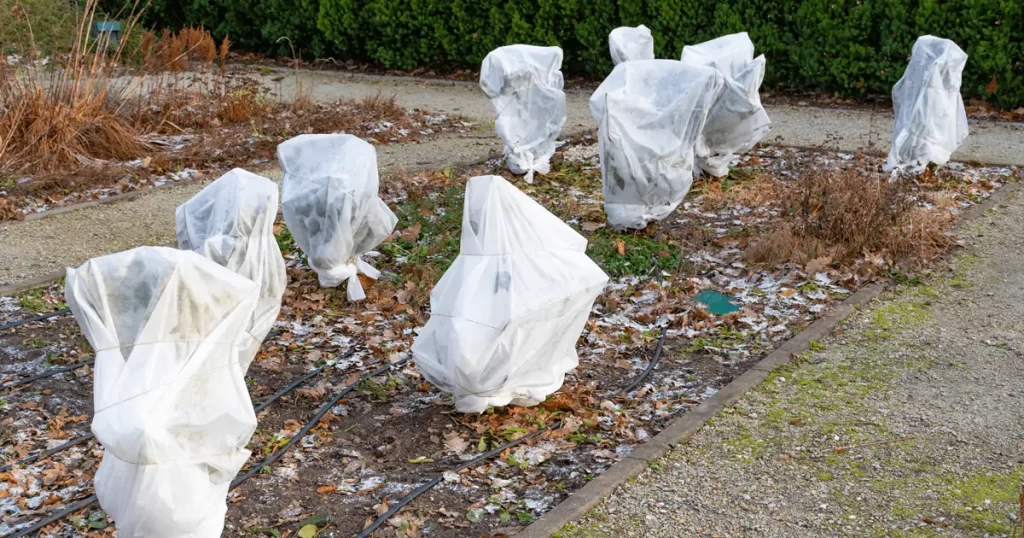
- Use glass, plastic, or fabric cloches to shield individual plants.
- Lightweight frost blankets, garden fleece, or burlap protect entire beds from frost without damaging plant tissues.
b. Row Covers and Tunnels
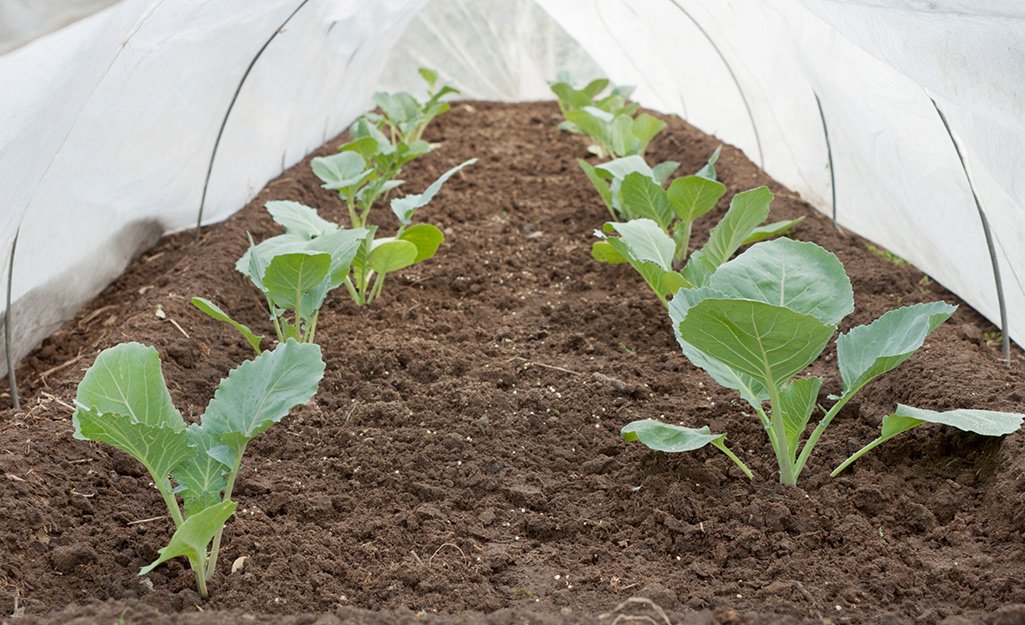
- Low tunnels with hoops and frost cloth create micro-warm environments for seedlings and tender vegetables.
- Ensure adequate ventilation during sunny days to prevent overheating.
c. Cold Frames
- Small, transparent structures trap solar heat, maintaining warmer temperatures around plants.
- Cold frames are ideal for overwintering herbs, seedlings, and young transplants.
d. Windbreaks
- Erect temporary windbreaks using bamboo, wooden panels, or frost cloth to reduce wind chill, which exacerbates frost damage.
- Protect sensitive areas from drafts and cold air currents.
6. Plant-Based Heat Retention Techniques
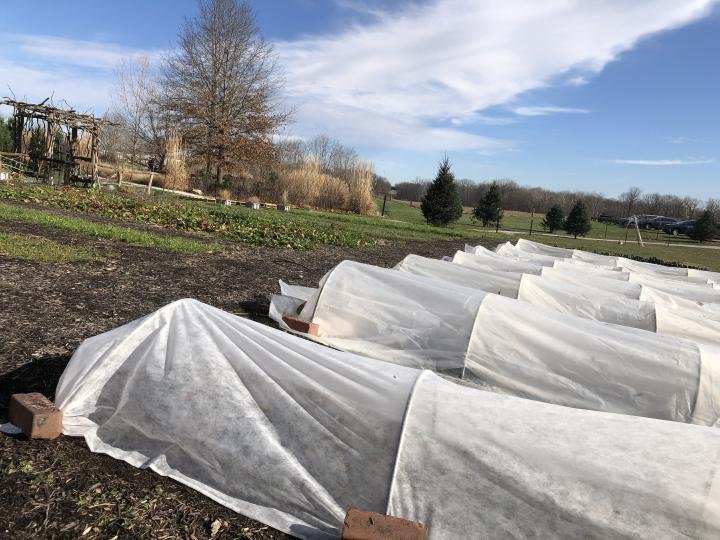
Organic and eco-friendly strategies can help plants retain warmth:
- Compost or Leaf Mounds: Piling compost or leaves around the base of perennials or root crops provides insulation.
- Dark-Colored Mulch: Absorbs heat during the day and radiates it at night, protecting soil and roots.
- Watering Techniques: Light morning irrigation increases soil heat capacity, reducing frost penetration.
These methods rely on natural materials to enhance frost resilience without synthetic inputs.
7. Indoor and Container Gardening During Frost
For tender plants, indoor relocation or container management is effective:
- Containers and Pots: Move potted vegetables, herbs, and ornamentals indoors or to sheltered areas during frost periods.
- Window Sills and Sheltered Balconies: Provide indirect sunlight and protection from frost while maintaining airflow.
- Temporary Greenhouses: Small portable greenhouses or mini cold frames offer year-round frost protection for sensitive crops.
8. Mulching and Organic Amendments
Organic amendments play a dual role:
- Mulching: Provides insulation, prevents soil freeze, and conserves moisture.
- Compost Applications: Organic compost improves soil structure, retains heat, and nourishes plants.
- Leaf Mold and Straw: Effective insulators for root vegetables, strawberries, and young perennials.
Combining mulches and organic amendments enhances both thermal protection and soil fertility.
9. Frost Forecasting and Timing Interventions
Monitoring weather patterns allows proactive protection:
- Local Frost Alerts: Use local weather apps or websites to anticipate frost nights.
- Nighttime Measures: Cover plants before sunset and remove coverings in the morning to prevent overheating.
- Strategic Pruning: Avoid late-season pruning, which stimulates new growth vulnerable to frost damage.
Proactive timing ensures resources are used efficiently and plants remain protected.
10. Companion Planting and Natural Windbreaks
Strategic plant combinations can reduce frost risk:
- Tall Protective Plants: Use sunflowers, corn, or shrubs to shield low-growing crops from frost-prone areas.
- Evergreen Barriers: Dense evergreen shrubs act as natural windbreaks and moderate temperature fluctuations.
- Companion Planting: Taller or hardier plants can provide shade and thermal protection for tender vegetables and herbs.
11. Benefits of Winter Frost Protection
- Preserves Crop Yields: Prevents loss of vegetables, herbs, and fruits during frost events.
- Saves Resources: Reduces the need for replanting and conserves water and organic inputs.
- Supports Organic Gardening: Non-chemical methods maintain soil health and ecological balance.
- Enhances Plant Longevity: Protects perennials and young trees, promoting healthy growth in the following season.
- Enables Year-Round Gardening: Extends the growing season for frost-sensitive crops in cold climates.
12. Case Studies and Practical Examples
- Leafy Greens: Spinach and kale covered with frost cloth maintained vibrant growth and reduced leaf damage in sub-zero conditions.
- Herbs: Rosemary and thyme insulated with mulch and placed near walls survived winter frost with minimal tissue damage.
- Root Crops: Carrots and parsnips protected with leaf mulch yielded flavorful produce despite freezing temperatures.
These examples demonstrate that simple, plant-based strategies effectively mitigate frost damage in home and small-scale gardens.
Conclusion
Protecting your garden from winter frost is essential for maintaining plant health, ensuring consistent yields, and supporting sustainable gardening practices. By understanding frost formation, selecting cold-tolerant species, preparing soil effectively, and employing physical, plant-based protection methods, gardeners can safeguard vegetables, herbs, and ornamentals against freezing damage.
Techniques such as mulching, row covers, cloches, raised beds, and microclimate management provide organic, eco-friendly solutions. Indoor cultivation, container relocation, and frost frames further extend protection for tender crops. Combined with proactive monitoring and strategic planting, these approaches enable year-round gardening success, even in frost-prone climates.
Implementing these strategies supports resilient, chemical-free gardens, conserves resources, and ensures continuous productivity, demonstrating that winter frost need not halt healthy plant growth or sustainable food production.