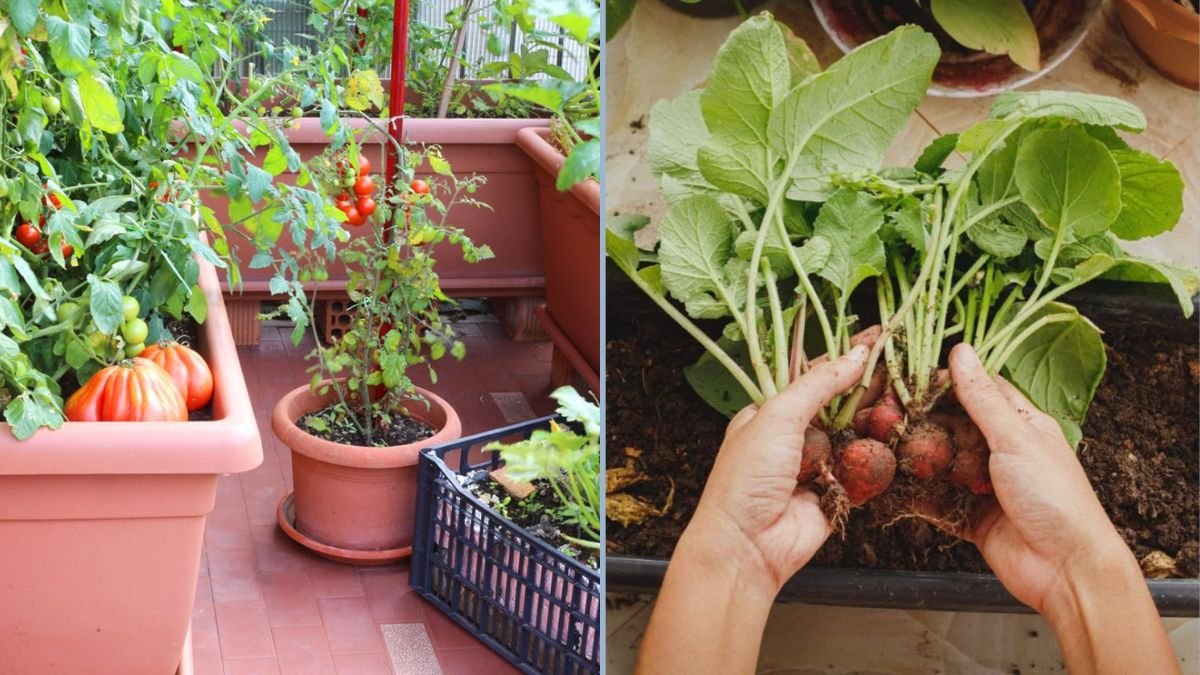
Urbanization, limited land availability, and increasing interest in healthy, homegrown food have made small-space gardening an essential practice. Even in apartments, balconies, rooftops, or compact backyards, it is possible to cultivate a variety of vegetables throughout the year. Year-round vegetable production not only ensures a continuous supply of fresh, nutritious food but also reduces reliance on commercially grown produce, minimizes food waste, and promotes sustainable living practices.
Small-space gardening presents unique challenges, such as limited soil volume, light constraints, and pest management. However, with strategic planning, innovative growing systems, and plant-based, eco-friendly practices, it is possible to achieve high yields in confined areas. This article explores methods, techniques, and considerations for growing vegetables all year in small spaces while maintaining organic, chemical-free standards.
1. Planning and Space Optimization
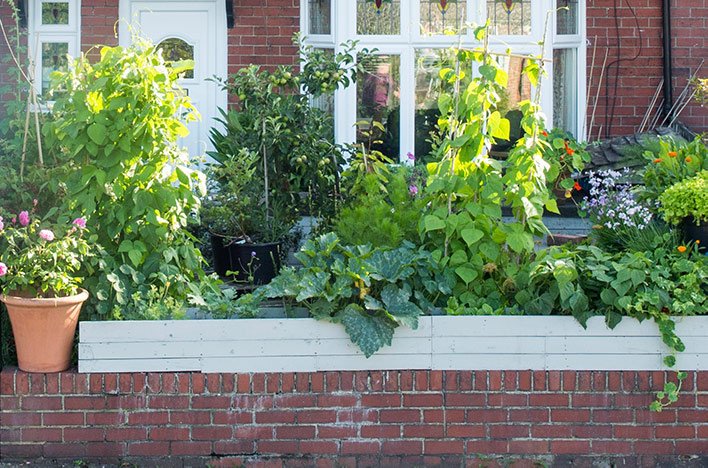
Successful small-space vegetable gardening begins with effective planning:
a. Assessing Available Space
- Measure balcony areas, window sills, patios, or rooftop plots.
- Identify sun-exposed spots to maximize light for sun-loving crops.
- Determine weight-bearing capacity for container systems, especially on balconies or rooftops.
b. Selecting Suitable Vegetables
- Prioritize compact, high-yielding, and fast-growing varieties.
- Examples include leaf greens (spinach, lettuce, kale), herbs (basil, mint, cilantro), cherry tomatoes, peppers, radishes, and bush beans.
- Use dwarf or container-adapted cultivars to maximize productivity in limited space.
c. Vertical Gardening
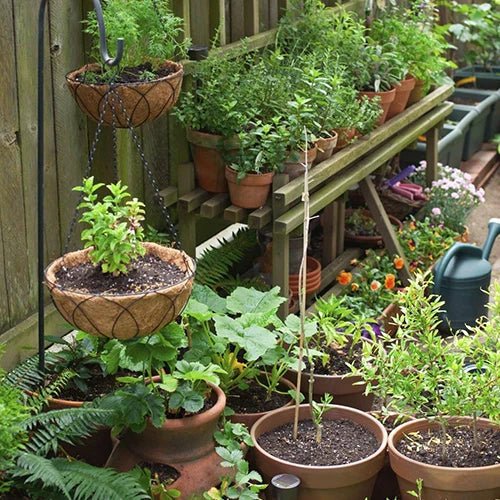
- Utilize trellises, hanging pots, wall-mounted planters, or stacked containers.
- Vertical planting increases planting density without increasing footprint.
- Climbing vegetables such as peas, beans, cucumbers, and tomatoes thrive in vertical setups.
2. Container Gardening Techniques
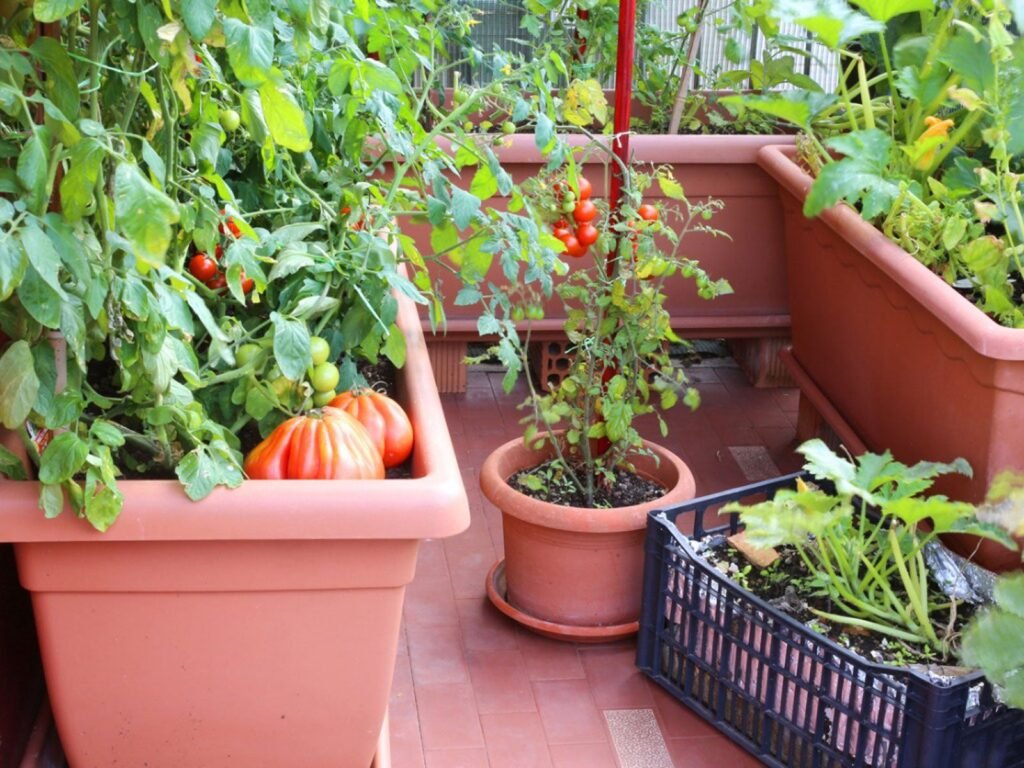
Containers are essential for small-space year-round cultivation:
a. Choosing Containers
- Select pots, tubs, or boxes with adequate drainage holes.
- Use lightweight containers such as plastic, fabric grow bags, or recycled materials to reduce weight.
- Ensure containers are large enough to support root growth (e.g., 6–12 inches deep for leafy greens, 12–18 inches for root vegetables).
b. Soil Media
- Use well-draining, nutrient-rich, plant-based potting mixes.
- Components can include coconut coir, composted plant residues, perlite, vermiculite, and shredded leaves.
- Avoid garden soil from outdoors, which may harbor pests or diseases.
c. Watering Management
- Containers dry out faster than garden beds, so maintain consistent moisture without waterlogging.
- Bottom watering or self-watering containers can conserve water and reduce leaf wetting, which prevents fungal issues.
3. Year-Round Cultivation Strategies
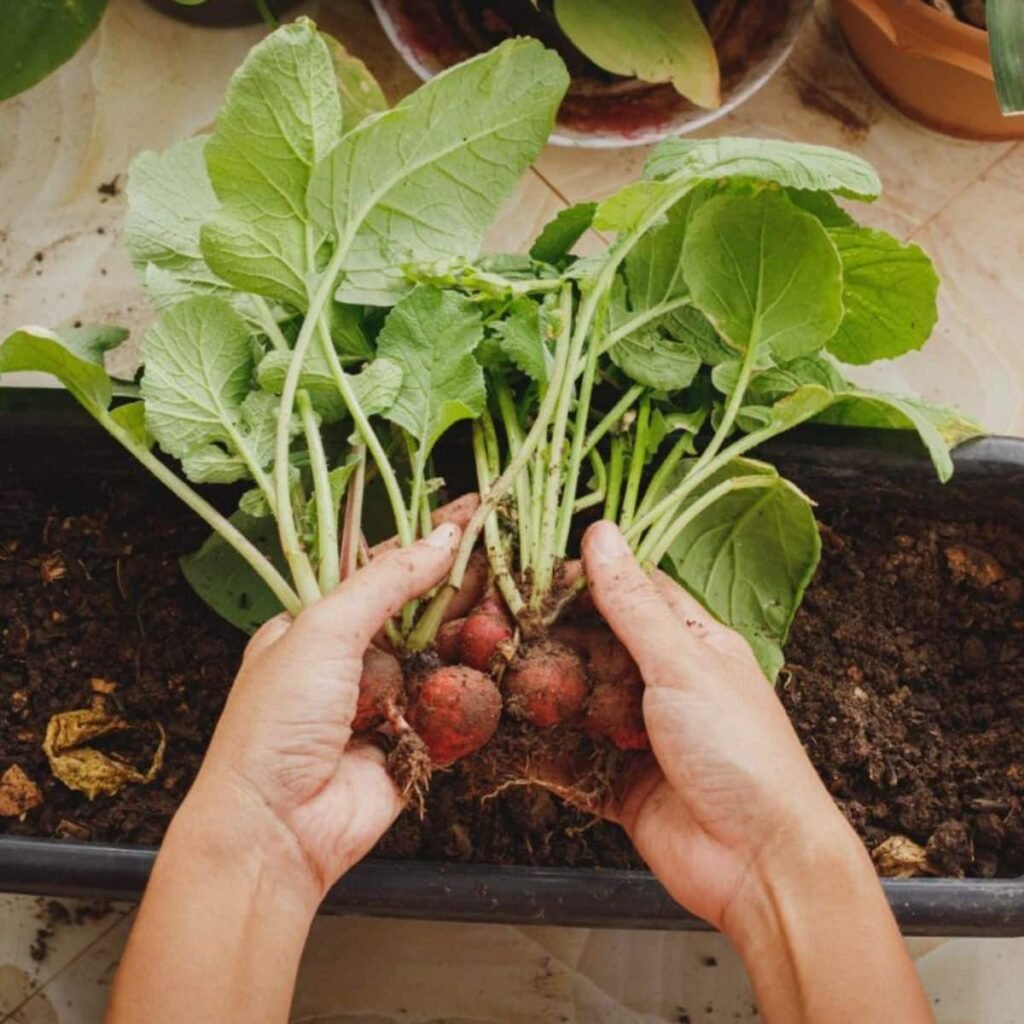
Maintaining vegetable production throughout the year requires adapting to seasonal conditions:
a. Seasonal Crop Rotation
- Grow cool-season vegetables (lettuce, spinach, radish) during winter.
- Plant warm-season crops (tomatoes, peppers, cucumbers) in spring and summer.
- Rotate crops to reduce pest buildup and maintain soil fertility.
b. Succession Planting
- Stagger sowing dates for fast-growing crops to ensure continuous harvests.
- Replace harvested crops immediately with new seedlings to maximize space efficiency.
c. Indoor Growing
- Use windowsills, shelves, or grow tents with adequate light for indoor cultivation.
- LED grow lights can supplement natural sunlight in low-light areas, promoting steady growth.
d. Microclimate Management
- Protect plants from extreme temperatures using shade cloths, mini-greenhouses, or cloches.
- Indoor humidity trays and fans improve plant health and prevent stress during dry seasons.
4. Organic Fertility Management
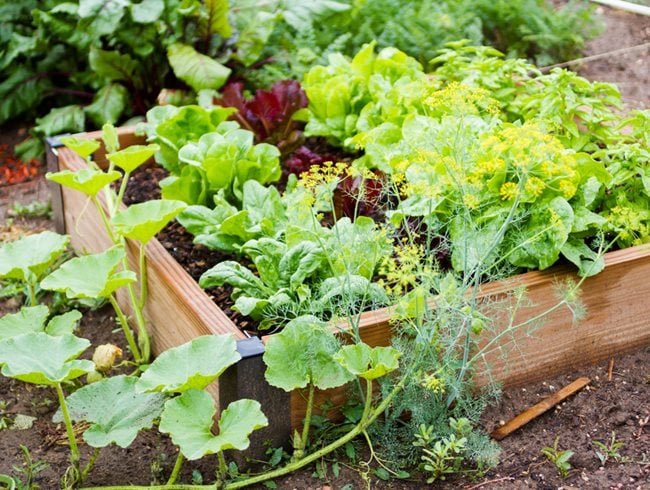
Healthy vegetables require nutrient-rich soil:
a. Plant-Based Compost
- Compost from vegetable peels, fruit scraps, and leaf litter provides balanced nutrition.
- Incorporate compost into containers before planting or use as a top-dressing for established plants.
b. Green Manures
- Grow nitrogen-fixing cover crops like clover or mung beans in rotation to enhance soil fertility.
- Chop and incorporate these plants into soil media before replanting vegetables.
c. Fermented Plant Extracts
- Homemade fermented plant teas (comfrey, nettle, moringa) provide natural growth stimulants.
- Diluted infusions can be applied as soil drenches or foliar sprays to improve root development and plant vigor.
5. Pest and Disease Prevention
Small spaces often favor pest multiplication due to confined conditions:
a. Early Detection
- Inspect plants regularly for aphids, whiteflies, spider mites, and fungal symptoms.
- Remove damaged leaves or infested plant parts promptly to prevent spread.
b. Companion Planting
- Grow aromatic plants such as basil, mint, garlic, or marigold alongside vegetables to repel pests naturally.
- Certain herbs release volatile compounds that reduce pest activity without using chemicals.
c. Botanical Sprays
- Neem oil, garlic extract, and mild soap sprays provide preventive control for soft-bodied insects.
- Apply sprays in the early morning or evening to avoid leaf stress.
d. Airflow Management
- Ensure adequate ventilation around plants to reduce humidity pockets where pests thrive.
- Use small fans or arrange containers to maintain air circulation.
6. Efficient Light Management
Light is a critical factor for year-round productivity:
a. Maximizing Natural Sunlight
- Position containers near south-facing windows or balconies to capture the maximum sun.
- Rotate containers periodically to ensure uniform light exposure.
b. Supplemental Lighting
- Use full-spectrum LED grow lights to extend daylight hours during winter or in shaded indoor areas.
- Position lights 6–12 inches above foliage, adjusting as plants grow.
7. Water Conservation in Small Spaces
Water is a limiting factor in container gardening:
a. Mulching
- Apply shredded leaves or straw on container surfaces to reduce evaporation.
b. Self-Watering Systems
- Containers with reservoirs ensure consistent moisture for roots without daily attention.
c. Rainwater Harvesting
- Collect rainwater to water plants, providing nutrient-rich, chemical-free hydration.
8. Crop Selection for Small-Space Year-Round Gardening
Choose crops suitable for rotation and continuous harvest:
- Leafy greens: Lettuce, kale, spinach, arugula, and Swiss chard.
- Herbs: Basil, parsley, cilantro, mint, thyme, and chives.
- Fruiting vegetables: Cherry tomatoes, peppers, dwarf cucumbers.
- Root vegetables: Radishes, carrots, beets, and small turnips.
These crops adapt well to container systems, require minimal space, and provide frequent harvests.
9. Maintenance Practices
Consistent care ensures year-round productivity:
- Regular Pruning: Pinch back leafy vegetables and herbs to encourage new growth.
- Fertilization: Top-dress containers with compost or plant-based fertilizers every 3–4 weeks.
- Rotation and Succession: Replace harvested crops promptly with new seedlings.
- Observation: Monitor for nutrient deficiencies, pest activity, or water stress.
10. Benefits of Year-Round Small-Space Vegetable Gardening
a. Food Security
- Continuous supply of fresh vegetables reduces dependence on market produce.
b. Nutritional Value
- Homegrown vegetables are fresher and retain higher nutrient content.
c. Environmental Sustainability
- Reduces food miles, packaging waste, and reliance on chemical inputs.
d. Urban Greening
- Enhances air quality, aesthetics, and mental well-being in small urban environments.
e. Resource Efficiency
- Efficient use of space, water, and organic inputs maximizes yield per square foot.
Conclusion
Growing vegetables all year in small spaces is achievable through careful planning, container management, crop selection, and sustainable, plant-based practices. By optimizing vertical space, using organic soil amendments, practicing succession planting, and implementing eco-friendly pest management strategies, gardeners can cultivate nutritious, productive crops in confined areas.
Year-round small-space gardening not only enhances food security and nutrition but also promotes environmental stewardship and personal well-being. With consistent care, creativity, and attention to plant needs, even the smallest balcony or windowsill can become a thriving vegetable garden, providing a continuous harvest of fresh, organic produce throughout the year.