
Pest management is a significant concern for gardeners and farmers alike. Insects such as aphids, whiteflies, caterpillars, and beetles can severely impact plant growth, reduce yields, and damage the aesthetic quality of gardens. While chemical pesticides are commonly used to control pests, they pose risks to human health, beneficial insects, and the environment. A sustainable, eco-friendly alternative is companion planting—growing certain plants together to naturally deter pests, attract beneficial insects, and improve overall plant health.
This article explores the concept of companion planting, explains how it works to deter insects, and provides detailed guidance for using companion plants effectively.
Understanding Companion Planting
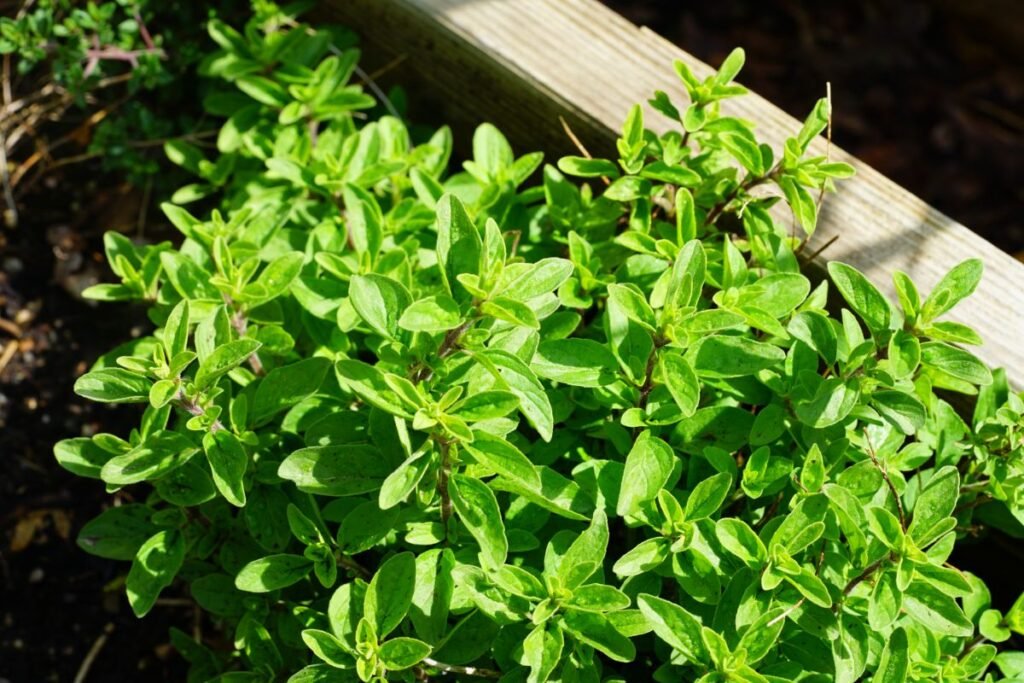
Companion planting involves strategically placing plants in proximity to benefit each other through pest control, growth enhancement, or soil improvement. It is a practice rooted in traditional agriculture and organic gardening. Plants release natural chemicals, aromas, or physical barriers that confuse or repel pests, reducing the need for chemical interventions.
Mechanisms of Pest Deterrence
- Aromatic Repellents: Some plants emit strong scents that mask the presence of neighboring plants or repel insects.
- Trap Crops: Certain plants attract pests away from main crops, effectively acting as decoys.
- Habitat for Beneficial Insects: Companion plants may provide nectar, pollen, or shelter for predators and parasitoids that control pest populations.
- Physical Barriers: Dense foliage or prickly plants can prevent pests from reaching vulnerable crops.
Understanding these mechanisms allows gardeners to select companion plants strategically.
Common Insect Pests and Companion Plant Strategies

Different insect pests target specific crops, and companion plants can be chosen to counter them:
1. Aphids
- Problem: Aphids feed on plant sap, causing leaf curling, yellowing, and stunted growth.
- Companion Plants:
- Marigold: Its strong scent repels aphids.
- Garlic and Chives: Mask the smell of nearby plants, confusing aphids.
- Nasturtium: Acts as a trap crop, attracting aphids away from main crops.
2. Whiteflies
- Problem: Whiteflies feed on undersides of leaves and excrete honeydew, promoting fungal growth.
- Companion Plants:
- Basil: Repels whiteflies with aromatic oils.
- Mint: Deters flying pests and improves biodiversity.
- Tansy: Encourages predatory insects like ladybugs that consume whiteflies.
3. Caterpillars
- Problem: Caterpillars chew leaves and stems, leading to defoliation.
- Companion Plants:
- Dill, Fennel, and Coriander: Attract parasitic wasps that lay eggs inside caterpillars.
- Marigold: Provides a physical barrier and repellent effect.
- Nasturtium: Serves as a decoy plant to lure caterpillars away from crops.
4. Beetles (e.g., Colorado Potato Beetle)

- Problem: Beetles eat leaves, reducing photosynthetic capacity.
- Companion Plants:
- Garlic and Onion: Repel beetles with strong odors.
- Borage: Confuses pests while attracting pollinators.
- Marigold: Reduces beetle infestations in nearby crops.
5. Fruit Flies
- Problem: Fruit flies lay eggs in ripening fruits, leading to maggot infestation.
- Companion Plants:
- Basil: Repels fruit flies near tomatoes and peppers.
- Mint and Lavender: Strong aromas discourage fruit fly activity.
- Fennel: Attracts predatory wasps to reduce fruit fly populations.
Planning a Companion Planting Scheme
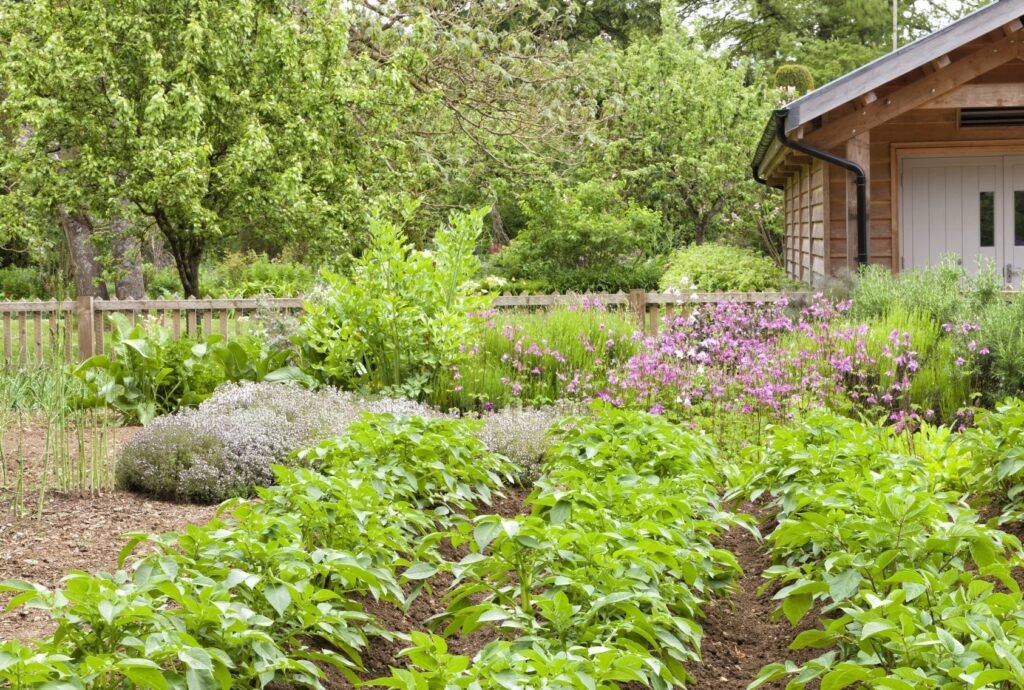
Successful pest deterrence through companion planting requires careful planning:
1. Identify Primary Crops and Common Pests
Determine which insects most frequently attack your crops and select companion plants known to repel or attract natural enemies of those pests.
2. Select Appropriate Companion Plants
Choose plants based on their aromatic, chemical, or physical properties that deter pests. Consider growth habits to avoid competition for sunlight, nutrients, and water.
3. Spatial Arrangement
- Interplant repellent herbs like basil, mint, or garlic around vulnerable crops.
- Use trap crops like nasturtium or marigold at the garden periphery or between main crops.
- Plant flowering herbs such as dill and coriander to attract beneficial insects.
4. Consider Planting Timing
- Early planting of companion plants ensures they establish before pests arrive.
- Continuous flowering or overlapping growth cycles maintain a habitat for beneficial insects.
5. Rotation and Diversity
- Rotate companion and primary crops annually to prevent pest build-up.
- Include a variety of aromatic, flowering, and trap plants to maximize natural pest control.
Benefits of Companion Planting
Using companion plants to deter bugs offers multiple advantages beyond pest control:
- Reduces Chemical Use: Minimizes reliance on synthetic pesticides, promoting environmental and human health.
- Encourages Biodiversity: Supports beneficial insects, pollinators, and soil organisms.
- Enhances Growth and Yield: Some companion plants improve soil fertility and microclimates.
- Cost-Effective: Many companion plants are inexpensive, easy to grow, and multifunctional.
- Sustainable: Promotes long-term garden resilience and ecological balance.
Case Studies of Effective Companion Planting
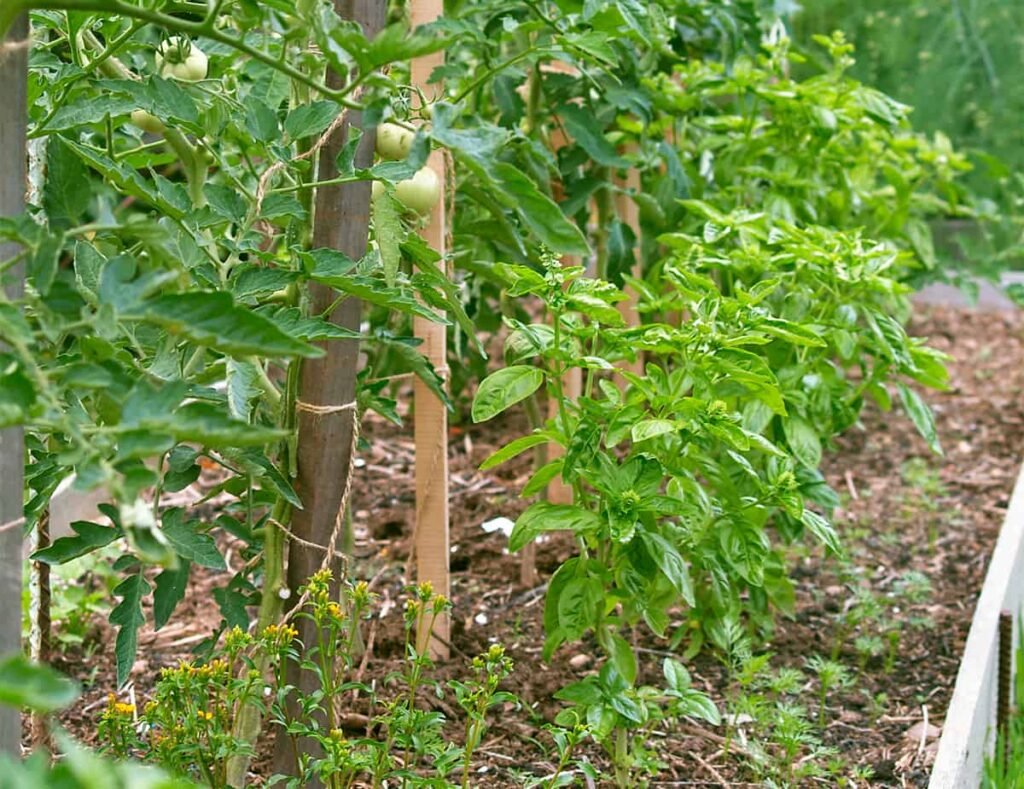
- Tomatoes and Basil: Planting basil alongside tomatoes repels whiteflies and enhances tomato flavor.
- Carrots and Onions: Onions deter carrot flies, protecting roots without pesticides.
- Cabbage and Marigold: Marigolds reduce infestations of cabbage root flies and aphids.
- Squash and Nasturtium: Nasturtium attracts aphids, keeping squash plants pest-free and serving as a trap crop.
These examples demonstrate how companion planting can be adapted to different crops for effective pest management.
Monitoring and Maintenance
Even with companion planting, regular monitoring is essential:
- Inspect plants weekly for signs of pests.
- Maintain soil fertility and proper watering to strengthen plant resistance.
- Prune overcrowded plants to improve airflow and reduce humidity.
- Replace or rotate companion plants if their effectiveness declines.
Consistent maintenance ensures the garden remains healthy and pest-free.
Integrating Companion Planting With Other Natural Methods
For maximum effectiveness, companion planting can be combined with other eco-friendly practices:
- Neem or Soap Sprays: For occasional outbreaks, natural sprays complement companion planting.
- Mulching: Organic mulches deter soil pests and maintain soil moisture.
- Crop Rotation: Reduces pest populations by interrupting life cycles.
- Beneficial Insects: Attract or introduce predators like ladybugs and parasitic wasps for added control.
Integration creates a robust, multi-layered defense system against insect pests.
Conclusion
Companion planting is a powerful, sustainable approach to deterring insect pests naturally. By strategically placing aromatic, flowering, and trap plants, gardeners can reduce pest pressure, encourage beneficial insects, and maintain healthy crops. This method reduces dependence on chemical pesticides, supports biodiversity, and promotes overall garden resilience.
Successful implementation requires understanding the pests affecting your crops, selecting appropriate companion plants, planning spatial arrangements, and maintaining a diverse and well-monitored garden. When combined with additional natural strategies such as organic sprays, mulching, and beneficial insects, companion planting provides a comprehensive, eco-friendly solution to pest management.
Through careful planning and consistent care, using companion plants to deter bugs not only protects crops but also enhances garden health, yield, and sustainability, making it an essential practice for modern, environmentally conscious agriculture.