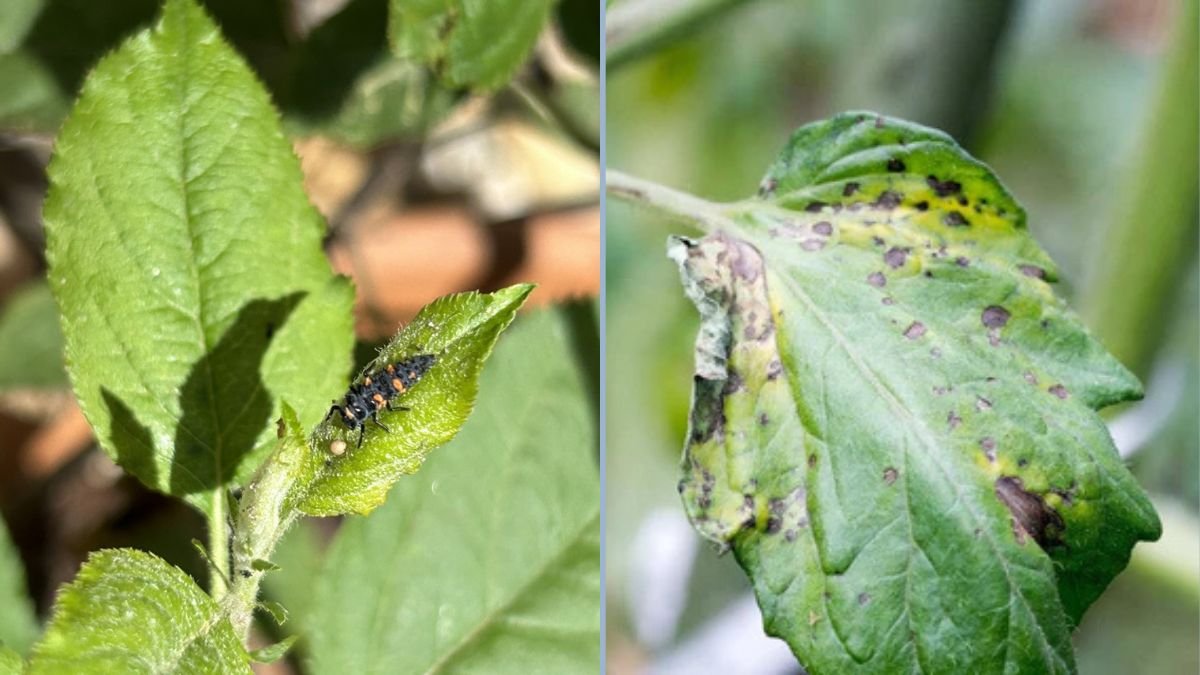
Plants form the foundation of ecosystems, provide essential food sources, and enhance our surroundings. However, they are constantly threatened by insect pests, which can damage leaves, stems, flowers, and fruits. Insect damage can stunt growth, reduce yield, and, in severe cases, kill plants. While chemical pesticides are commonly used to manage pests, they pose risks to humans, beneficial insects, and the environment. Therefore, natural, plant-based strategies for rescuing plants from insect damage are increasingly important.
This article provides a comprehensive guide to identifying insect damage, understanding its impact, and implementing natural methods to restore plant health.
Understanding Insect Damage
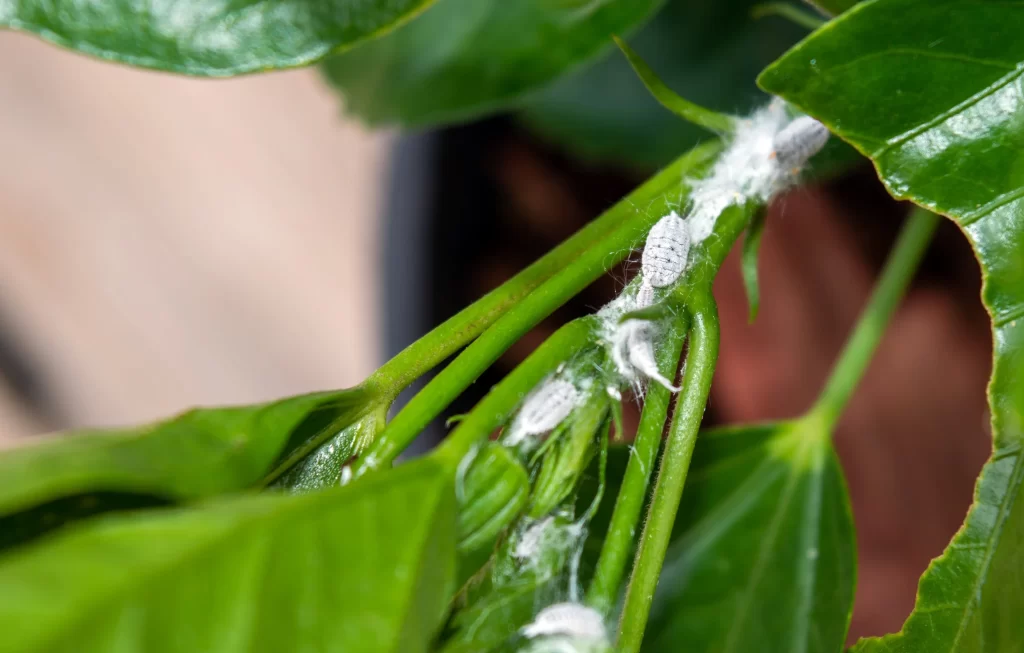
Insects affect plants in various ways, primarily through feeding, laying eggs, or transmitting diseases. Common forms of damage include:
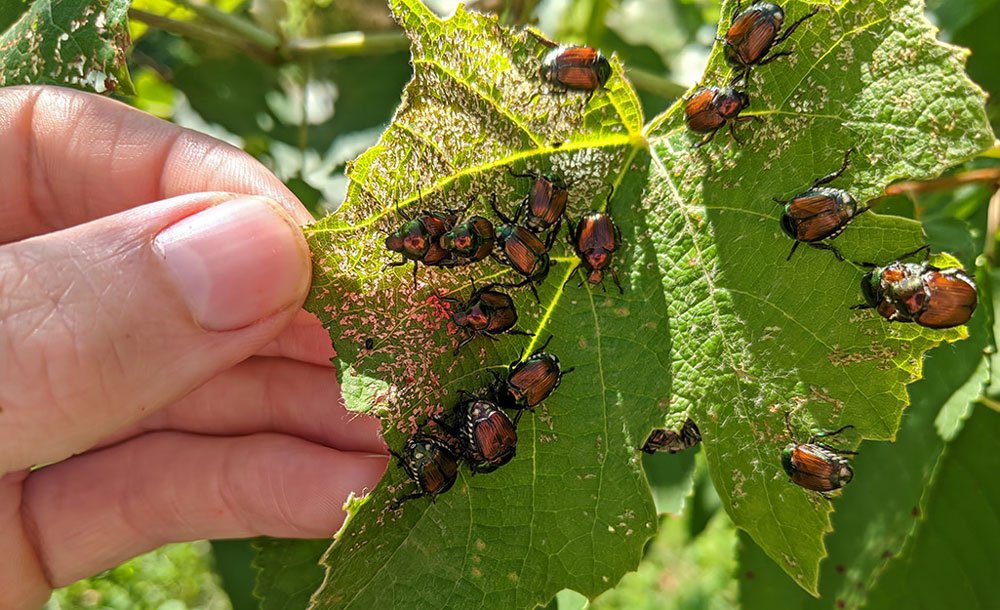
- Leaf Chewing: Caterpillars, beetles, and grasshoppers create holes or completely consume leaves.
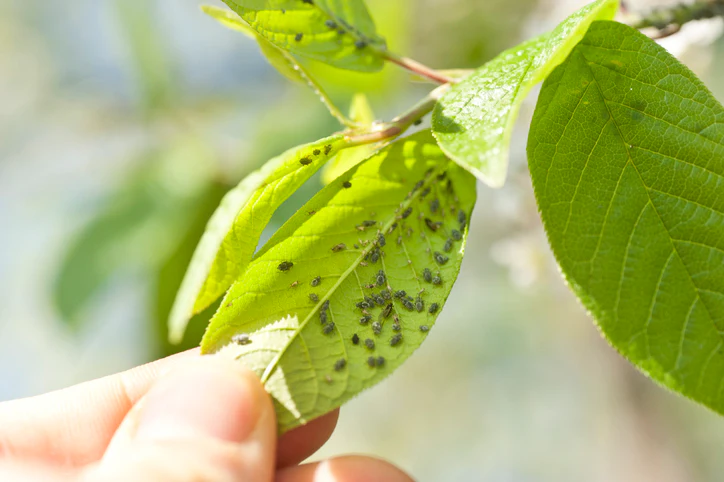
- Sap-Sucking: Aphids, whiteflies, and scale insects extract sap, causing yellowing, curling, and stunted growth.
- Fruit or Flower Damage: Fruit flies, thrips, and caterpillars feed on blossoms or ripening fruits, affecting reproduction and yield.
- Root Damage: Root-knot nematodes and grubs attack roots, limiting water and nutrient uptake.
Understanding the type of insect and its feeding behavior is essential for targeted interventions.
Signs of Insect Damage
Identifying insect damage early allows for timely action. Common indicators include:
- Holes or Chewed Edges: Typical of caterpillars, beetles, and grasshoppers.
- Discoloration or Leaf Curling: Often caused by sap-sucking insects like aphids and whiteflies.
- Wilting or Stunted Growth: Can indicate root damage or heavy insect feeding.
- Sticky Residue (Honeydew): Secreted by aphids, scale insects, or whiteflies, which may also promote fungal growth.
- Visible Insects or Larvae: Observing pests on leaves, stems, flowers, or soil helps identify the cause.
- Deformed Fruits or Flowers: Thrips, fruit flies, and caterpillars often damage reproductive parts.
Regular monitoring of plants, particularly the undersides of leaves and new growth, helps catch infestations early.
Environmental Factors That Encourage Insect Damage
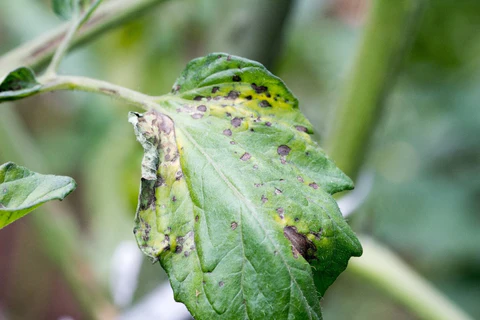
Certain conditions can make plants more susceptible to insect attacks:
- Overcrowding: Dense plantings reduce air circulation and increase humidity, favoring pests.
- Overfertilization with Nitrogen: Excess nitrogen promotes lush, tender growth attractive to insects.
- Poor Soil Health: Weak plants with inadequate nutrients are more vulnerable.
- Excessive Moisture or Water Stress: Both waterlogging and drought stress can weaken plants, making them easier targets.
- Lack of Biodiversity: Monocultures and the absence of natural predators allow insect populations to grow unchecked.
Addressing these factors is essential for preventing further damage.
Natural Strategies to Rescue Plants From Insect Damage
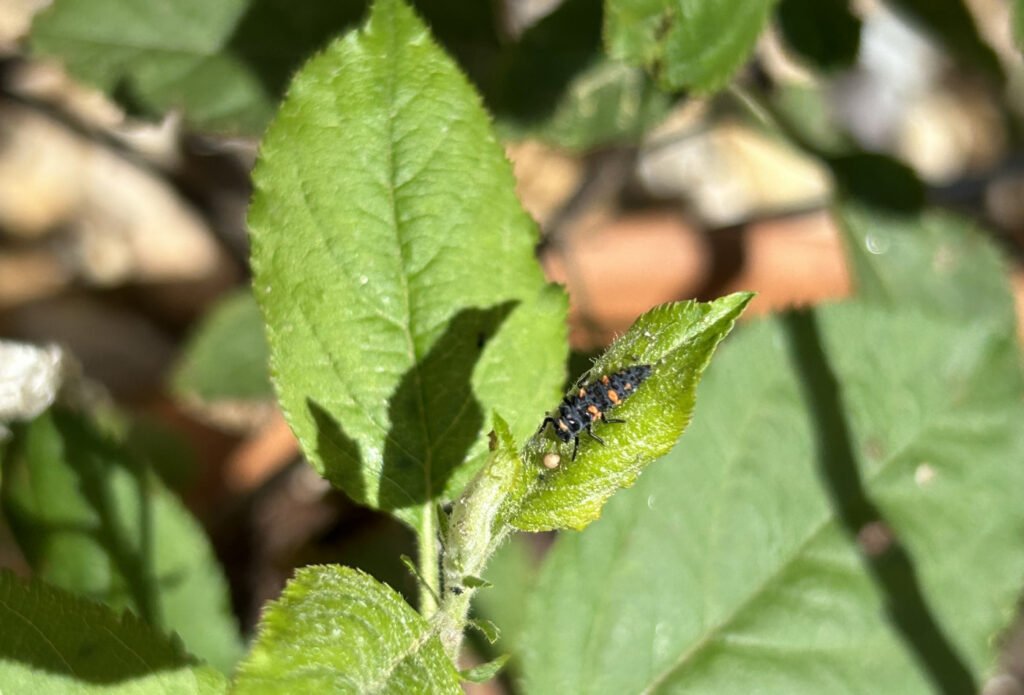
Rescuing plants from insect damage requires a combination of preventive, cultural, and natural intervention methods.
1. Physical Removal of Insects
- Handpicking: Remove large insects like caterpillars or beetles manually.
- Pruning Damaged Parts: Cut off heavily infested leaves, stems, or fruits to prevent the spread of pests.
- Washing Leaves: Use a gentle stream of water to dislodge aphids, mites, or whiteflies.
Physical removal is immediate and chemical-free, particularly effective in small gardens or indoor plants.
2. Natural Sprays and Homemade Remedies
Plant-based sprays and natural remedies can reduce pest populations and promote recovery:
- Neem Oil: Disrupts insect feeding and reproduction. Apply as a foliar spray every 7–10 days.
- Soap and Water Spray: Mild liquid soap mixed with water eliminates soft-bodied insects like aphids, mealybugs, and whiteflies.
- Garlic or Chili Spray: Infusions made from garlic cloves or chili peppers repel insects.
- Herbal Extracts: Combinations of neem, marigold, or tobacco extracts deter pests naturally.
These methods are safe for edible plants, pets, and the environment.
3. Encouraging Beneficial Insects
Natural predators can reduce pest populations while restoring ecological balance:
- Ladybugs and Lacewings: Feed on aphids and whiteflies.
- Parasitic Wasps: Target caterpillars and scale insects.
- Ground Beetles and Spiders: Prey on soil and foliage insects.
Providing flowering plants, water sources, and shelter encourages these beneficial species to inhabit gardens.
4. Companion Planting
Certain plants can protect others by repelling pests or attracting beneficial insects:
- Marigolds: Repel nematodes, aphids, and whiteflies.
- Basil and Mint: Strong aroma deters fruit flies and aphids.
- Garlic and Chives: Mask plant scent, confusing insect pests.
- Nasturtiums: Serve as trap crops for aphids and caterpillars.
Companion planting enhances biodiversity and strengthens plant resilience.
5. Improving Environmental Conditions
Healthy plants are more resistant to insects. Adjustments include:
- Adequate Sunlight: Ensure plants receive sufficient light for photosynthesis and vigor.
- Proper Watering: Avoid water stress or waterlogging. Drip irrigation is effective for even moisture without wetting foliage.
- Air Circulation: Space plants to reduce humidity and discourage pest establishment.
- Soil Health: Enrich soil with compost or organic fertilizers to provide essential nutrients.
6. Mulching and Soil Management
Mulching and proper soil care protect plants and roots from soil-dwelling pests:
- Organic Mulch: Prevents soil pests like root grubs and fungus gnats from reaching plant roots.
- Compost and Organic Matter: Supports beneficial soil organisms that compete with pests.
- Soil Solarization: Covering soil with clear plastic in sunny conditions kills pests and pathogens in the topsoil.
Healthy soil and root systems are vital for plant recovery after insect damage.
7. Monitoring and Early Intervention
Ongoing vigilance is essential for rescuing plants:
- Inspect plants weekly, focusing on new growth, leaf undersides, and stems.
- Identify the type of pest and select appropriate natural remedies.
- Implement a combination of strategies rather than relying on a single method.
Early intervention prevents minor damage from becoming severe and ensures faster plant recovery.
Recovery Strategies for Damaged Plants
After insect damage, promoting recovery is crucial:
- Prune Heavily Damaged Foliage: Encourages new growth and reduces stress.
- Fertilize Appropriately: Provide balanced nutrients to support regrowth.
- Maintain Consistent Care: Water, light, and airflow should be optimized.
- Protect From Further Attack: Use barriers, sprays, or companion plants to prevent reinfestation.
Consistent care allows plants to rebuild foliage, restore vigor, and resume normal growth.
Benefits of Natural Pest Management
- Safe for Humans and Environment: Avoids toxic chemicals that can accumulate in soil, plants, or water.
- Preserves Beneficial Organisms: Encourages pollinators and natural predators.
- Sustainable: Supports long-term plant health and ecosystem balance.
- Cost-Effective: Uses household ingredients and common companion plants.
- Improves Plant Resilience: Healthy plants recover faster and are less vulnerable to future infestations.
Integrated Approach to Rescue and Protection
The most effective method for rescuing plants from insect damage combines multiple strategies:
- Identify pests and damage type accurately.
- Remove insects and prune heavily affected areas.
- Apply neem oil, soap sprays, or garlic-chili sprays as preventive measures.
- Encourage beneficial insects and use companion planting.
- Improve environmental conditions, soil health, and irrigation practices.
- Monitor plants regularly and intervene early when new signs appear.
This integrated approach ensures both immediate relief from insect damage and long-term protection.
Conclusion
Insect damage can significantly impact plant health, yield, and aesthetic appeal. However, plants can be rescued naturally through a combination of identification, preventive care, physical removal, natural sprays, beneficial insects, companion planting, and environmental optimization. By adopting plant-based, eco-friendly strategies, gardeners and farmers can restore damaged plants, enhance resilience, and reduce future pest risks.
An integrated, sustainable approach not only addresses current infestations but also strengthens plants and ecosystems for long-term productivity. Healthy, well-maintained plants are more capable of resisting insect attacks, producing higher yields, and thriving in both indoor and outdoor environments. Through vigilance, natural intervention, and consistent care, plants can recover fully from insect damage while minimizing environmental impact and maintaining a safe, chemical-free garden.